
Visualization based on BIM technology, combined with the ability to simulate construction progress, significantly enhances the refined management of construction schedules. When applied to prefabricated buildings, BIM technology management primarily focuses on two key areas:
1. Establishing a construction management platform that leverages BIM’s visualization and simulation capabilities to enable front-end construction simulation and real-time monitoring of the construction process.
2. Utilizing BIM’s shareable and optimizable features to manage information related to personnel, materials, machinery, and changes on-site, thereby improving project schedule flexibility and tolerance.
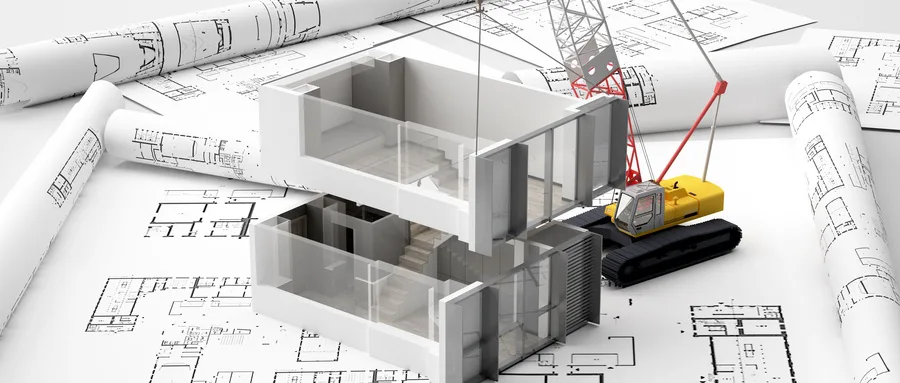
Traditional construction planning often overlooks certain critical elements or lacks comprehensive consideration. In contrast, BIM software reflects various construction site components as detailed 3D models enriched with backend data. This includes the placement of tower cranes, construction routes, scaffolding, steel processing sheds, and prefabricated component yards, effectively creating a 3D-BIM model for three-dimensional site management.
By integrating project progress data, the 3D-BIM model evolves into a 4D-BIM model, enabling dynamic simulation of construction schedules. With the emergence of 5D-BIM, construction teams can further incorporate budget, resources, and organizational information into the model. This integration allows accurate simulation of the construction process, providing essential data such as material consumption, process measurements, and cost accounting. These insights help control project progress in real-time, improve communication, and enhance decision-making efficiency.
Moreover, the simulation capabilities allow teams to detect conflicts and inefficiencies in the construction plan before execution, facilitating timely adjustments and supporting the digital transformation of the construction process.
The BIM model supports flexible progress tracking units—years, months, weeks, or days—enabling continuous simulation and optimization. This precision helps control all elements involved in the construction process, solving more issues prior to implementation, saving time and costs, and boosting overall project management efficiency.
The core steps for applying BIM technology in construction progress simulation are as follows:
① Import the BIM model from the design phase into BIM software;
② Develop a detailed construction schedule plan;
③ Integrate the BIM model with the construction schedule in the software to create 4D or 5D BIM;
④ Use the software to dynamically simulate the construction process;
⑤ Identify potential issues and optimize the construction timeline accordingly.
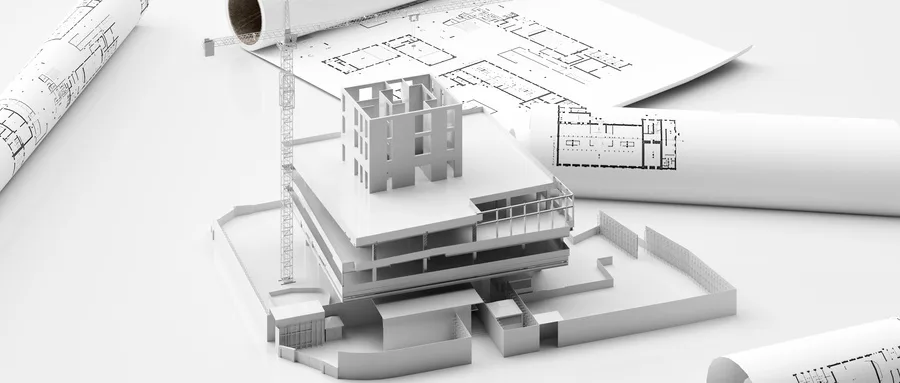
BIM technology also plays a crucial role in information management and project progress control. Prefabricated building projects involve numerous components, requiring more detailed management than traditional construction sites. RFID chip technology assigns unique identification to each prefabricated component, and similar tracking methods apply to personnel, materials, and machinery on-site.
Within BIM software, different colors represent the status of various elements. Prefabricated components are categorized into four stages: “production,” “arrival,” “construction,” and “completion.” Personnel, materials, and machinery are classified as either “normal” or “abnormal” based on their operational status. Actual construction progress is compared against simulated schedules and classified as “ahead of schedule,” “in progress,” or “delayed.”
On-site workers scan and upload RFID chip data, enabling management to monitor real-time construction status via the management platform. This immediate feedback allows managers to:
- Send component details to manufacturers to arrange timely transportation and delivery;
- Address personnel, materials, and machinery shortages or issues promptly;
- Identify causes of schedule delays quickly and coordinate corrective actions;
- Ensure the project proceeds smoothly in line with planned schedules.
















Must log in before commenting!
Sign Up