
BIM (Building Information Modeling) is a digital representation of a project’s physical and functional characteristics. Serving as a shared information repository, BIM provides a critical foundation for decision-making throughout the entire project lifecycle. The core principle of BIM is that various stakeholders contribute by inserting, extracting, updating, and modifying information at different project stages. It is a digital information model built on publicly available interoperability standards.
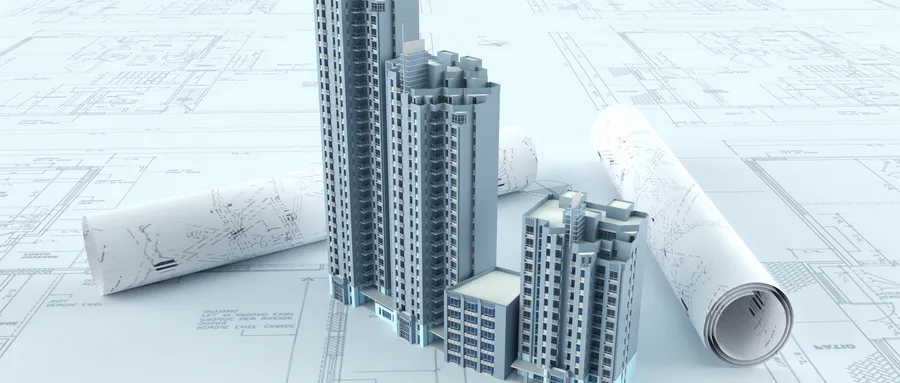
Applications of BIM in the Design Phase
1. 3D Visual Design. Unlike traditional design methods, BIM relies on three-dimensional modeling throughout the design process. Designers use virtual 3D graphics to create visual designs, which significantly enhance design efficiency. Additionally, BIM components are parametric, meaning each element carries attribute data stored within the BIM platform. This enables seamless collaboration across various disciplines.
2. Collaborative Design. Construction projects typically involve multiple disciplines such as mechanical, electrical, plumbing, drainage, and HVAC engineering. During the design phase, effective cooperation between these specialties is essential to ensure a comprehensive and accurate overall design. Traditional methods often suffer from inconsistent standards and poor coordination, leading to frequent errors in construction drawings. BIM facilitates data sharing among disciplines, promoting collaboration and ultimately improving both design efficiency and drawing quality.
3. Design Scheme Optimization. BIM allows project data to be generated and imported into specialized software for detailed analysis. This enables identification of design flaws early on. For example, BIM software can perform clash detection to resolve conflicts between different disciplines during the design process, thereby enhancing the overall design quality.
















Must log in before commenting!
Sign Up