
Prefabricated construction plays a vital role in promoting sustainability within the construction industry. However, it also demands higher standards in construction management and technology. Challenges such as heavy management workload, complex coordination, and inefficiencies are common. The implementation of Building Information Modeling (BIM) throughout the entire project lifecycle effectively addresses these challenges.
As a powerful tool for information storage and sharing, BIM can store extensive details about prefabricated components, including specifications, installation levels, and reserved pipeline openings. This information is accessible to all stakeholders, helping to resolve issues related to the production and transportation of precast components. Additionally, BIM’s capabilities in modeling, clash detection, and visualization help overcome difficulties in component installation and technical coordination. Overall, BIM application in prefabricated buildings enhances project schedule control, improves quality, and reduces costs.
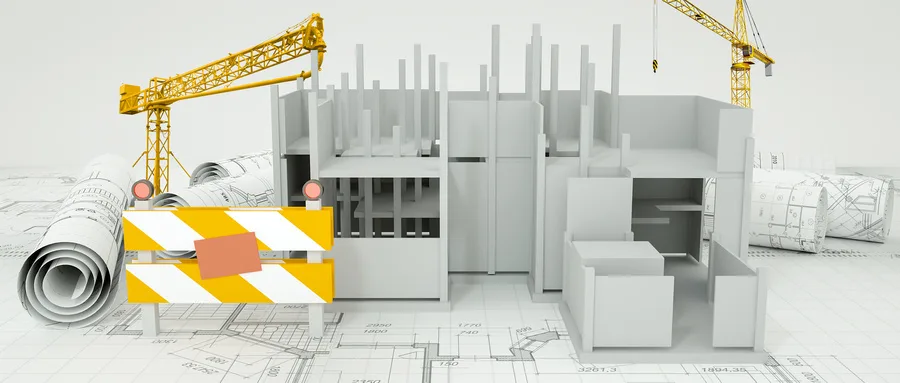
How BIM is Applied in Different Stages of Prefabricated Building Projects
Design Phase
1. Site Analysis: Make key decisions about optimal site layout, traffic flow, and building placement. Use BIM models to quickly and accurately calculate earthwork volumes and present intuitive 3D representations of the site.
2. Design Scheme Optimization: Develop architectural models on the site context to guide decisions on style and massing. Clearly convey functional spaces and component organization.
3. Collaborative Design: Share design data across disciplines to minimize redundant inputs, enhancing communication, coordination, and project management.
4. Clash Detection: Identify and resolve design conflicts early to reduce costly revisions and rework.
5. Performance Analysis: Analyze lighting, ventilation, energy use, and evacuation scenarios to optimize design and improve overall building performance.
6. Cost Estimation: Quickly estimate cash flow and investment requirements for the project plan.
7. Standardized Component Design: Adopt modular, standardized components to boost design efficiency and support industrialized production.
8. 2D Drawing Generation: Rapidly produce drawings for engineering reviews and approvals.
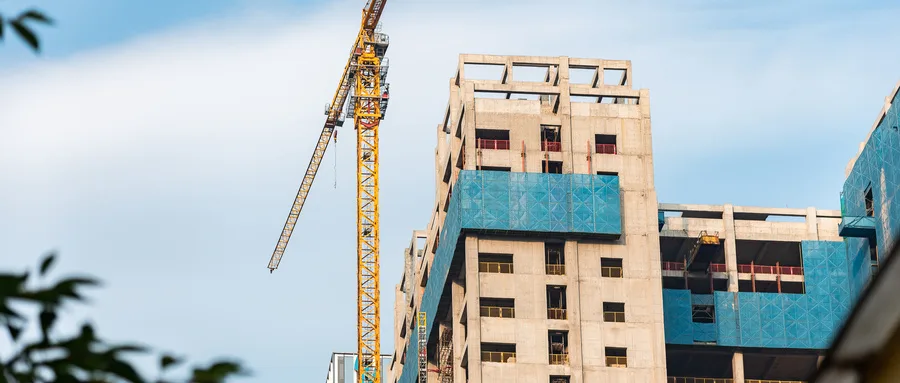
Construction Phase
1. Construction Plan Optimization: Use BIM models to analyze and refine construction plans, providing visual presentations for clearer communication.
2. Schedule Simulation: Simulate construction progress to compare actual vs. planned timelines, allowing timely adjustments.
3. On-Site Coordination: Assist in site layout planning, determining optimal locations for component storage and assembly.
4. Equipment and Material Management: Establish storage quantities and stacking locations for materials and equipment.
5. Quality and Safety Management: Integrate VR and other technologies to warn against unsafe behaviors, and use RFID for real-time quality monitoring.
6. Contract Management: Link contract data to BIM models for streamlined digital management.
7. Completion and Acceptance: Use BIM models to define acceptance criteria and inspection locations.
Operation and Maintenance Phase
1. Virtual Simulation and Walkthroughs: Create animated videos to showcase spatial layouts and facility arrangements.
2. 3D Data Acquisition and Integration: Scan and model existing site facilities and equipment to form accurate 3D representations.
3. Facility Operation and Maintenance Management: Develop integrated building operation models combining equipment control, fire protection, security, and other intelligent systems to manage assets and maintenance plans.
4. Safety and Emergency Management: Monitor equipment status in real-time, provide early warnings for incidents, and plan emergency evacuations effectively.
5. Renovation Management: Use BIM operation models to assess assets and schedule timely renovations and updates.
















Must log in before commenting!
Sign Up