
BIM technology in the design phase primarily focuses on the rational optimization of design schemes. Although design fees typically represent only about 3% of the total project investment, the quality of the design significantly influences overall project cost, quality, and construction complexity. Many cost savings cannot be achieved during construction but must be addressed during design. Using BIM’s 3D models enables multi-disciplinary clash detection and allows for longitudinal comparisons across specialties. This approach facilitates horizontal cost comparisons between multiple design schemes through the 3D model outputs.
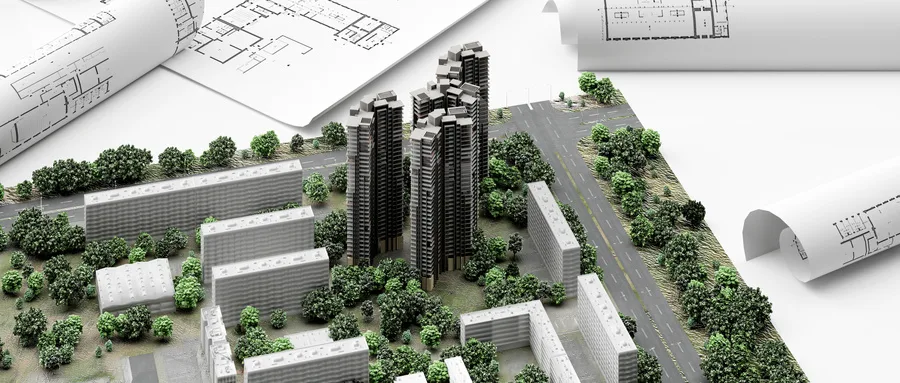
BIM 3D modeling allows for highly realistic simulations of the finished project’s model and data. This near-real data helps identify and resolve design issues early—problems such as beam pressure on windows or reserved openings for piping and equipment that were common in traditional 2D drawings can be avoided.
During conceptual design, designers often focus excessively on functionality, neglecting cost efficiency and savings. By integrating BIM technology with the engineering cost system, cost information can be collaboratively managed alongside data from various departments. This integration supports comparing functionality against cost to select the most optimal design solutions. Additionally, BIM enhances the accuracy of cost budgeting, reduces unforeseen construction issues early on, incorporates multiple factors in cost estimates, and helps prevent contract settlement changes caused by later design modifications.
BIM not only supports forward 3D modeling during design but also allows analysis of the surrounding geographical environment and other influencing factors such as population density, traffic flow, and infrastructure. It facilitates coordination with municipal pipelines and partial design adjustments aligned with overall urban planning. Furthermore, BIM can simulate landscaping and greenery planning around buildings, including sunlight exposure and vegetation distribution.
In the design phase, BIM technology also positively impacts earthwork and excavation. Its 3D visualization capabilities enable detailed surveys of existing terrain during construction. Survey data and 3D point cloud imaging can be imported into software like Revit to generate accurate terrain models. BIM also allows simulation of lighting, water, electrical, heating, and fire protection systems around the site, helping select solutions that optimize resource use and functionality.
















Must log in before commenting!
Sign Up