
The final stage in the construction phase of engineering projects is completion acceptance and handover. Currently, several issues commonly arise during this phase:
- Acceptance personnel often focus solely on quality, neglecting the building’s functional use and environmental aspects.
- Overall control during acceptance is typically weak, such as verifying whether the pipeline layout complies with construction standards and design, and whether it supports future maintenance needs.
- Completion drawings frequently fail to accurately represent the actual site conditions, creating uncertainties for later operations and management, and complicating subsequent work.
BIM technology—a comprehensive, data-driven, and visualized building model—can effectively address these challenges.
(1) Review of Calculation Basis
The completion settlement for the Shanghai Center Building primarily relies on the following data sources:
- Code for Valuation of Bill of Quantities in Construction Projects GB50500-2008;
- Construction contract (engineering contract);
- Engineering completion drawings and materials;
- Confirmed quantities of work agreed upon by both parties;
- Agreed additional or reduced project pricing;
- On-site visa matters, claims, and prices signed by both parties;
- Bid documents;
- Bidding documents;
- Other relevant bases.
(2) Project Quantity Verification
At the final settlement stage, the most critical task is verifying the project quantities. The main methods used include zone verification, sub-item list quantity check, comprehensive BIM model leak detection, and big data analysis. Here, we provide a brief overview of the zoning verification method applied to the Shanghai Center’s engineering quantities.
Table 1: Comparison and Analysis of Settlement Quantities for Shanghai Center Building
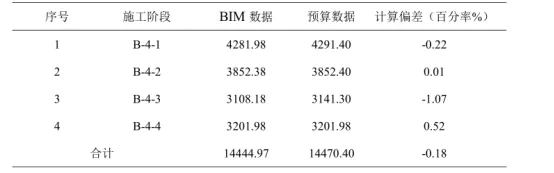
Using the reinforcement quantity data from the Shanghai Center Building as an example, the BIM engineer first divides the project into construction sections. Then, the main quantities are listed according to these sections to form a comparative analysis table, from which relevant data is re-evaluated. Actual construction consumption also serves as a key reference for final quantity settlement. Table 1 illustrates the compartmentalization analysis for the Shanghai Center’s reinforcement project.
Source: “Analysis and Research on Cost Management Issues in the Whole Life Cycle of Green Buildings – Exploration and Application of BIM Technology”
For learning and communication purposes only. Copyright belongs to the original author. If any infringement occurs, please contact us for removal.
















Must log in before commenting!
Sign Up