
BIM, or Building Information Modeling, is built on 3D digital technology and integrates information from various stages of engineering and construction to provide a detailed digital representation of projects. In a narrow sense, BIM refers to a static 3D information model. More broadly, it encompasses a collection of 3D models, information platforms, and standardized workflows. Rather than being a specific software or technology, BIM represents a new philosophy and set of values in how work is approached.
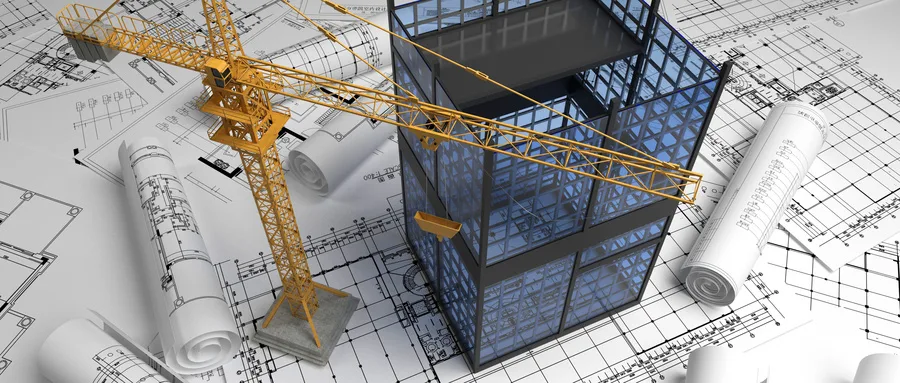
BIM technology is applicable throughout the entire lifecycle of construction projects. Different stages—such as design, construction, and operation—demand varying levels of BIM depth and scope. Given these complex requirements, relying on a single software solution is impractical. Instead, multiple software tools are necessary to address the specific needs of each stage.
During the planning and design phase, Autodesk InfraWorks serves as a valuable complementary tool. It assists planning and architectural professionals in designing within both natural and built environments, allowing for continuous collaboration and innovative communication throughout the design process. Prior to architectural design, site analysis plays a crucial role in deciding the building’s location and orientation.
Combining Autodesk AutoCAD Civil 3D with Geographic Information System (GIS) software enables a thorough evaluation of the proposed site. This integration supports quantitative analysis to verify compliance with project requirements, technical and financial criteria, and other standards. It also helps improve energy efficiency, reduce potential hazards, and maximize return on investment.
















Must log in before commenting!
Sign Up