
Creating a BIM model for a project involves converting traditional two-dimensional plans into a three-dimensional information model. This 3D model more accurately reflects the actual appearance of the project. The more detailed, complex, and high-quality the BIM model components are, the better they convey the project’s information. To ensure effective BIM modeling, the following guidelines should be observed:
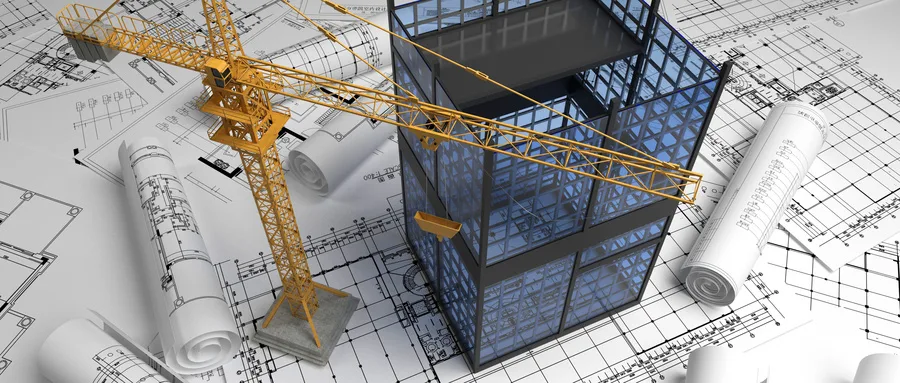
(1) BIM Modeling Rules: Based on the actual project conditions, establish fundamental rules for model creation. These should cover the naming conventions for building models, principles for dividing models, the distribution of model coordinate systems, and the naming of project files.
(2) Naming Conventions for Building Components: Develop standardized naming methods for various building, structural, and MEP (mechanical, electrical, and plumbing) components. This should follow international classification frameworks, using classification coding to organize keywords for building components. It also enables tracking component usage through project code classification during storage.
(3) Parameter Settings for Building Components: Different building components require distinct parameter settings within the BIM model. Naming and property assignment rules should be simple, intuitive, and clear. These settings must allow for component quantity statistics while ensuring recognition by BIM software systems.
(4) Spatial Relationship Rules for Building Components: When building BIM models, coordinate systems must be established to define the spatial positions of various components. This helps address issues such as model overlap, intersections, and collisions. For example, managing spatial relationships like the overlap between floor slabs and beams or the relative positioning of beams and columns within the model.
















Must log in before commenting!
Sign Up