
BIM technology, originally proposed by Autodesk in the United States for commercial purposes, stands for Building Information Modeling. Many beginners mistakenly think BIM is software because using BIM technology requires specialized software such as Revit, Bentley, and Graphisoft from abroad, as well as BIM5D and Luban from China.
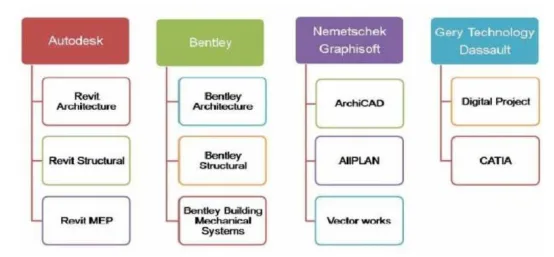
In reality, BIM is not software itself, but a digital concept, methodology, and technology used for managing building projects. BIM models represent and integrate unique attribute information—such as physical properties and geometric data—of all components or objects through parameterization. By creating a database, a digital information model is formed that can receive, process, and transmit data.
Using software, relevant information is assigned to each building component, and their relationships are modified to generate a reference file that spans the entire project lifecycle. According to the US national BIM standard, BIM is defined as the digital representation of all physical and functional characteristics of a construction project. It enables the sharing of project information and provides a reliable basis for decision-making throughout the lifecycle.
Different project participants can input, access, and modify BIM data at various stages, facilitating collaborative work within their respective roles.
Currently, there is an emerging concept called BIM+, which builds on the foundation of BIM technology. By integrating cloud computing, the Internet of Things (IoT), big data, GIS, and other technologies, BIM+ expands BIM’s functionality, enabling real-time digitization and visualization of the entire project process.
BIM+ represents an upgrade to traditional BIM technology and serves as a digital and intelligent approach for design, construction, operation, and maintenance management. It effectively addresses the limitations of using BIM technology alone and offers a more advanced information management platform.
















Must log in before commenting!
Sign Up