
Components serve as the fundamental building blocks within a component library. This library encompasses the entire collection of component systems, providing a platform for developers to publish their component systems while enabling users to easily find and select the components they need.
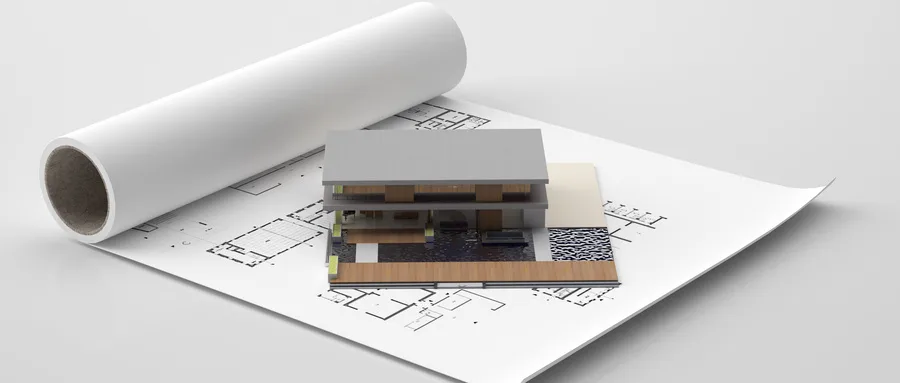
The BIM component library leverages BIM collaborative software to assign relevant parameters and manually build a “family” library. This library serves as a standardized foundation for various prefabricated components such as water meters, power supplies, air ducts, windows, doors, and column heads. By comparing similar “families,” standardized configurations are achieved. As the number of specifications, types, and quantities of components grows, standardized component library files are developed from the surface, eventually creating parameterized units used throughout the model construction process.
When constructing BIM models for prefabricated residential buildings, BIM teams can select, edit, and retrieve information on the design, dimensions, form, and performance of components directly from the component library. This approach significantly enhances BIM modeling efficiency. The component library is organized into two levels based on its scope of use: project-level and enterprise-level libraries. Additionally, it is categorized by professional discipline during construction into equipment, structural, and architectural specialties. Common components used in each discipline include:
(1) Architectural Engineering: site elements, railings, balconies, roofs, staircases, curtain walls, doors, walls, windows, and more.
(2) Structural Engineering: structural connections, rebar shapes, foundations, openings, scaffolding, floor slabs, beams, columns, and related elements.
(3) Equipment Engineering: Electrical fire protection, heating, and water supply and drainage components. Common HVAC components include electric air valves, air conditioning cabinets, chillers, variable diameter pipes, louver vents, and static pressure boxes. Typical water supply and drainage elements consist of toilets, urinals, elbows, gate valves, butterfly valves, and water meters. Frequently used electrical fire protection components include fire hydrants, fire vents, power distribution boxes, emergency lighting devices, lamps, and wiring conduits.
















Must log in before commenting!
Sign Up