
When discussing the application of BIM technology, most people immediately think of the design phase. During this stage, BIM is primarily used to deepen and optimize design details. However, beyond design enhancement, BIM also plays a crucial role in construction simulation.
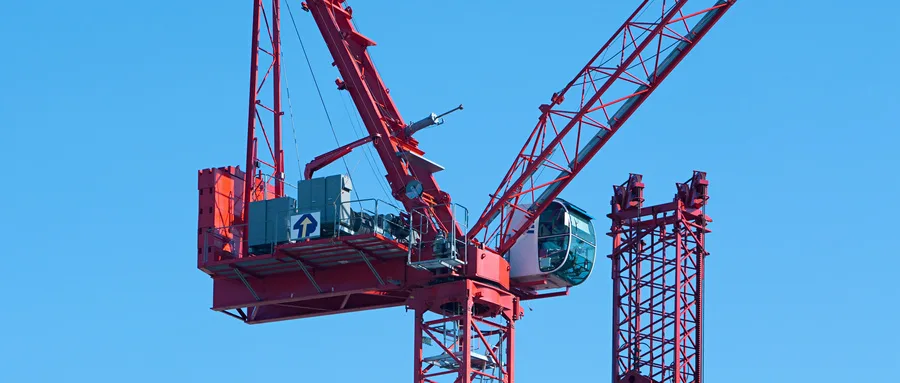
Construction simulation involves dynamically simulating a project by combining the schedule plan with a 3D model. This creates state models for various stages, allowing verification of whether the time parameters, task durations, and their logical relationships within the schedule are reasonable and accurate.
This process helps to verify and optimize the construction schedule effectively.
Visualization is the core feature of BIM technology. Unlike traditional 3D renderings, which only display design aesthetics without embedded information, BIM provides much more. Traditional models cannot simulate construction processes, energy efficiency measures, or detect collisions. BIM technology, however, opens new possibilities by integrating diverse data, enabling not only the visualization of abstract information but also dynamic representation of all interrelationships throughout the entire construction process.
During the mechanical and electrical design phase, BIM models can fully visualize pipelines based on their properties, connections, and site-specific data. This visualization capability supports comprehensive design, construction, operation, and maintenance under clear visual conditions. Applying BIM technology significantly reduces the required human, material, and financial resources, enhances construction efficiency, and shortens project timelines.
















Must log in before commenting!
Sign Up