
The construction stage is the most complex phase in the development of any construction project, involving various elements such as building and infrastructure works. To ensure smooth and efficient project progress, implementing BIM technology during construction is essential. BIM enables precise modeling of the construction site, offering critical support to workers throughout the process. This significantly reduces potential risks and helps maintain steady project advancement.
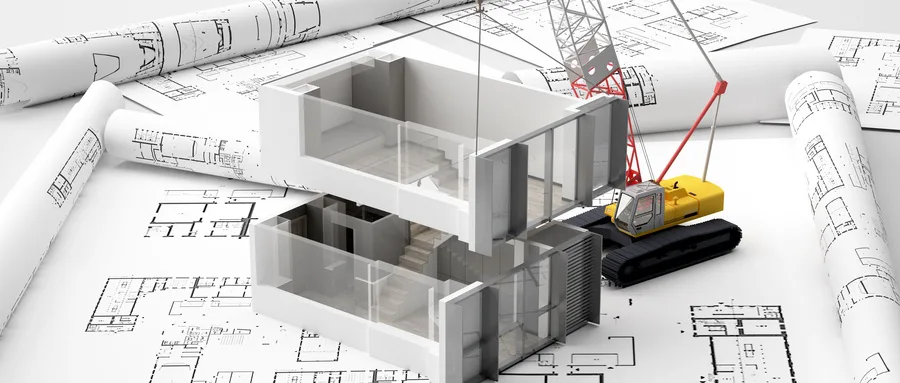
BIM technology supports ongoing adjustments and optimizations to construction plans through safety simulations. It strengthens coordination between personnel, workflows, equipment, and work surfaces involved in the construction process. This ensures maximum safety for both active work areas and public zones. Additionally, BIM can present the assembly sequence of project components via animation, summarizing key construction methods applied throughout the project.
By leveraging BIM, all project phases can be effectively coordinated and harmonized, facilitating the smooth operation of the entire construction process.
Moreover, BIM models enable timely identification and analysis of potential safety hazards during construction. These models are dynamic and must be regularly updated and refined based on real-time conditions.
Specifically, integrating BIM technology with project safety management involves several tools and techniques. Safety simulations are primarily executed using BIM models combined with 4D simulations. These include 4D sequencing, 3D walkthroughs, and 3D renderings to detect safety risks and inform the development of targeted safety measures. The key applications of BIM technology in safety planning include:
(1) Tower crane simulation is mainly conducted using Autodesk Navisworks software. This tool analyzes the complete building and tower crane models to simulate actual crane operations, determine safe distances between cranes and other equipment or structures, and ensure crane operation within a safe environment.
(2) BIM technology allows for detailed analysis of edge protection, hole protection, tower cranes, and other critical safety components. It visually highlights areas requiring protection and simulates protective measures to support the creation of effective safety plans. During the construction preparation phase, personnel can use BIM models for comprehensive data collection and assessment of every project element. This helps identify and clearly display parts that need protection, thereby maximizing worker safety by preventing exposure to potential hazards.
















Must log in before commenting!
Sign Up