
Leveraging the key features of BIM—visualization, coordination, simulation, optimization, and graphic representation—construction site safety management gains five significant advantages.
1) Visualization Benefits in Construction Safety Management
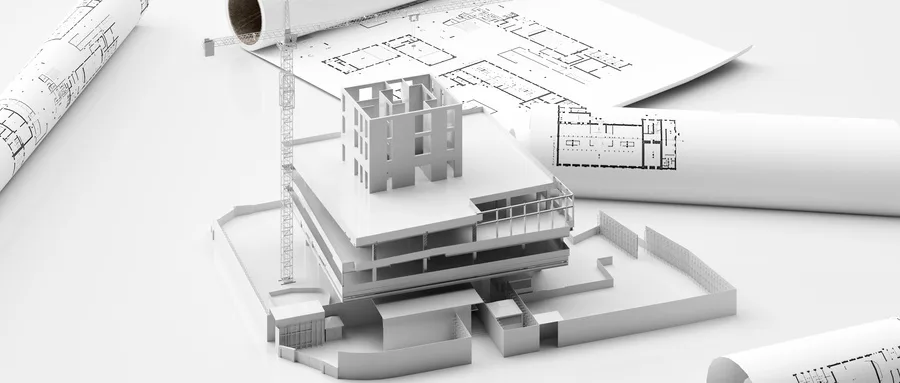
Traditional construction safety management primarily relies on subjective judgment and 2D drawings for internal communication and safety plan development. However, these 2D drawings often lack information completeness, limiting the effectiveness of safety plans. This makes it challenging for stakeholders to develop construction plans that truly reflect on-site conditions and ensure safety.
BIM technology addresses these challenges by providing clear and intuitive visualizations of safety hazards throughout the construction process. This enables safety plans to more accurately align with the actual construction environment, significantly improving safety management effectiveness.
2) Enhanced Coordination Through BIM
BIM excels at resolving conflicts and contradictions during the construction preparation phase by generating coordinated data that unifies different disciplines. Traditional safety management often depends on 2D drawings shared across specialties, which can lead to inconsistencies due to varying designer skill levels and information gaps.
With BIM support, coordination between different trades is streamlined, allowing for timely identification and resolution of safety hazards. For example, detecting pipeline routing conflicts near window openings is difficult with traditional methods. BIM, however, clearly reveals such issues, enabling prompt adjustments and ensuring smooth project progress.
3) Simulation Advantages for Safety Management
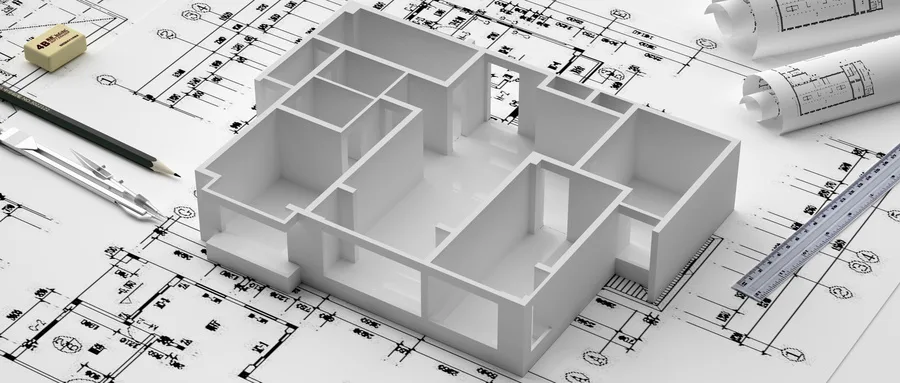
BIM’s simulation capabilities shine during the construction phase by enabling a virtual walkthrough of the entire process. This allows teams to adjust and optimize construction sequences before actual work begins. Moreover, simulation helps detect potential safety hazards early, facilitating timely solutions.
Additionally, BIM simulations play a vital role in raising safety awareness among all personnel involved by providing a clear understanding of risks and safety protocols.
4) Optimization Benefits in Safety Construction Management
BIM empowers safety managers to simulate, analyze, and experiment with various scenarios that might arise during construction. Based on these insights, they can refine safety management plans to better address potential risks.
While traditional construction management also involves plan adjustments, its processes tend to be less efficient. BIM significantly enhances this by streamlining optimization efforts, leading to faster and more effective safety improvements.
5) Graphic Representation Advantages in Safety Management
During construction, BIM facilitates the creation of detailed construction drawings, comprehensive piping layouts, structural openings, site plans, and safety signage layouts. Traditional methods relying on 2D drawings struggle to produce accurate 3D representations.
BIM’s vivid, three-dimensional graphics offer critical visual support that underpins effective safety management implementation, ensuring all safety measures are clearly communicated and understood.
















Must log in before commenting!
Sign Up