
01 Rural Construction’s ‘Law of Relationship’
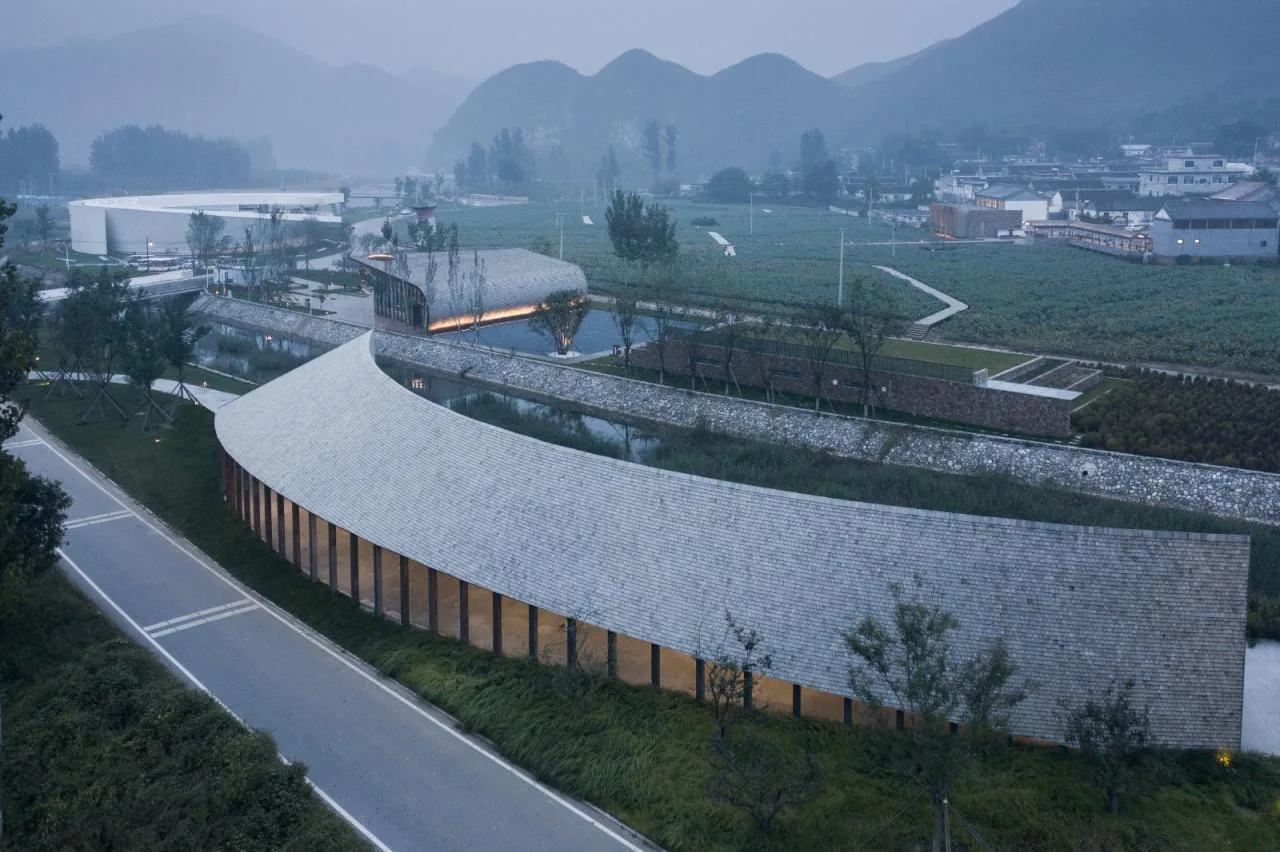
In rural settings, architecture often lacks respect for the land it occupies. Embracing this perspective, Kanlan Architecture aims to create a harmonious and thriving spirit throughout the overall planning, architectural design, and landscape of Tiangang Village. Rather than imposing formalistic or eccentric elements, the design seeks integration with its surroundings.
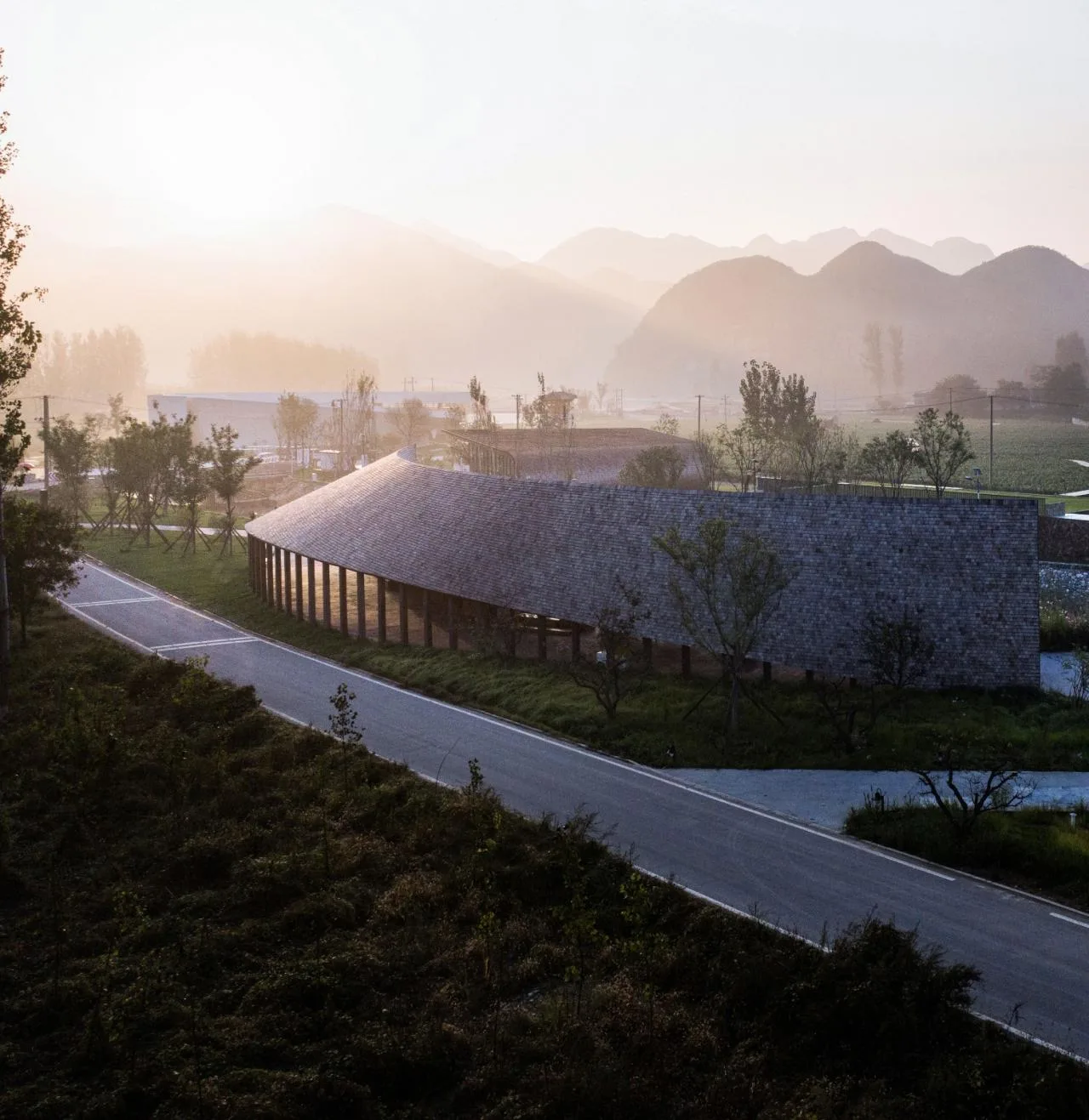
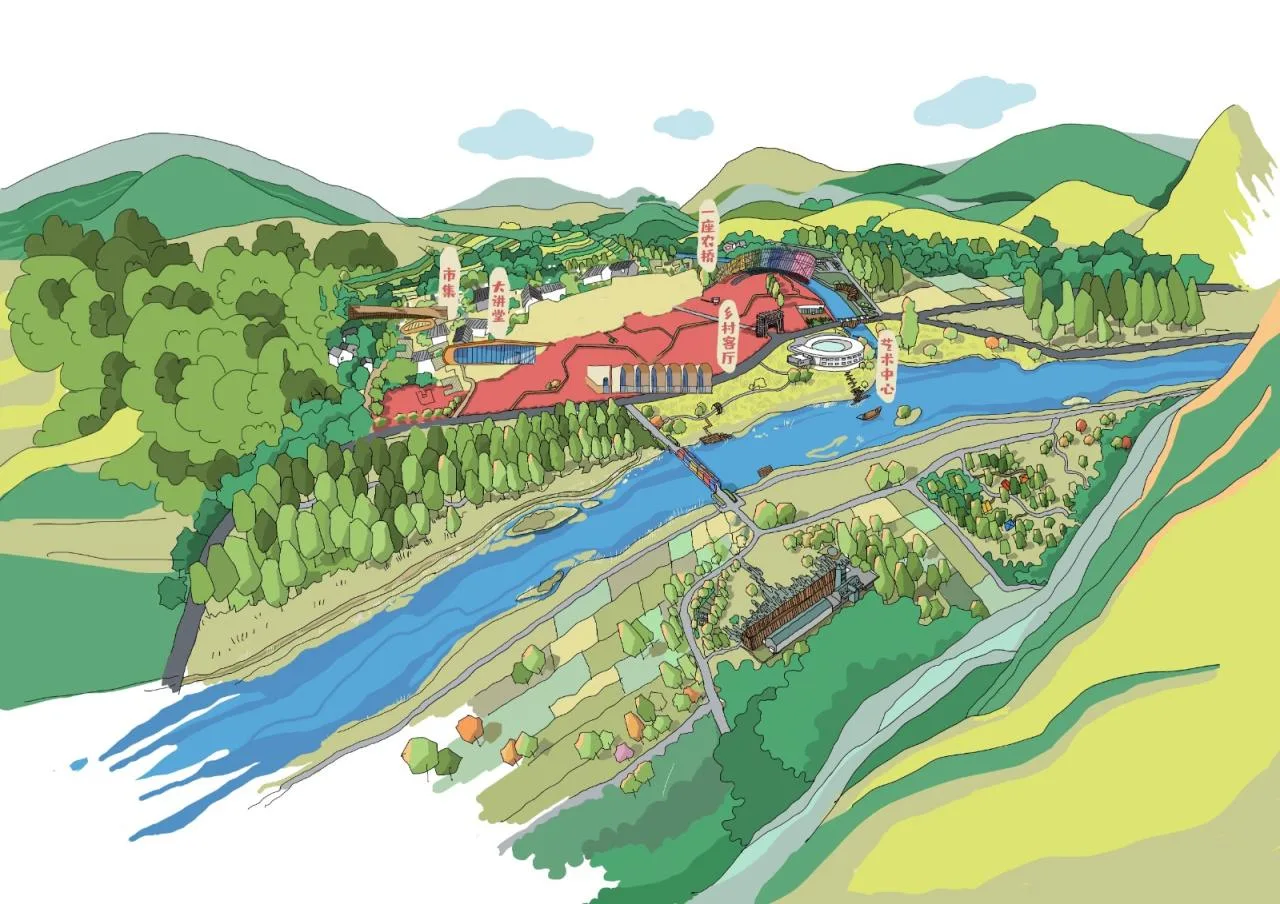
Nestled among mountains and flowing waters, Tiangang Village has only one fixed point — the “non-basic farmland” — framed by the blue architecture. With uncertain functions and architectural relationships ahead, the key challenge for designers was determining how to arrange buildings and structures to create a cohesive, closed-loop connection with the surrounding countryside.
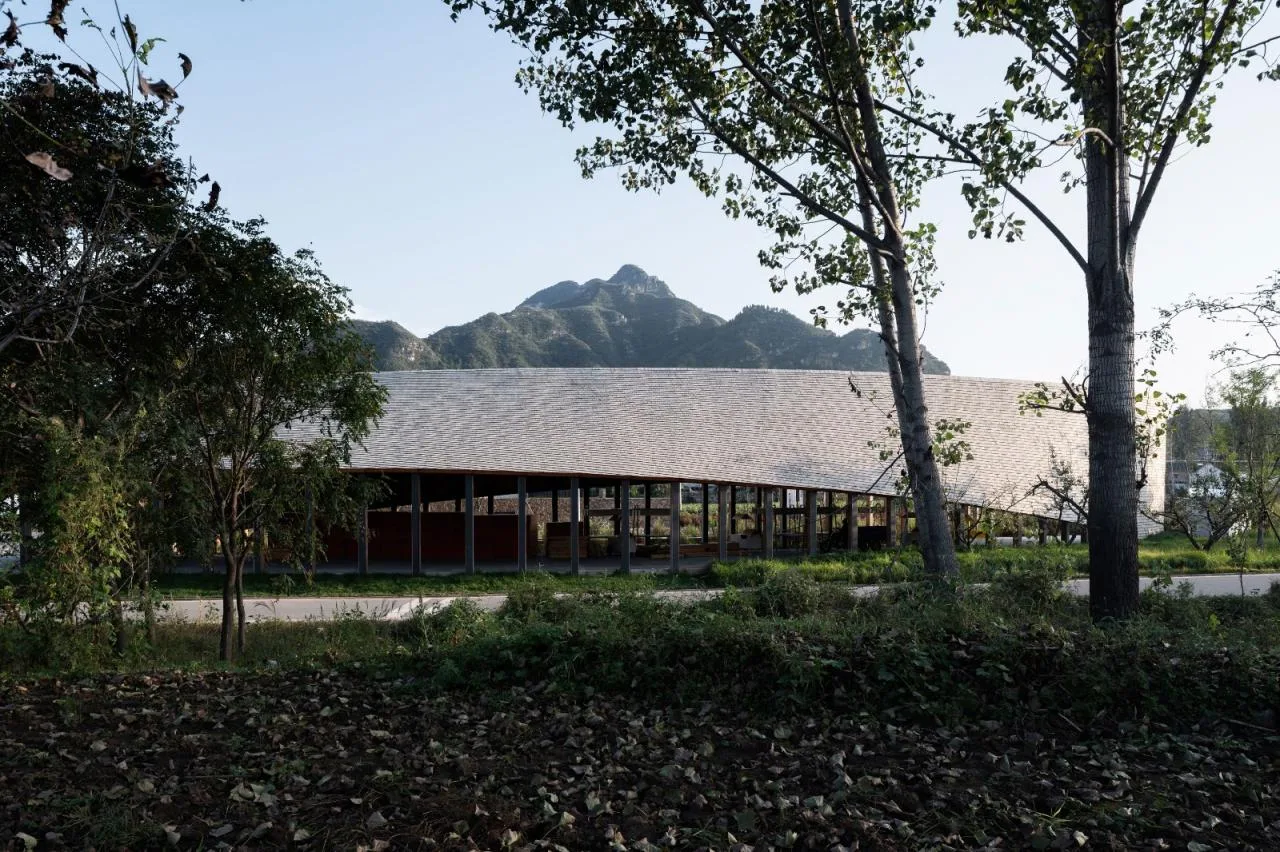
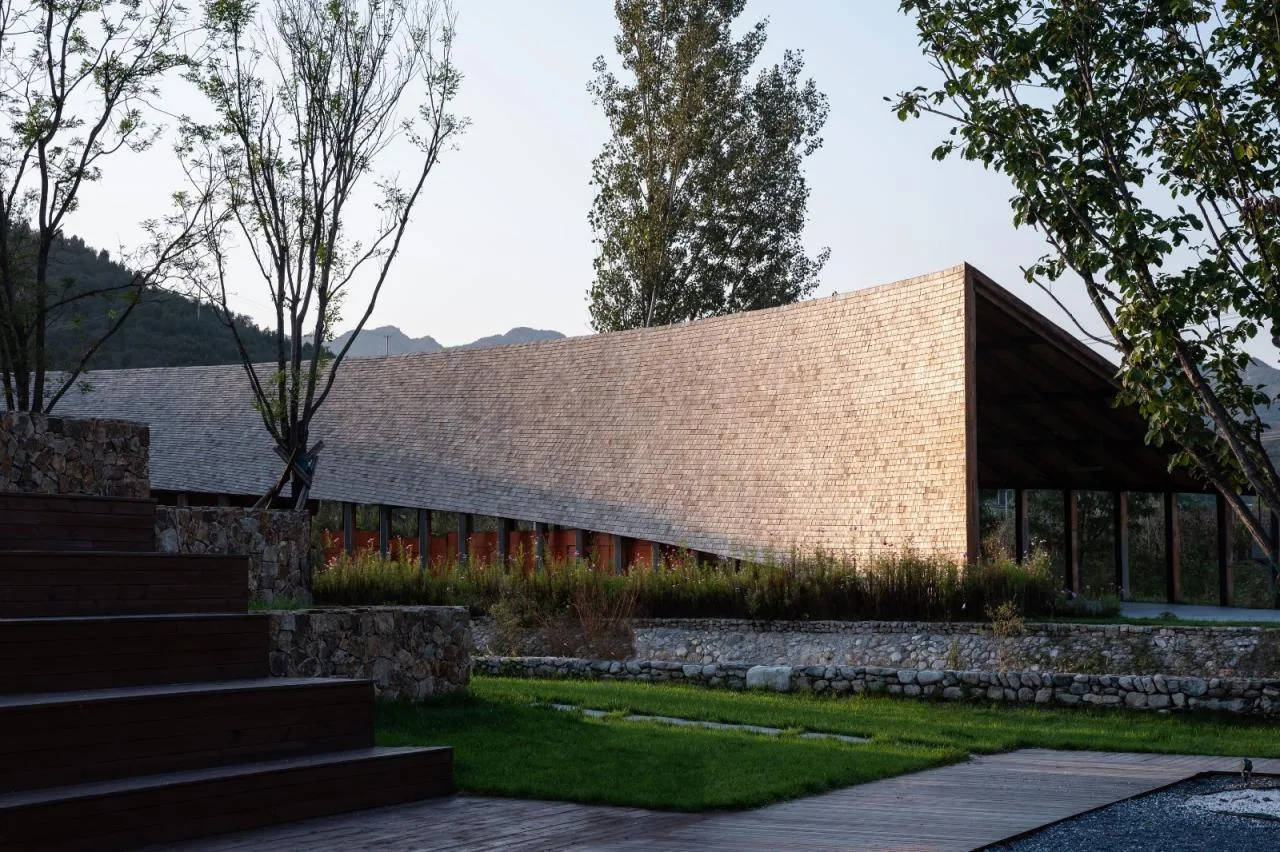
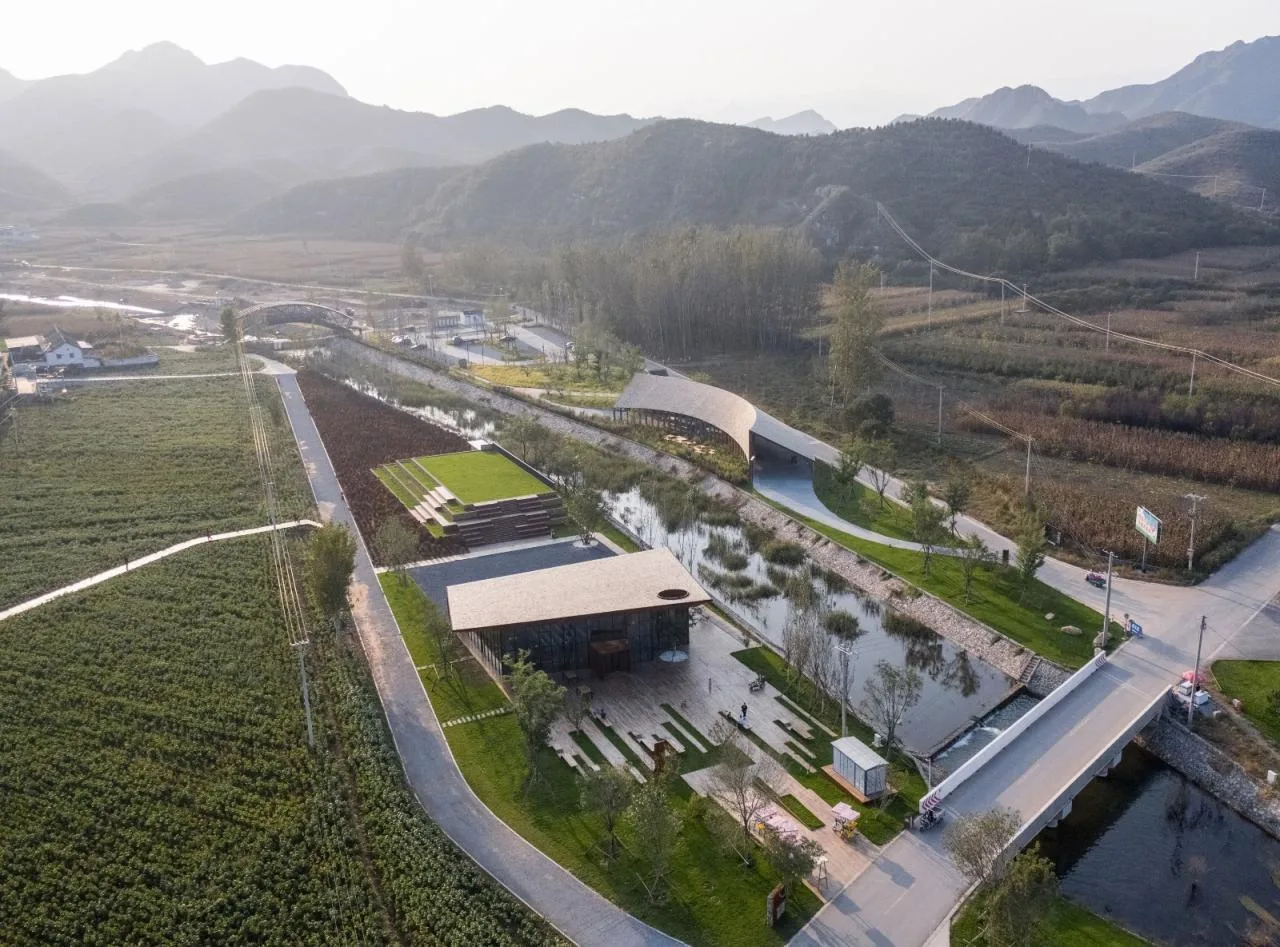
Upon entering Tiangang Zhixing Village, visitors are immediately greeted by the rural market. Together with an art installation, this area defines the form of the village’s entrance, presenting a modern and striking presence that signals the transformative changes underway. Serving as both a permanent and occasional marketplace, the rural market welcomes locals from nearby northern mountain villages and passing visitors alike, with accessibility as its core priority.
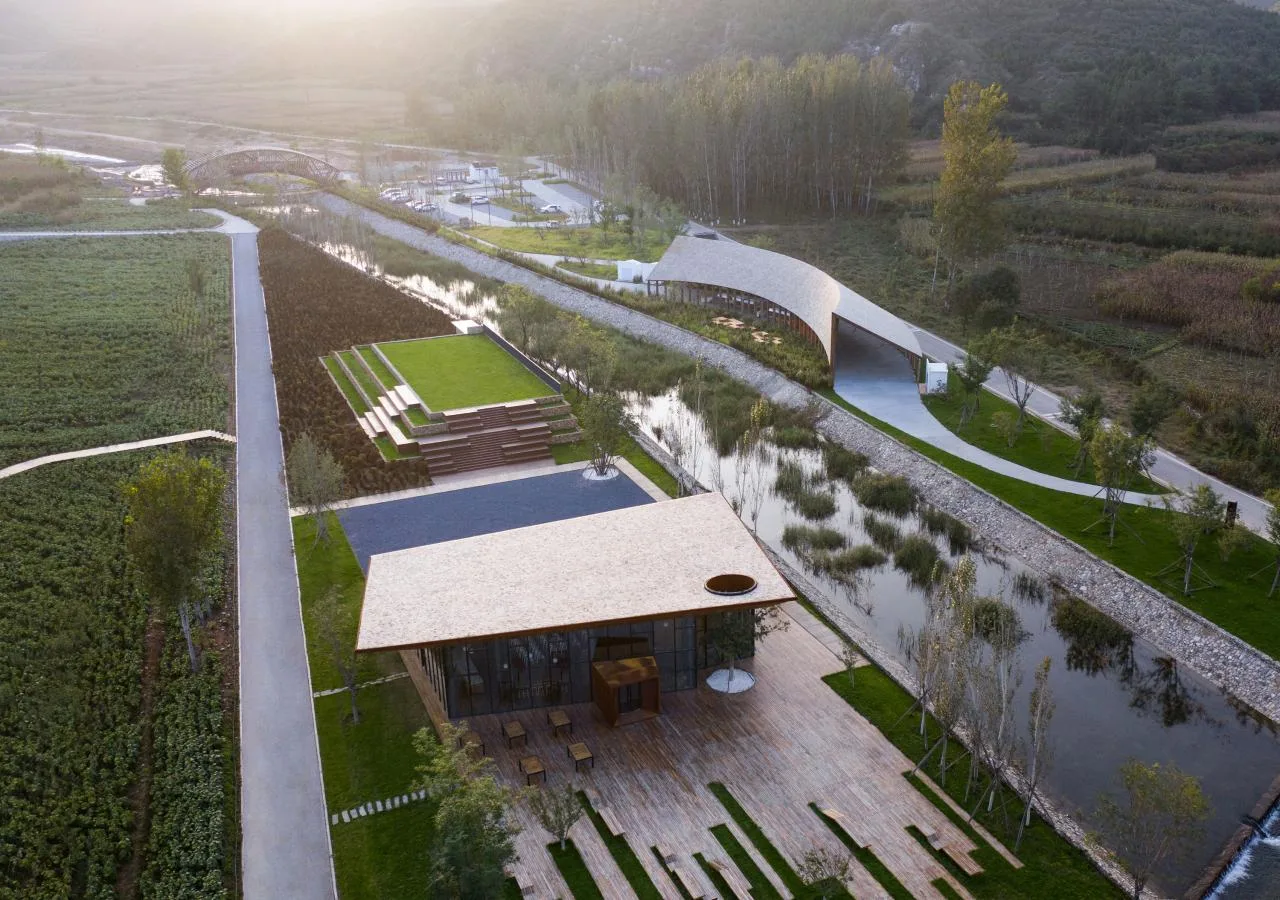
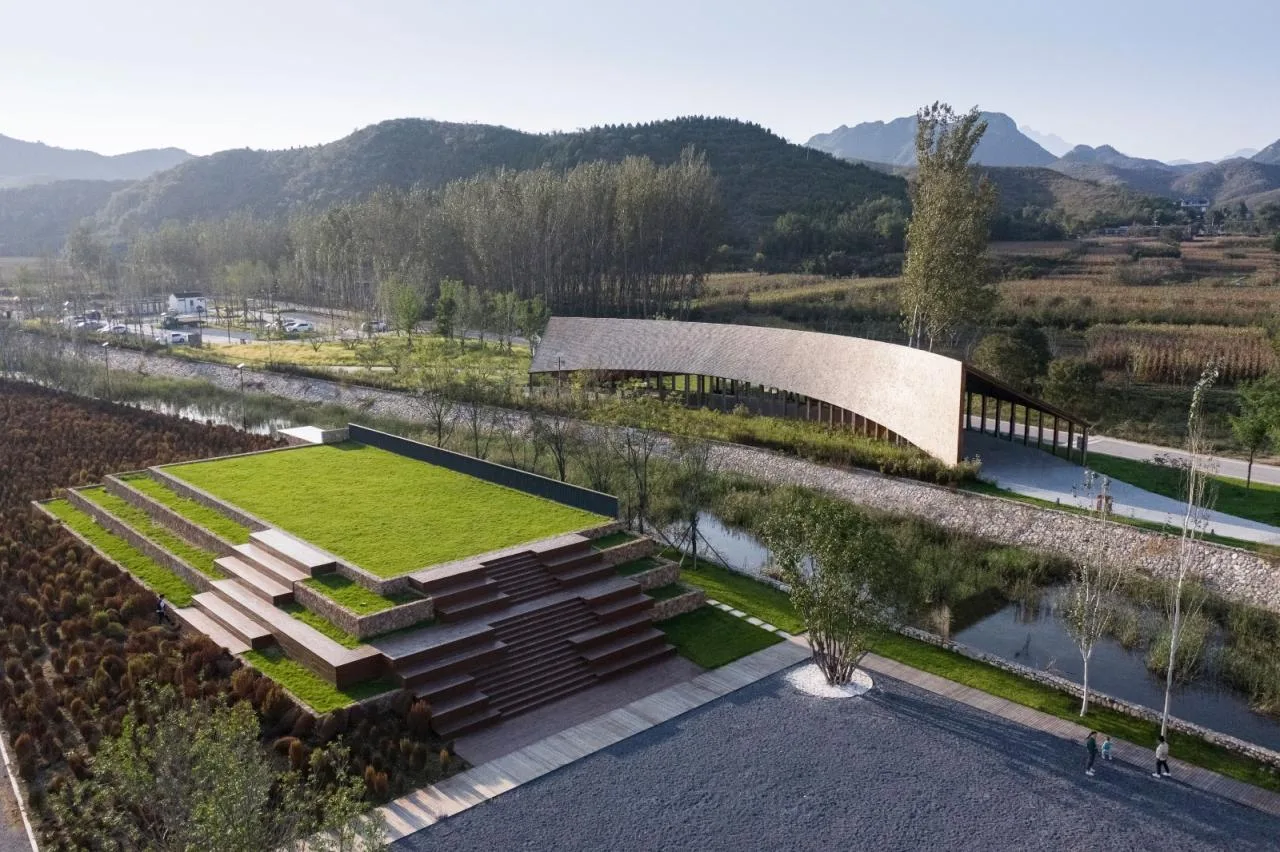
Across the river from the rural market stands the Rural Lecture Hall, located closer to the village core. This hall acts as a vital platform for exchanging information between the village and the outside world and serves as a key voice for rural revitalization efforts. Within the village, the art center, archway, and rural reception hall form a triangular spatial relationship, enclosing expansive scenic farmland and serving as a testing ground for “earth art.” Here, natural beauty and human creativity organically coexist and complement each other.
On the opposite side of the road, “Yinong Bridge” marks the exit of Tiangang Zhixing Village. This structure transforms a previously hazardous culvert bridge into an interactive, engaging “Bridge of Value.” It visually contrasts the vibrant environment of visiting outsiders with the simplicity of rural life, evoking an image of a “strange and diverse city” from afar. Upon crossing the bridge, visitors re-encounter the rural market, completing a closed-loop tourist route that integrates the village’s key sites.
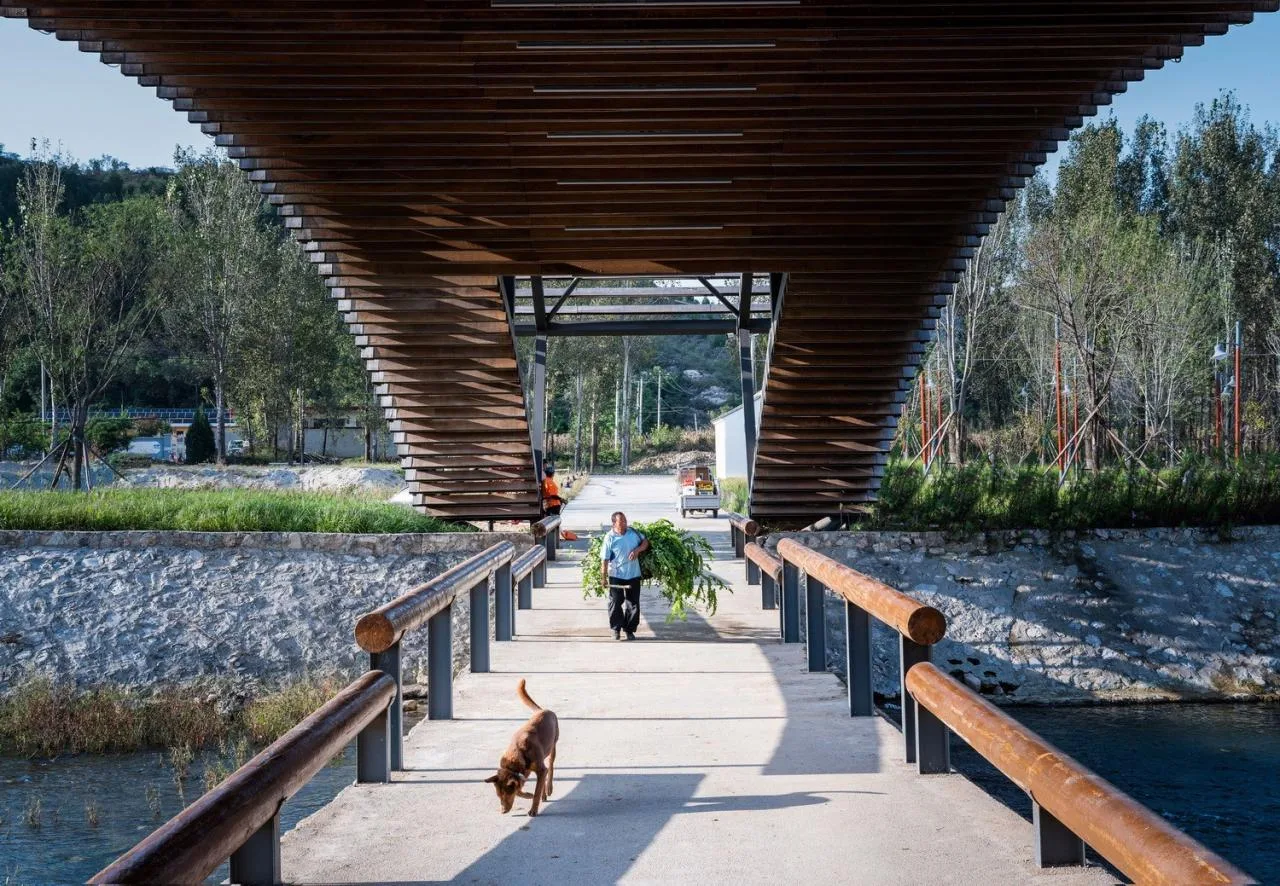
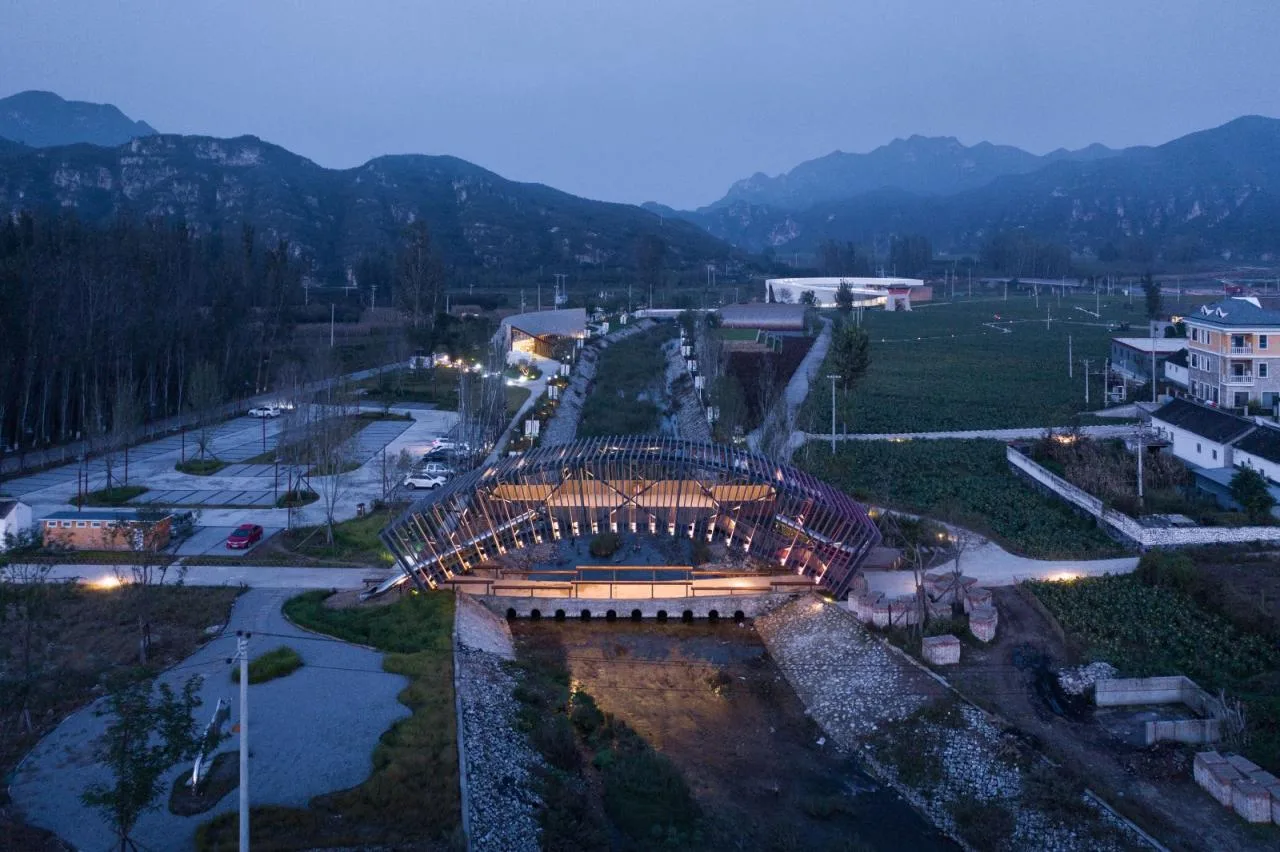
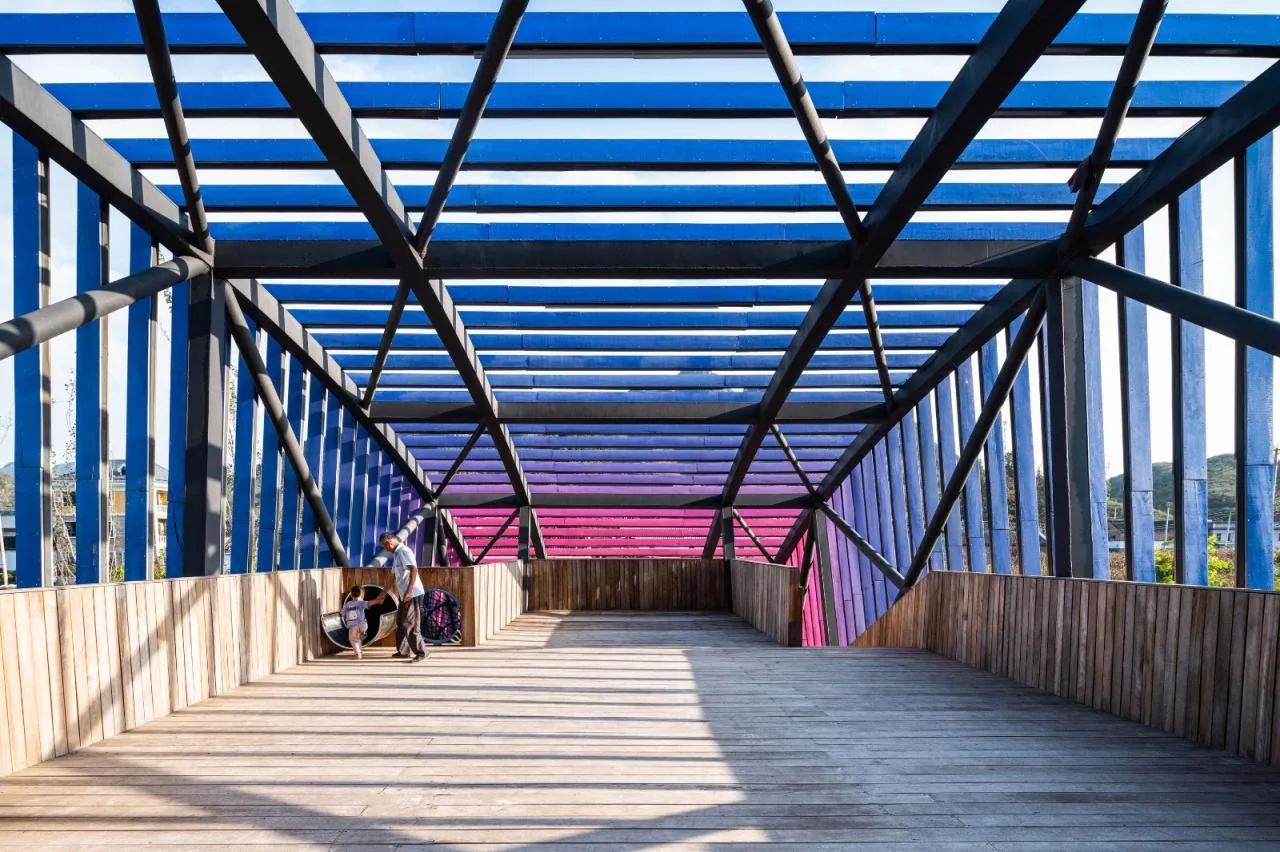
Kanlan Architecture links various functional spaces—such as the Tiangang Art Center, rural reception hall, rural market, and Rural Lecture Hall—via what they call the “most beautiful rural road.” Artist residencies are integrated throughout, using art and landscape to nurture rich connections between people and the land. This approach unites all forms with emotional experiences of warmth, intimacy, and heritage.
02 Rural Market “Made in One Stroke”
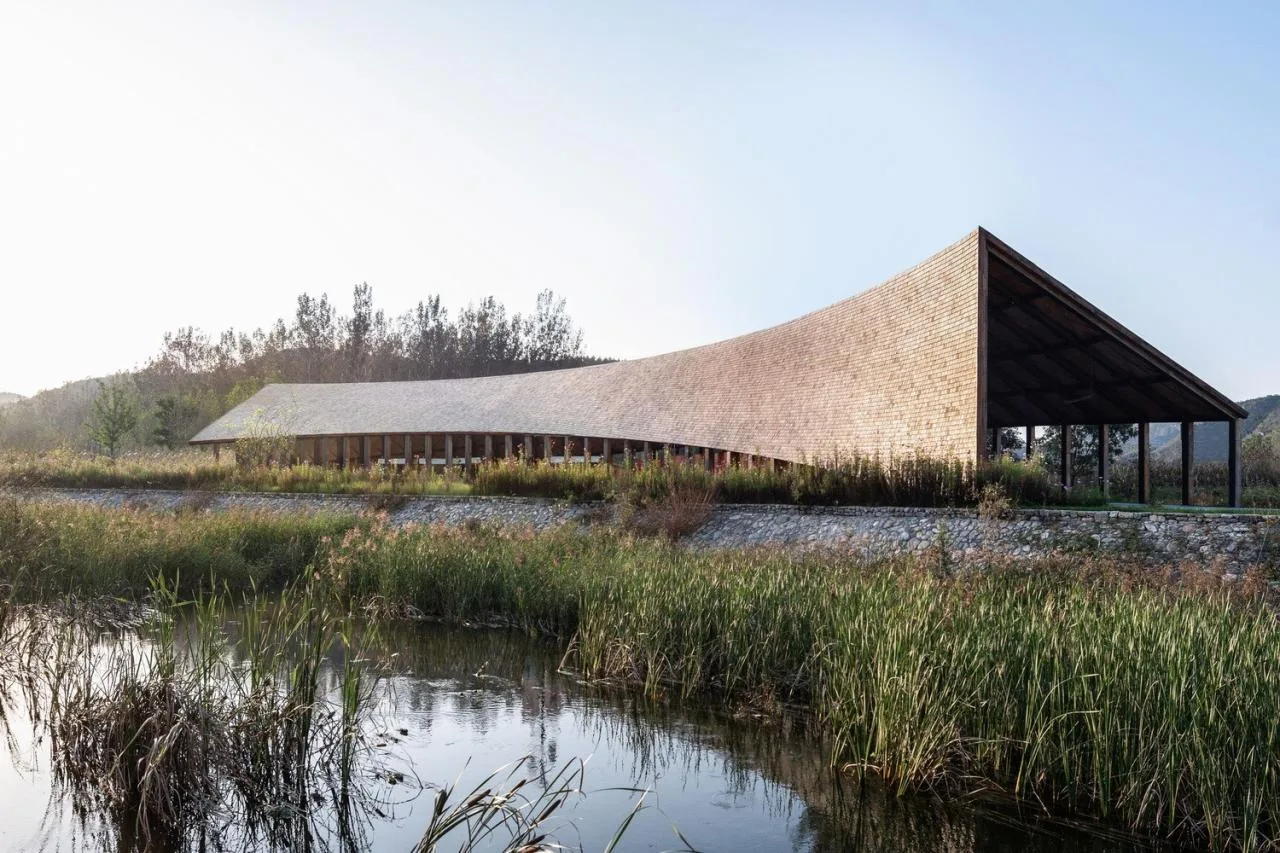
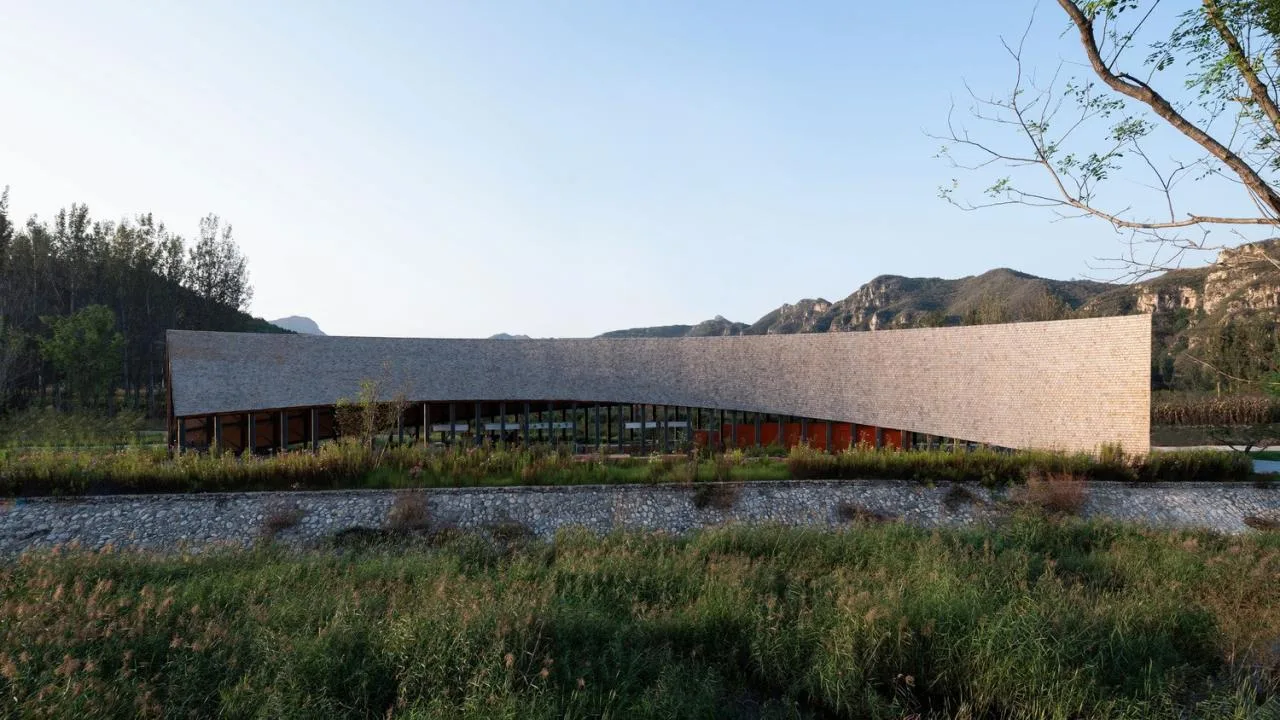
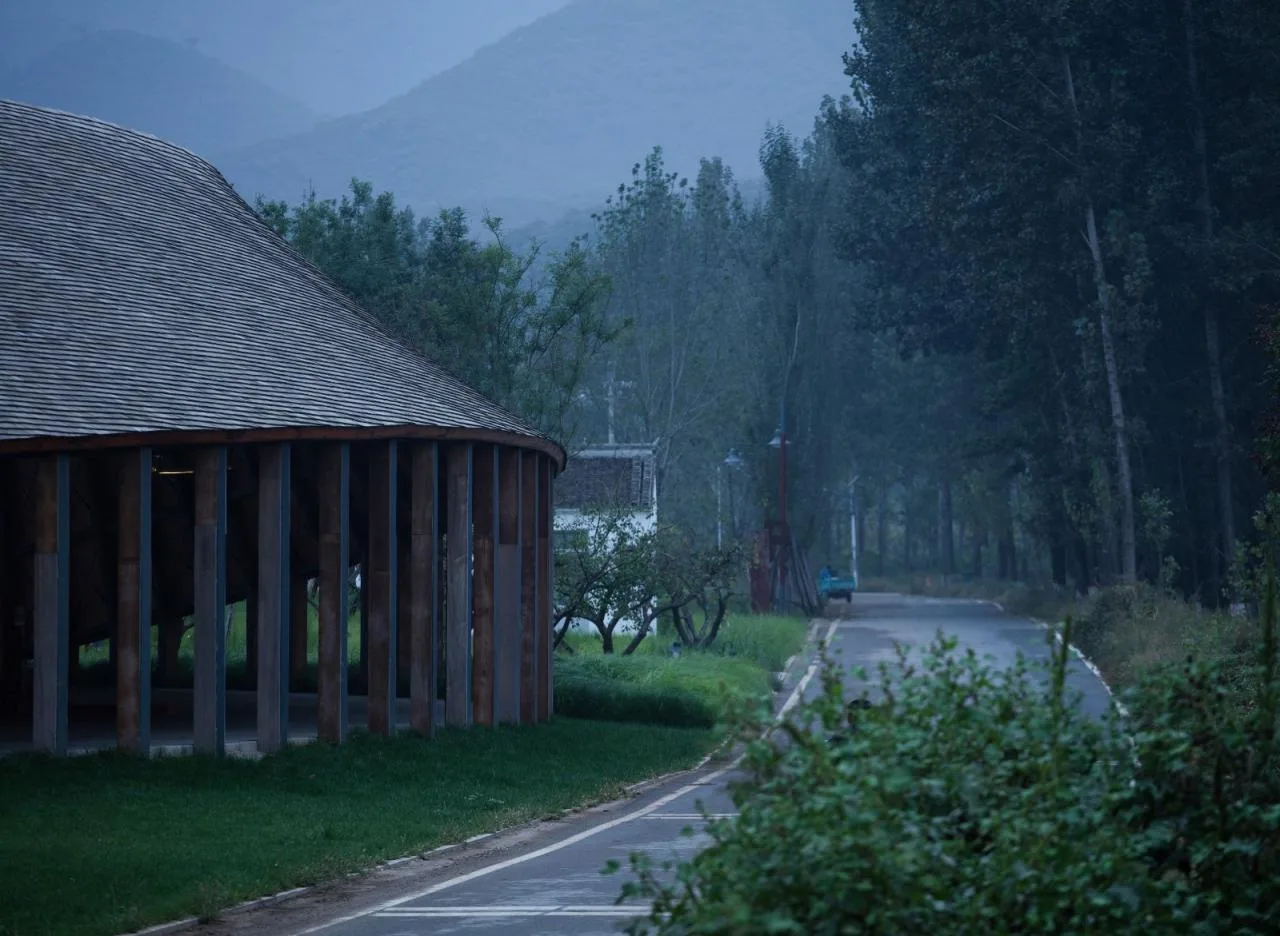
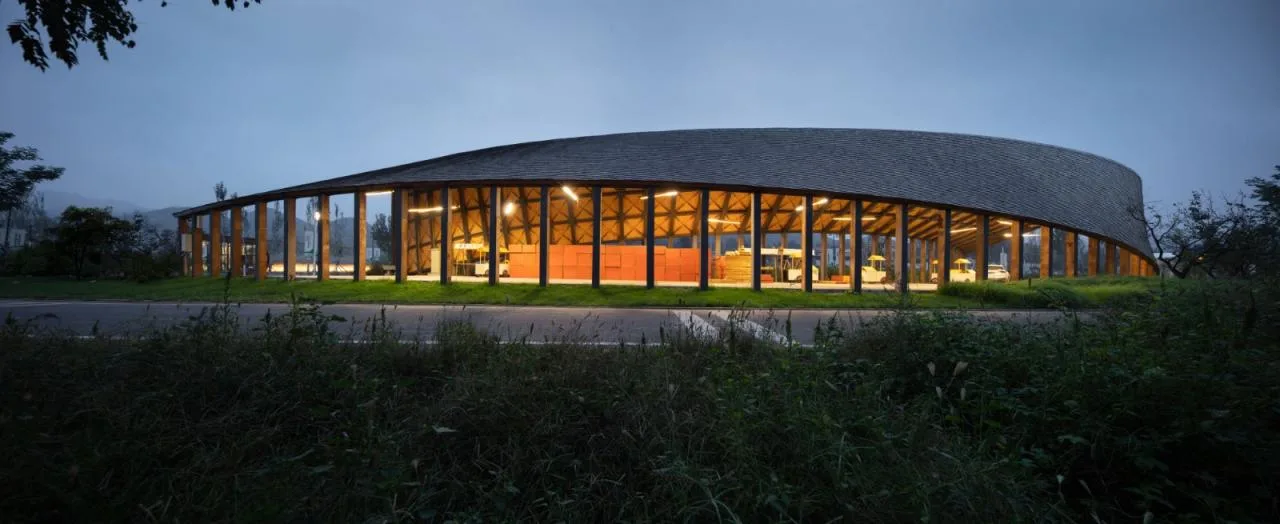
Designed with its location and function in mind, the rural market embodies “inclusiveness” — offering convenience and flexibility to accommodate varying crowd sizes and fostering connections between inside and outside. Architecturally, the market features a circular arc facing the village, creating an “outer market” near the river that complements the “inner market” sheltered under the eaves, enriching its uses.
The curved path opposite the external road acts as a “safety signal,” reminding visitors to maintain distance from the lane.
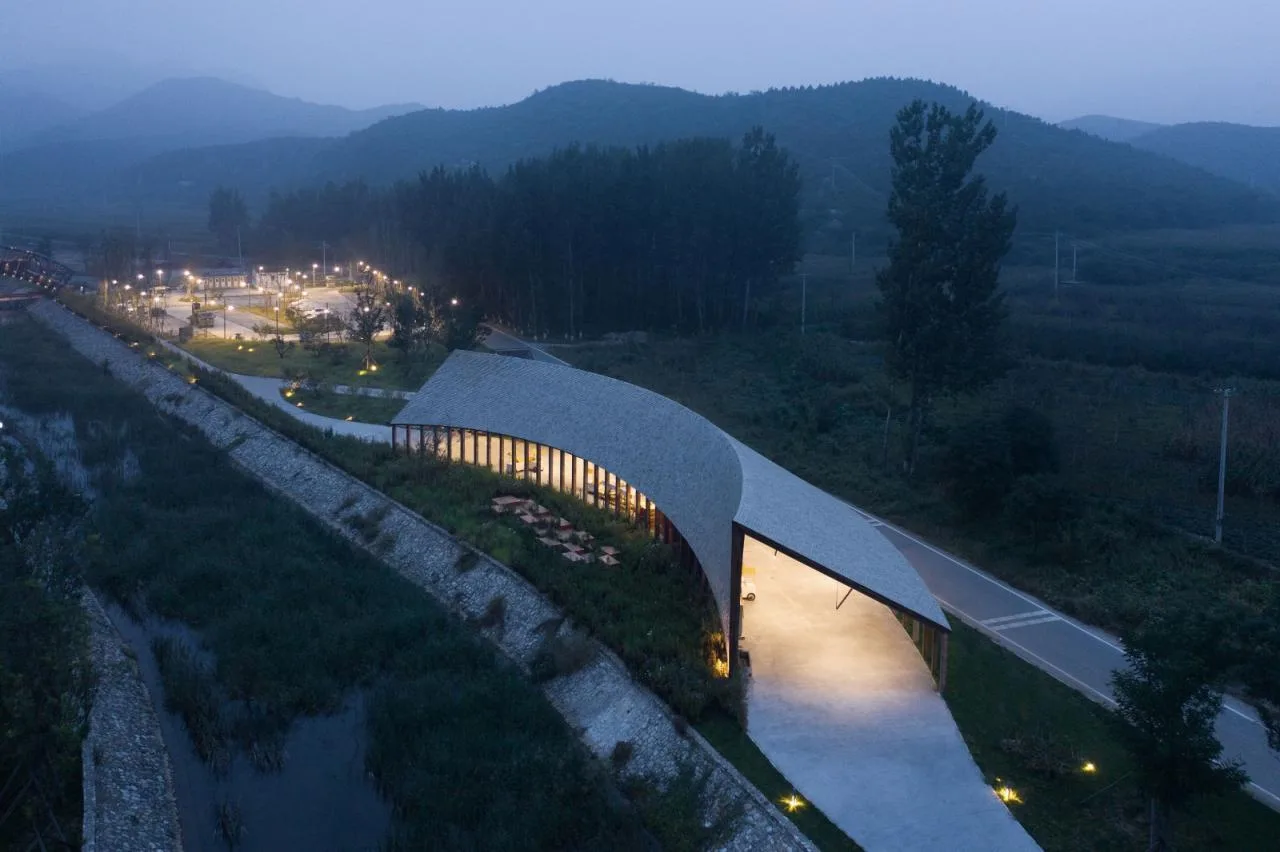
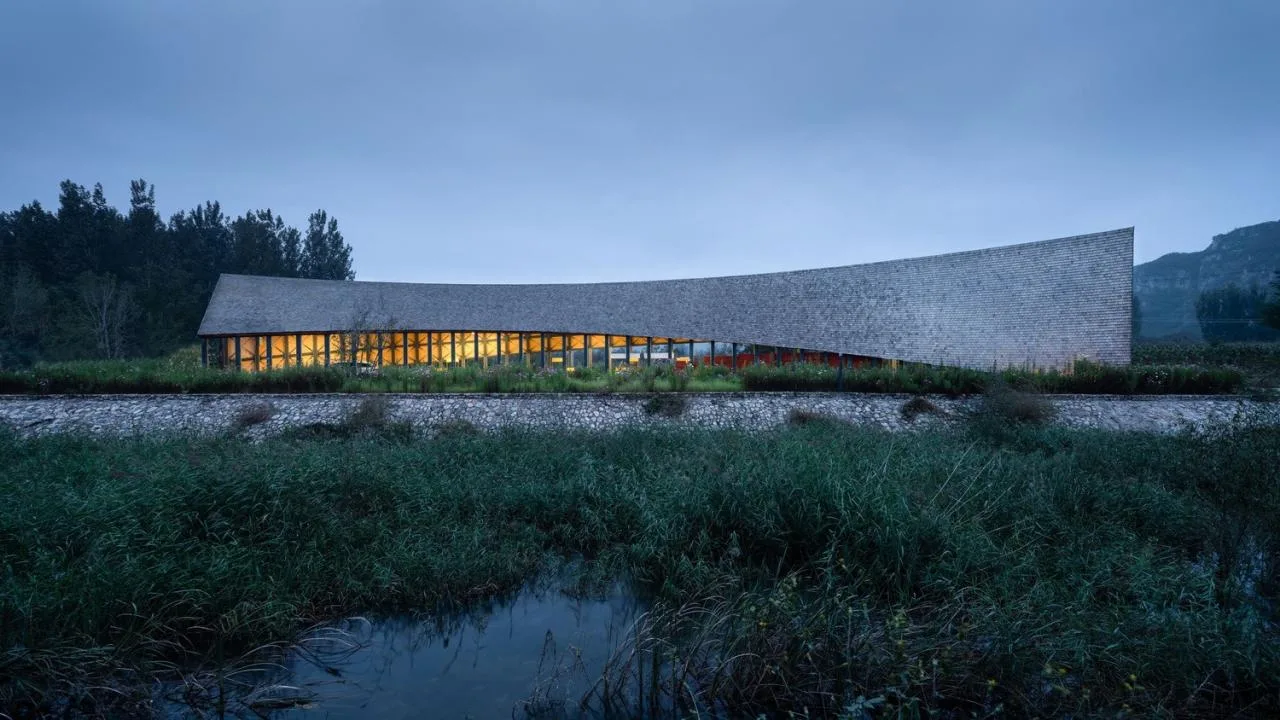
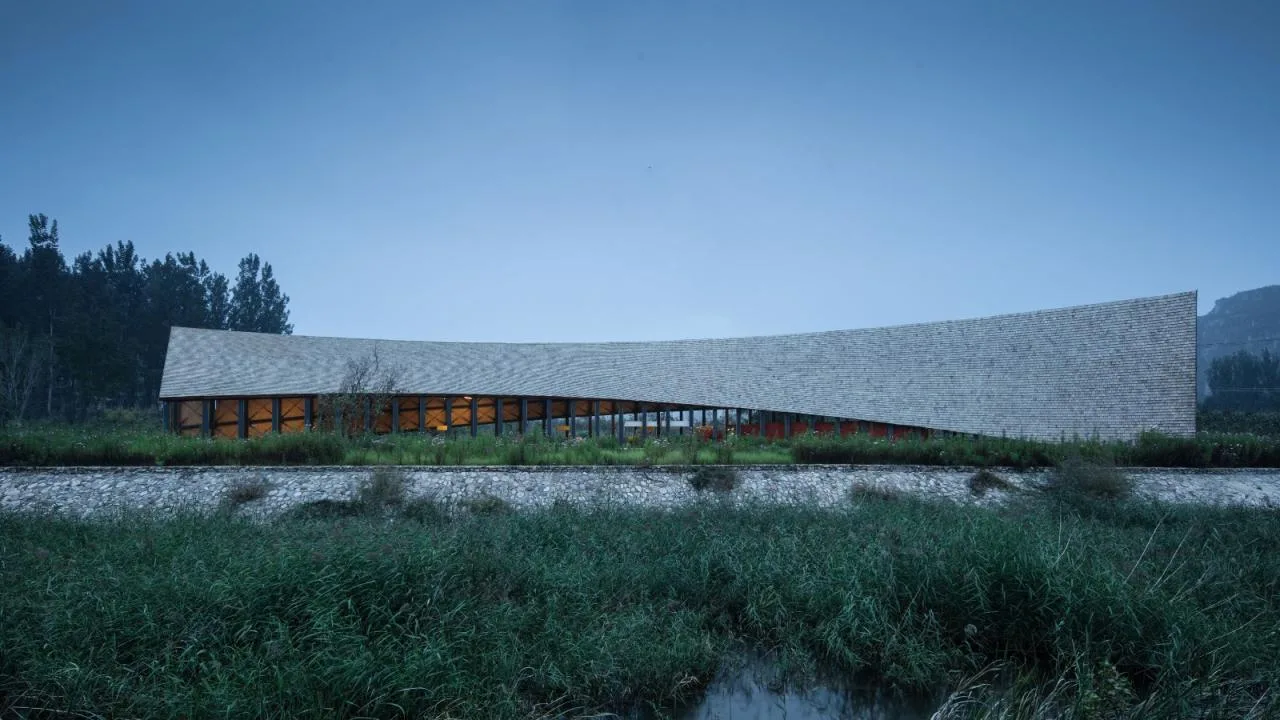
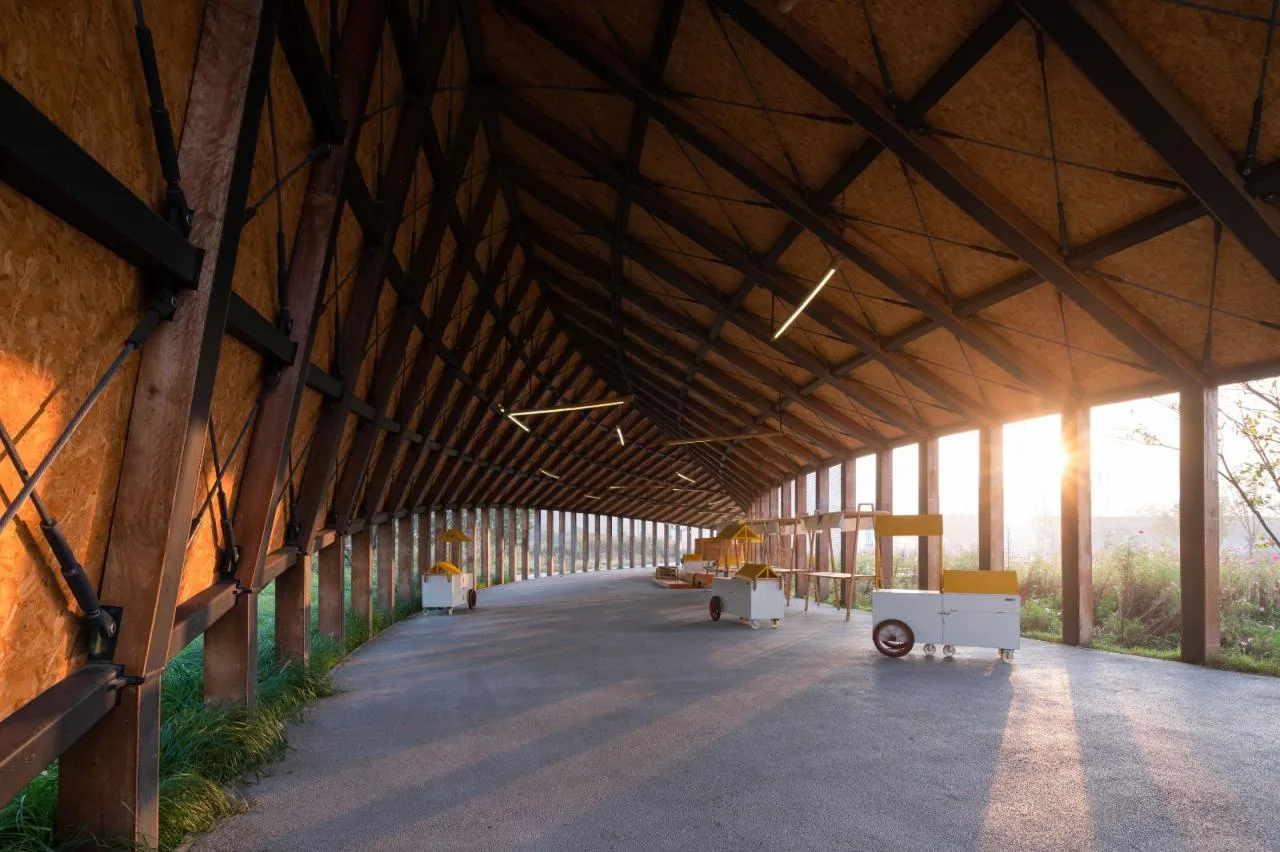
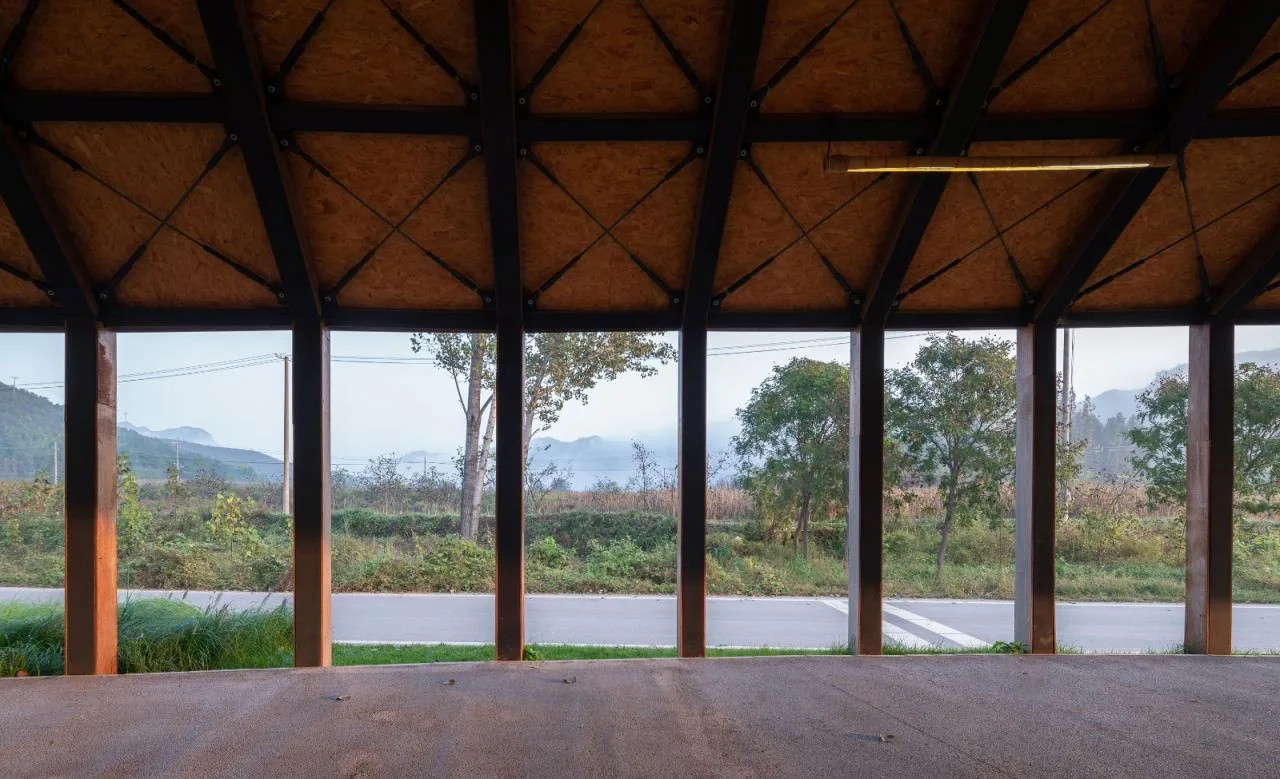
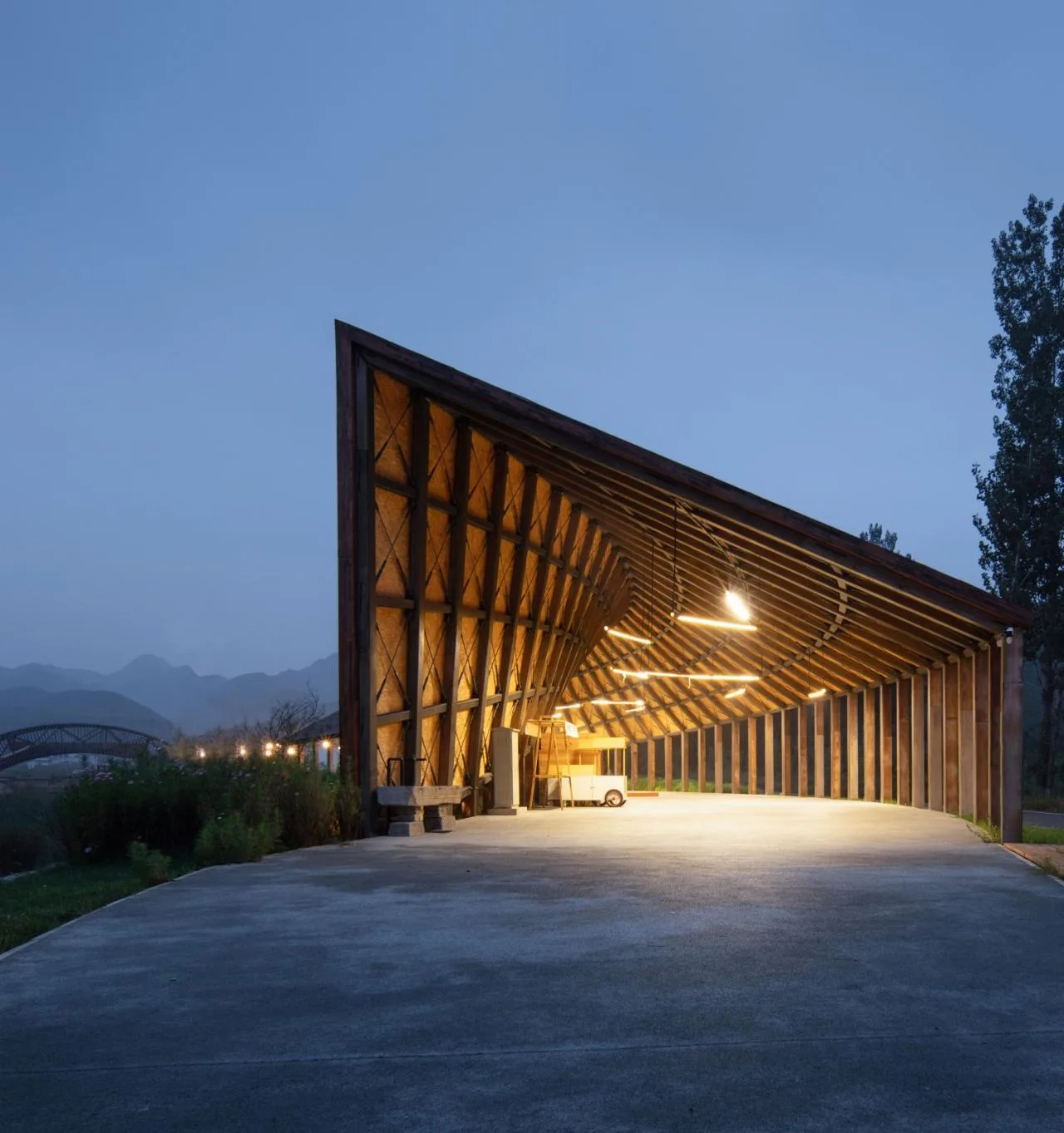
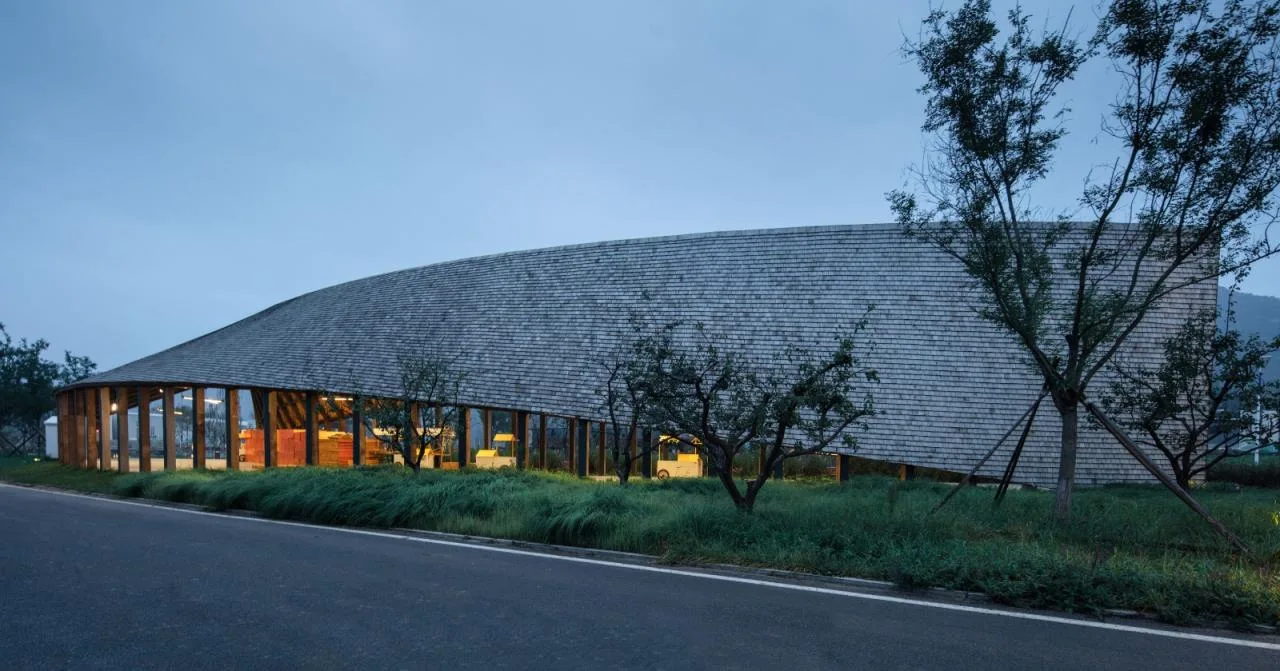
The market’s structure is composed of circular columns linked by a ridge supporting two curved surfaces. One end anchors to the ground, while the other leaves a gap facing outward. Its inclined design prevents snow accumulation and reduces roof load. A steel frame with supporting cables holds up the grey canopy like wings, providing shelter against wind and rain. The evenly spaced columns create subtle shifts in spatial rhythm, blending aesthetics with practical function.
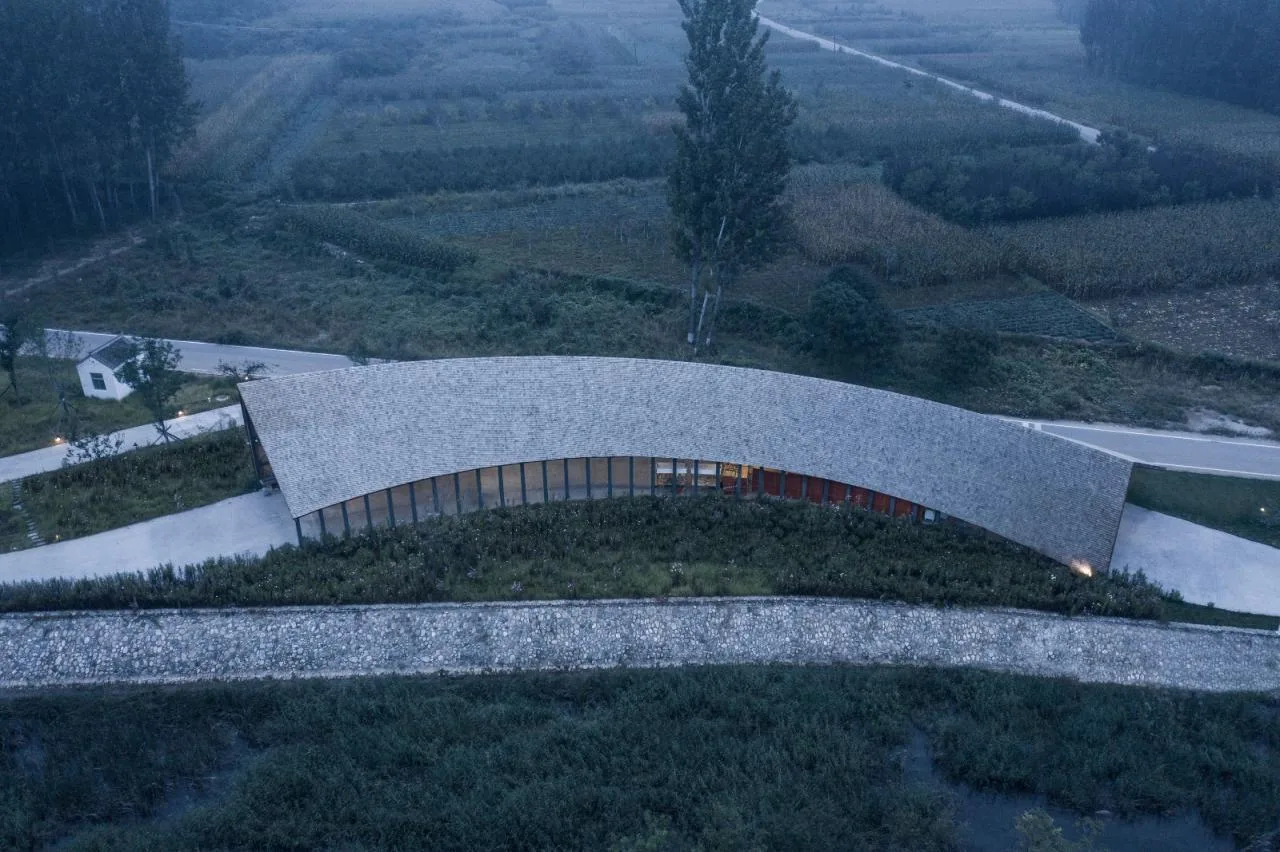
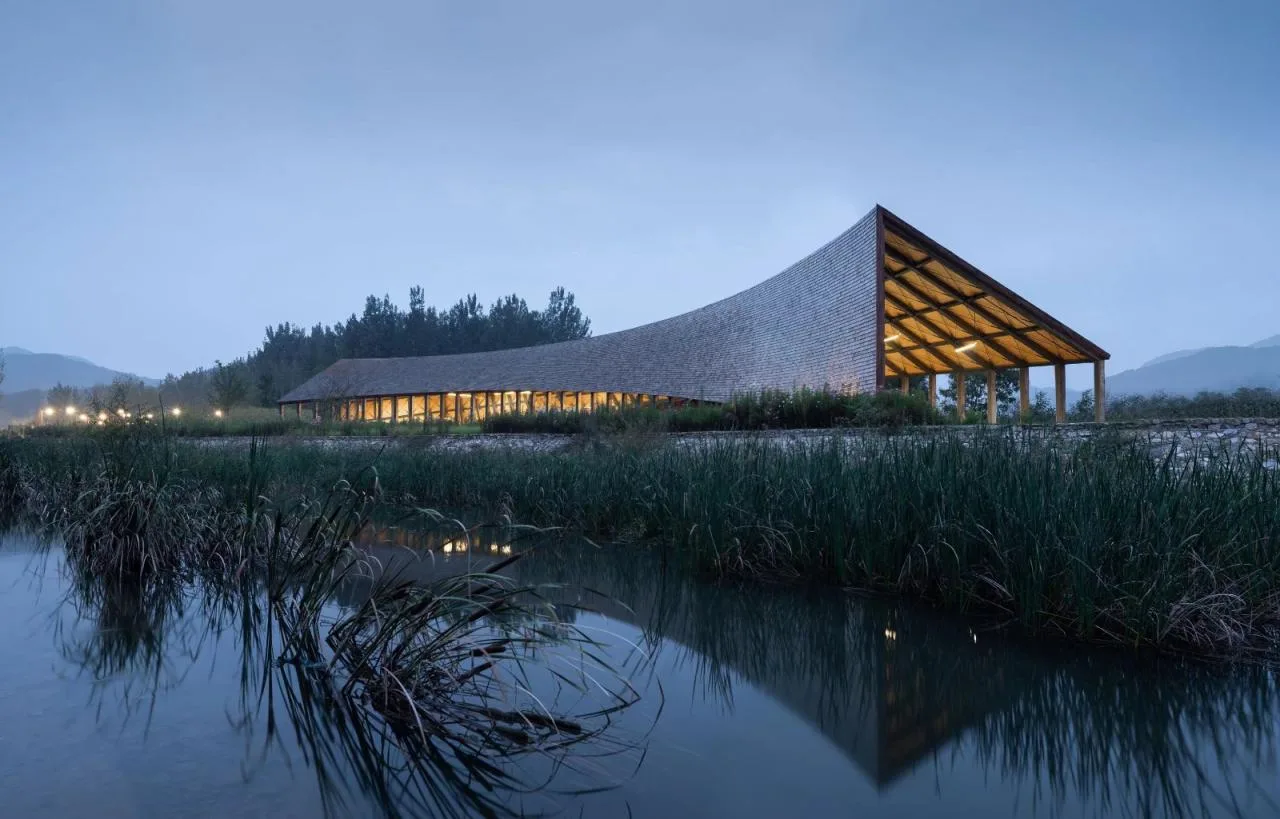
This pavilion-like building seamlessly integrates with the surrounding natural vegetation, using materials sourced from nature. The roof is clad with wooden tiles commonly found in rural construction, establishing the building’s rustic character. In the middle, unadorned wheat straw boards and exposed steel structures highlight the raw, natural aesthetic. Beneath, bamboo chandeliers evoke the warmth of rural life. The wooden market platform at the base is adaptable, allowing flexible arrangements—scattered or combined, high or low—to suit various functions and settings.
03 Inspiring the Endogenous Power of Rural Areas
At the building’s end, a primitive stone washbasin meets the water needs of market visitors, offering a rustic feel with its rough texture. As a “forced gathering place,” this washbasin encourages social interaction by evoking memories of the centralized water taps from the commune era, where multiple people would gather to fetch water.
The rural market’s function is deeply rooted in the unique folk culture of Tiangang Village, with its operations entrusted to local residents. Through spontaneous community trading, locals and visitors connect, build trust, and develop new, personal relationships. This dynamic fosters a link between Tiangang Zhixing Village and the external world. Kanlan Architecture envisions that the village will harness its internal vitality through continuous visitor engagement and evolving commercial models.
Project Drawings
△ Hand-drawn sketch
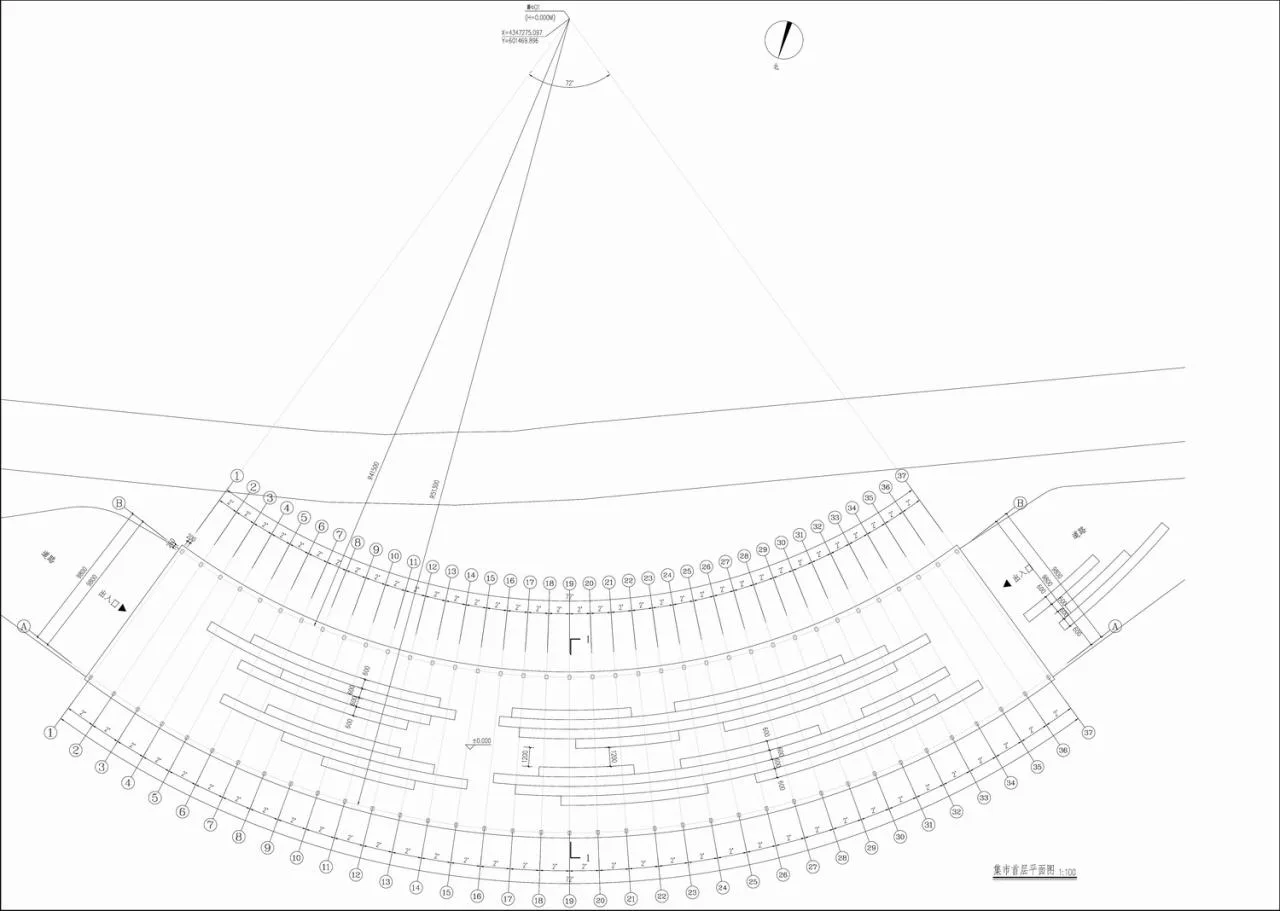
△ First floor plan
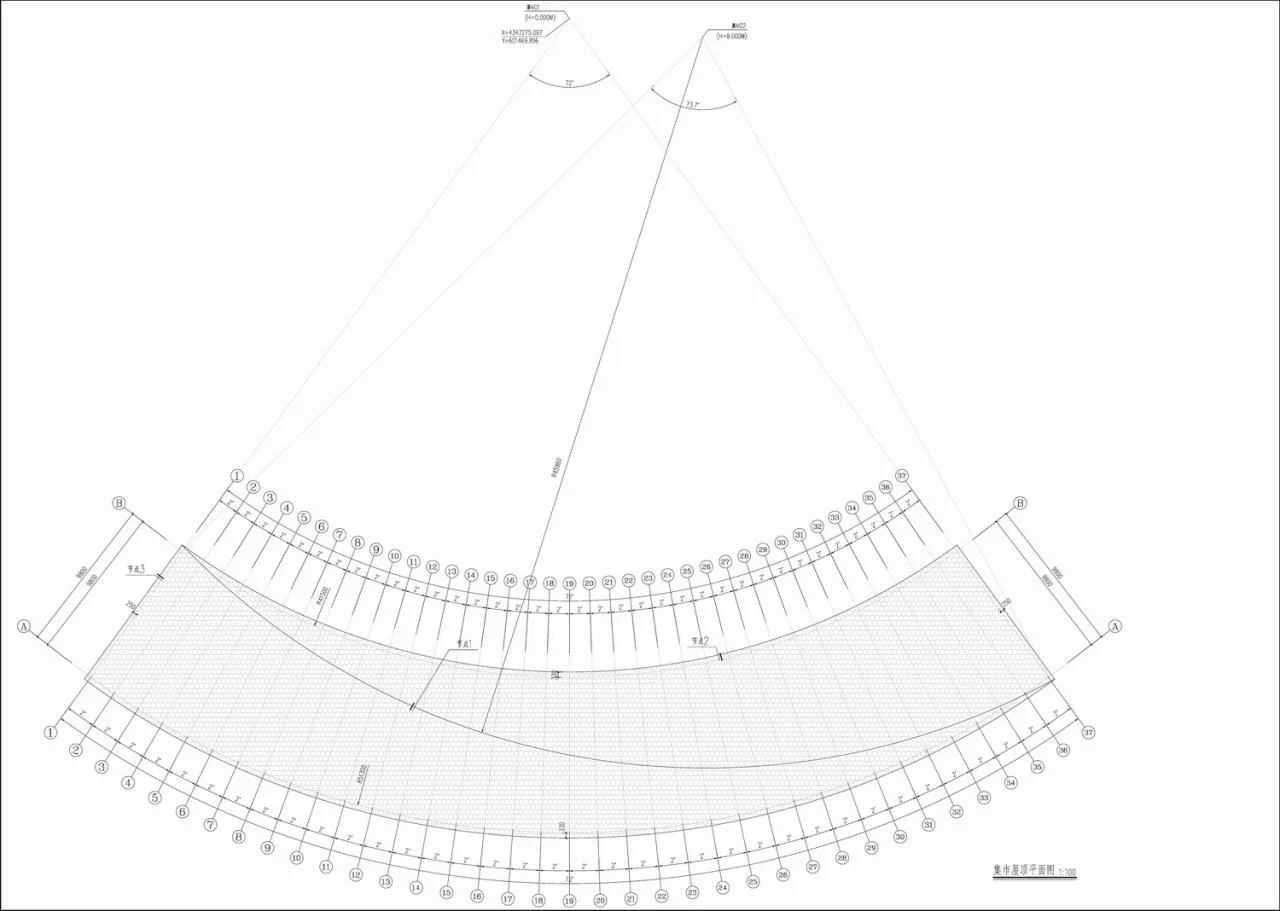
△ Top floor plan
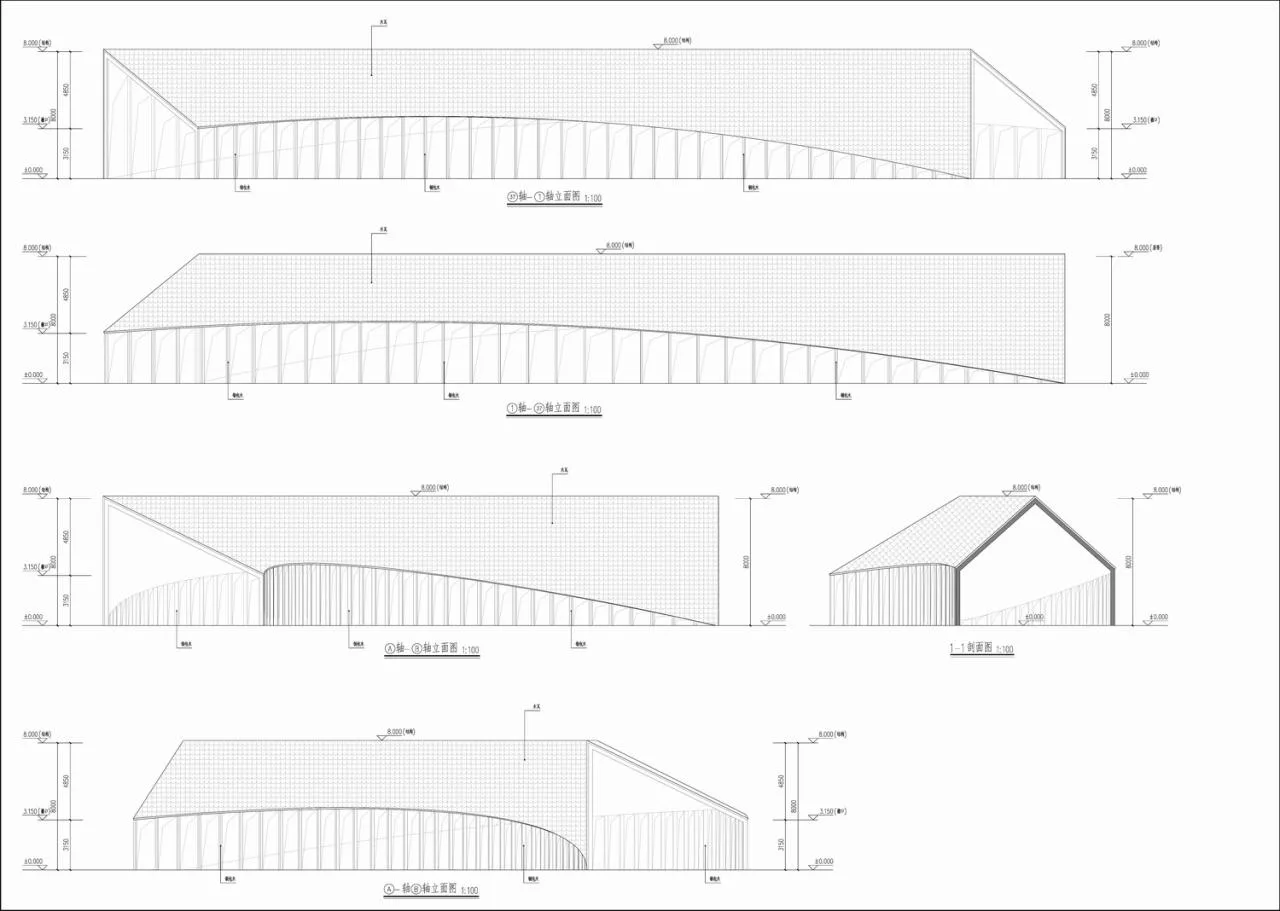
△ Elevation drawing
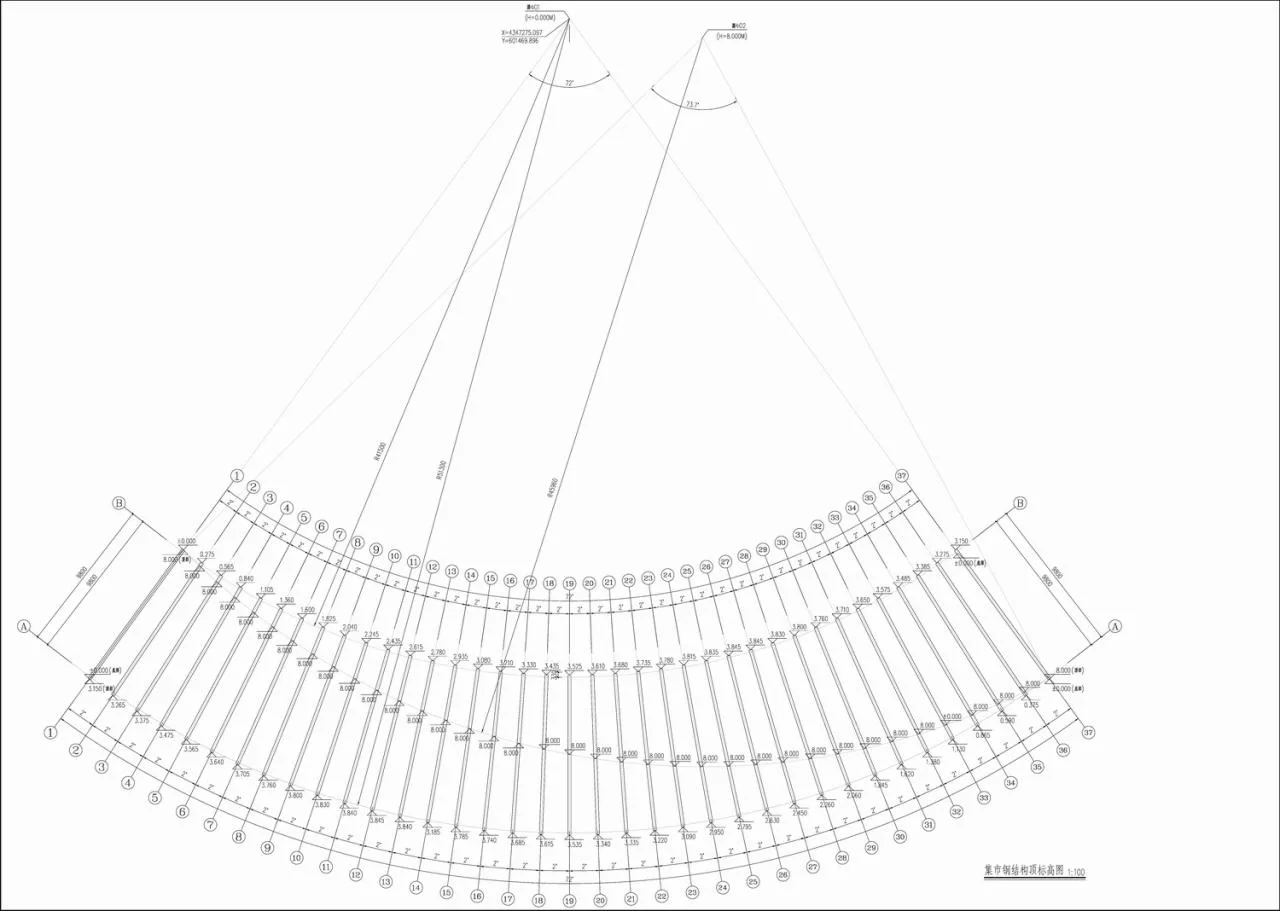
△ Top elevation diagram of steel structure
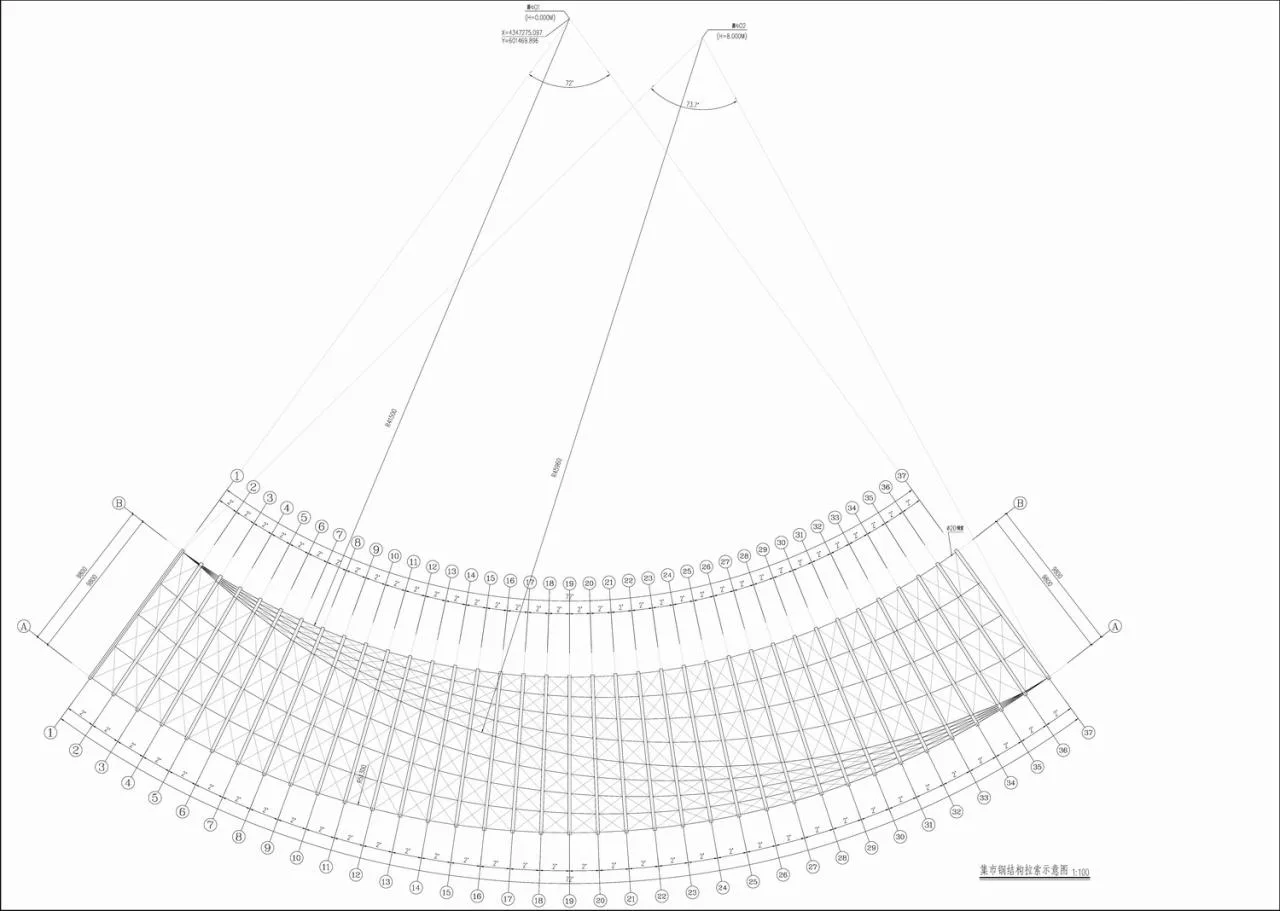
Schematic diagram of steel structure cable
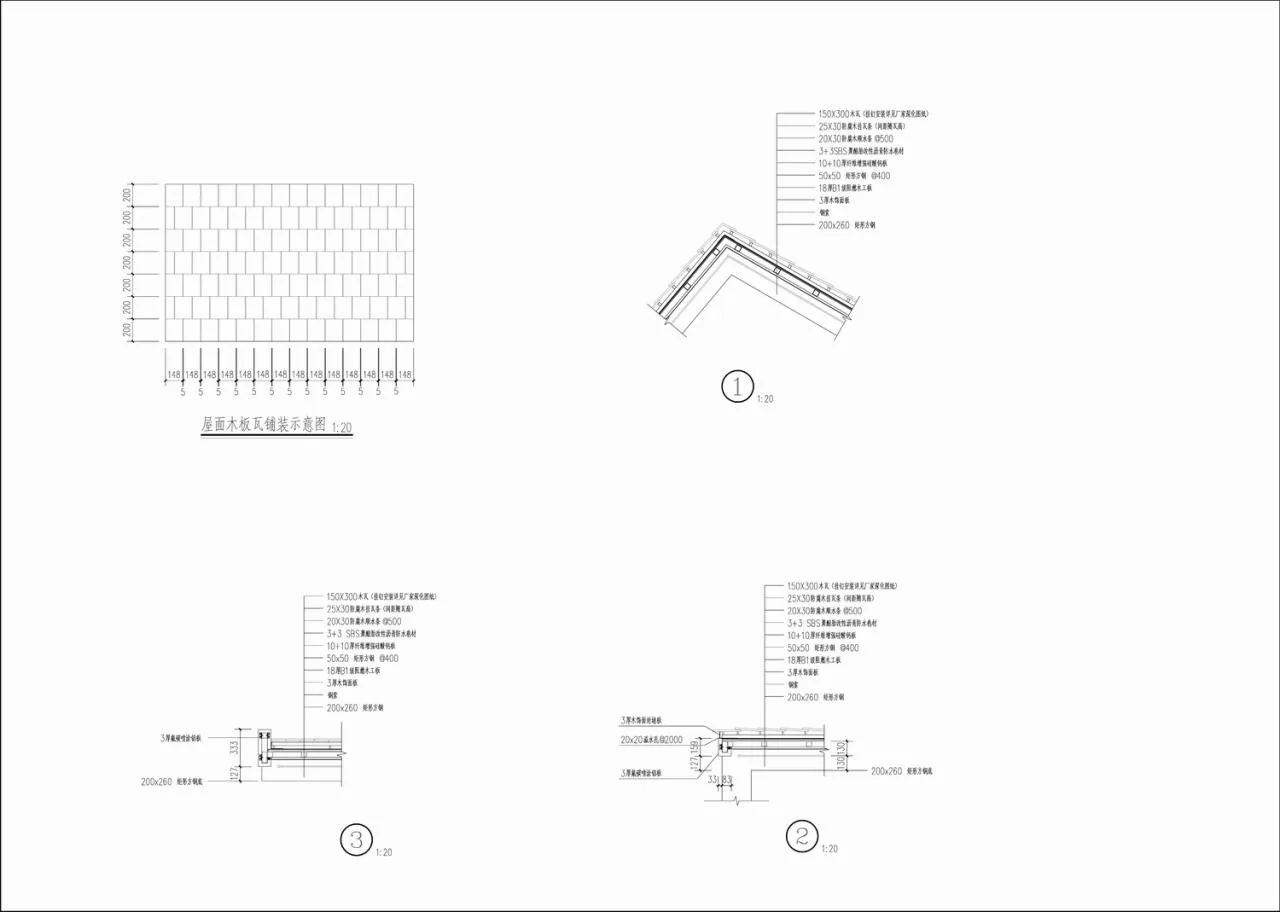
△ Node diagram
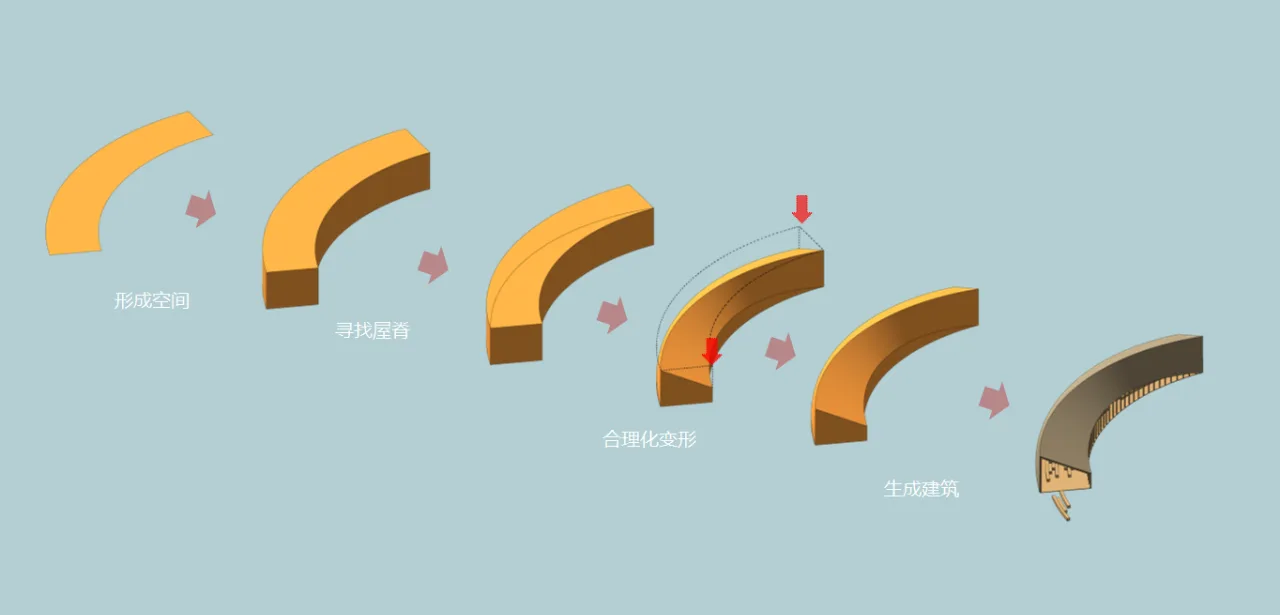
△ Architectural Concept Analysis Diagram
Project Information
Project Name: Rural Market
Location: Tiangang Village, Yixian County, Baoding City, Hebei Province
Type: Architectural Design
Status: Completed
Owner: Yuange Group
Lead Architect: Zou Yingxi
Design Team: Jiang Zhihua, Tian Yahong, Han Yang, Nan Wenjing
Interior Design Team: Xia Fuqiang, He Min, Cao Zhenzhen, Qian Guoxing, Liu Tingting, Li Qianqian, Feng Yan, Guo Mengjia, Li Hui
Soft Decoration Team: Shu Kun, Gu Yuecheng
Design Period: February – May 2020
Construction Period: May – October 2020
Site Area: 700 square meters
Building Area: 580 square meters
Indoor Area: 580 square meters
Construction Unit: Zhongwai Jianhuacheng Engineering Technology Group Co., Ltd. – Chen Zhinu Team
Structural Engineer: Beijing Zhonghe Jiancheng Construction Engineering Design Co., Ltd. – Lu Lijie Team
Photographer: Literal Translation of Architectural Photography
Building Materials and Manufacturers
1. Shanghai Hongsen Wood Industry Red Cedar Wooden Tiles
2. Shanghai Hongsen Wood Industry Pineapple Grid Anti-Corrosion Wood
3. Shandong Linyi Feili Niu Ousong Fire-Retardant Boards















Must log in before commenting!
Sign Up