
In the post-real estate era, regional comprehensive development models guided by the health industry remain an evolving concept. In a rapidly changing business landscape, defining buildings solely by their function has become less effective. Our goal is to create flexible spaces that accommodate various scenarios, blurring the lines between medical care and hospitality, while integrating health and vacation experiences.
We aim to design a tropical landscape garden that embraces the climate and fosters a new health and wellness model responsive to contemporary needs. — Meng Fanhao
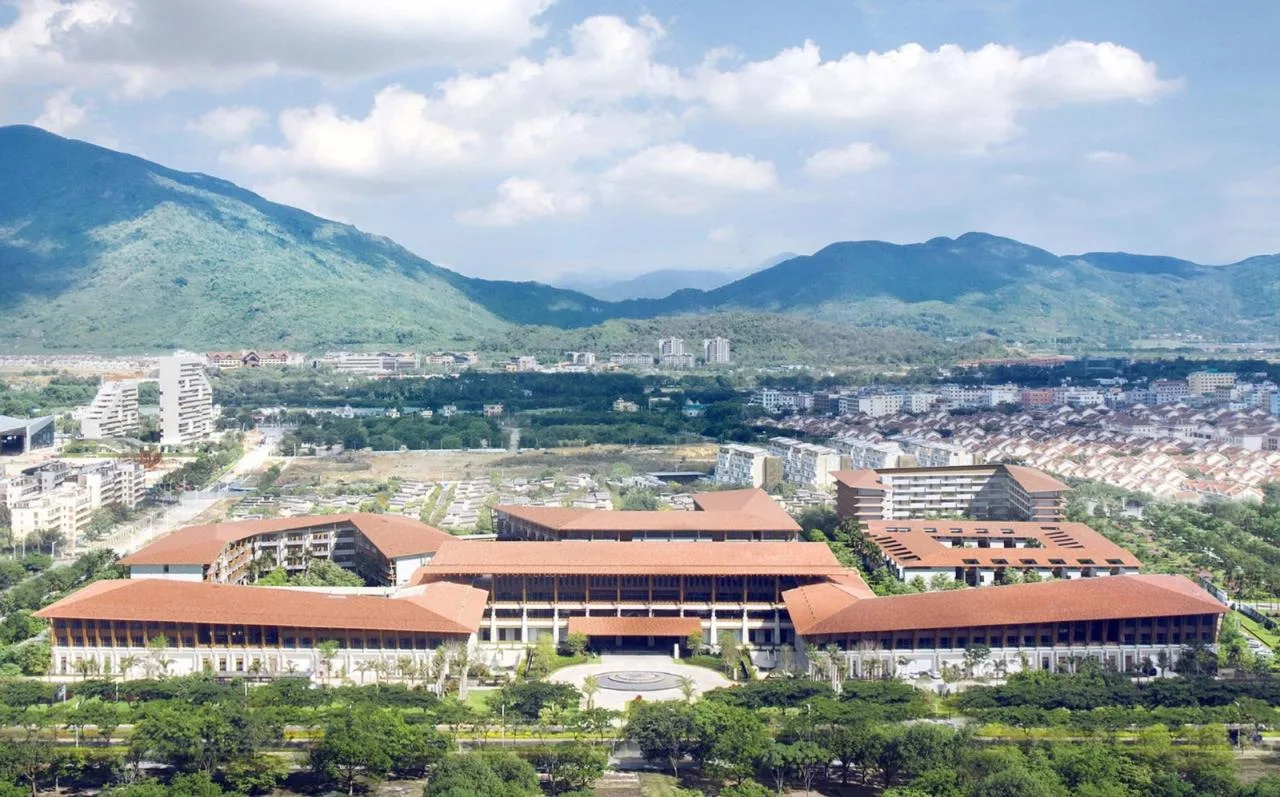
The “National Medical and Fitness Rehabilitation Base” project is located in Haitang Bay, Sanya, leveraging its unique tourism advantages. The project explores the boundaries between medical care, elderly care, tourism, and rest, harmonizing with Haitang Bay’s natural landscape.
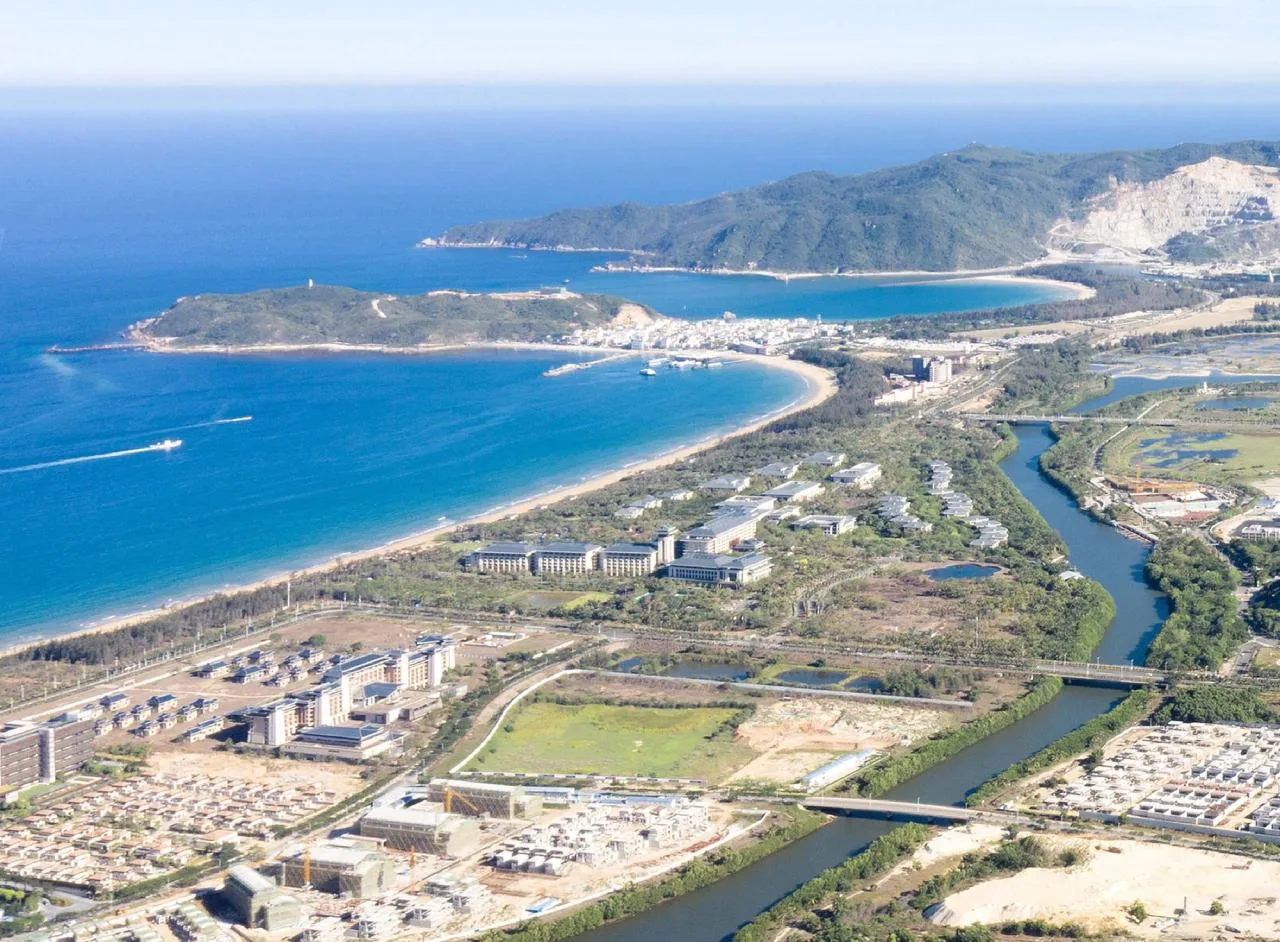
Before our involvement, the planning bureau and developers engaged in several rounds of negotiation. From an urban development perspective, the bureau wanted to avoid a linear residential layout, while developers prioritized economic benefits, resisting centralized medical facilities. Positioned as a “composite medical hotel destination,” the demonstration center aims to create a “landscape garden under tropical climate” to resolve these challenges.
Planning and Layout: Efficient and Intimate Natural Courtyards
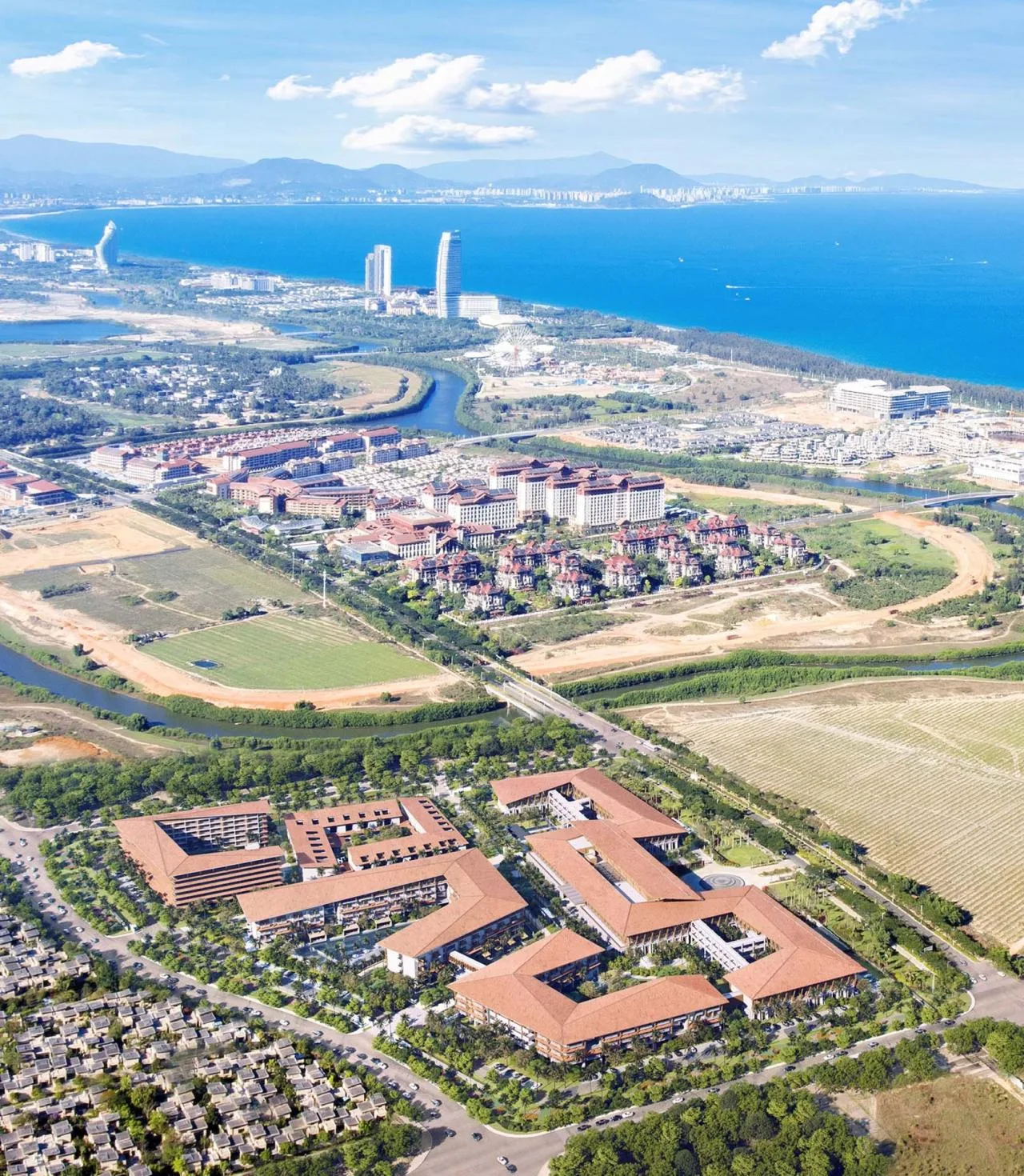
The medical reception emphasizes efficiency while promoting freedom in health and leisure. Balancing efficiency and freedom within a 35% building density and 40-meter height limit presented a challenge. To maximize density and reduce floors, building functions are segmented into smaller units enclosed by courtyards.
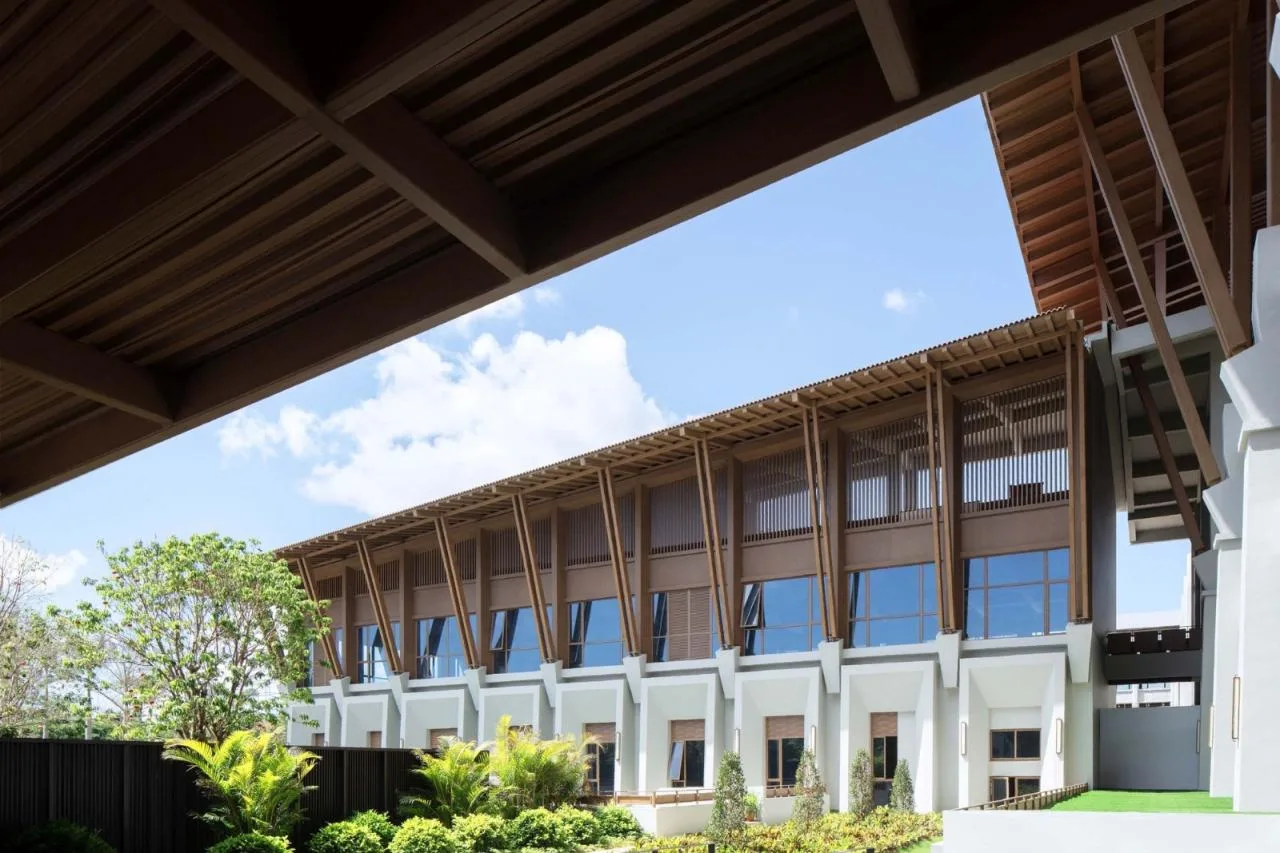
The demonstration center adopts a clustered courtyard layout with leisure-scale landscaped pockets. Public and private zones are distinctly defined, aligning with the surrounding mountain and sea views, and integrating harmoniously with local residential buildings at the same scale.
Clear zoning creates distinct streamlines. Corridors between courtyards connect semi-outdoor spaces, facilitating smooth pedestrian flow. Greenery within courtyards frames scenic views of surrounding coconut groves, transforming walkways into relaxing paths.
Multi-Functional Scenes: Flexible and Versatile Composite Spaces
Due to conflicting demands, functional areas remain flexible and can be adjusted dynamically. Medical spaces that are time-shared, public, and standardized are independently partitioned. Full-time, private inpatient wards and personalized medical living spaces are combined with vacation scenes to form a destination suitable for all times.
The center uses a modular 8.4 × 8.4-meter design, allowing interchangeable medical and wellness vacation spaces to accommodate expansion and renovation. Within health resort-style wards, linear corridors intersect landscaped pockets to reduce the confinement of long hallways, creating a relaxed, resort-like atmosphere.
Facilities include activity halls suitable for all ages and public health and wellness spaces, fostering a vacation-style community experience.
Facade Design: Respecting Traditional Architecture and Tropical Climate
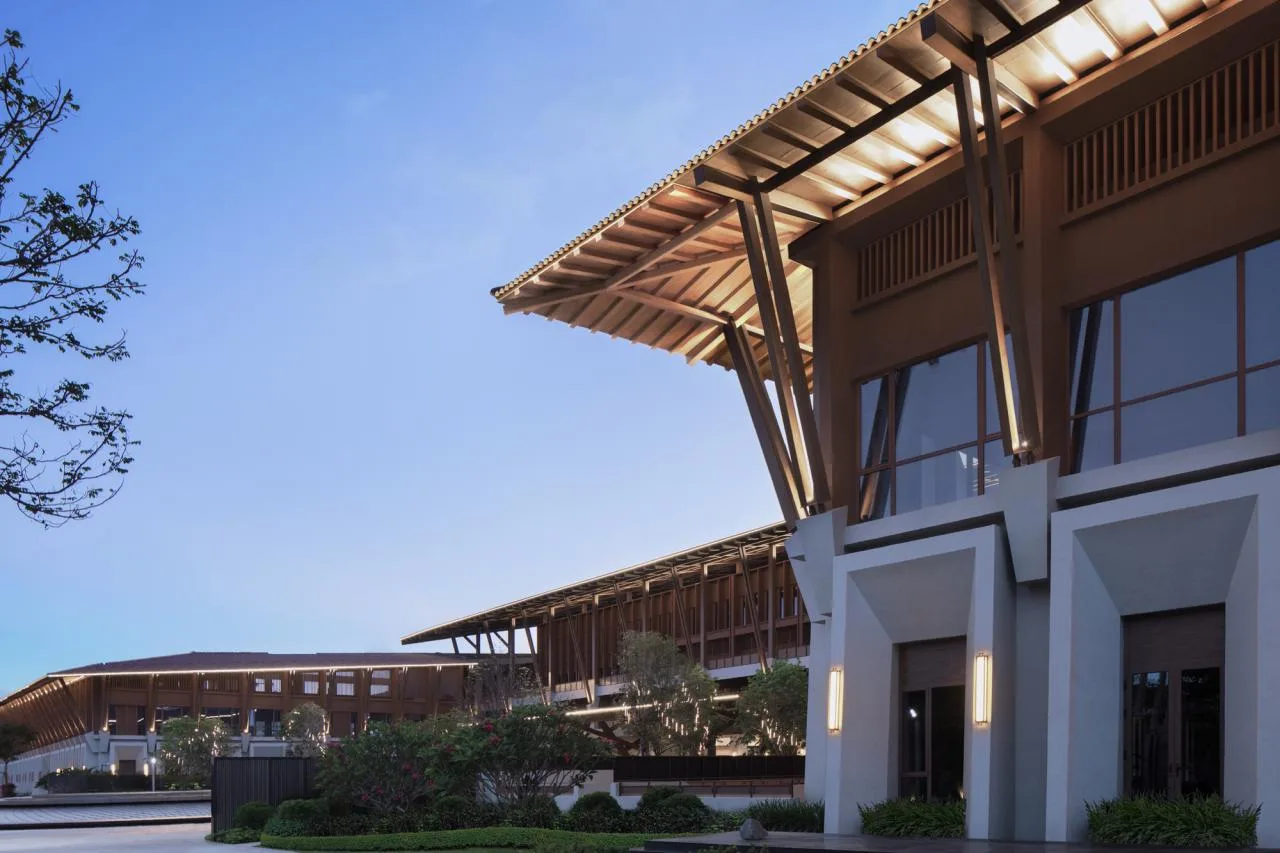
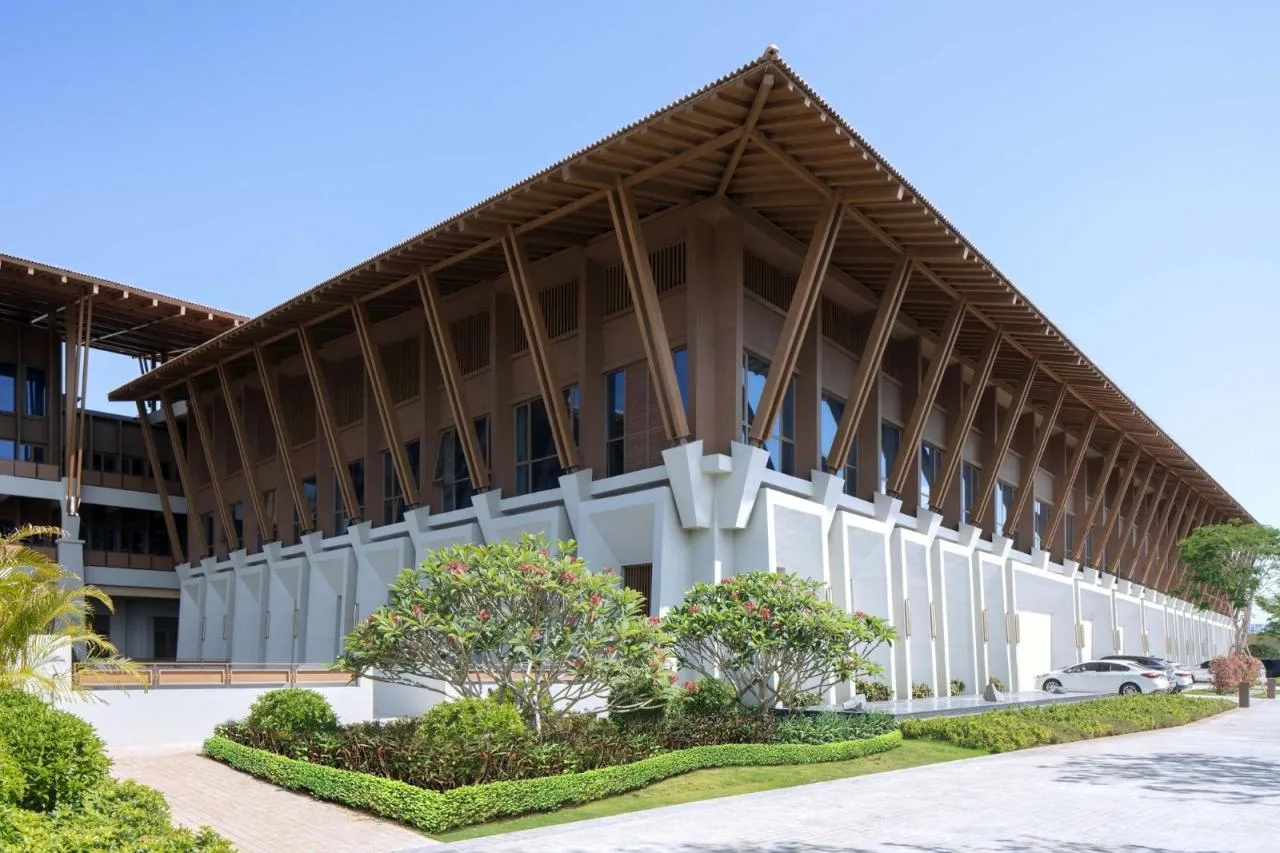
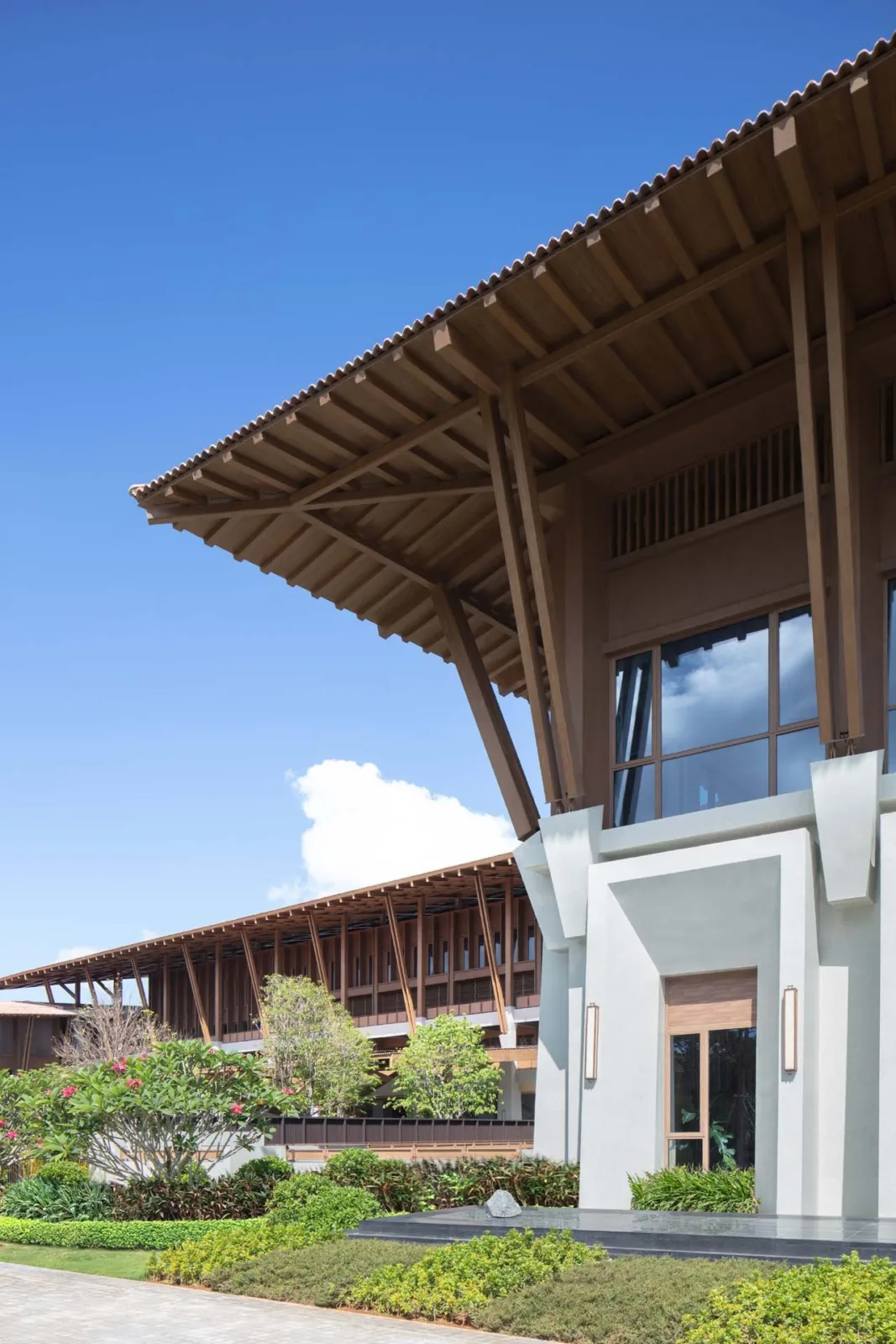
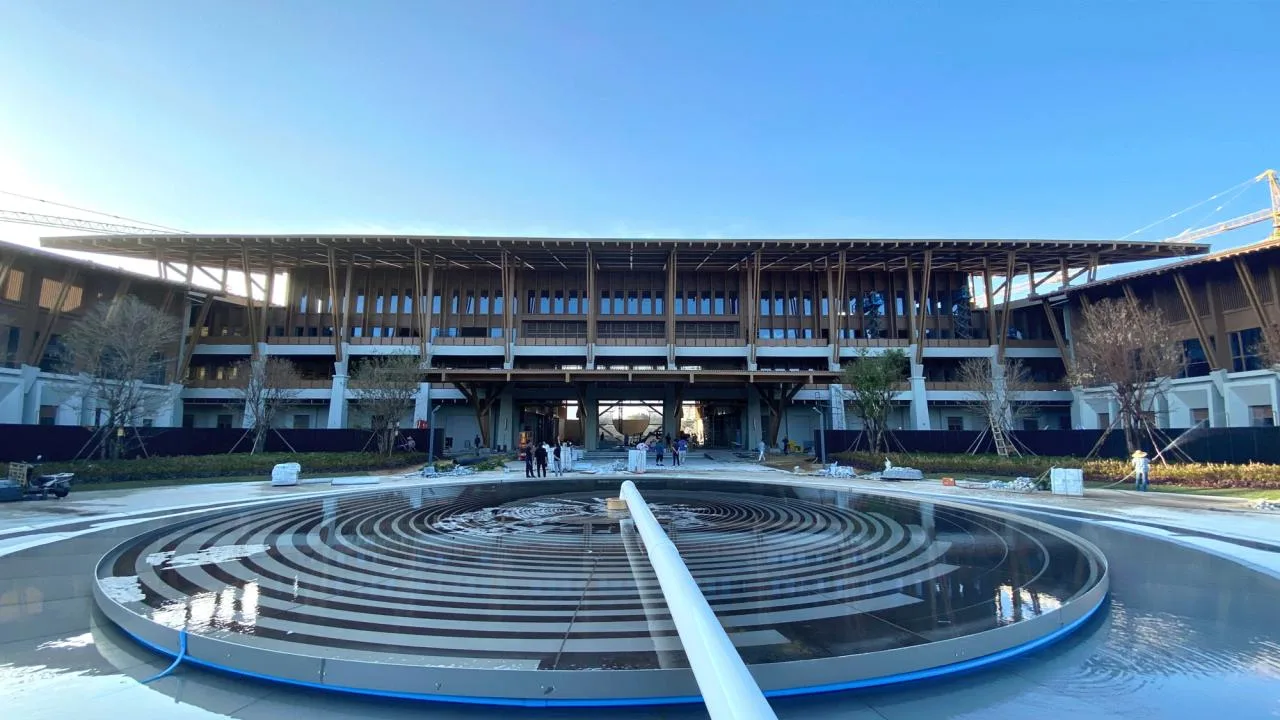
The facade’s design draws from traditional architectural language, responding to the island’s historical context and spatial order. The facade composition adheres to regulations protecting traditional urban cultural styles and adapts to the hot, rainy tropical monsoon climate.
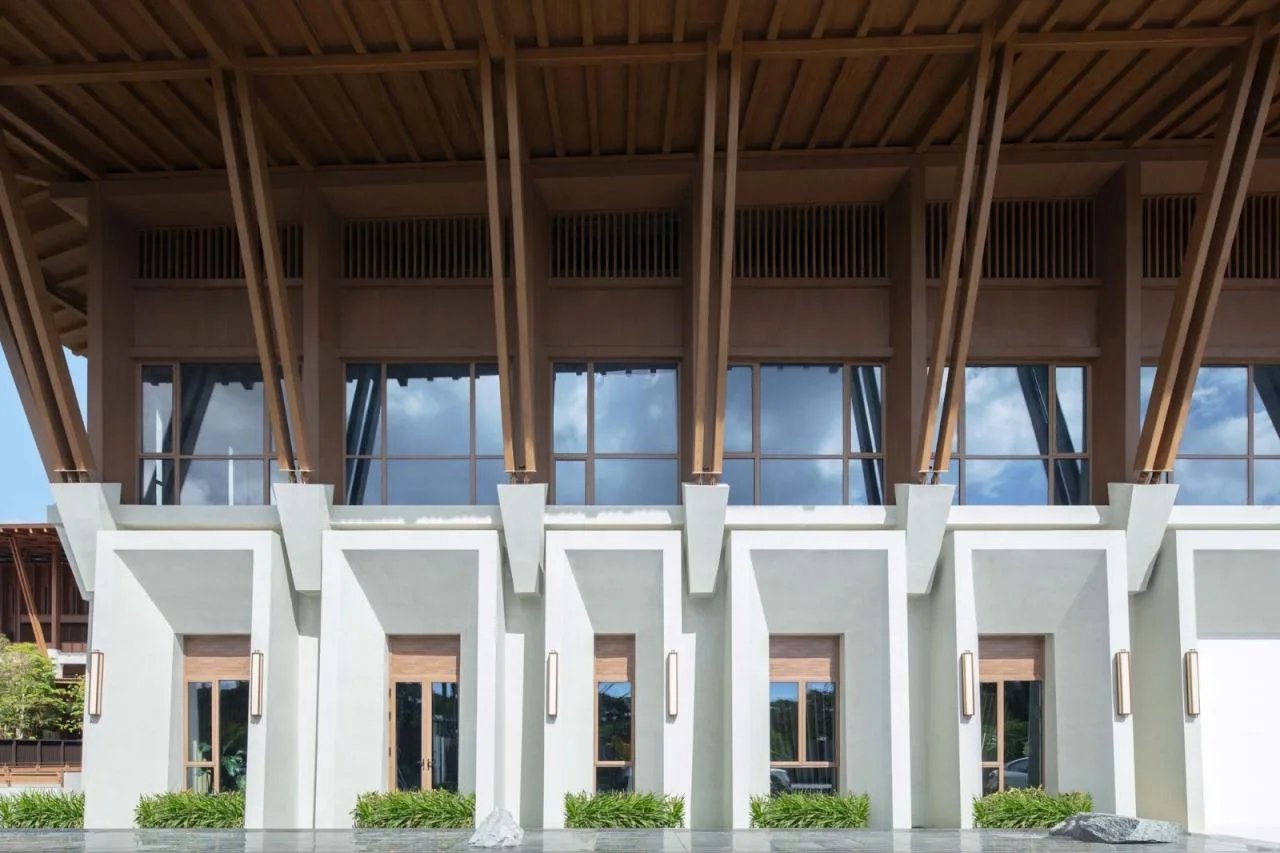
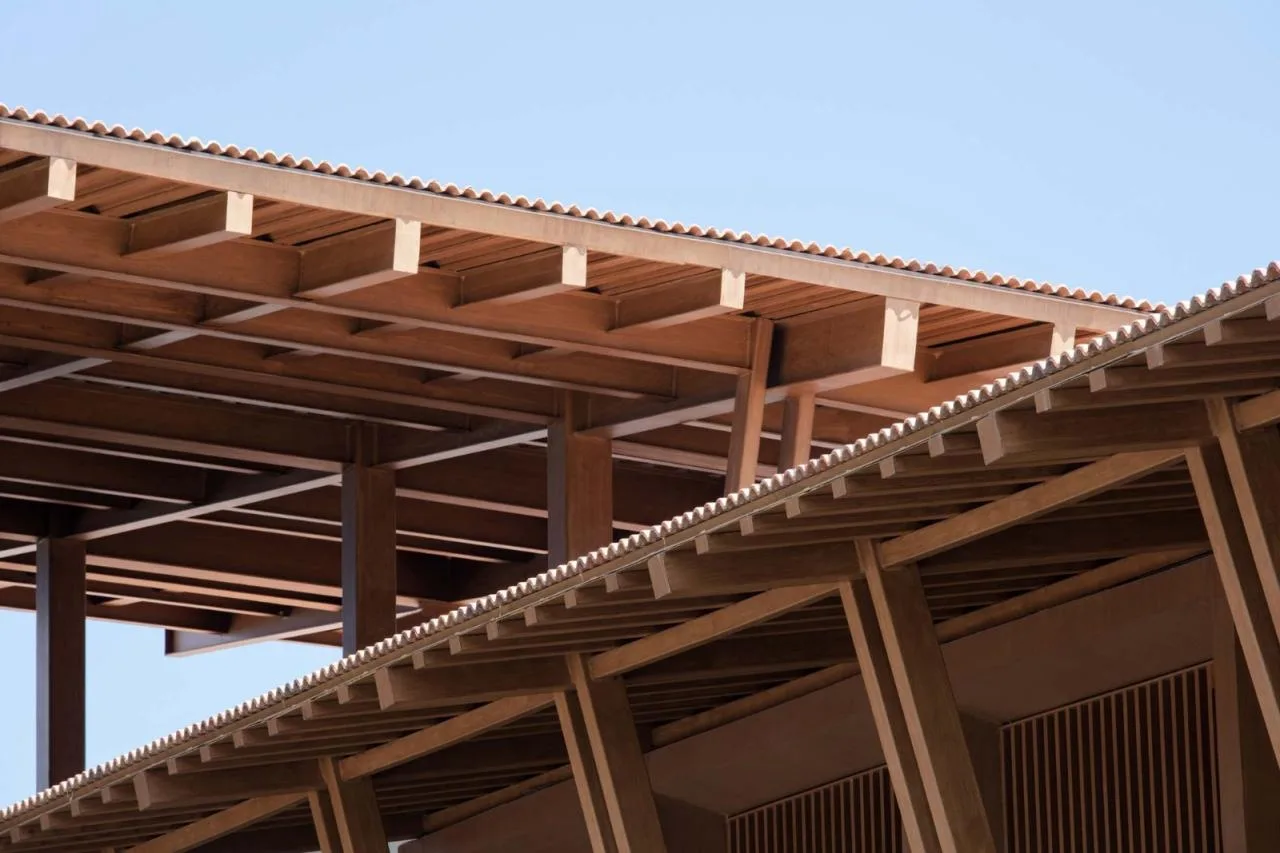
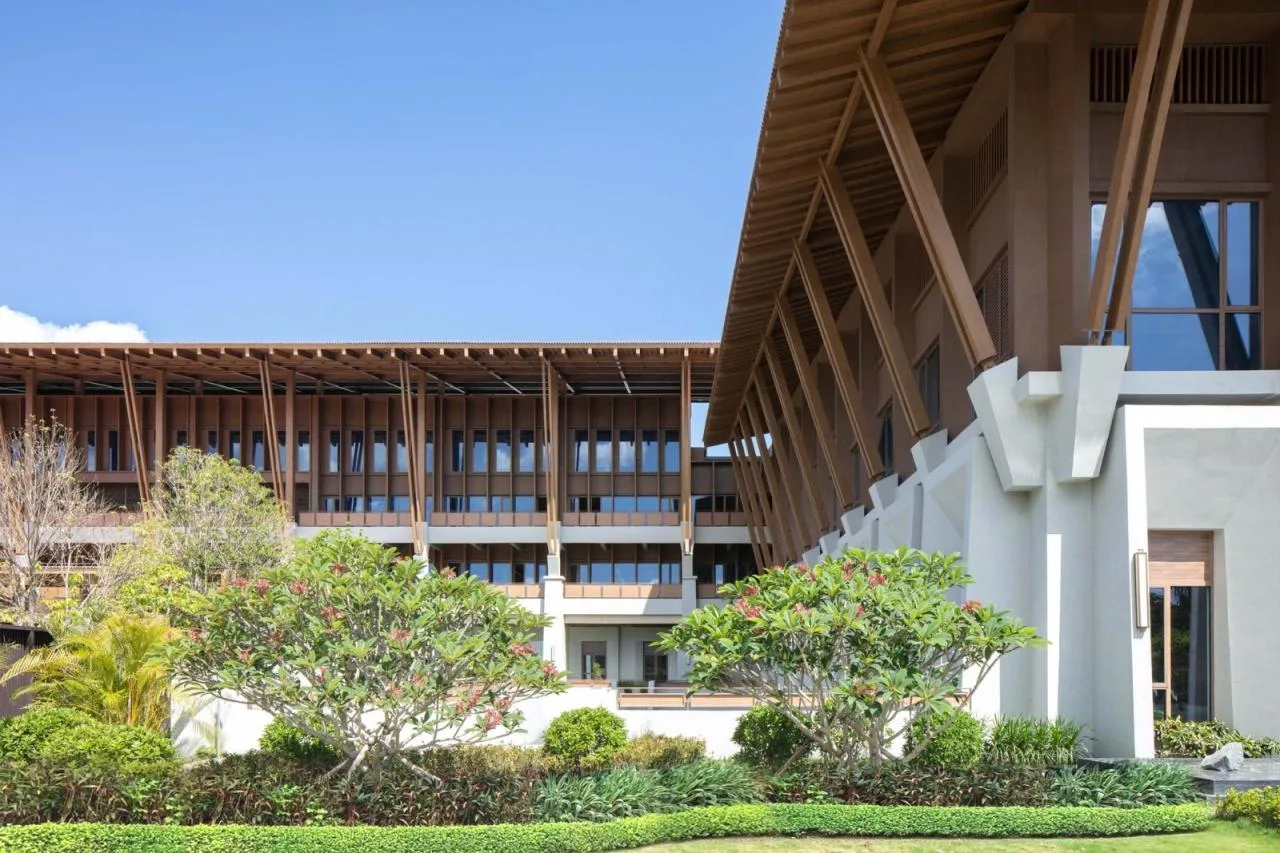
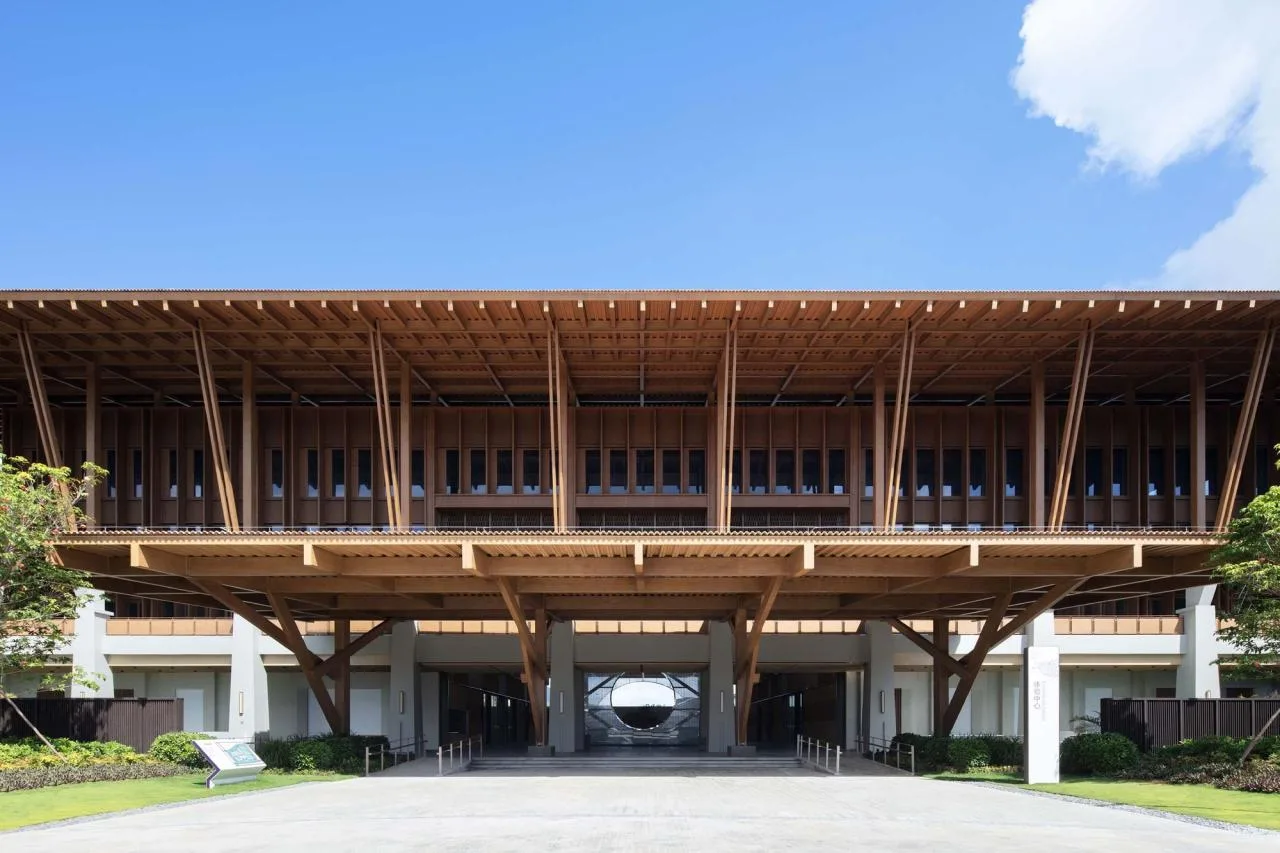
The traditional sloped roofs and scattered courtyards are unified by continuous roofing, creating a clear and cohesive layout within the ambiguous spatial context. The classic symmetrical double-slope roof form is reinterpreted, with varied heights and folding to resemble a mountain, blending with the surrounding mountains and sea.
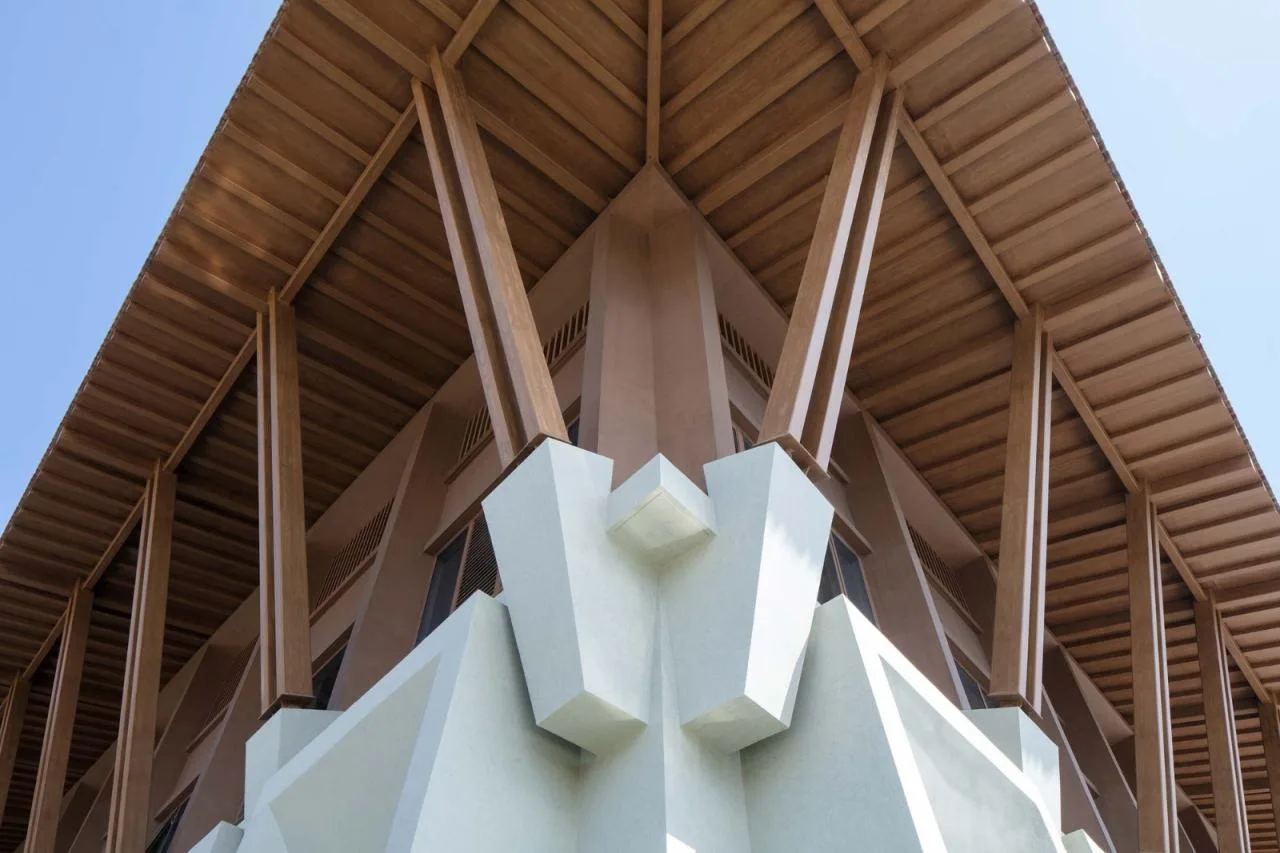
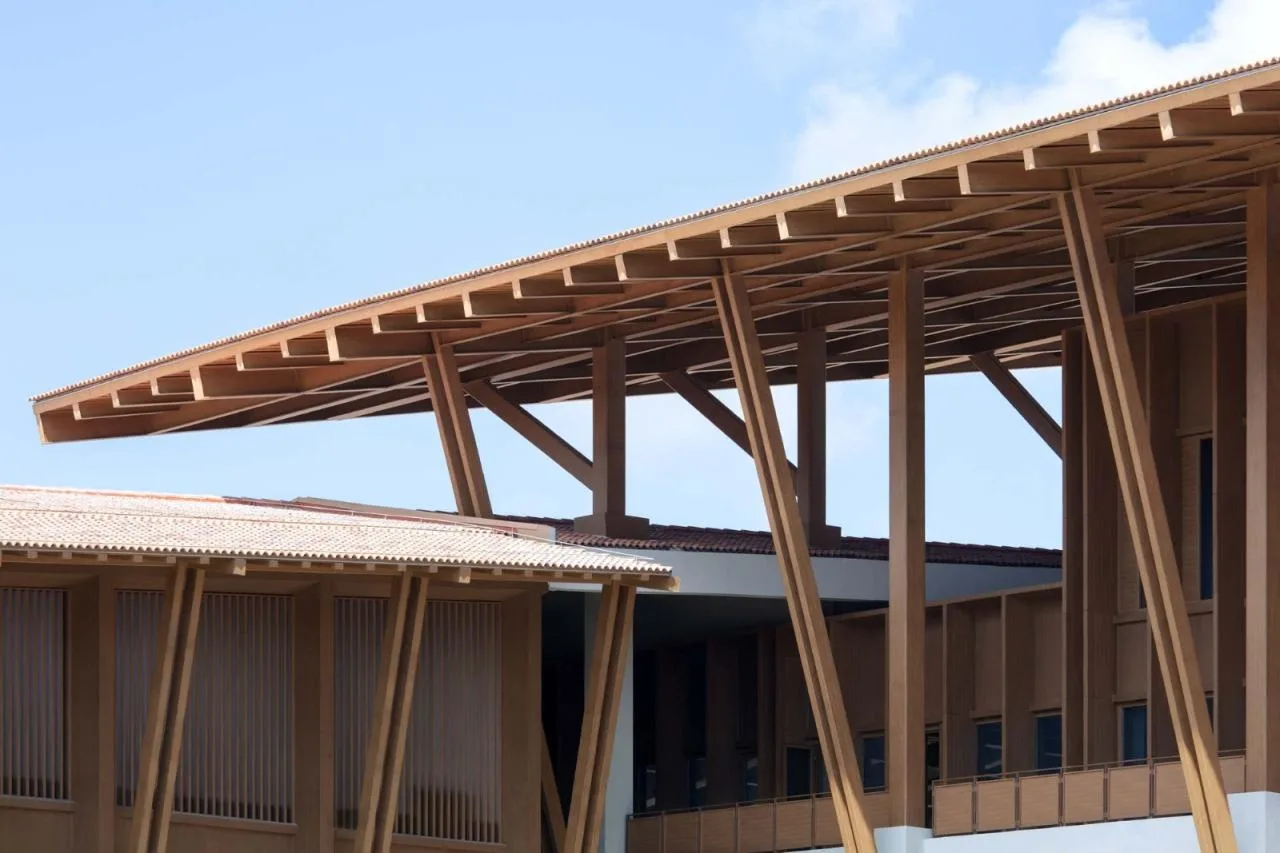
The facade transforms grey spaces and layered elements into a three-part composition inspired by Chinese architecture. Prominent eaves and structured forms create distinct layers, clear rhythms, and spatial order. This design ensures comfortable, pleasant activity spaces suited to the tropical, rainy climate and vacation atmosphere.
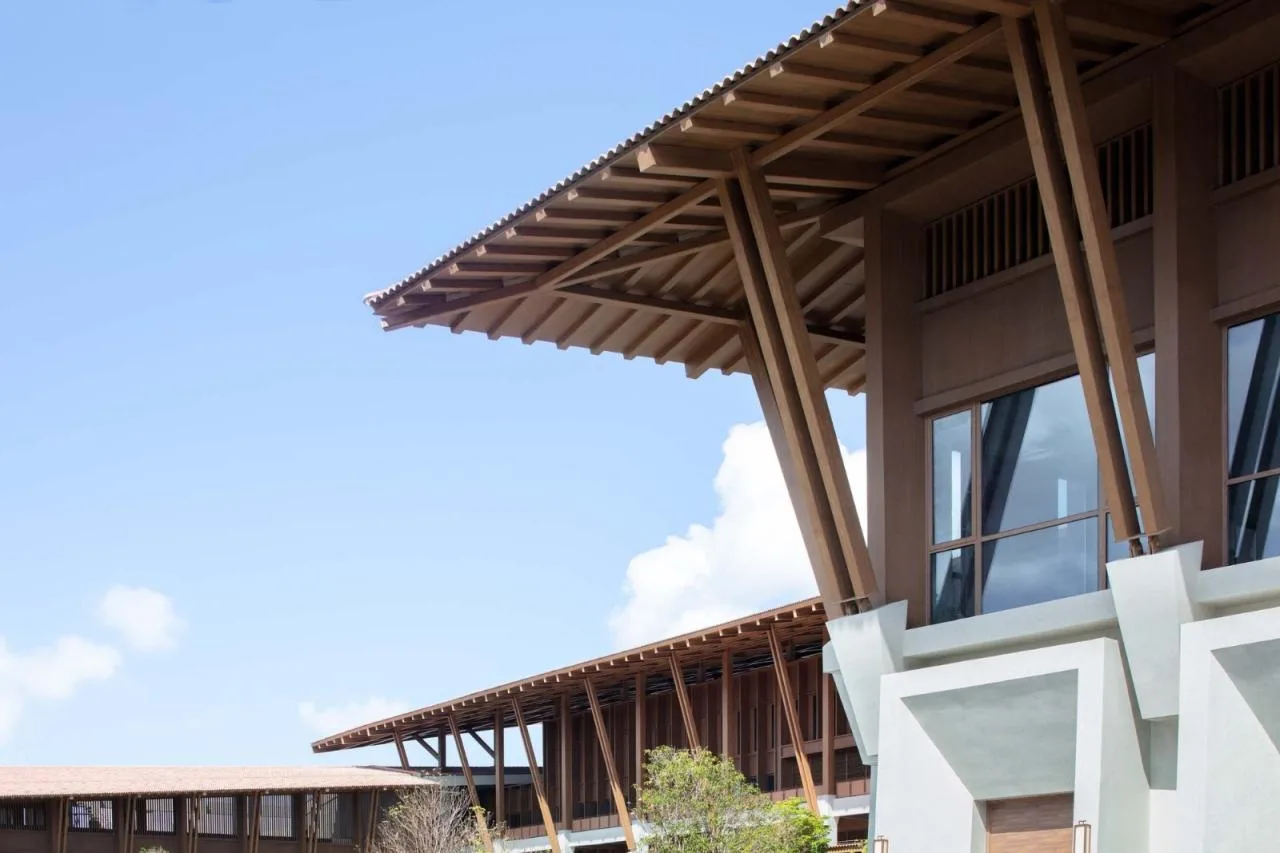
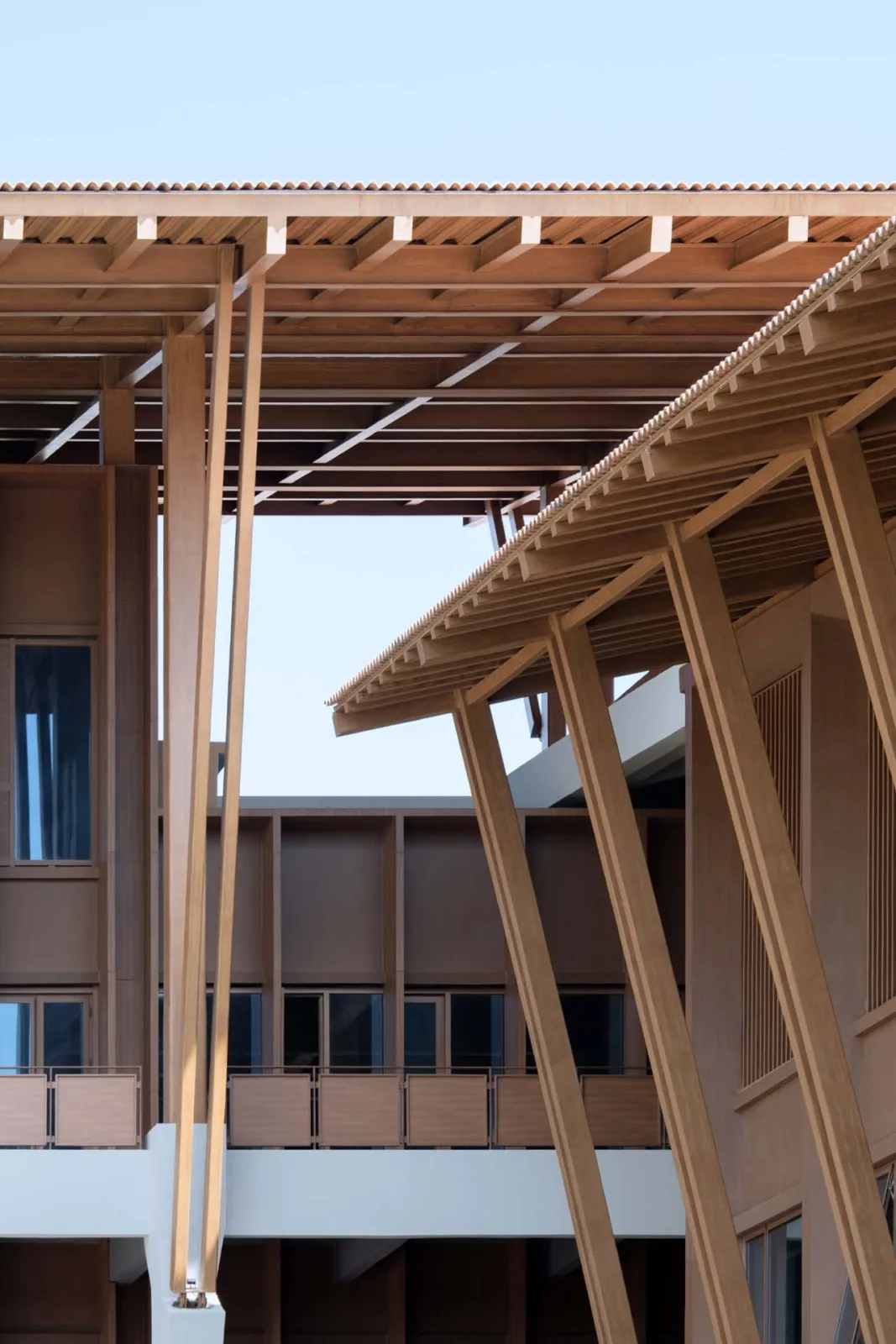
The facade motifs vary according to building functions and scales, resulting in diverse facade types that contribute to a cohesive cluster with a strong sense of place within the demonstration center.
Material Selection and Construction: Cost-Effective Surface Detailing
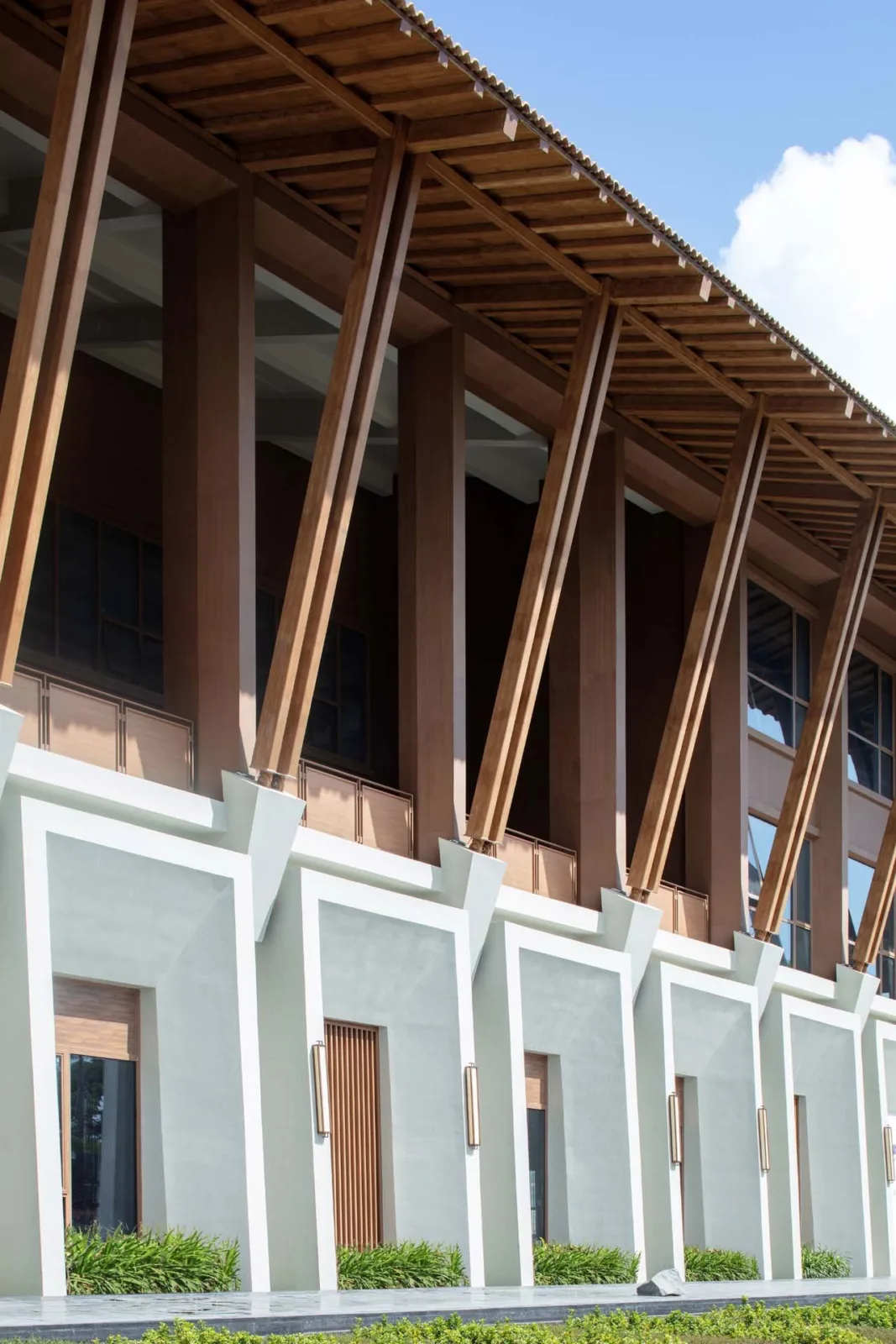
Using traditional wood for eaves and nearly 5-meter-high middle walls presents challenges. We studied the scale ratio and assembly method through modeling and adapted these into the facade construction. To reduce costs, modern materials are used for structural support: steel slant support and purlins, decorative masonry eaves and braces, and aluminum curtain wall windows finished with wood-like coatings.
Due to differences in materials and production techniques, the wood color and texture vary subtly, creating a rich three-dimensional layering effect in the grey facade.
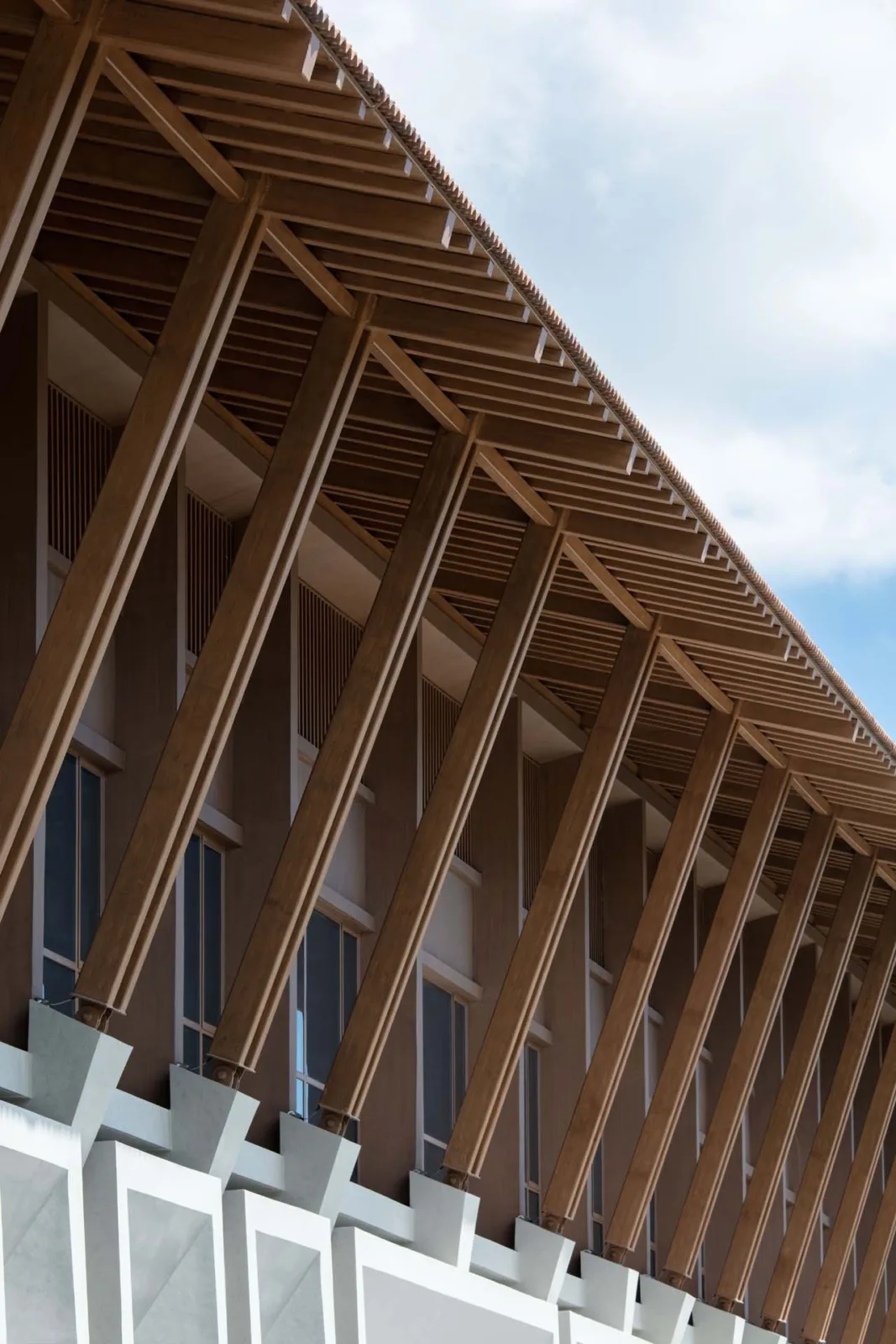
The base is constructed outside the concrete main frame, with window openings framed by a low-cost light steel keel structure clad in GRC cement fiber panels coated to resemble light-colored concrete, adding rhythmic liveliness.
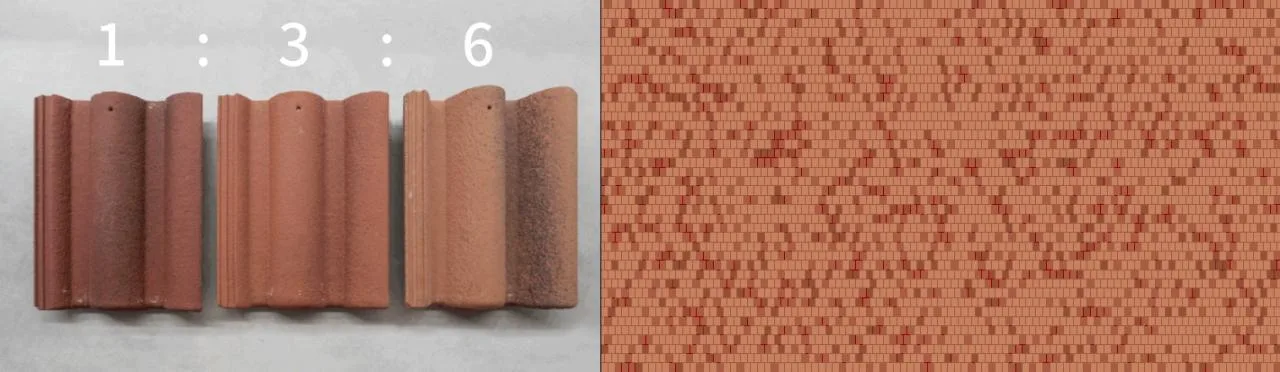
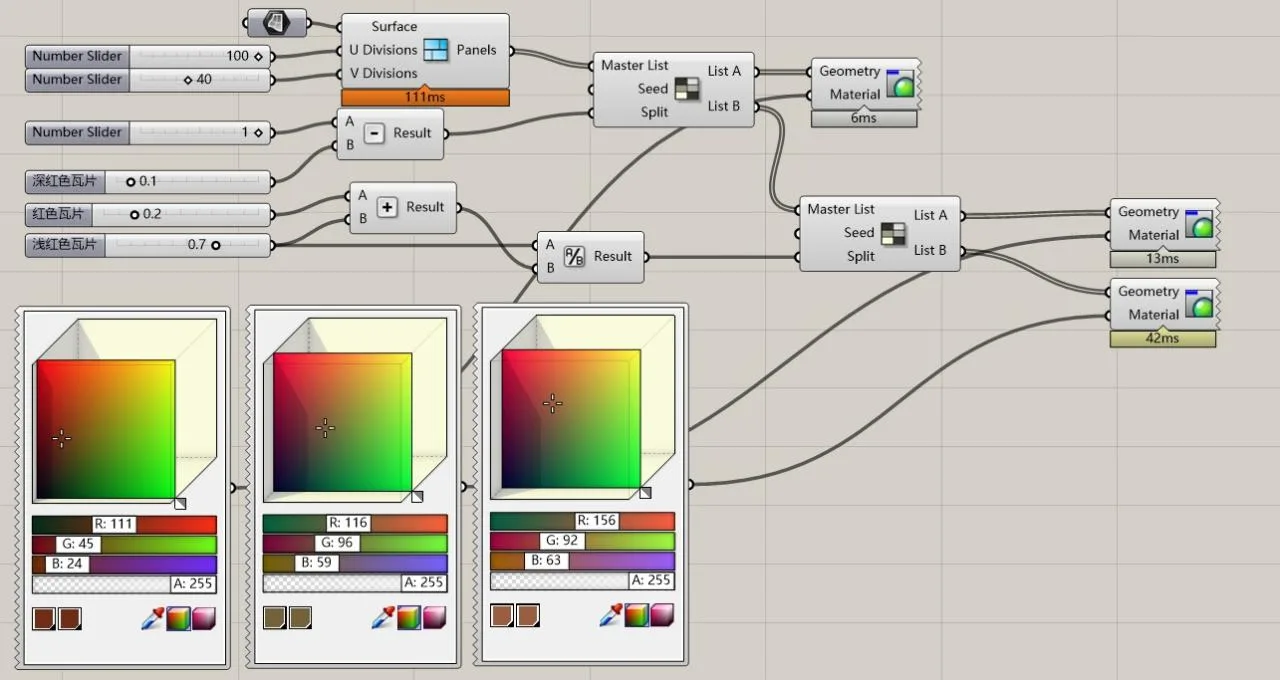
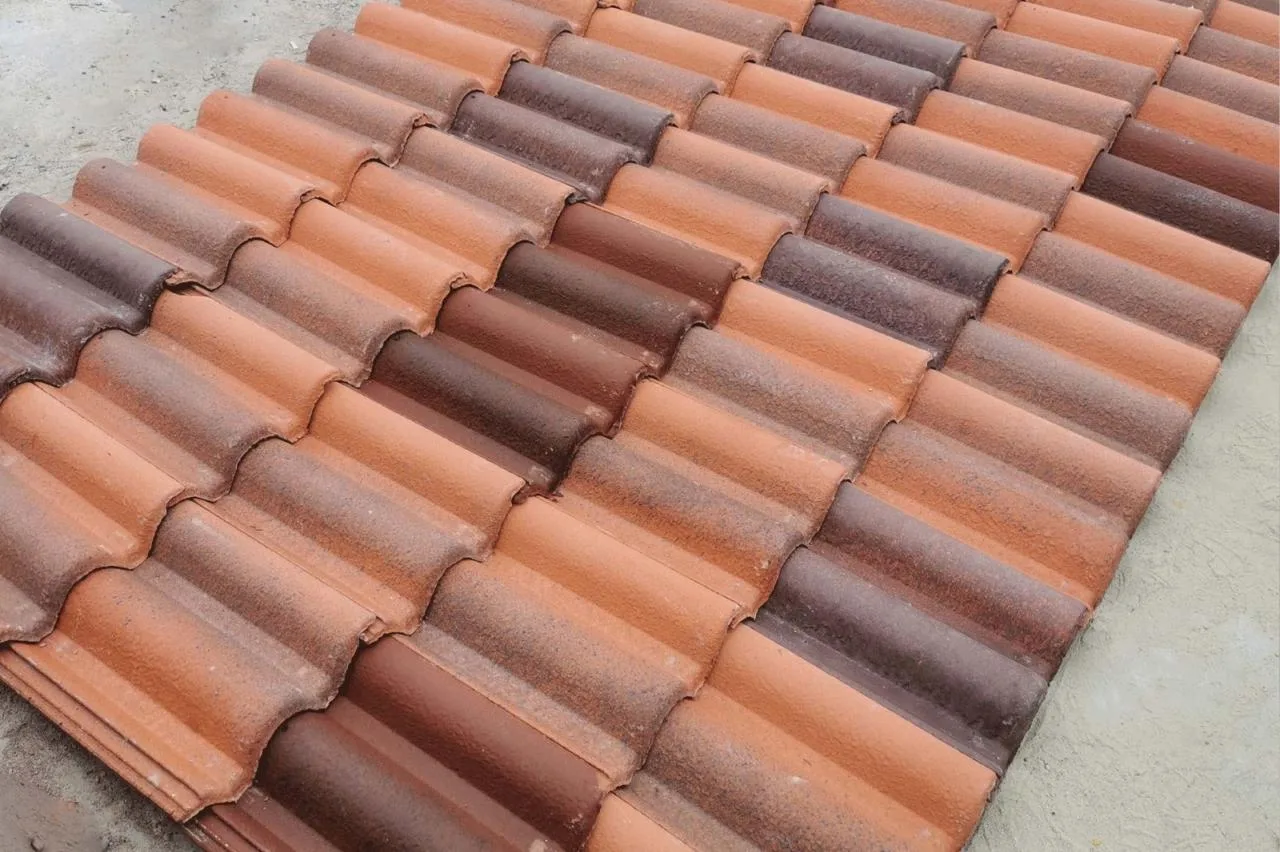
Replacing ceramic tiles with modern precast concrete tiles arranged in a 6:3:1 depth-to-shade ratio gives the roof a vibrant texture visible from afar.
By combining efficient and flexible spaces, the demonstration center supports dynamic function shifts and explores the boundaries of typologies within a park-like atmosphere. It extends contemporary healthy living elements through controlled formal language.
Project Drawings
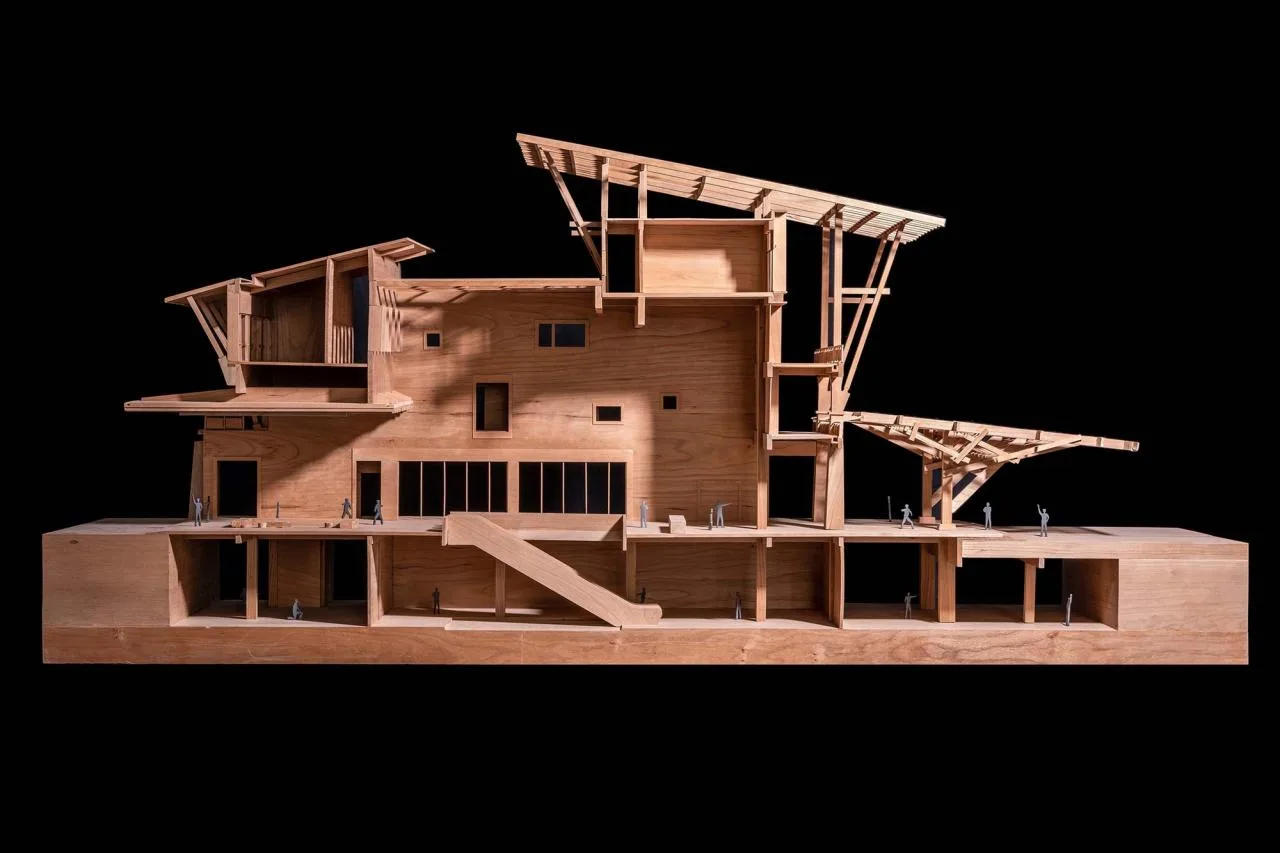
△ Model diagram
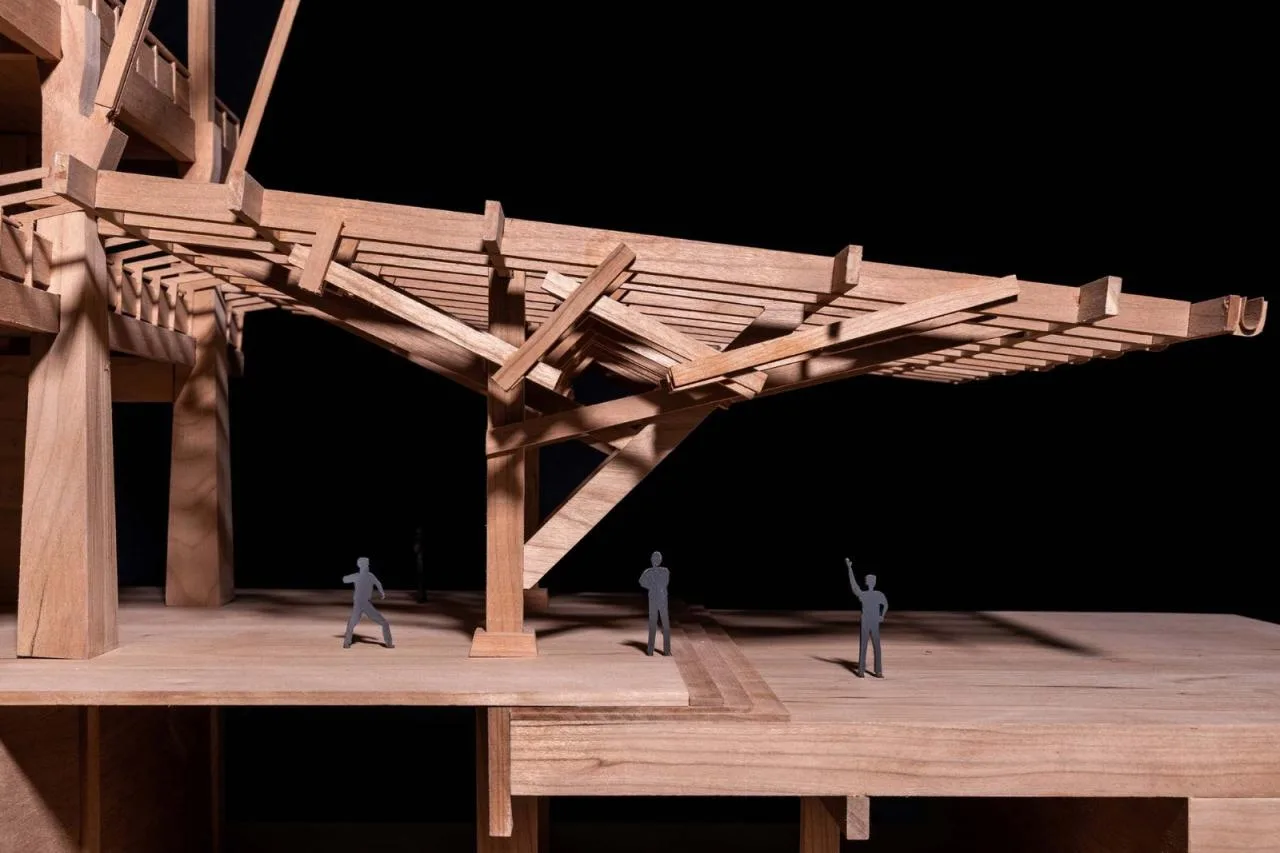
△ Model diagram
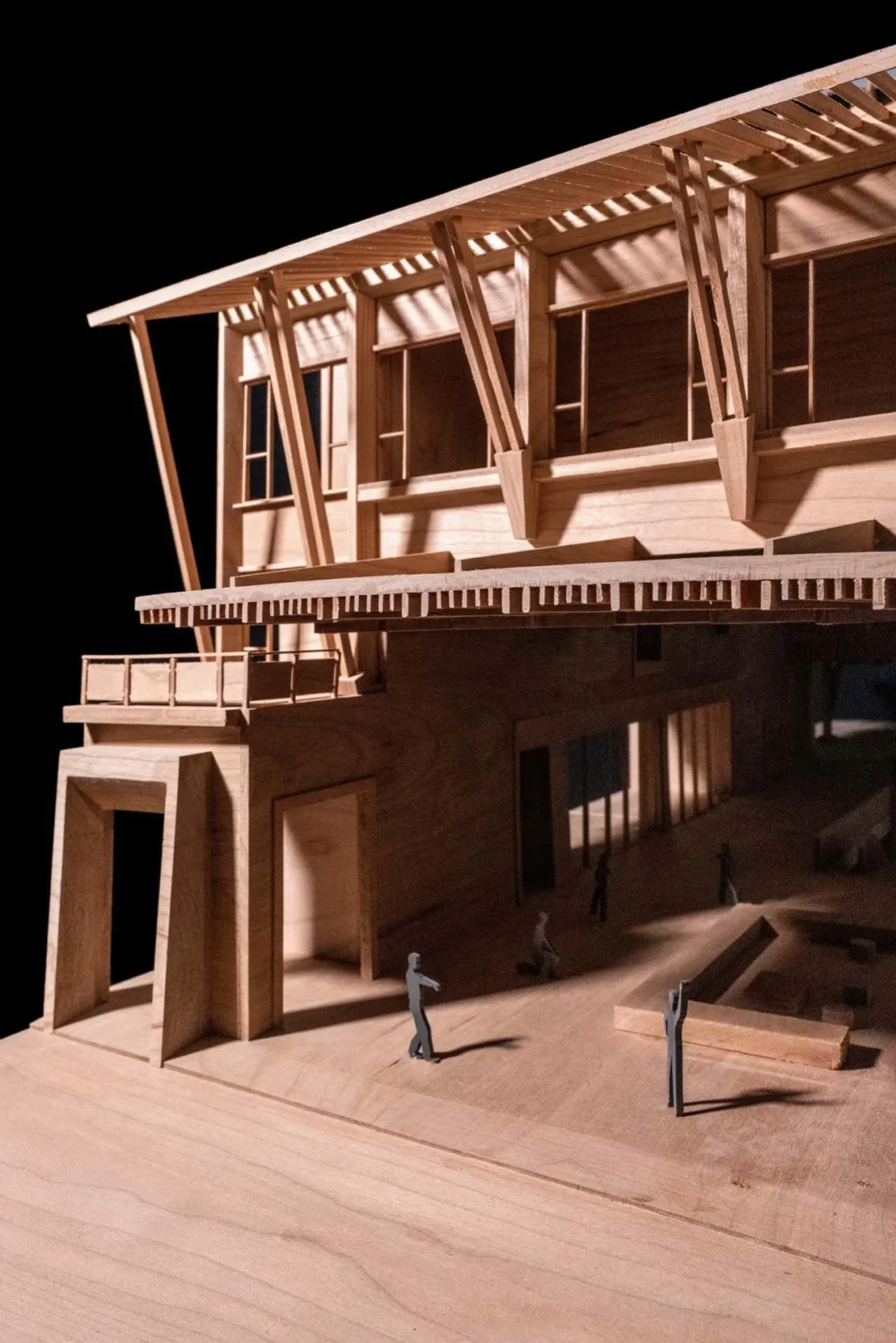
△ Model diagram
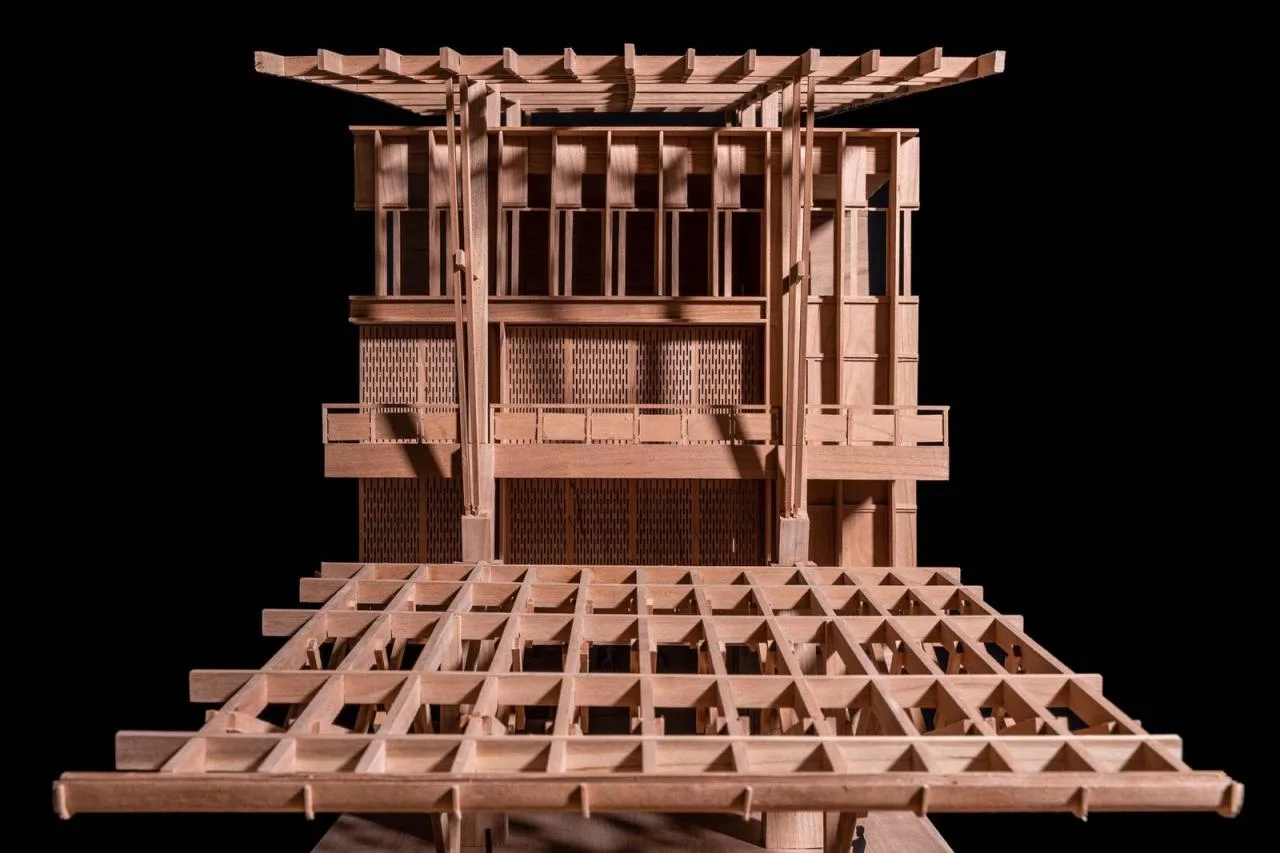
△ Model diagram
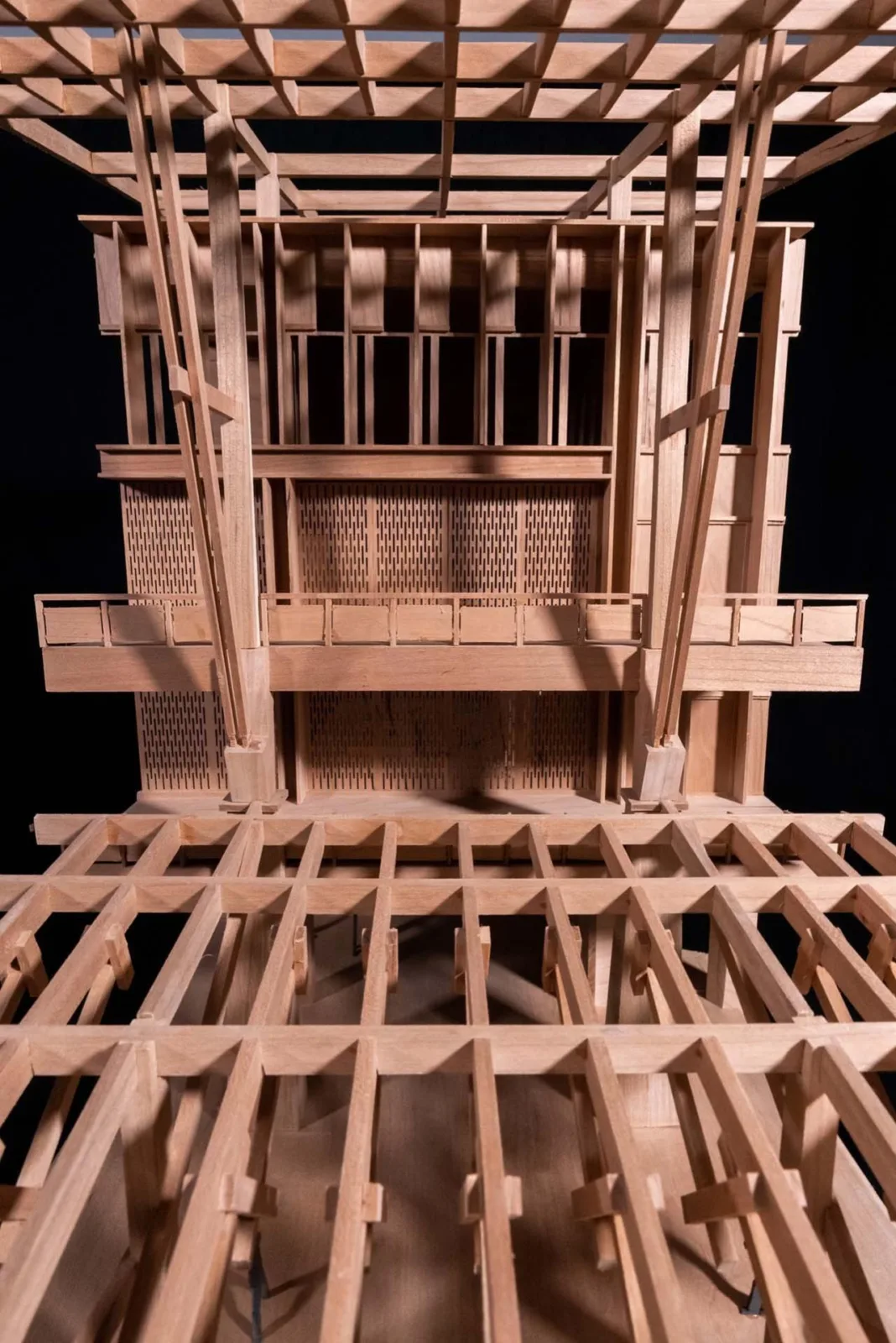
△ Model diagram
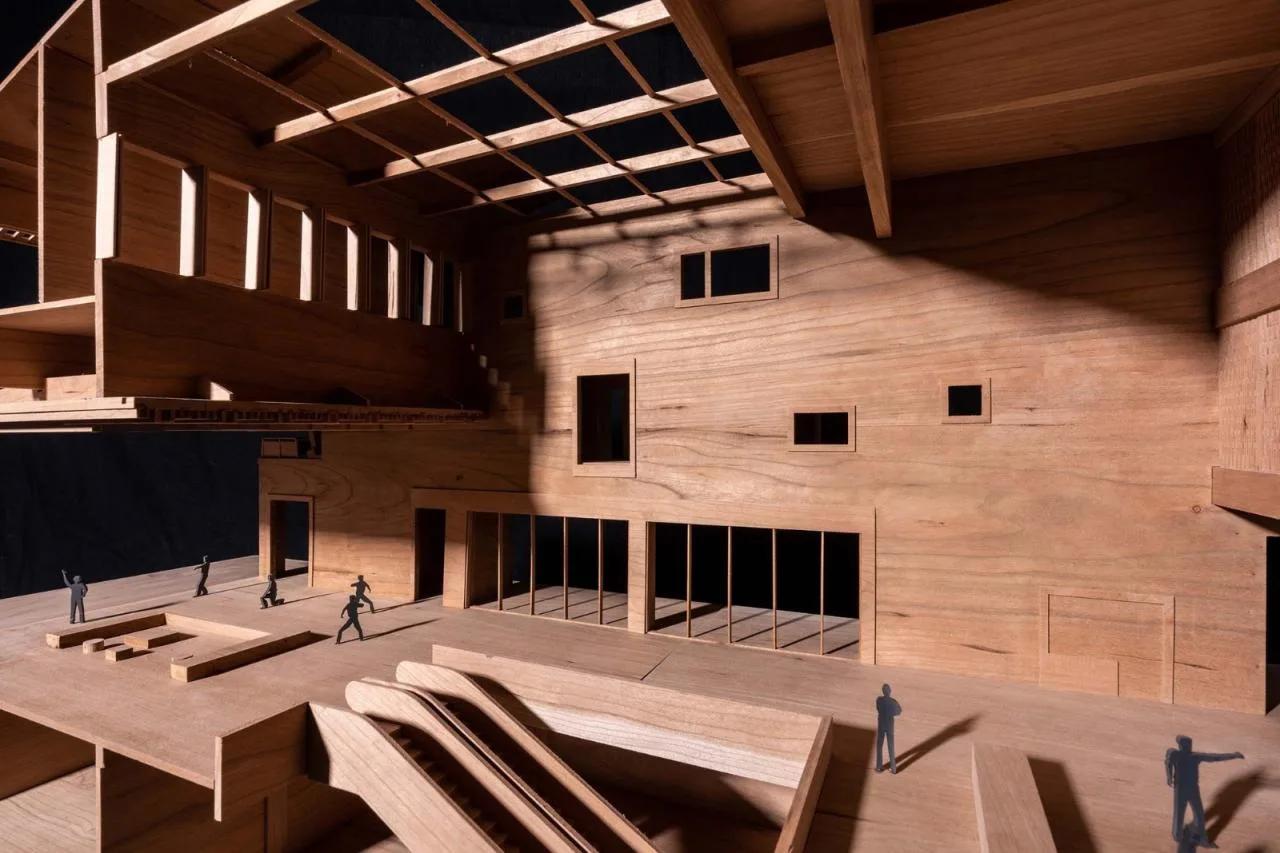
△ Model diagram
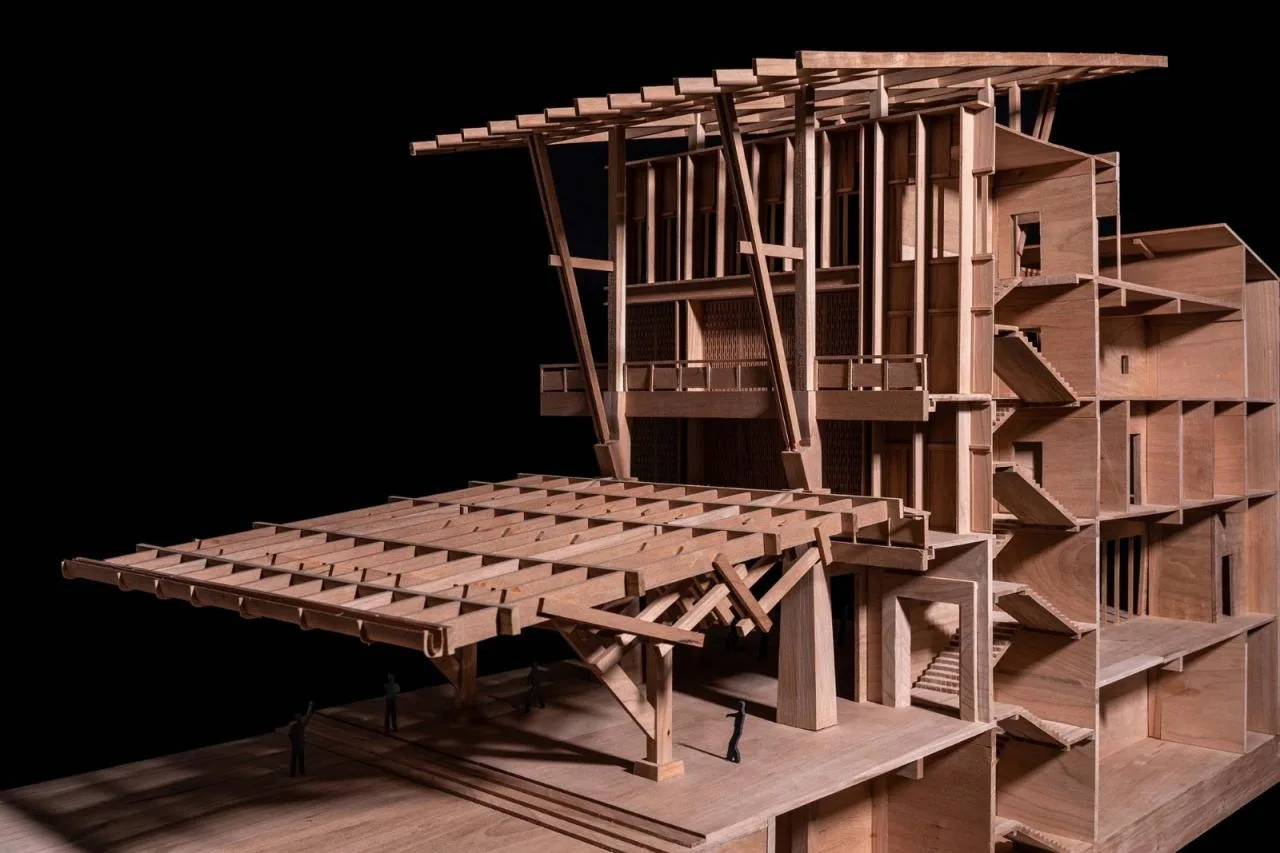
△ Model diagram
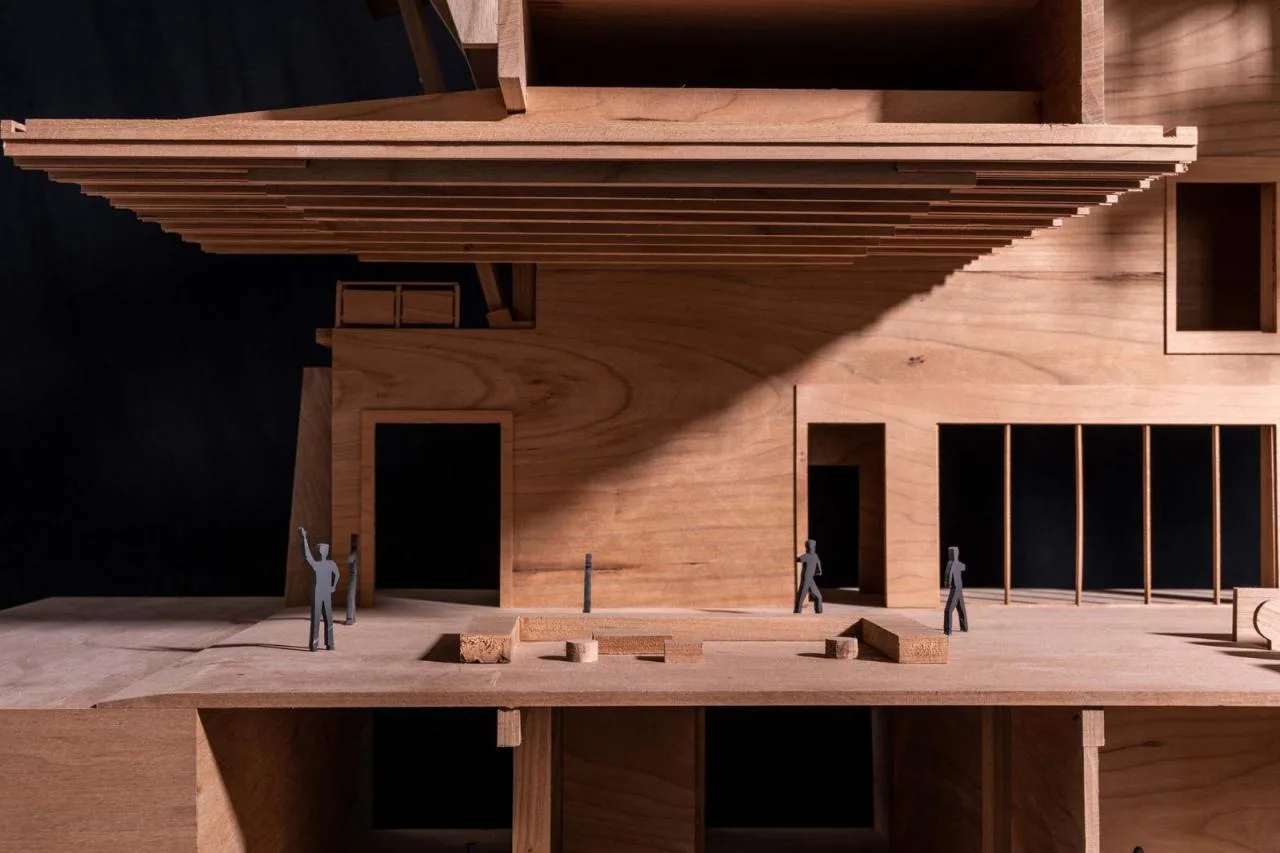
△ Model diagram
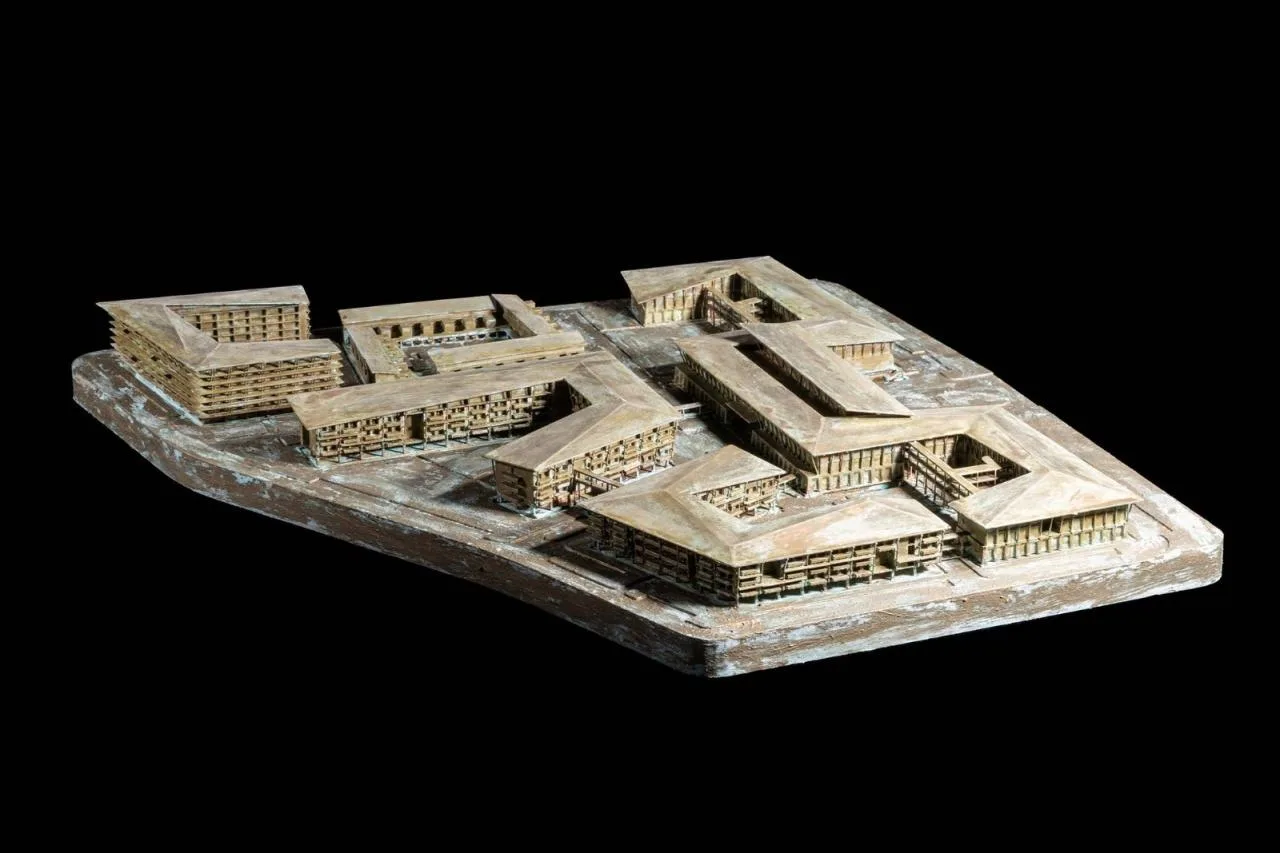
△ Model diagram
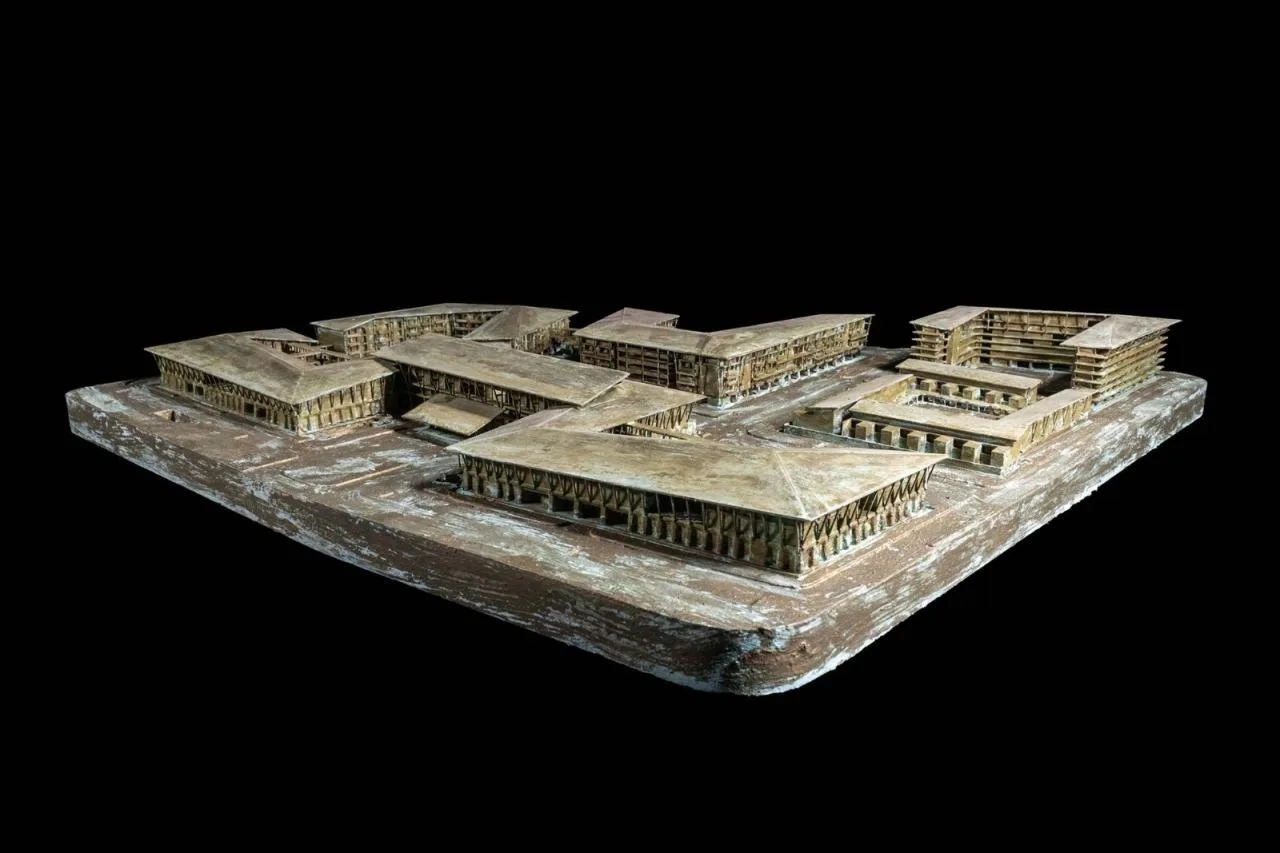
△ Model diagram
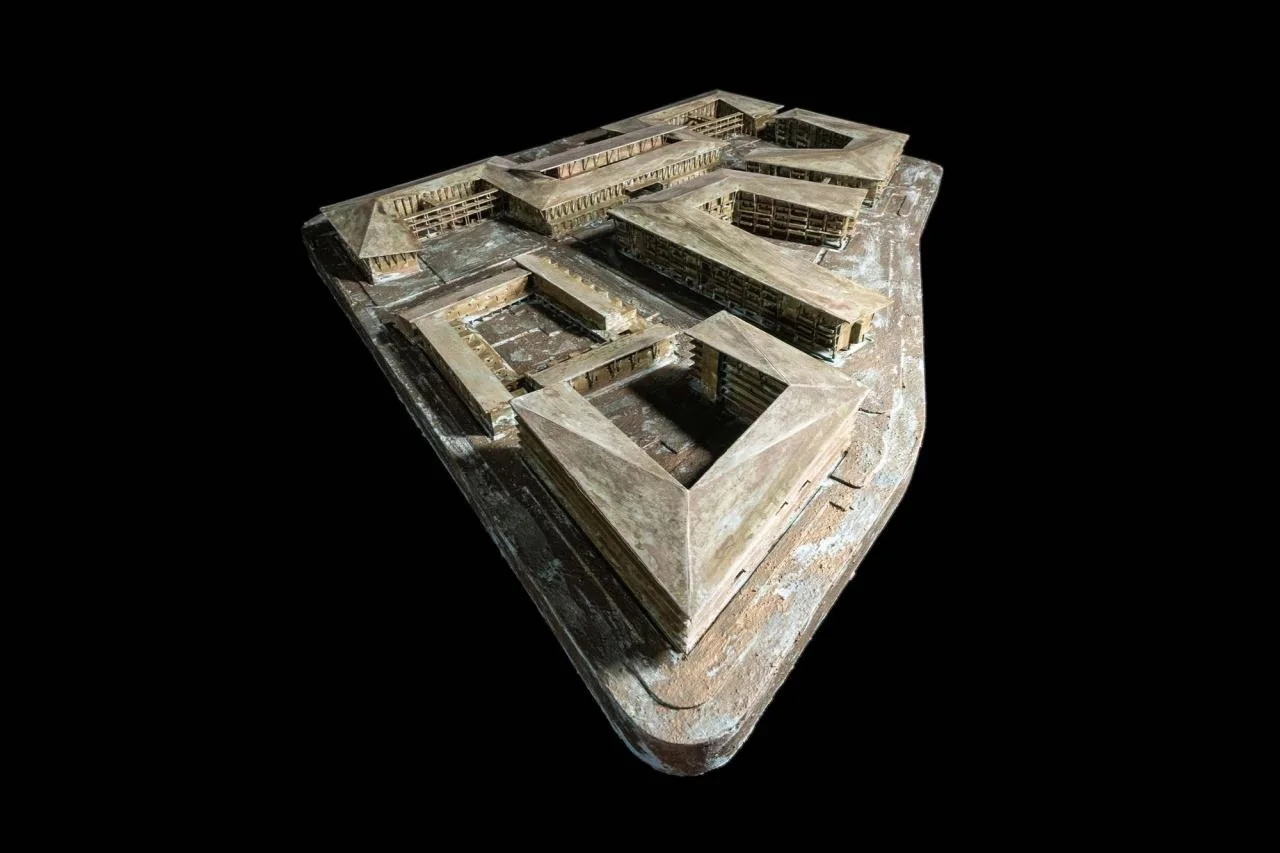
△ Model diagram
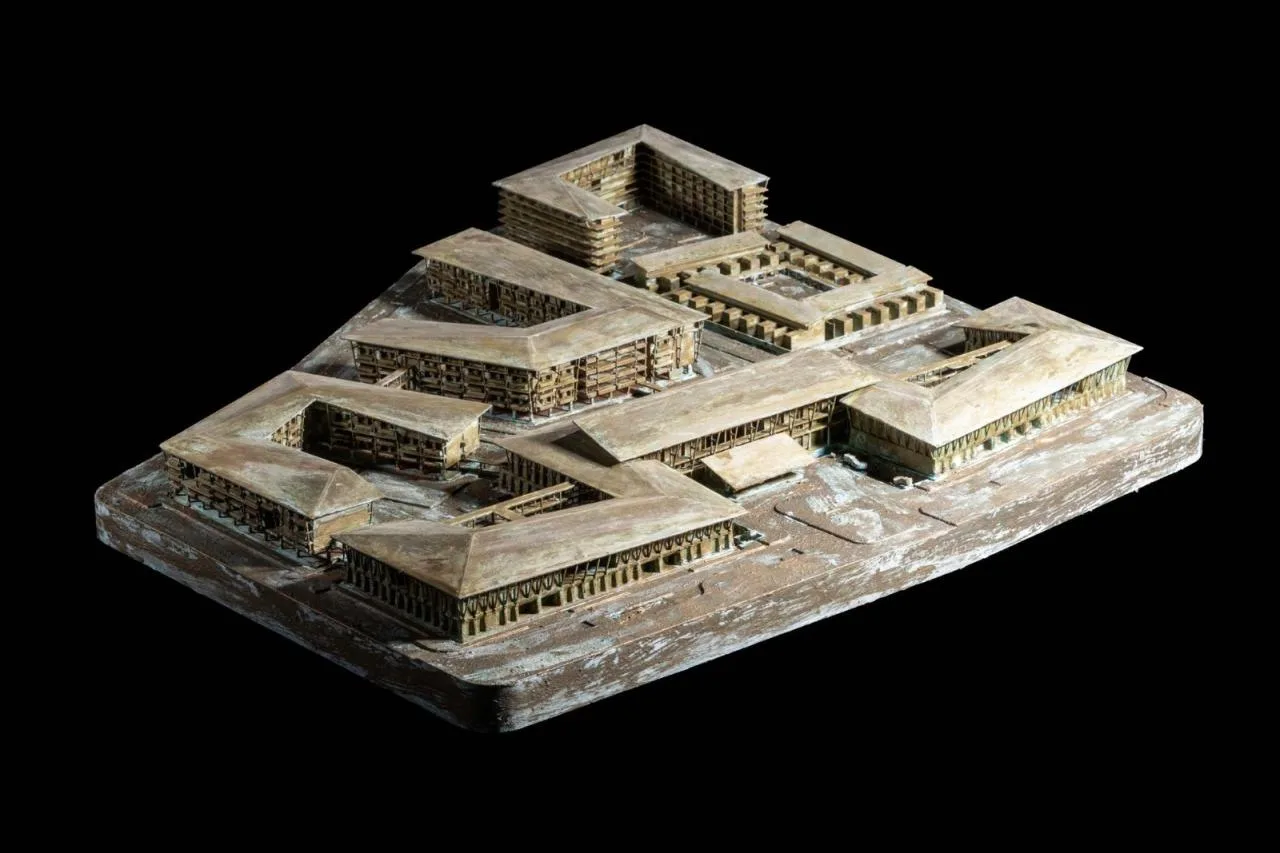
△ Model diagram
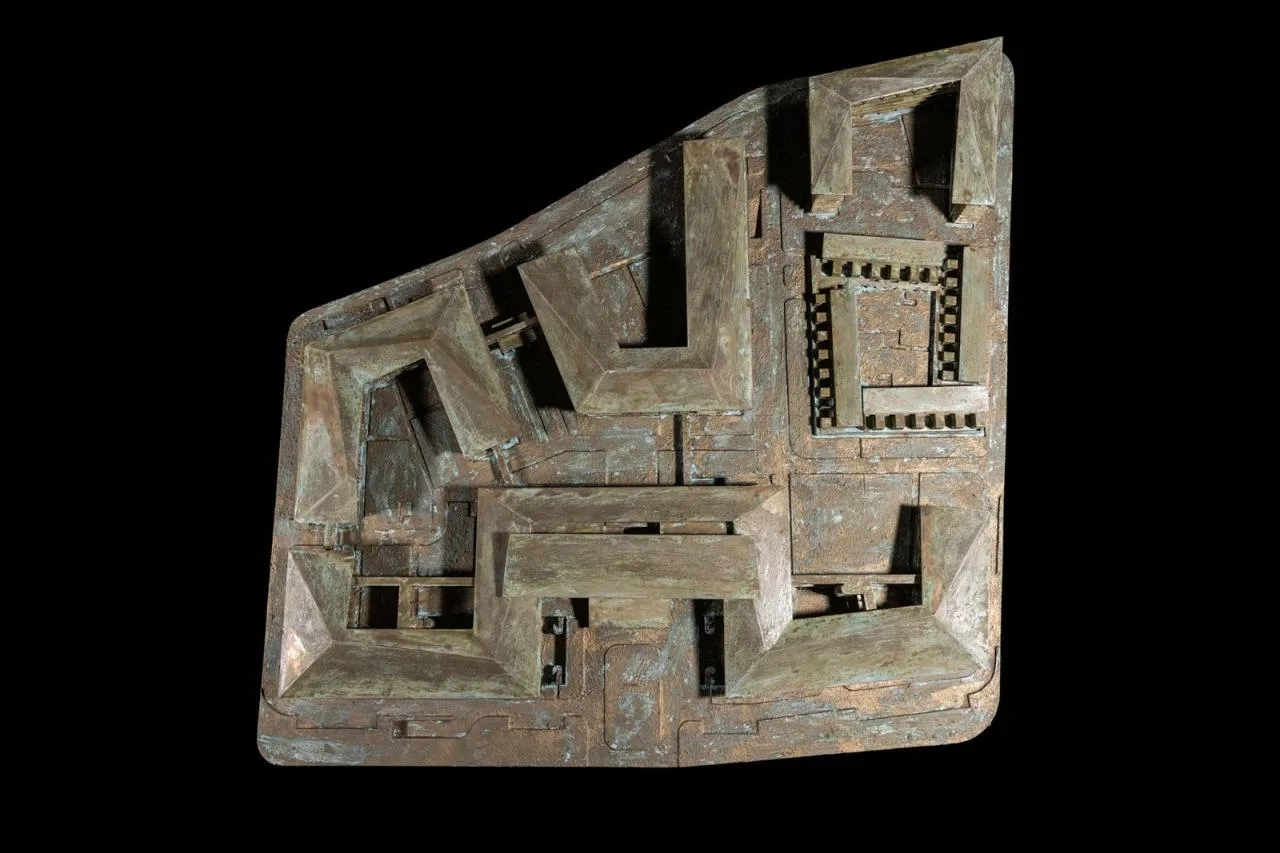
△ Model diagram
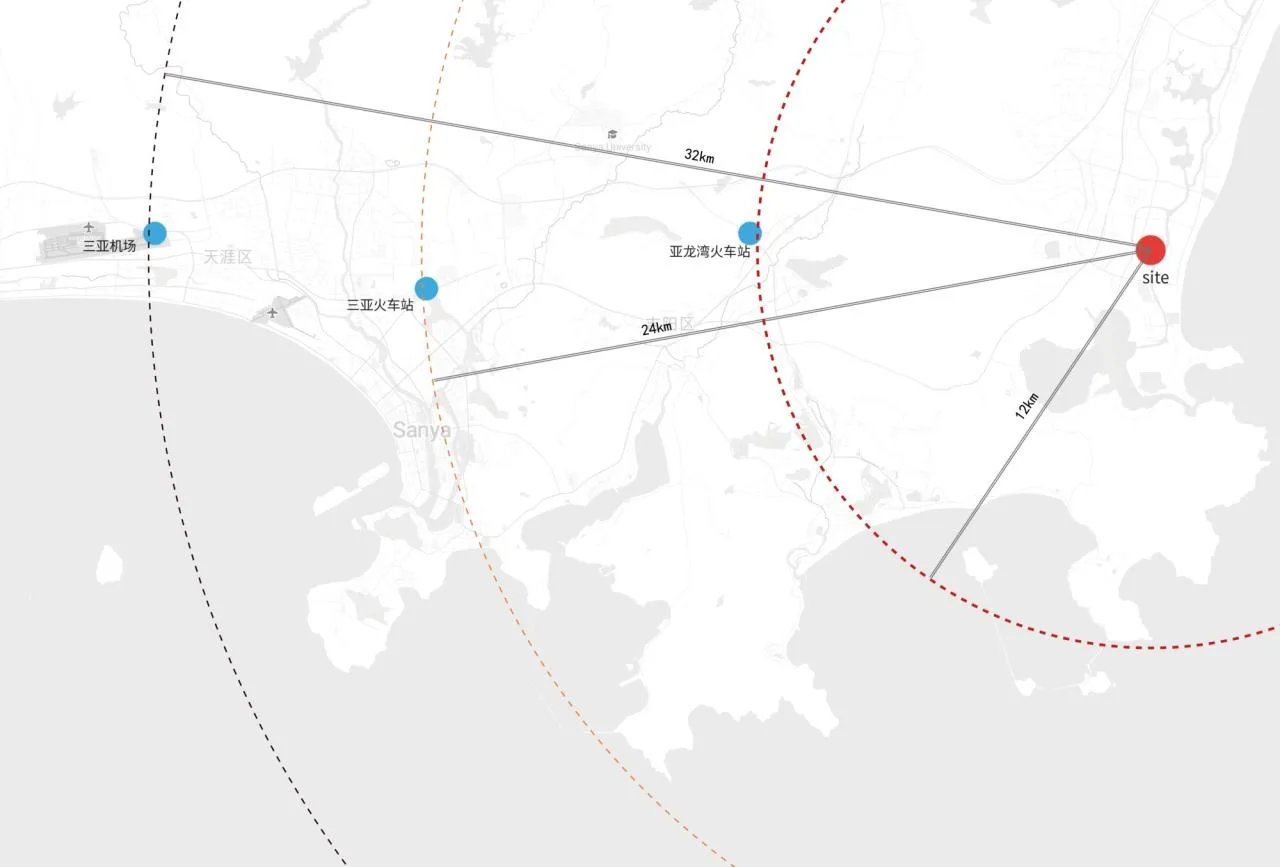
△ Location Map
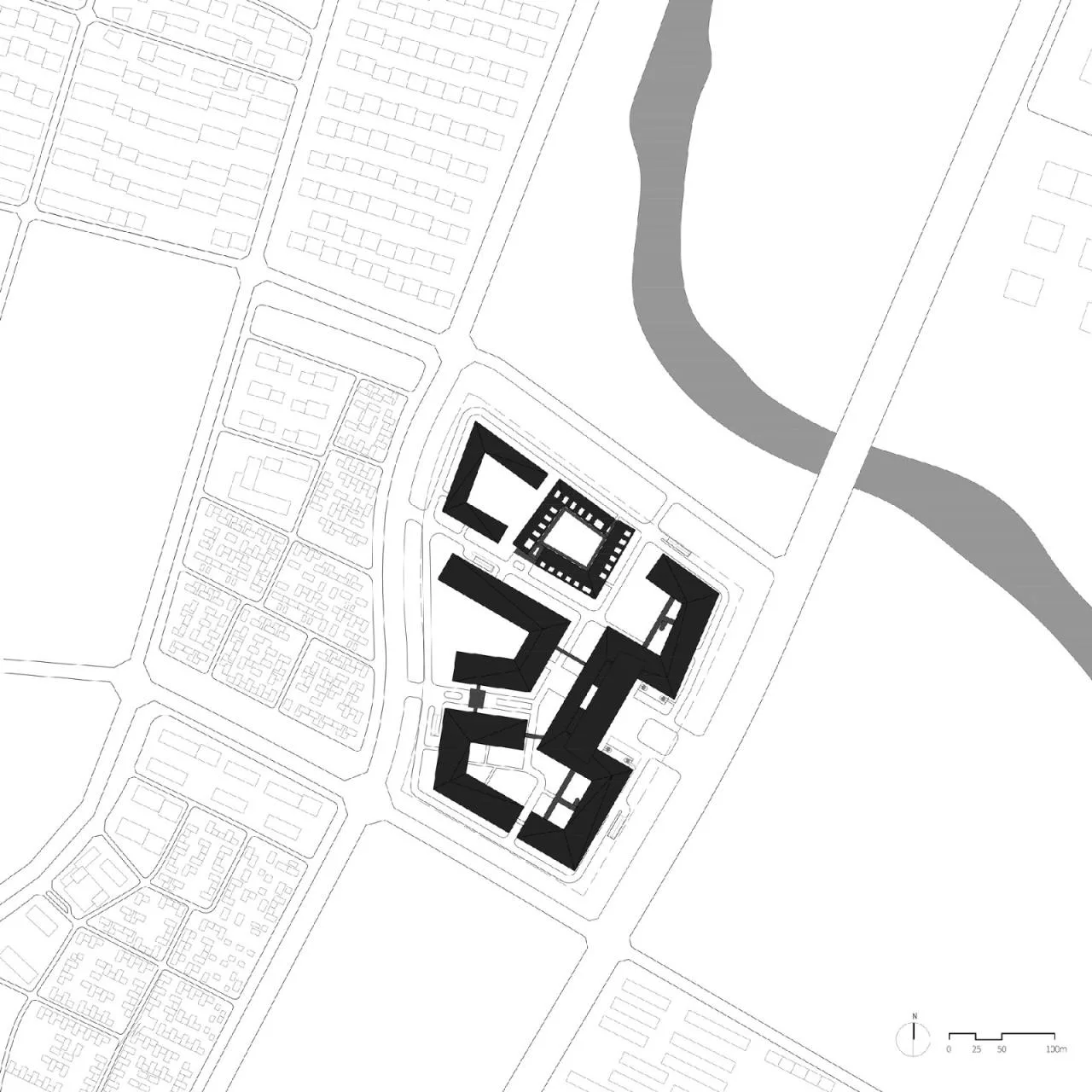
△ General layout plan
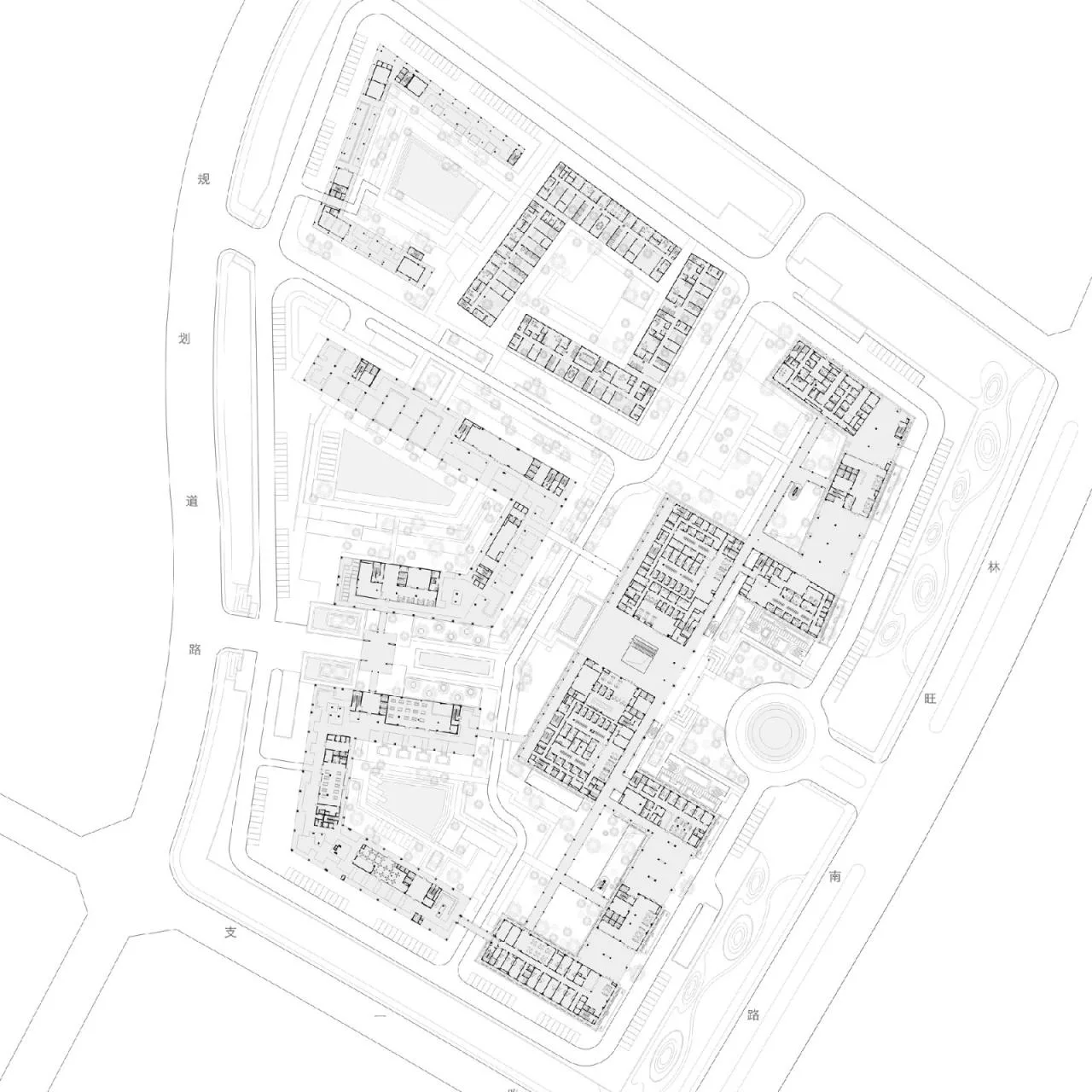
△ First floor plan
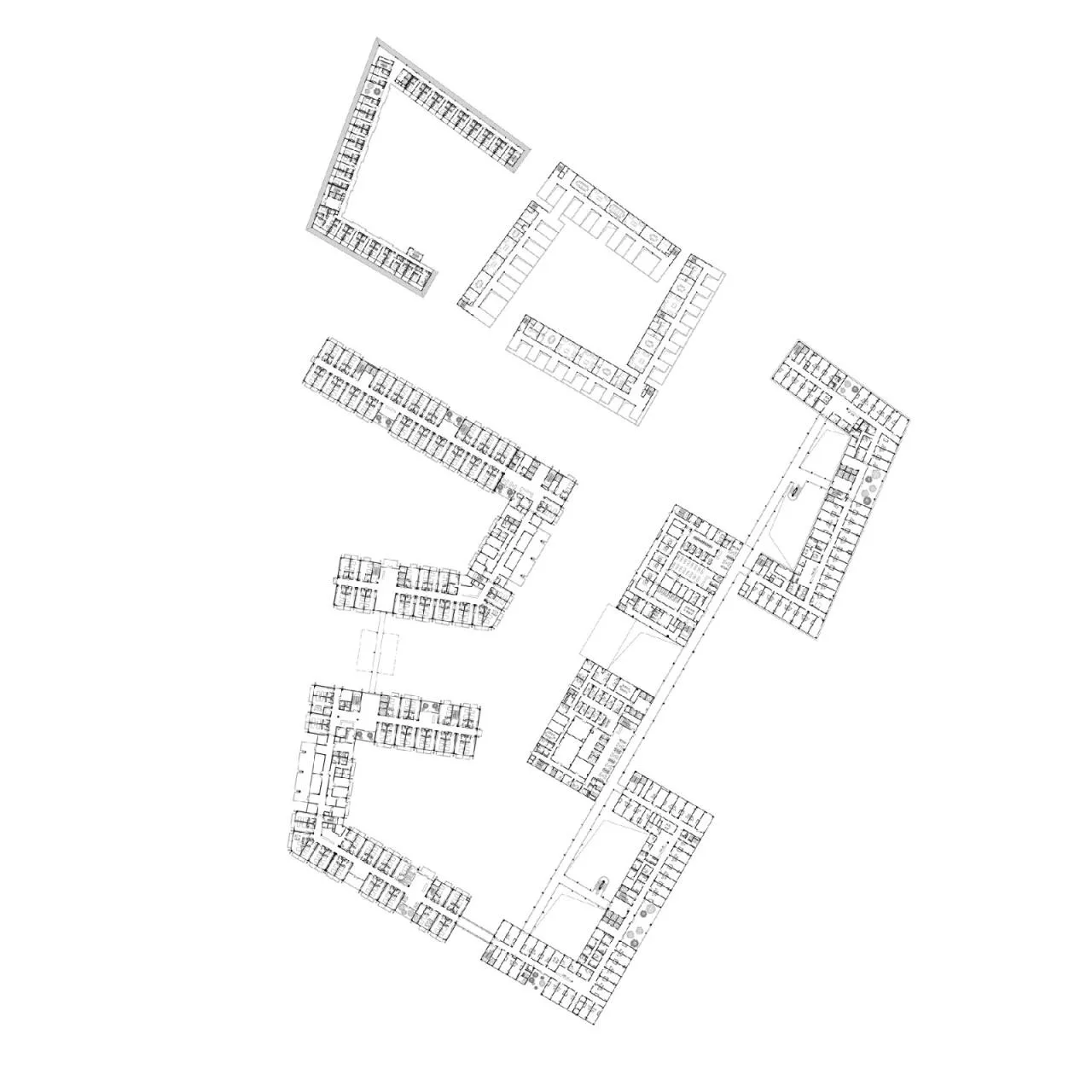
△ Second floor plan
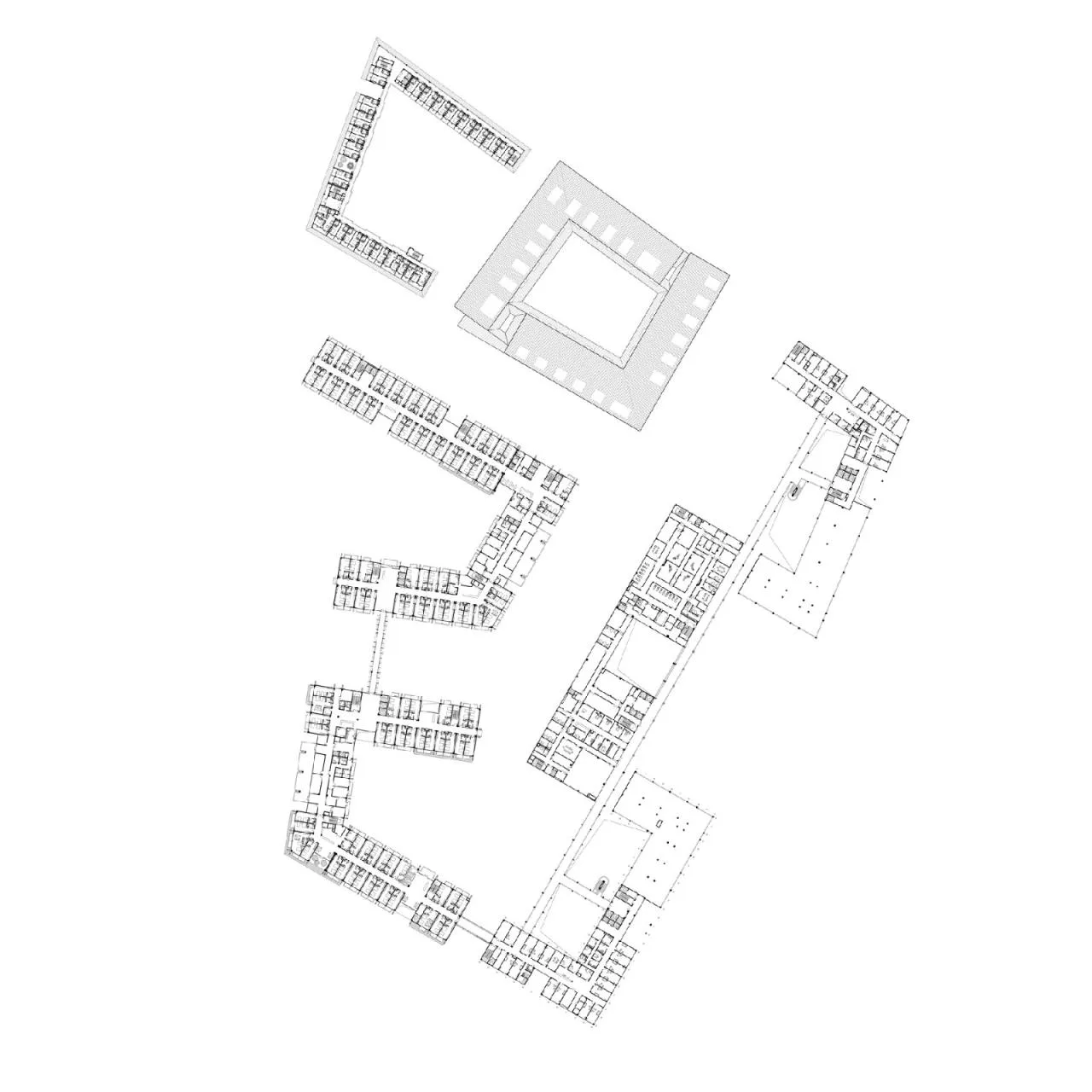
△ Third floor plan
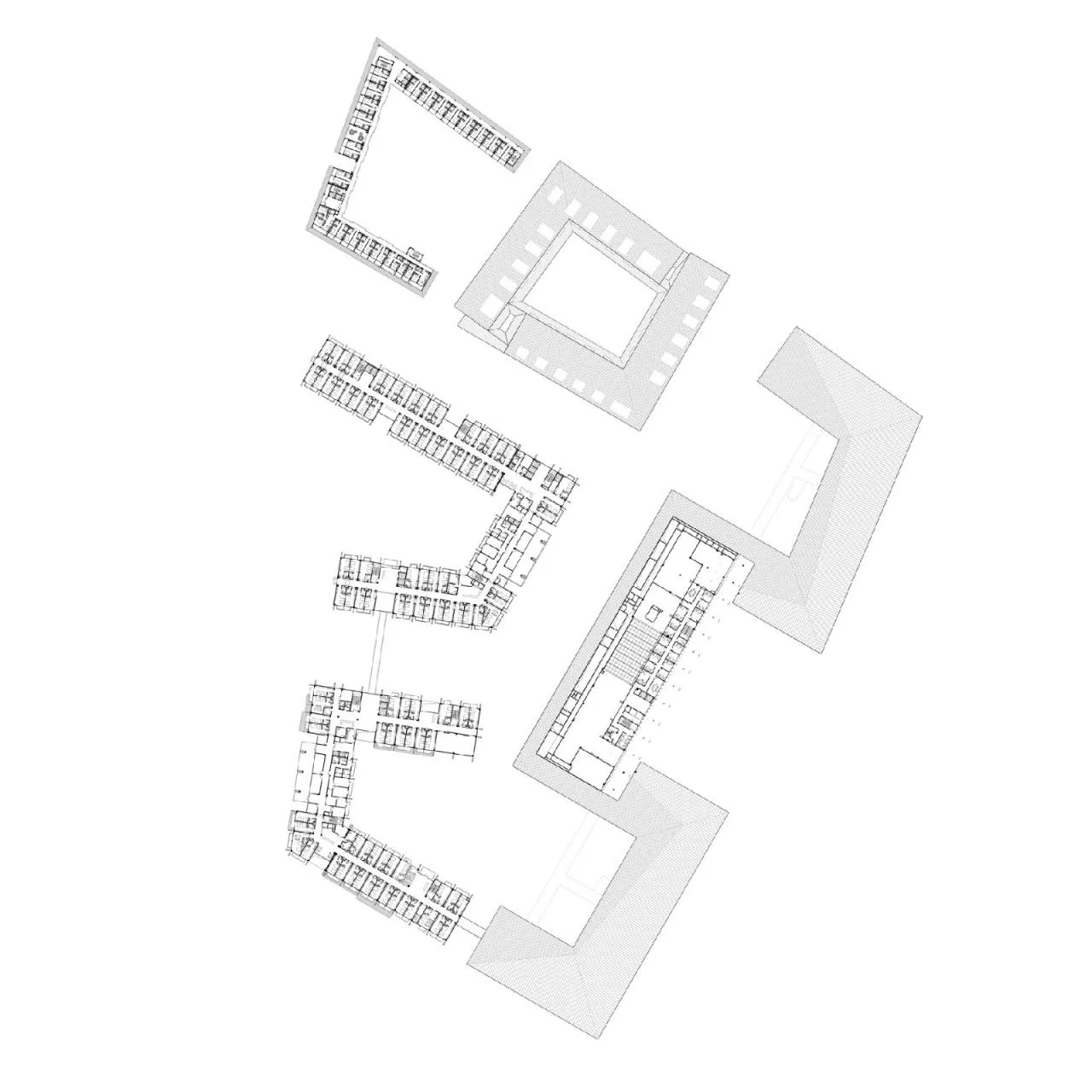
△ Fourth floor plan
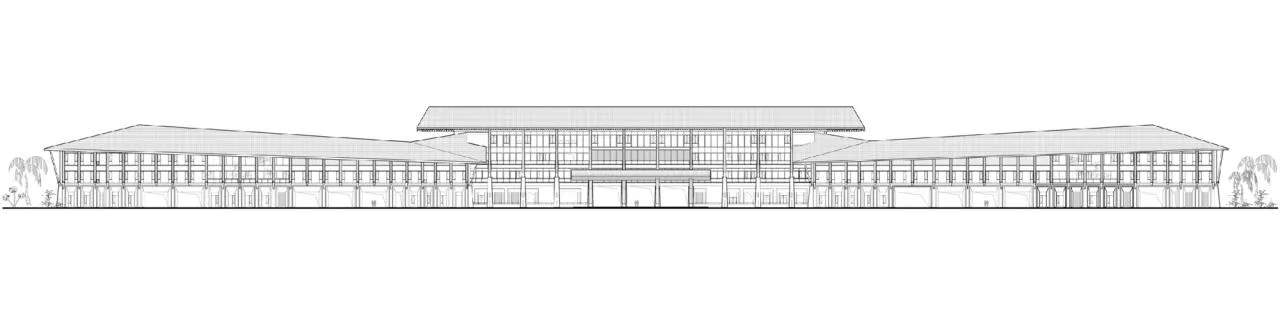
△ Elevation drawing
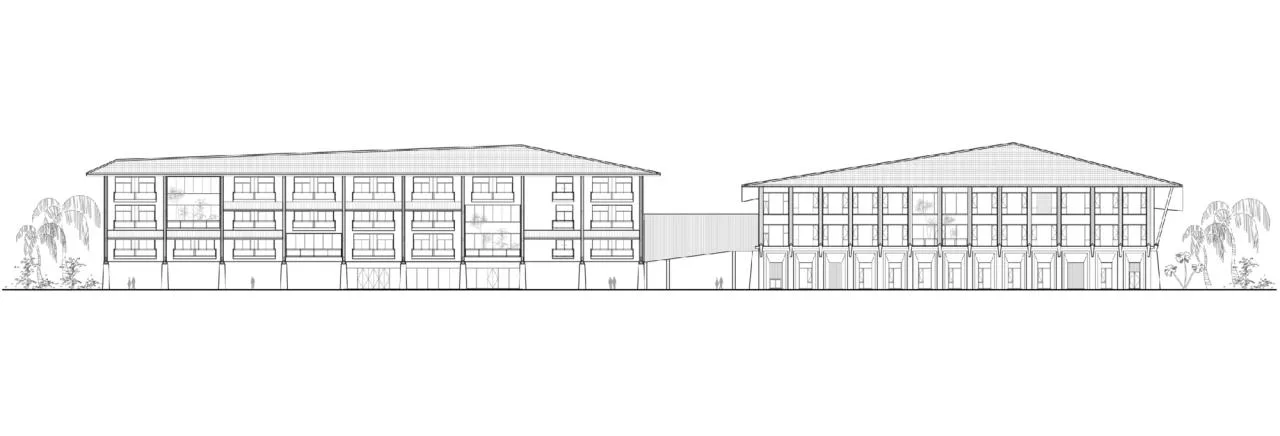
△ Elevation drawing
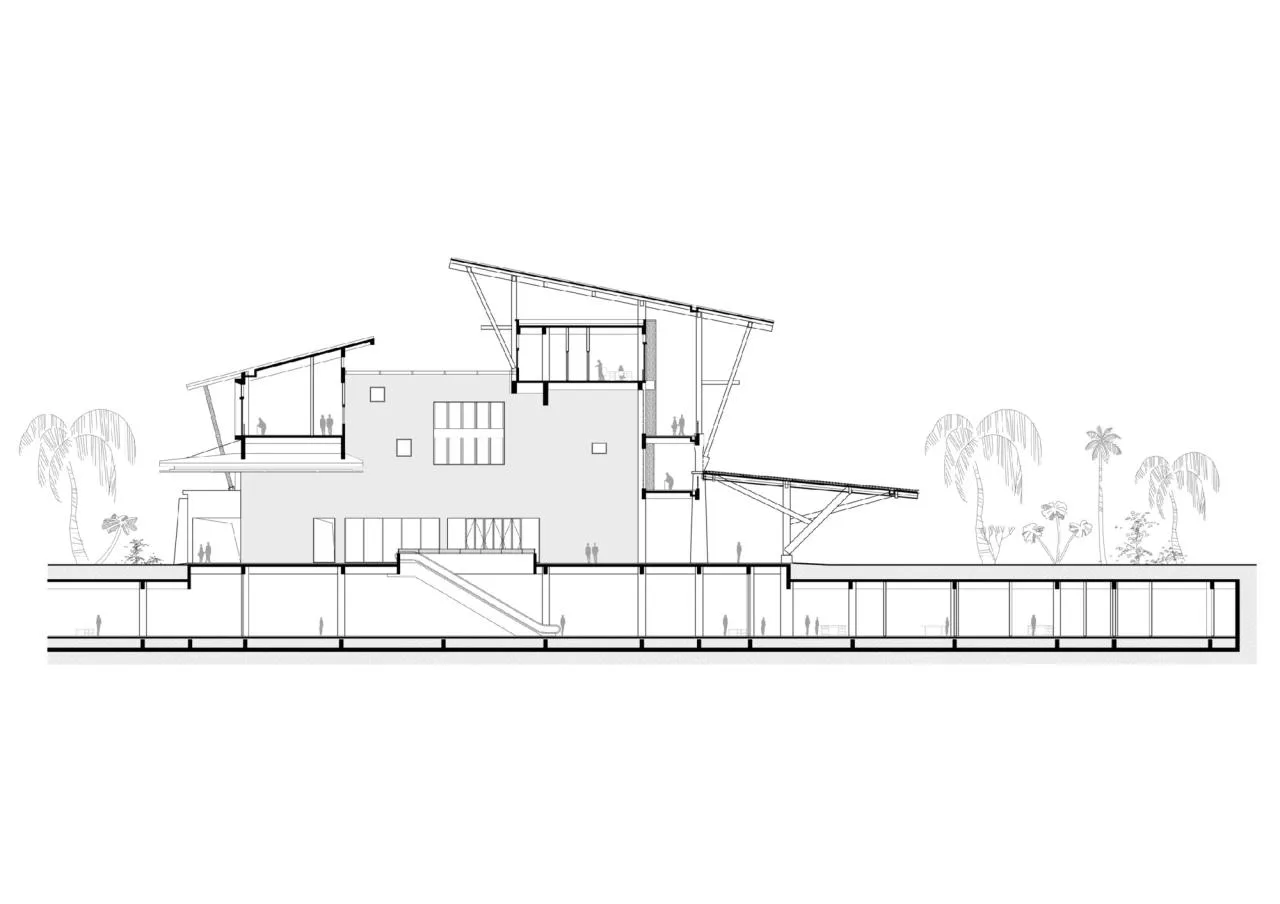
△ Section of the medical building atrium
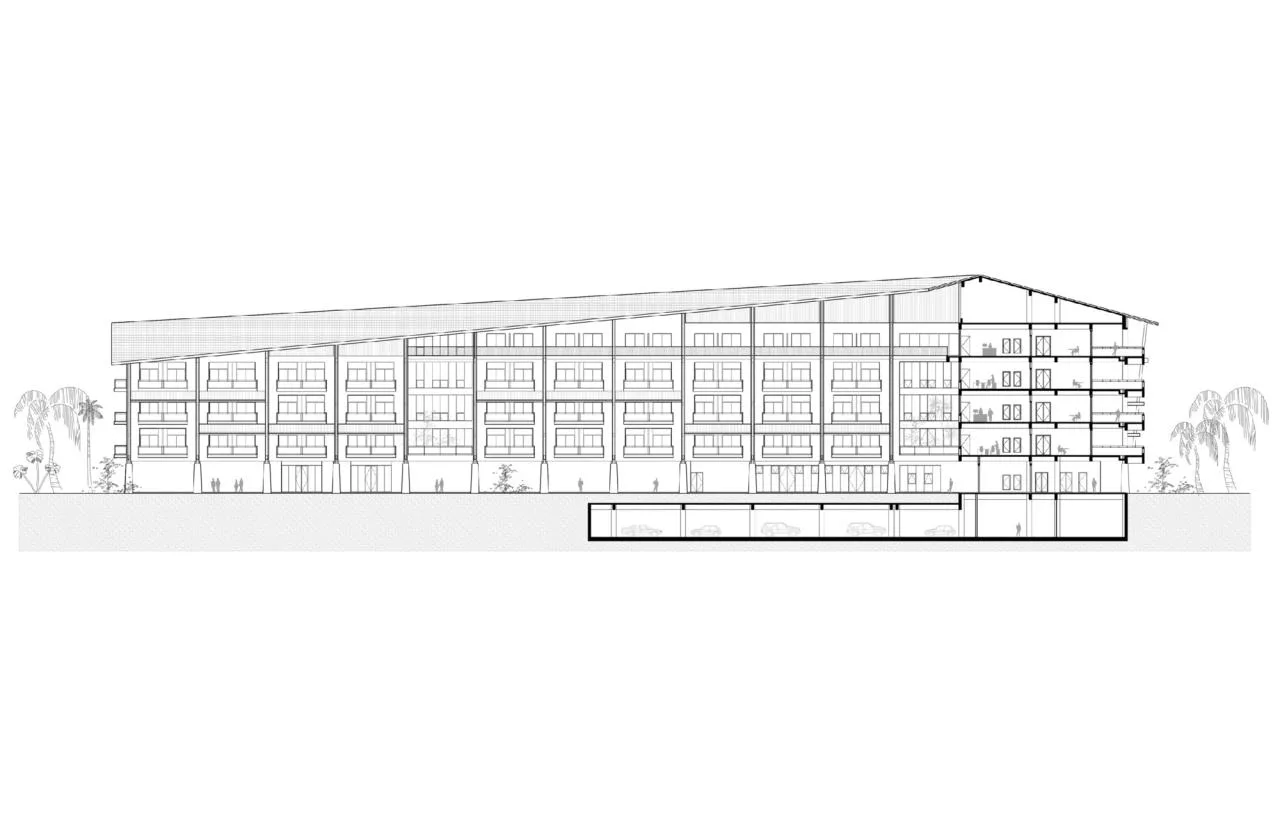
△ Section of the holiday-style ward building
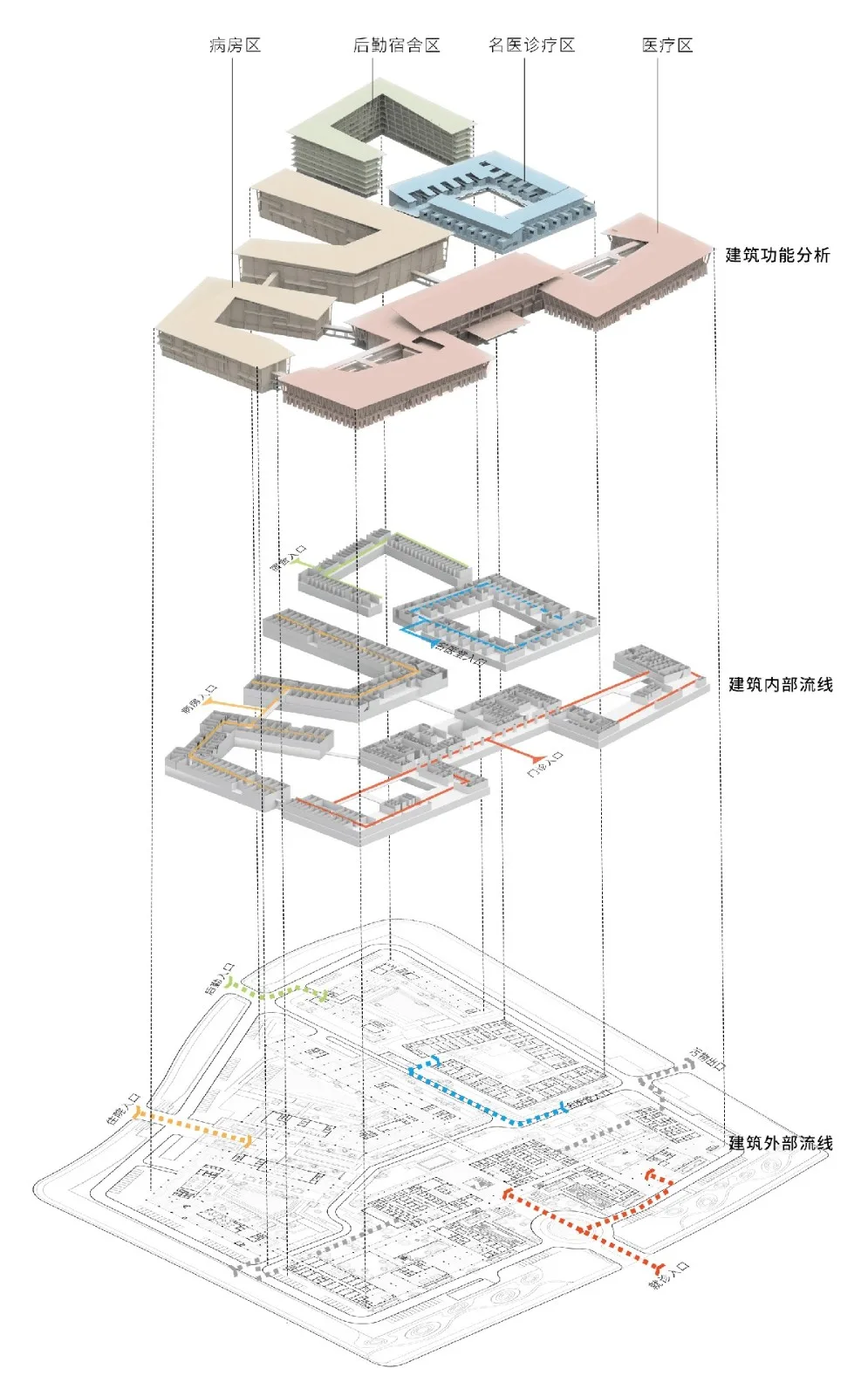
△ Analysis diagram
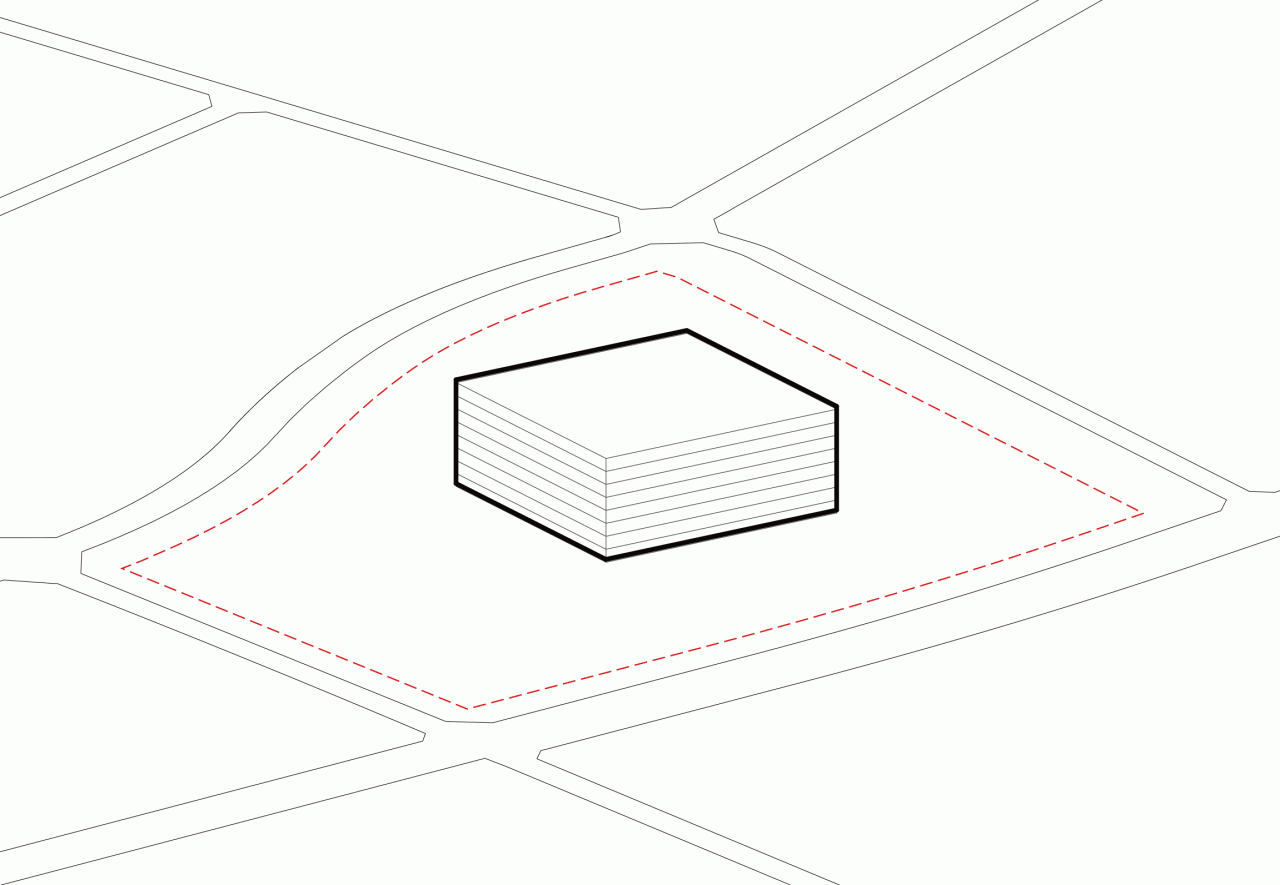
△ Design generation diagram
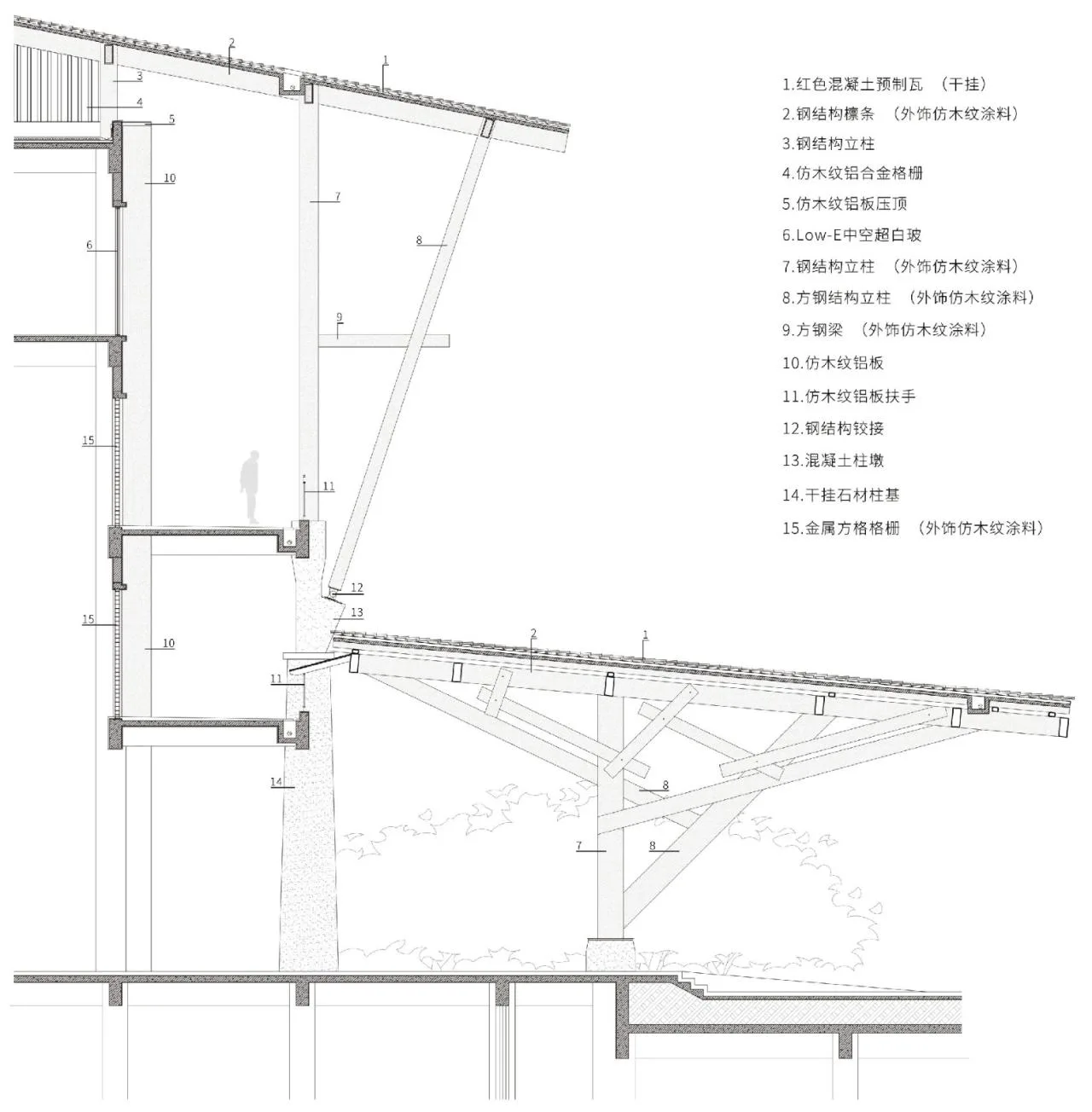
△ Main entrance facade skin structure
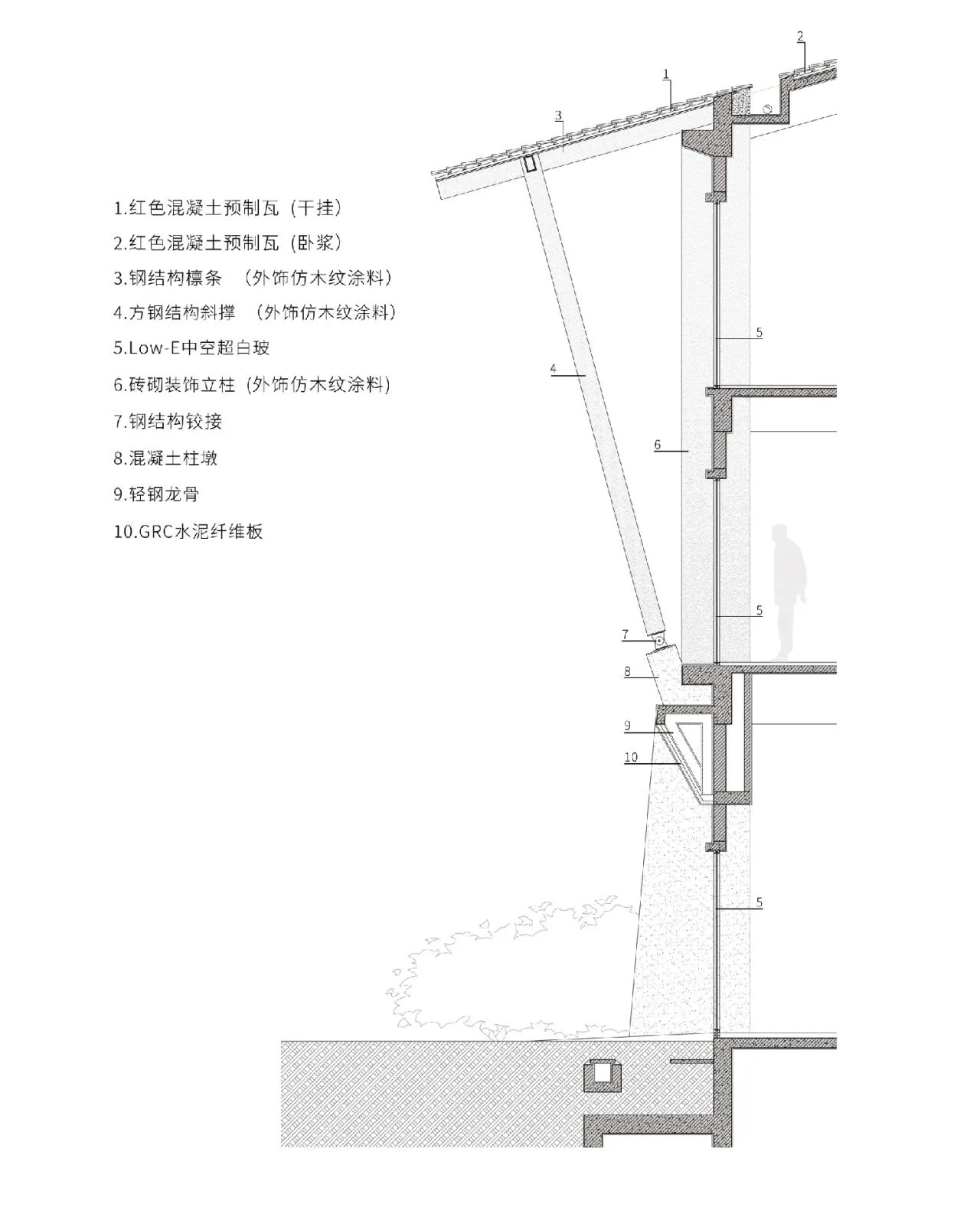
△ Facade skin structure
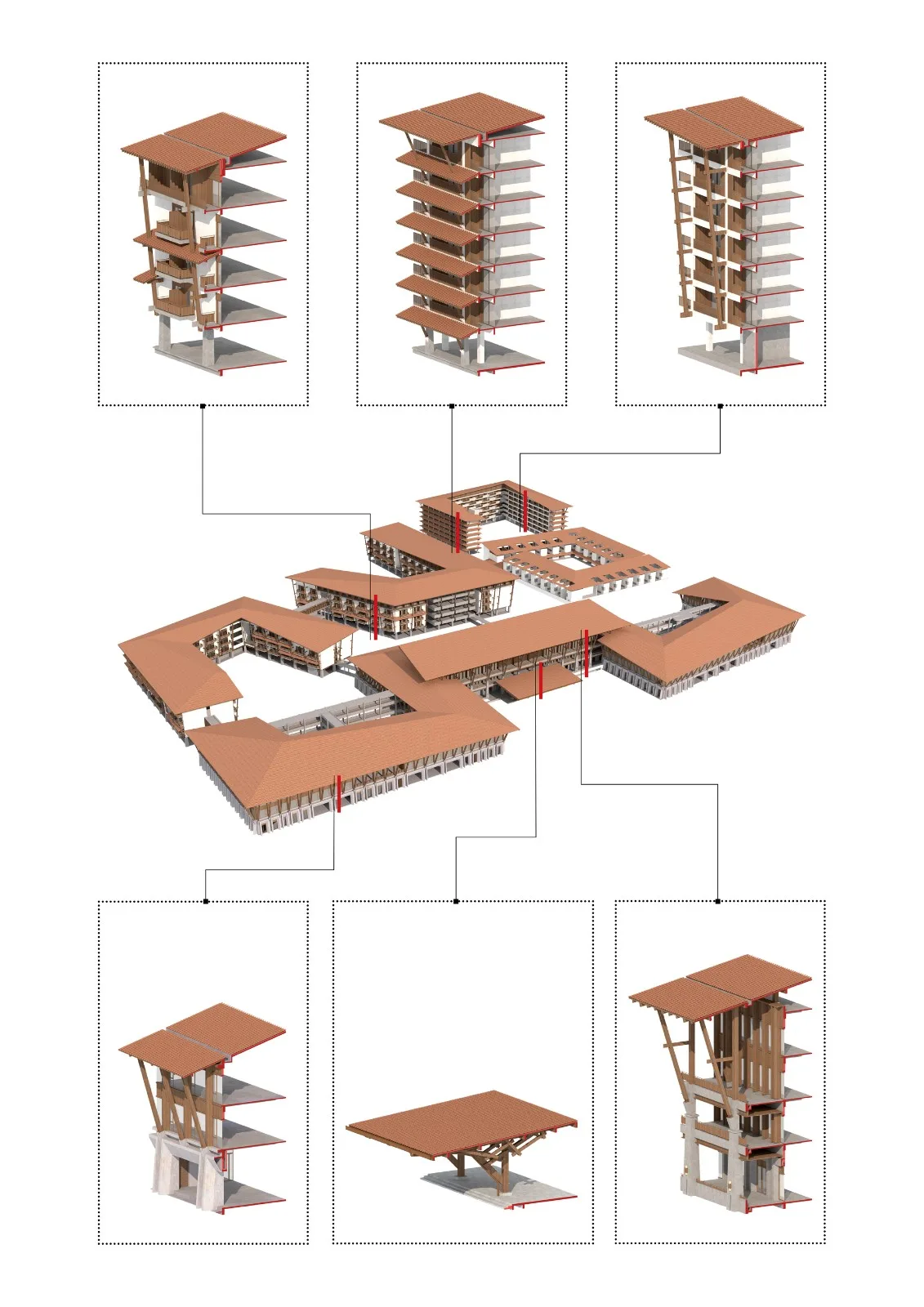
The facade motif has evolved, generating diverse variations.
Project Information
Architectural Design: Line+
Area: 136,144 m²
Project Year: 2021
Photographer: Summer Solstice, Chen Xi
Lead Architect: Meng Fanhao
Project Managers: Li Xinguang (Architecture), Li Shangyang (Landscape)
Design Team: He Yaliang, Huang Guangwei, Zhang Hanqi, Xu Tianjiu, Tu Dan, Wan Yuncheng (Architecture); Jin Jianbo, Chi Xiaomei, Zhang Wenjie, Li Jun (Landscape)
Advisory Team: Deng Linshuang, Wang Zhiyao, Guo Xinyin, Ding Tao, Jia Jing
Owner: Liwang Zhuoyue (Sanya) Health Management Co., Ltd
Medical Technology Consultant: Dai Wen Engineering Design (Shanghai) Co., Ltd
Construction Drawing Design: Hainan Provincial Architectural Design Institute
Curtain Wall Collaboration: Shenyang Yuanda Aluminum Engineering Co., Ltd
Location: Sanya, China















Must log in before commenting!
Sign Up