
Currently, the application of BIM technology is primarily seen during the design phase of building structures and related disciplines. Leading design firms are progressively adopting BIM technology and its associated software, actively promoting its use. This shift liberates designers from the traditional role of “draftsmen,” enabling them to fully express their creative vision and focus more on conceptual and detailed design development.
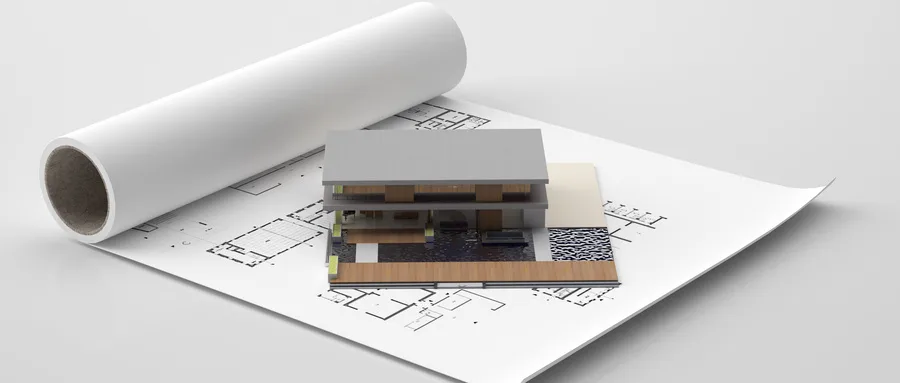
In detailed design tasks, BIM technology extends beyond basic structural modeling and 3D spatial simulation. It enables the use of information models to analyze factors such as building energy consumption, structural integrity, acoustics, thermal performance, sunlight exposure, and construction costs. Additionally, BIM supports multidisciplinary clash detection, quantity estimation, and investment calculation, leading to continuously refined and more scientifically grounded design solutions.
Moreover, the BIM information platform offers data interfaces compatible with various professional design software. This facilitates the transfer and sharing of project designs, construction data, and review progress, promoting collaboration among specialists. Through coordinated clash detection involving structural systems, HVAC pipelines, electrical equipment, and ventilation, BIM helps improve design detail and minimizes costly design changes during later project stages.
The key benefits of adopting BIM technology during the engineering design phase include:
1) Architectural designers gain the ability to fully express their creativity within a three-dimensional, multi-angle design environment, enhancing innovation and the overall quality of architectural design;
2) The comprehensive integration of BIM software fosters a collaborative workspace among designers, construction teams, and various disciplines. This streamlined communication significantly boosts design efficiency and the quality of building outcomes;
3) Three-dimensional architectural models serve as more effective tools for design communication and presentation. They help prevent misunderstandings common with two-dimensional drawings, especially regarding detailed building components and construction structures, ensuring smoother coordination with industry professionals and clients throughout the design process;
4) The consolidated architectural design information within the BIM system provides valuable resources for designers to elevate their work. It supports deeper design development, addresses special client requirements, and enables thoughtful planning of sunlight, lighting, and acoustics to effectively control design performance.
















Must log in before commenting!
Sign Up