
Promoting BIM technology requires a collaborative effort from all stakeholders in the construction industry, focusing on the following key areas:
1. Design Agencies and Drawing Practices
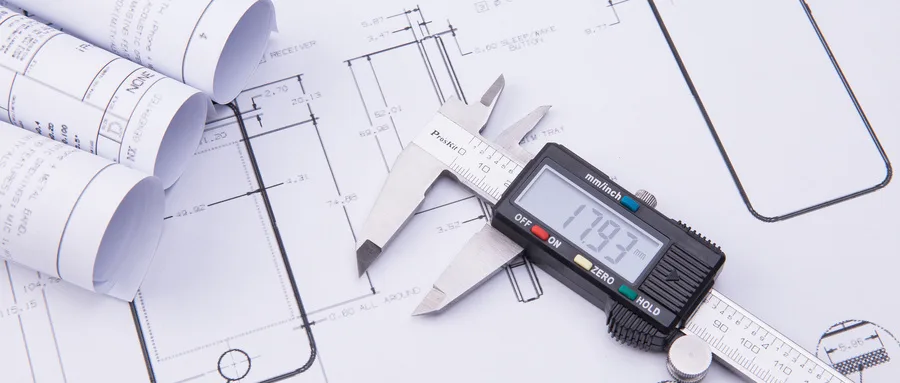
Currently, most 3D design software is developed by foreign companies and its adoption in China remains unsatisfactory. Many design firms struggle primarily with the drawing phase. To ensure that design drawings produced by these software tools comply with industry standards and conventional construction expressions, designers often face significant challenges.
2. Software Development and Standards Improvement
Software companies must enhance their products, and simultaneously, adjustments and improvements in 3D drawing standards are essential. This dual effort will eliminate designers’ concerns about converting 3D models to 2D drawings, enabling 3D designs to be more construction-oriented and impactful.
3. Integrating BIM into Sales Processes
Currently, most developers rely on floor plans, 3D models, or promotional animations created during the planning phase to market their projects. However, these often differ significantly from the finished buildings, causing consumer distrust and hindering an intuitive understanding of spatial layouts. BIM software like AECOsim Building Designer facilitates easy rendering and animation, and importantly, 3D models can be viewed in real time on mobile devices such as iPads, providing detailed information about the models.
4. Closer Integration Between Conceptual Designs and Construction Drawings
At present, concept-stage software such as SketchUp and Rhino are widely used for simple modeling and rendering. However, these tools present challenges when converting models into construction drawings. The goal is for BIM technology to resolve this disconnect, achieving seamless integration between design concepts and construction documentation.
5. Enhancing Collaboration Among Professionals
Collaboration between software professionals remains imperfect, with numerous issues to be addressed. Improved real-time, convenient, and intelligent collaboration is needed. For example, if one professional updates a drawing, the system should automatically notify other team members to keep everyone aligned.
6. Compatibility Between BIM Tools and Calculation Software
Although some software can convert models between platforms, compatibility is still far from ideal. Calculation results should be directly imported into the drawing model, allowing reinforcement calculations to be visualized and integrated into construction drawings. Additionally, annotations linked to the model should update in real time to reflect changes.
7. Utilizing GIS for Facility and Property Management
Using GIS extension modules in operation and maintenance software helps describe property and facility information by combining data with geographic information systems. GIS’s visual representation supports more comprehensive decision-making. Many leading maintenance organizations recognize GIS’s growing market value, leveraging its insights to improve decisions and boost economic benefits.
















Must log in before commenting!
Sign Up