
BIM technology is continuously advancing, and to differentiate its various development stages, industry experts classify it into BIM 1.0, 2.0, 3.0, and even 4.0. As BIM technology progresses, it has gradually been integrated into every phase of architectural design. During the schematic design stage, building performance and costs can be effectively managed, while multiple disciplines collaborate using BIM technology. This phase is commonly referred to as BIM 2.0.
BIM 2.0 holds great importance for design firms, designers, and clients alike. The collaborative workflow in the BIM era has become much more seamless, as design data from different disciplines is embedded within the model. Design deliverables such as floor plans and detailed drawings can be easily generated by capturing screenshots directly from the model.
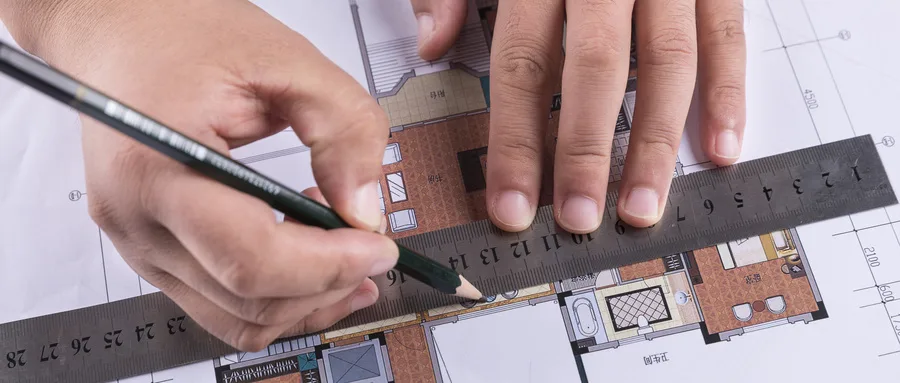
With BIM 2.0 technology, designers can not only create detailed 3D models but also directly export 2D construction drawings. This approach deepens their understanding of design details and highlights the importance of interdisciplinary collaboration, enabling them to enhance their skills more rapidly. It empowers engineers from various fields to become true designers, moving beyond the mere task of drafting.
For design agencies, BIM 2.0 eliminates traditional repetitive drafting work. Designers become 3D model creators, fostering greater cooperation among professionals. This significantly boosts design efficiency, shortens project timelines, and simplifies drawing revisions. These improvements lead to cost reductions and enhanced economic benefits. Furthermore, the mature application of BIM technology strengthens a design agency’s market competitiveness and supports higher design fees. BIM 2.0 also markedly improves drawing quality, hones designers’ skills, and elevates the overall capability of design institutions.
Only BIM 2.0, which integrates both models and drawings, can maximize design utilization. It allows for early risk identification, greatly improves drawing quality, reduces revisions, and eliminates errors previously common in traditional drawings. For clients, BIM 2.0 effectively controls and shortens both the design cycle and construction period. Although the initial stages of BIM 2.0 may be slower than traditional 2D design, its speed and accuracy increase significantly in later stages. Drawing revisions become quicker, as plans, elevations, sections, and detailed drawings can be modified directly in the model without introducing secondary errors.
BIM 2.0 enables clients to manage team sizes efficiently and control building material quantities accurately through the information contained in the BIM model. It also facilitates intuitive collaboration with construction teams, greatly reducing labor costs. Clients benefit by paying a single design fee that covers both 2D and 3D design, resulting in a superior outcome compared to traditional 2D design methods. Additionally, BIM 2.0’s visualization capabilities allow clients to actively participate in the design process with simple interactions, providing a clearer understanding of the final product and helping to avoid decision-making errors.
Content source: “Research on the Application of BIM 2.0 Technology in Residential Building Design” by Yang Xiao
For learning and communication purposes only. Copyright belongs to the original author. If there is any infringement, please contact us for removal.
















Must log in before commenting!
Sign Up