
BIM technology models store far more comprehensive data compared to traditional 2D drawings. They not only capture fundamental details such as structural, architectural, and mechanical and electrical equipment information, but also enable automatic and precise calculation of quantities through the 3D data of individual components. This data can be classified, summarized, and compiled into detailed reports.
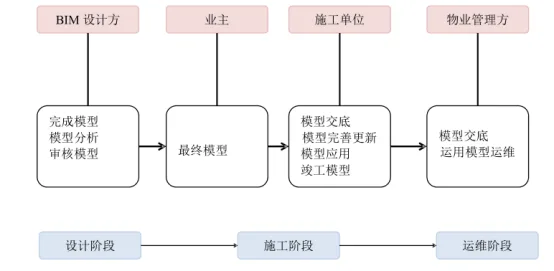
Figure 1: Transfer process of a BIM model
Since building components within a BIM model contain at least three-dimensional information—namely length, width, and height—they occupy specific spatial positions. This allows for easy identification of component types and the calculation of work quantities based on the components’ input properties in the digital model. To calculate quantities, BIM software or plugins can generate corresponding reports. These quantities are accurate as they are derived by integrating calculation rules with the 3D model’s deduction relationships. Furthermore, cost data is automatically formatted into electronic documents following local cost file formats and specifications, facilitating sharing, modification, and calculation among various team members.
Additionally, BIM enables the input of construction project information just once during stages such as investment decision-making, transactions, and construction. This data seamlessly flows through the project lifecycle and can be utilized at different phases, as illustrated in Figure 1. For example, during budgeting, the 3D model helps quickly calculate quantities and supports design reviews. During construction, management teams use the 3D model to simulate the construction process. Finally, during project settlement, the simulated model allows for rapid calculation and display of change amounts and pricing lists.
















Must log in before commenting!
Sign Up