
The full English name of BIM is Building Information Modeling, with the most widely accepted Chinese translation being the same. BIM is a digital model based on 3D technology that integrates engineering components and functions, applied throughout the entire lifecycle of design, construction, and operation.
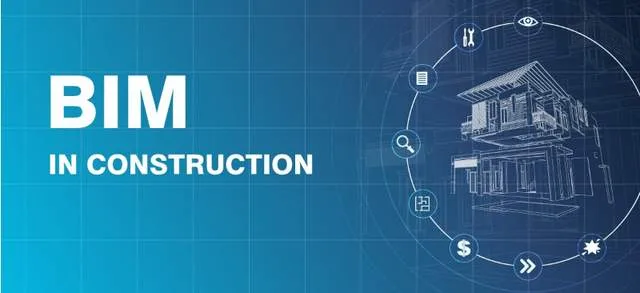
The concept of BIM has been interpreted by various organizations, yet no single, unified industry definition exists. In 2002, the American BIM standard (NBIMS) described BIM as a representation of the physical parameters and performance of a construction project. Throughout different project phases, all stakeholders use the BIM platform to extract, modify, update, and communicate information to complete their collaborative tasks.
Also in 2002, Autodesk defined BIM in its “BIM White Paper” as a method that enables easy, fast, and efficient access to project information across different engineering stages. Later, in 2008, the Facility Information Committee (FIC) of the International Organization for Standardization characterized BIM as a computable and modifiable form of physical and functional project parameters throughout the project lifecycle, adhering to open industry standards to maximize project value.
McGraw Hill Building Information, a Fortune Global 500 company, noted in its publication “Building Information Modeling – Planning and Managing Projects with 4DCAD and Simulation” that BIM simulates the design, construction, and operation management processes of a project through a three-dimensional digital model. This 3D model encompasses all lifecycle information of the project, from initial design through operation and eventual decommissioning. Thus, BIM is not only a method and tool but also a process for managing project design and data throughout the entire construction lifecycle.
















Must log in before commenting!
Sign Up