
Engineering quantity calculation is a critical aspect of project cost management, involving complex algorithms and detailed processes. However, due to human limitations, errors or omissions often occur, making it difficult to obtain an accurate bill of quantities. Additionally, early design drawings often have multiple versions, requiring repeated verifications that can further impact calculation accuracy.
Currently, in China, engineering quantity calculation software primarily relies on CAD platforms such as Tongwang and Luban. During the calculation process, the engineering information model must be reconstructed, with manual input of relevant data to link various elements, component information, and lists effectively. This manual intervention introduces risks associated with human error. Moreover, these software solutions struggle with irregular shapes like curved surfaces, resulting in inaccurate quantity data. Such discrepancies can lead to significant differences between engineering costs and final settlement prices, potentially causing disputes that seriously affect project timelines.
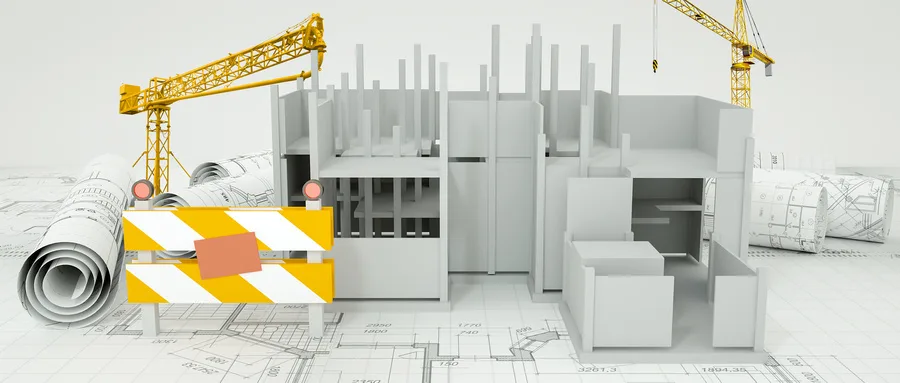
BIM (Building Information Modeling) is a digital representation technology characterized by rich data, object orientation, and parameterization. To calculate engineering quantities using BIM, a BIM model must be constructed. Computers then identify element types and attributes, classify components effectively, and generate quantity tables based on the model’s calculation requirements.
From a practical standpoint, BIM offers several key advantages:
(1) Unlike CAD software, which often requires multiple modeling steps, BIM achieves a comprehensive three-dimensional database with just one model, significantly improving statistical efficiency.
(2) BIM models are designed to support various stages of engineering projects, integrating information across all aspects. This integration reduces communication barriers throughout the project lifecycle, facilitating better collaboration and enhancing overall efficiency.
(3) Once a BIM model is established, any design changes automatically update the engineering quantities. Similarly, adjustments in project quantities are reflected in the model, streamlining and optimizing the calculation process.
(4) BIM allows modification of model data through both 2D and 3D views, enabling more detailed and accurate quantity statistics. This supports project information linkage, prevents errors caused by manual data entry, reduces costs, and shortens construction periods.
(5) BIM excels at representing non-geometric information, offering more precise calculations for fill and excavation volumes and superior performance in handling irregular surfaces.
















Must log in before commenting!
Sign Up