
BIM integrates diverse information throughout the entire lifecycle of engineering projects. It visually simulates various potential scenarios that may occur in the future of building products. By leveraging 3D models, BIM enables 3D design, construction management, engineering supervision, equipment management, as well as operation and maintenance management. Therefore, BIM is not just standalone software; it should be regarded as a management approach that significantly enhances the informatization and refined management of buildings.
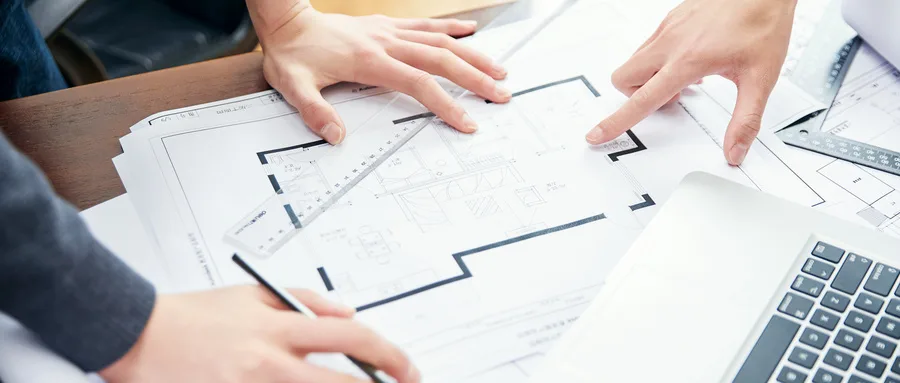
Using BIM, the detailed design of construction drawings primarily involves validating various professional drawings through comprehensive BIM models. This process includes integrating, coordinating, correcting, and optimizing all work to produce deepened drawings that guide the construction site activities.
By employing BIM technology, traditional 2D drawings transform into 3D models. The key advantage of 3D modeling is its ability to simulate the construction site at 100%, providing an excellent platform for detailed design work. Through the BIM platform, all professional models can be linked or duplicated, allowing for intuitive and convenient identification of issues within individual drawings as well as conflicts between them.
With the support of localized 3D views and sectional perspectives, timely modifications and adjustments can be implemented. This greatly enhances communication efficiency among designers and professionals from various disciplines, effectively resolving many design challenges commonly encountered in projects, such as pipeline clashes.
Furthermore, BIM optimizes space utilization to the fullest extent and improves the quality of construction drawings. This proactive approach helps avoid the need for costly rework in later stages of the project.
















Must log in before commenting!
Sign Up