
The engineering change procedures in traditional projects are often complex, time-consuming, and labor-intensive. They require a thorough manual review and analysis of the project status, followed by detailed estimations and calculations. This process involves high labor and time costs, and the accuracy of the results is frequently uncertain.
BIM technology creates a collaborative platform that organizes personnel from different departments efficiently, allowing for rapid problem identification and prevention of professional conflicts. Designing a complex project demands careful consideration of multiple disciplines, including architecture, structural engineering, mechanical and electrical systems, plumbing, and HVAC. The coordination and communication among these fields are typically challenging, costly, and inefficient. With a BIM-based collaborative platform, all disciplines connect in real time, enabling continuous communication and coordination throughout the design process. This improves and refines the design, effectively prevents conflicts between drawings from different disciplines, significantly reduces the number of changes, and lowers project implementation costs.
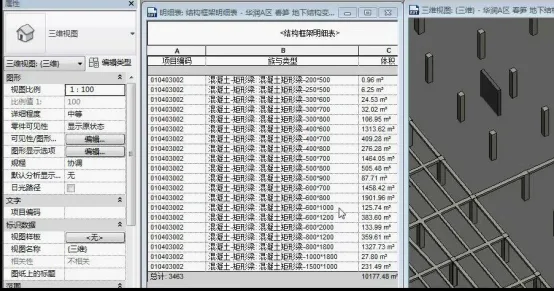
Figure 1: Change and Maintenance Record Form
During construction, even if changes arise from other factors, BIM models enable remote updates and rapid recalculations of the design. Shared models are updated in real time by various disciplines, allowing all stakeholders to access the latest information promptly and communicate instantly. This greatly reduces time and communication costs, ensures timely claims and approvals, prevents conflicts caused by processing delays, facilitates dynamic project cost management, and supports effective funding and scheduling. As shown in Figure 1, the change and maintenance record form for a specific project illustrates how continuous on-site progress feedback updates the BIM model. This approach ensures that all project participants receive accurate, up-to-date information, enabling informed decision-making and organized project management across all disciplines and teams.
















Must log in before commenting!
Sign Up