
Before the advent of BIM technology and its supporting software systems, some application systems like financial and engineering project management tools were used locally. However, many challenges persisted in information exchange and data sharing. These included cumbersome communication processes, low efficiency, information asymmetry, and asynchronous updates. As a result, various systems operated as isolated “information islands,” relying heavily on phone calls and online communication tools. The transformation in work modes before and after BIM implementation is illustrated in Figure 1:
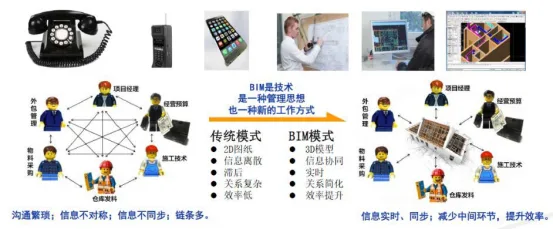
Figure 1: Changes in Work Modes Before and After the Introduction of BIM
The BIM-based management improvement research project has produced extensive consulting results. Moving forward, Zhongmou Bureau can implement and solidify these research findings by selecting appropriate BIM software. This will enable continuous enhancement of management levels across engineering and related projects. We have established a unified BIM model that connects the owner, designer, China Construction Bureau, supervisors, participating units, and various project departments.
By leveraging BIM, all project data—such as construction equipment details, material information, construction schedules, personnel organization, process methods, engineering archives, and quantity data—are centrally managed and interconnected. This integration spans the entire project lifecycle, from design and construction to operation and maintenance, ensuring comprehensive collaboration and seamless data sharing.
















Must log in before commenting!
Sign Up