
Engineering measurement is a fundamental yet often time-consuming task. BIM (Building Information Modeling) technology effectively addresses this challenge by automatically generating accurate bills of quantities, offering distinct advantages in engineering measurement. The key benefits of BIM technology can be summarized as follows:
1. Automated Component Deduction: Building projects involve numerous components with complex interrelationships. Managing deductions between interconnected components manually is not only tedious and slow but also prone to errors during revisions and reviews. BIM technology streamlines this process by automatically identifying and deducting related components based on the imported model, significantly reducing time and enhancing accuracy.
2. Precise Calculation of Irregular Components: The construction industry is rapidly evolving, featuring increasingly complex and unique projects. This diversity results in a wide range of irregular components, making quantity calculations challenging. BIM technology tackles this by accurately computing quantities of irregular components using their basic information and embedded calculation rules tailored to component parameters. For example, selecting the concealed column within a BIM model yields precise quantities such as the column’s volume and the area of the column formwork, as illustrated in Figures 1 and 2 below:
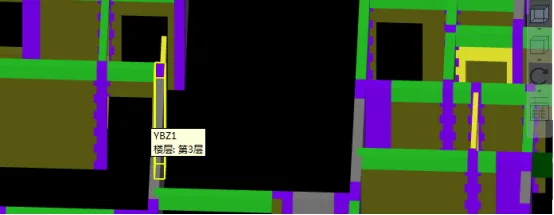
Figure 1: Engineering Measurement Model Based on BIM
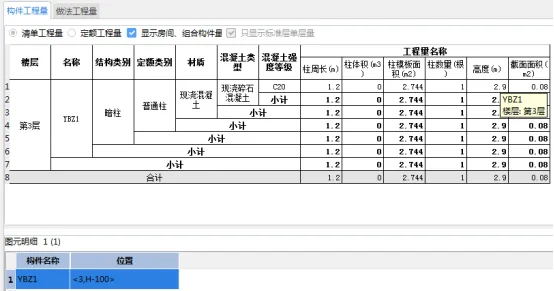
Figure 2: Engineering Measurement Details Based on BIM
Once the BIM model is established, various detailed lists can be automatically generated. These lists serve as reliable data sources for planning labor, materials, and machinery usage efficiently and effectively.
















Must log in before commenting!
Sign Up