
The statistical summary of engineering quantities is undoubtedly important; however, pricing plays an equally critical role. The composition of construction project costs and the pricing process are complex, requiring detailed parameters such as component types, construction techniques, personnel, machinery, and a variety of data for accurate pricing. Additionally, cost professionals often group prices based on their own habits, which means that while they understand their system, others may find it difficult to interpret. This lack of standardization complicates later revisions and fine-grained management, posing challenges for effective cost control.
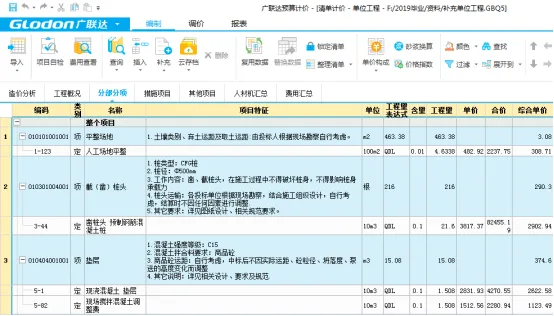
Figure 1: Engineering Pricing Based on BIM
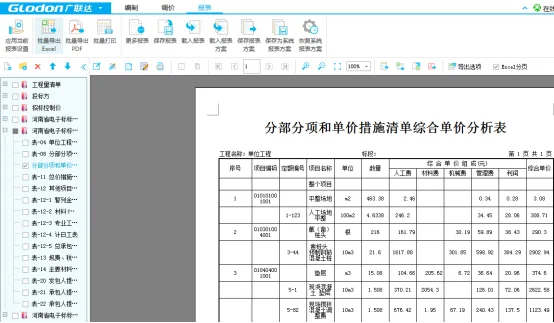
Figure 2: Engineering Pricing Table Based on BIM
Within BIM technology, costs are linked directly to components and can be determined by referencing predefined external quotas stored in the system. These quotas are connected to current market prices, enabling the use of accurate price data to calculate project costs. This approach offers several advantages:
1. Faster Adjustments: Change is the only constant throughout a construction project’s lifecycle. Previously, measurement software and pricing software were separate systems, meaning that any change required significant rework, wasting earlier efforts. With BIM technology, a single adjustment triggers an automatic update across all related data. By simply modifying the relevant parameters, BIM ensures that pricing updates are both fast and precise.
2. Comprehensive Cost Control: BIM5D technology (integrating 3D modeling, scheduling, and cost management) enables cost control throughout the entire project lifecycle. By completing relevant BIM5D tasks early on, ongoing cost management becomes more effective and transparent. Figures 1 and 2 illustrate the engineering pricing and exported Excel tables generated through BIM technology.
















Must log in before commenting!
Sign Up