
Direct engineering costs during the project implementation phase mainly include labor, materials, machinery, and management expenses. To effectively control these costs, Building Information Modeling (BIM) technology can be leveraged across the various cost components of a construction project. By analyzing material consumption, construction teams can develop more efficient procurement plans and optimize the material inbound and outbound processes, thereby improving material control.
Managing the required amounts of labor, materials, and machinery over different time intervals—daily, weekly, or monthly—poses a significant challenge in construction management. By using BIM technology’s parameterization and comprehensive data capabilities, the physical properties of components from 2D engineering drawings can be integrated into a detailed building model. With a fully modeled built-in system, it becomes possible to quickly generate statistical summaries and accurately calculate the quantities of components. Applying consumption quotas linked to these physical properties allows for detailed analysis and planning of labor, material, and machinery needs by component and time frame.
1. Labor Costs: Labor expenses continue to rise, making labor cost control essential to maximizing project benefits. One effective approach is to strictly manage labor quantities. BIM’s visualization capabilities allow for the simplification of construction processes in advance, eliminating unnecessary tasks and streamlining management. This approach controls labor costs while meeting project requirements.
Additionally, BIM enables precise scheduling and simulation of real construction site conditions. Personnel requirements can be automatically allocated to match planned demands closely. By minimizing avoidable waste, BIM supports efficient management and control of labor costs.
2. Materials: Traditional material management relies heavily on experience or inaccurate data, which is problematic given the complexity and dynamic nature of construction sites. Errors in material measurement or poor reporting can lead to excessive on-site inventory, tying up funds and increasing costs.
Material management through BIM ensures accurate calculation and real-time updating of material information. When construction plans or procedures change, all related elements in the BIM system update automatically. Procurement statuses for raw materials and equipment adjust accordingly, allowing suppliers to receive timely information. This enables them to plan logistics and schedule material deliveries precisely, minimizing on-site stockpiles and reducing costs.

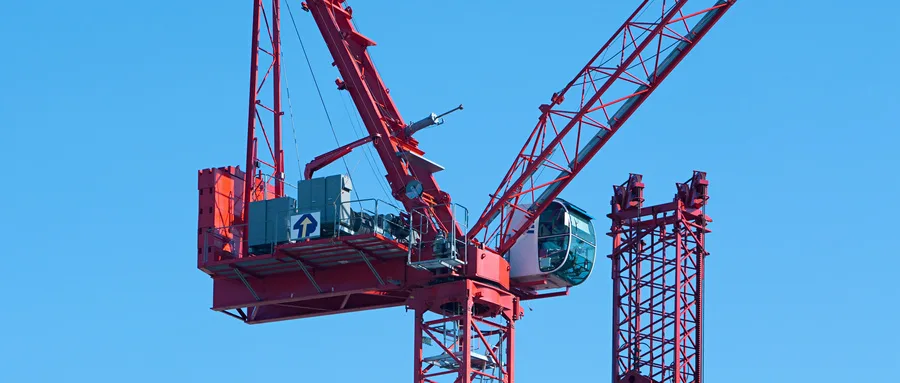
3. Machinery: Machinery costs primarily focus on large equipment, which is often leased. Effective cost control requires strict regulation of the machinery’s arrival on site, careful scheduling of its use during shifts, minimizing idle time, and maximizing operational efficiency.
Using BIM technology to develop detailed schedule plans enhances the accuracy of construction timelines. This allows for precise control over machinery entry times, reduces downtime, and ultimately lowers machinery usage costs.
4. Management: Currently, the construction industry in China faces significant challenges in cost management, such as incomplete systems, unclear division of responsibilities, and weak enforcement. Addressing these issues starts with improving and strictly implementing relevant regulations and frameworks.
Cost control must be maintained throughout the entire construction process, necessitating sound systems and strict adherence to policies. BIM technology offers a fresh perspective by integrating vast amounts of data and enabling full parameterization of project information. This facilitates refined cost management with the collaboration of all stakeholders.
All parties gain access to necessary data and share information through BIM’s centralized database, eliminating the misinformation caused by delayed or inaccurate communication. This ensures synchronized, transparent, and efficient information sharing, fundamentally transforming cost management practices.
















Must log in before commenting!
Sign Up