
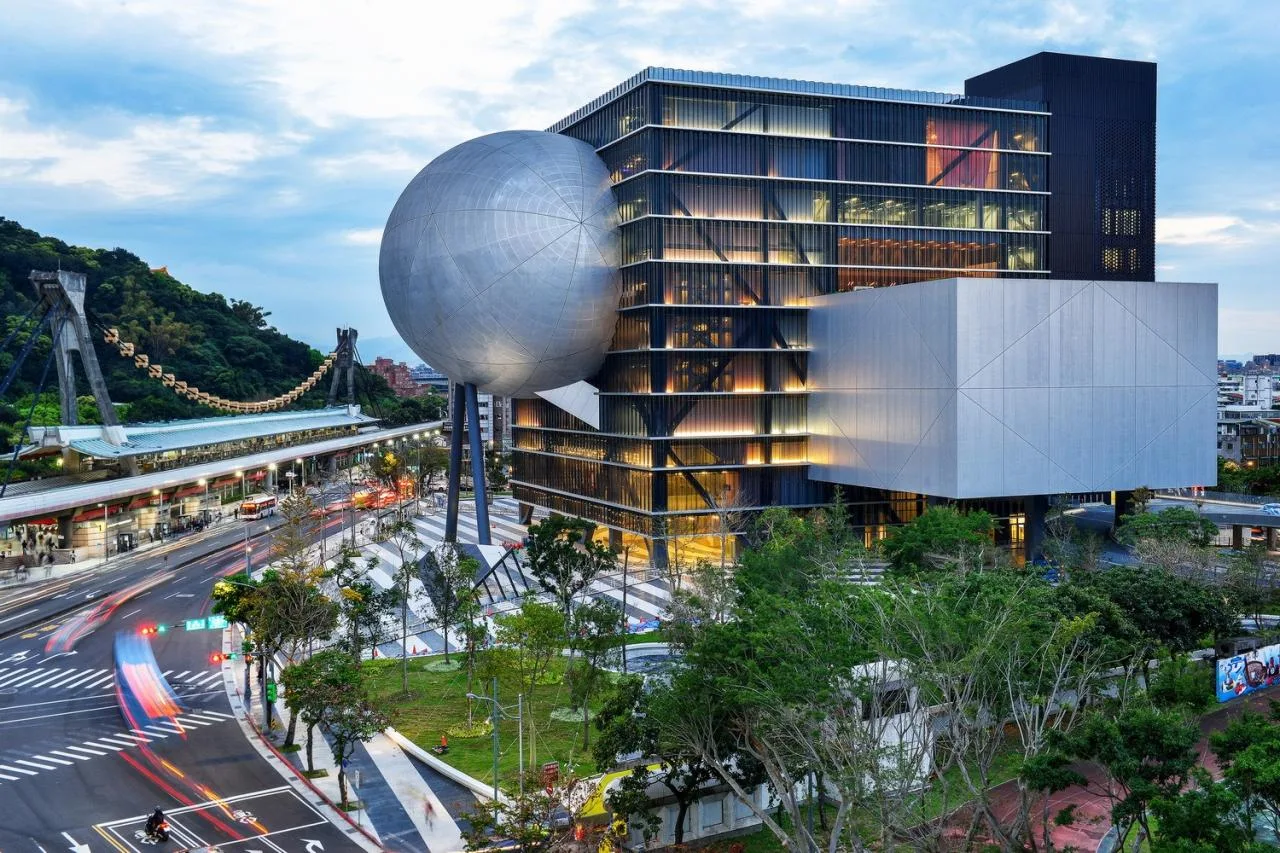
Theater has historically served as an artistic platform inviting public participation. However, in the modern era, theaters have increasingly become exclusive venues primarily for intellectuals and scholars, diminishing their role in everyday life. Typically, a theater’s value is measured by its capacity to host formal performances, rather than by its ability to embrace change, foster inclusivity, or reflect contemporary culture.
Today’s theater spaces are becoming more standardized, often featuring two performance halls of varying sizes alongside a black box theater. These spaces operate conservatively, designed predominantly for established works. But can public theaters evolve to be more generous and inclusive? Can they blend tradition with spontaneity, elegance with accessibility, and artistry with everyday life, thus becoming vibrant stages for everyone’s creativity?
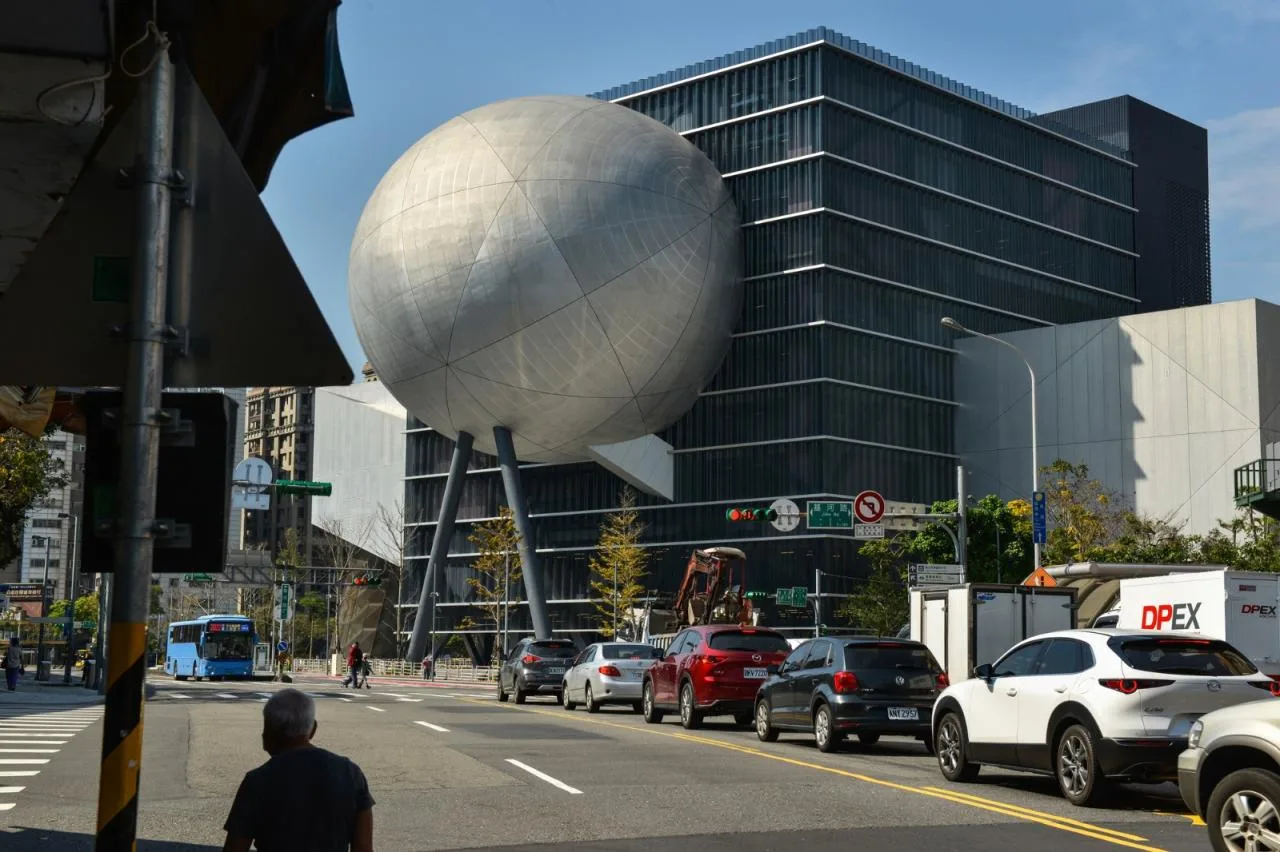
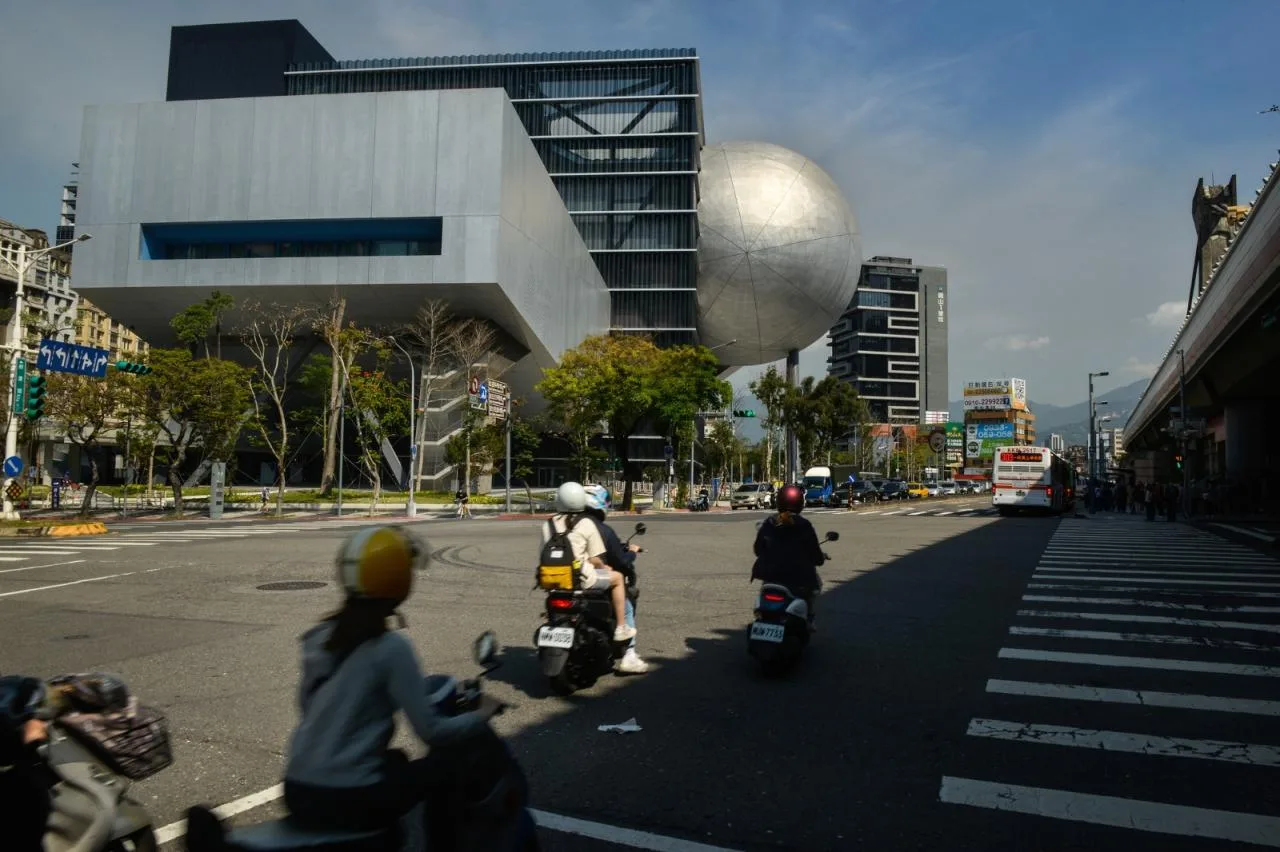
Situated in the culturally vibrant Shilin Night Market, the Taipei Performing Arts Center stands as a boundary-defying landmark: specialized yet adaptable, focused yet open, and ultimately free. Its design embeds three theaters within a central cube, enabling flexible combinations that create fresh theatrical experiences. The cube rises above ground level, inviting the everyday life of Taipei to flow through the theater via a public pathway that connects the city and the performance space.
This innovative spatial arrangement fosters new relationships among artists, audiences, and the public, culminating in a bold architectural symbol.
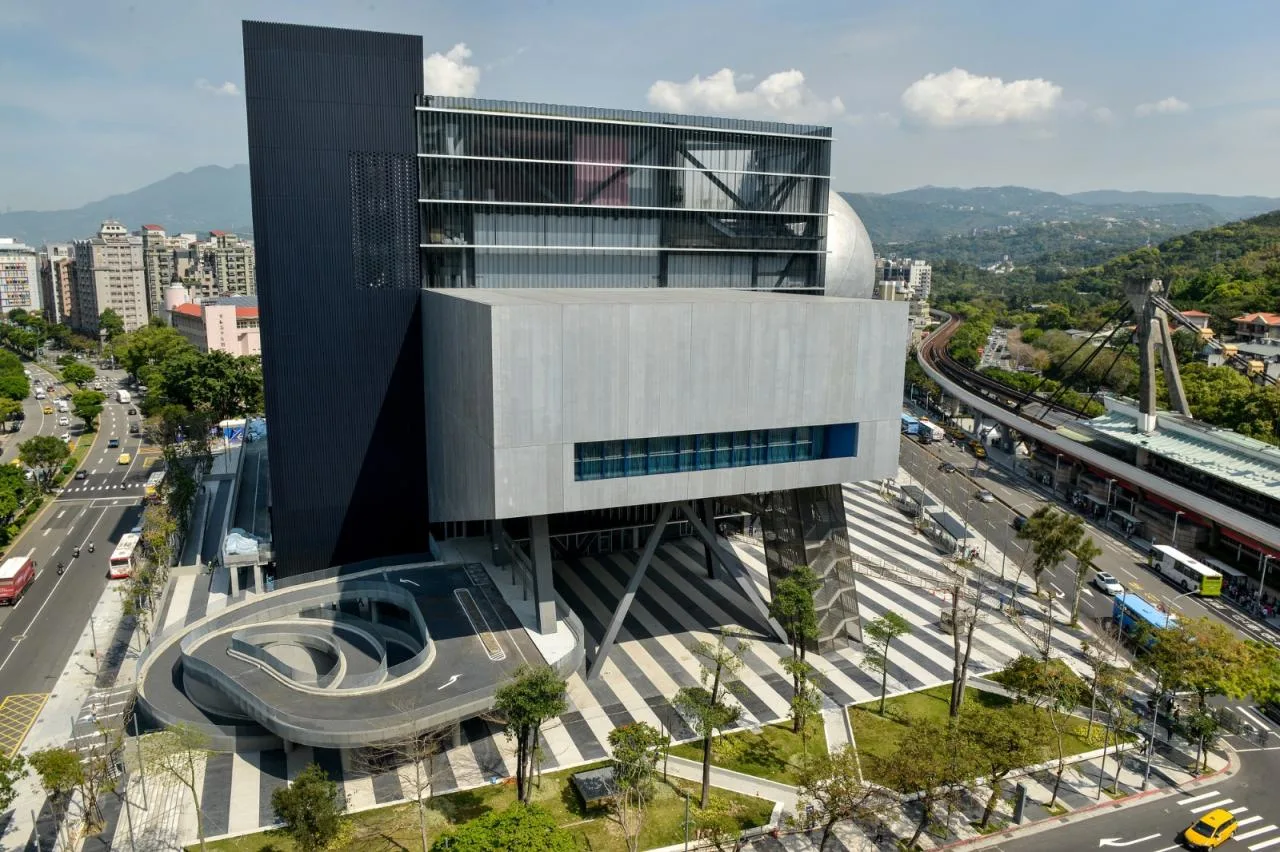
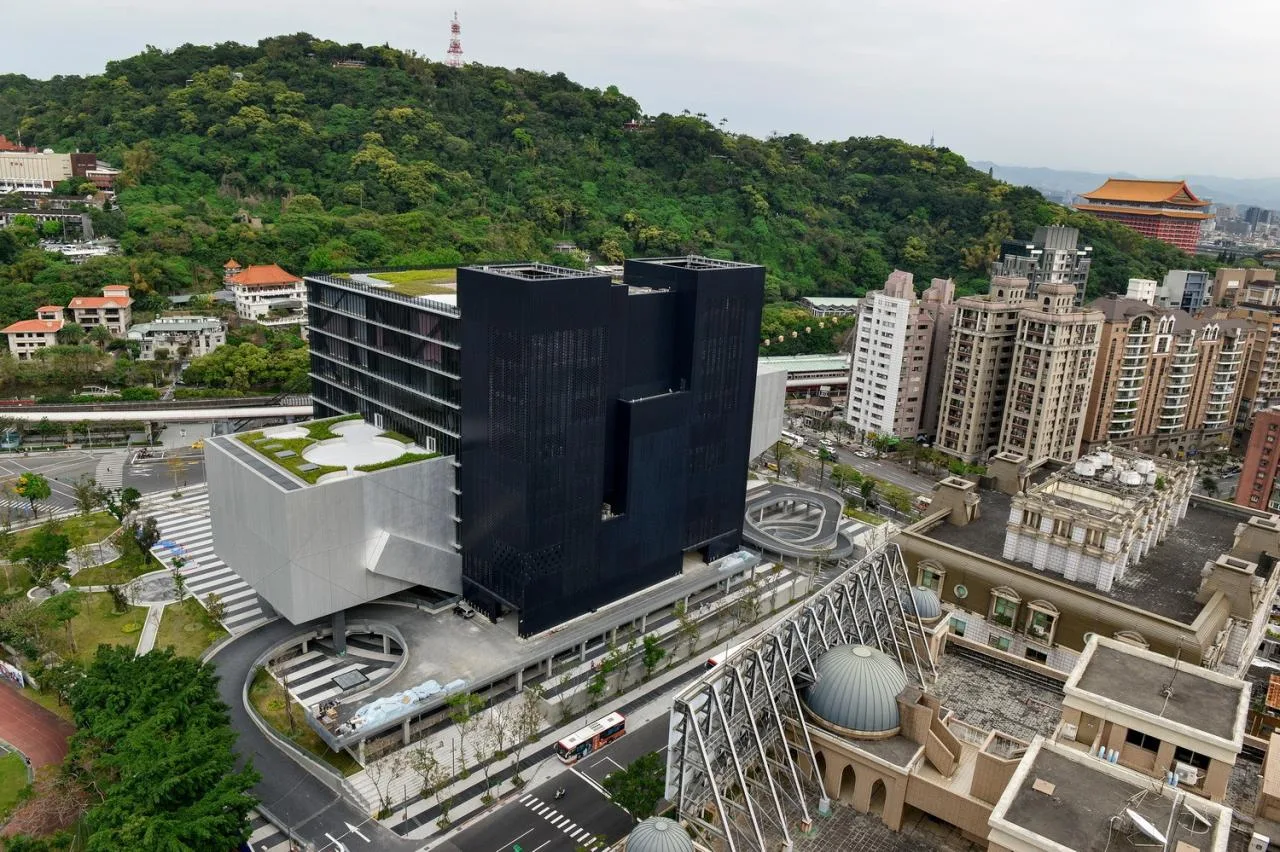
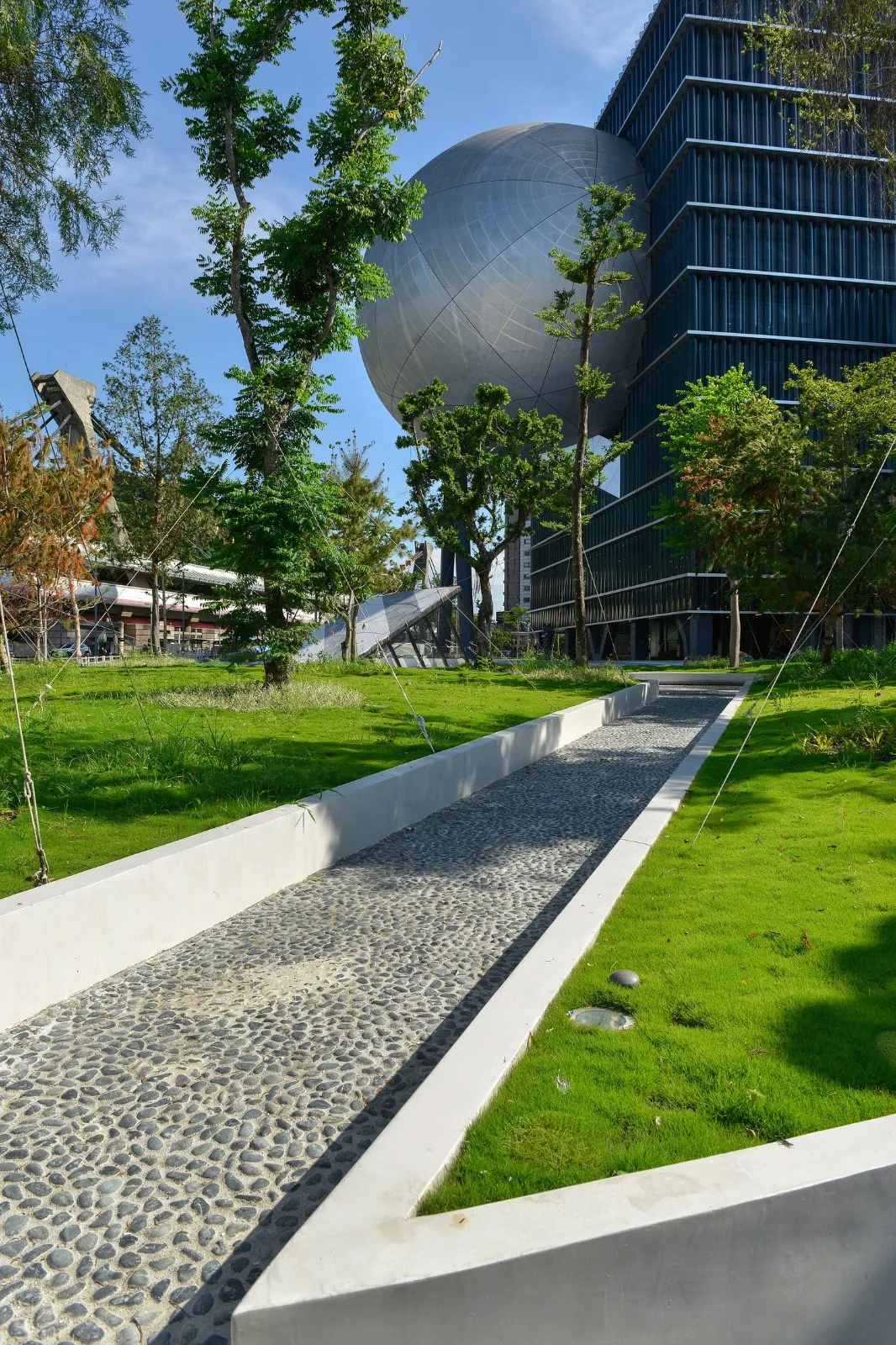
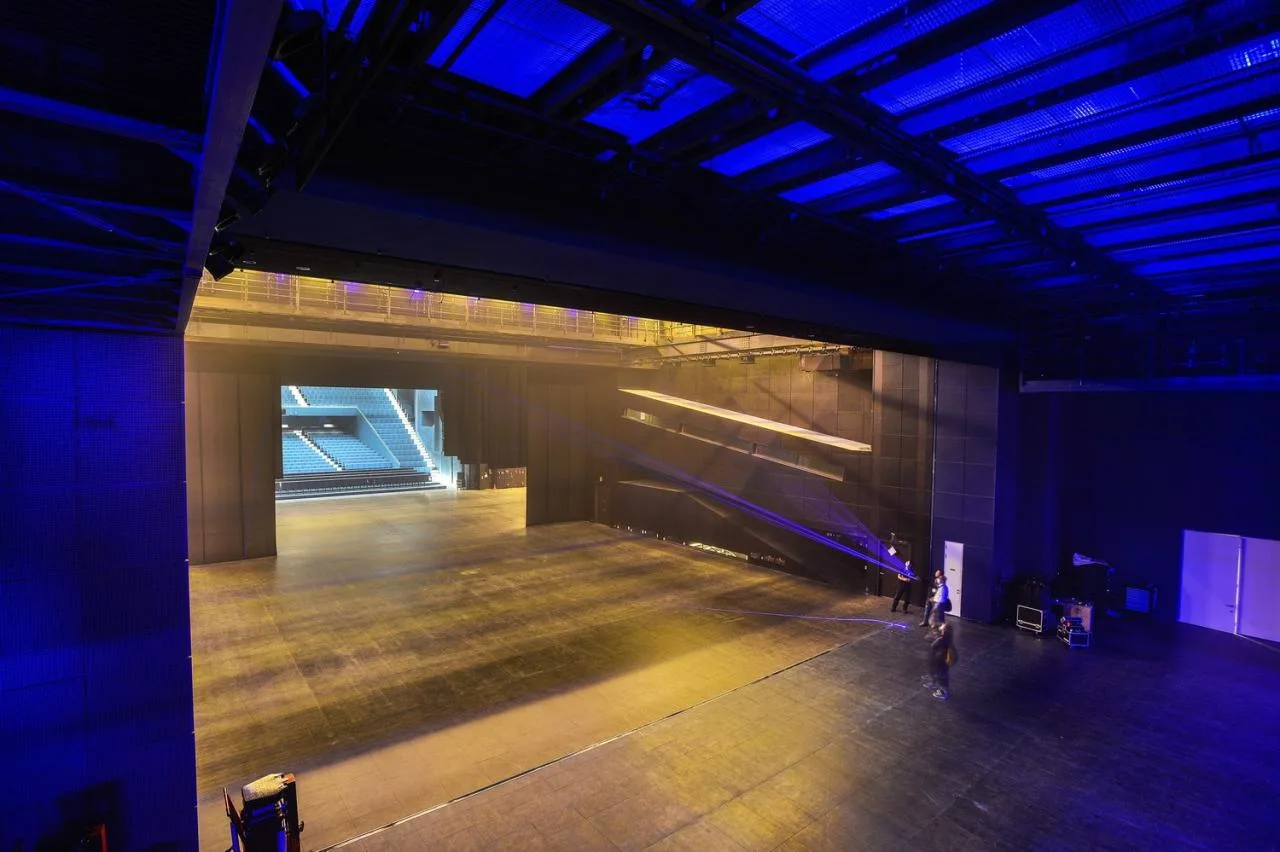
The central cube integrates the stages, backstage areas, and support facilities of the three theaters into a cohesive unit, along with public spaces designed for audiences. This configuration allows each theater to operate independently or combine with others, enabling unexpected performances and functions.
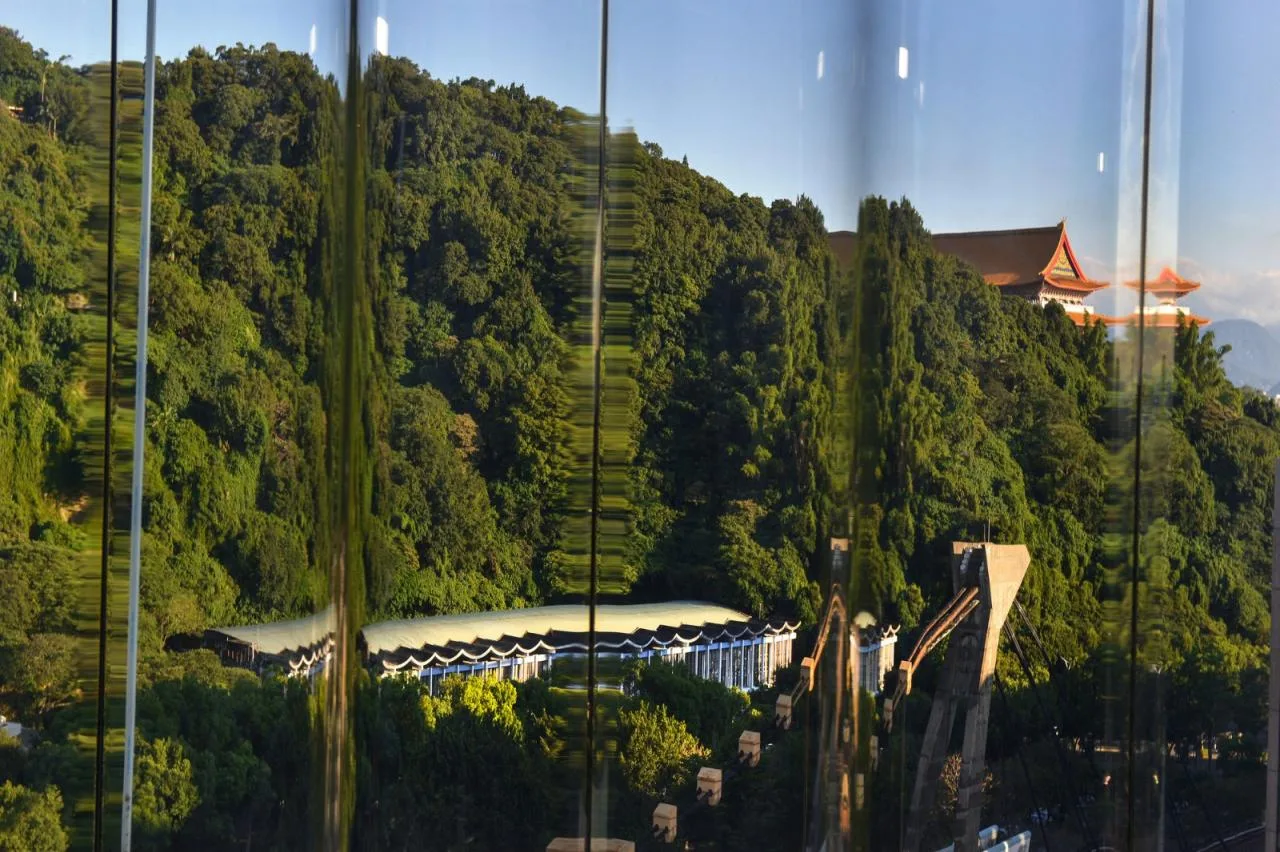
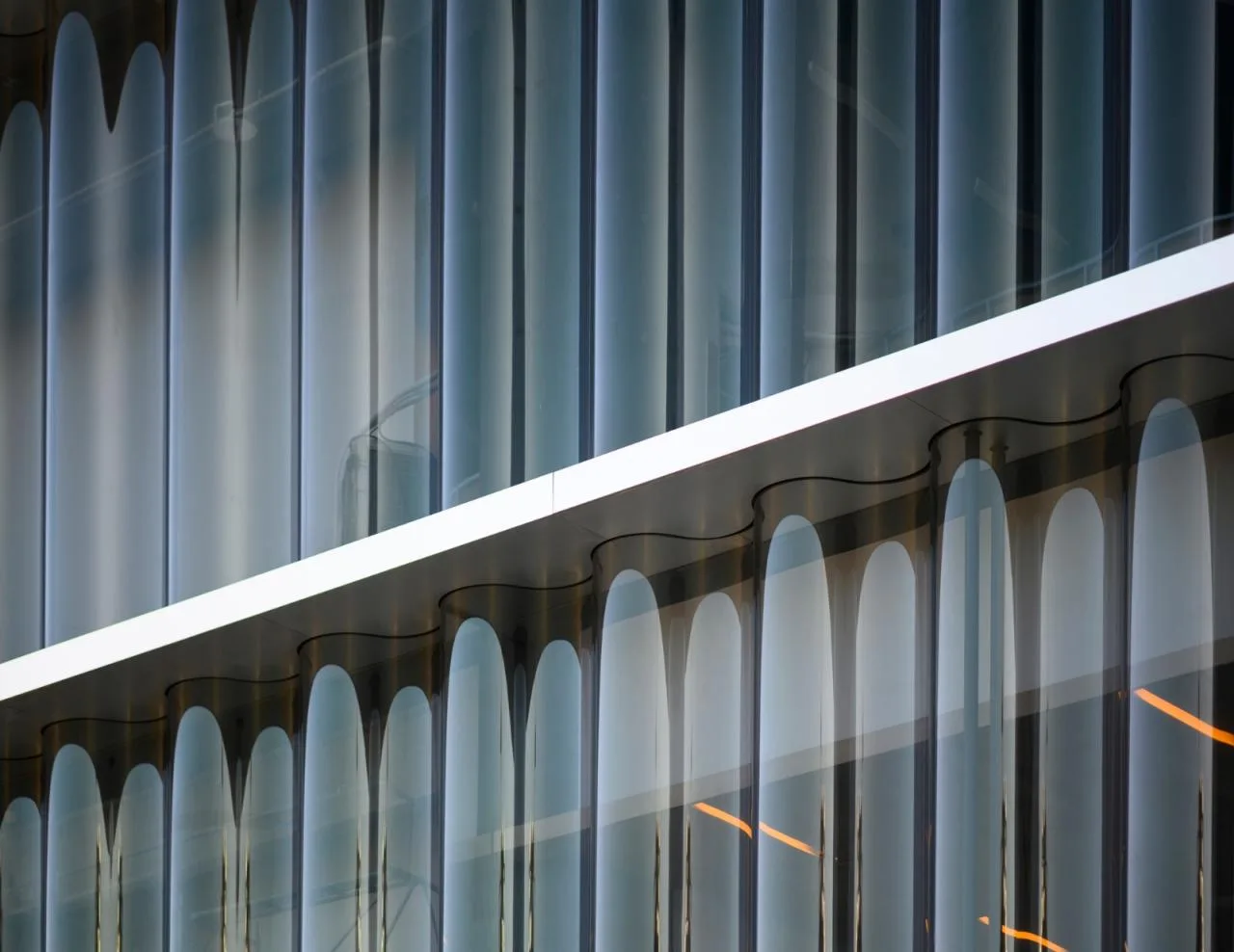
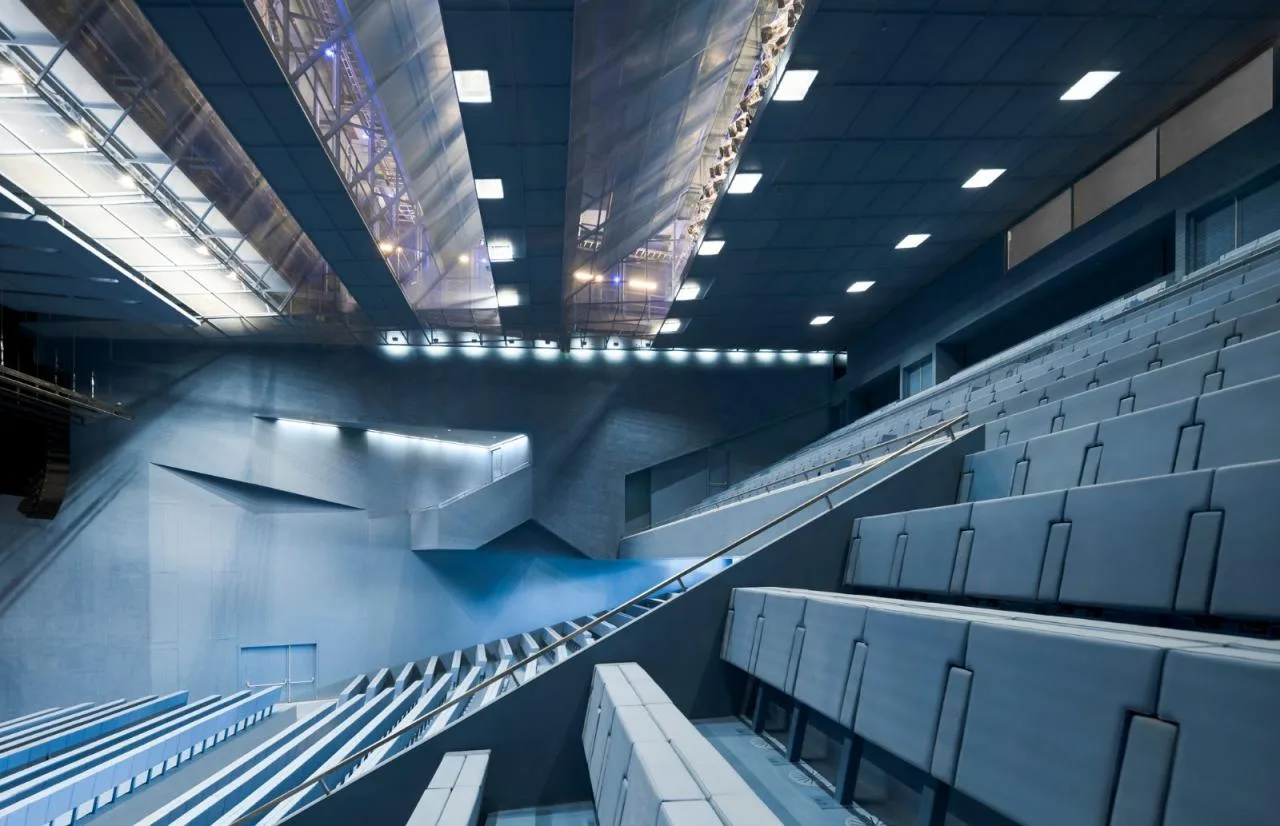
The 800-seat Globe Theater features inner and outer layers, resembling a planet docked onto the cube. The intersection between the globe’s inner layer and the central cube creates a unique framed opening, offering creators opportunities to experiment with diverse stage designs. The flow between the globe’s layers naturally leads to the audience seating. Its slightly asymmetrical form challenges the traditional box-shaped theater design.
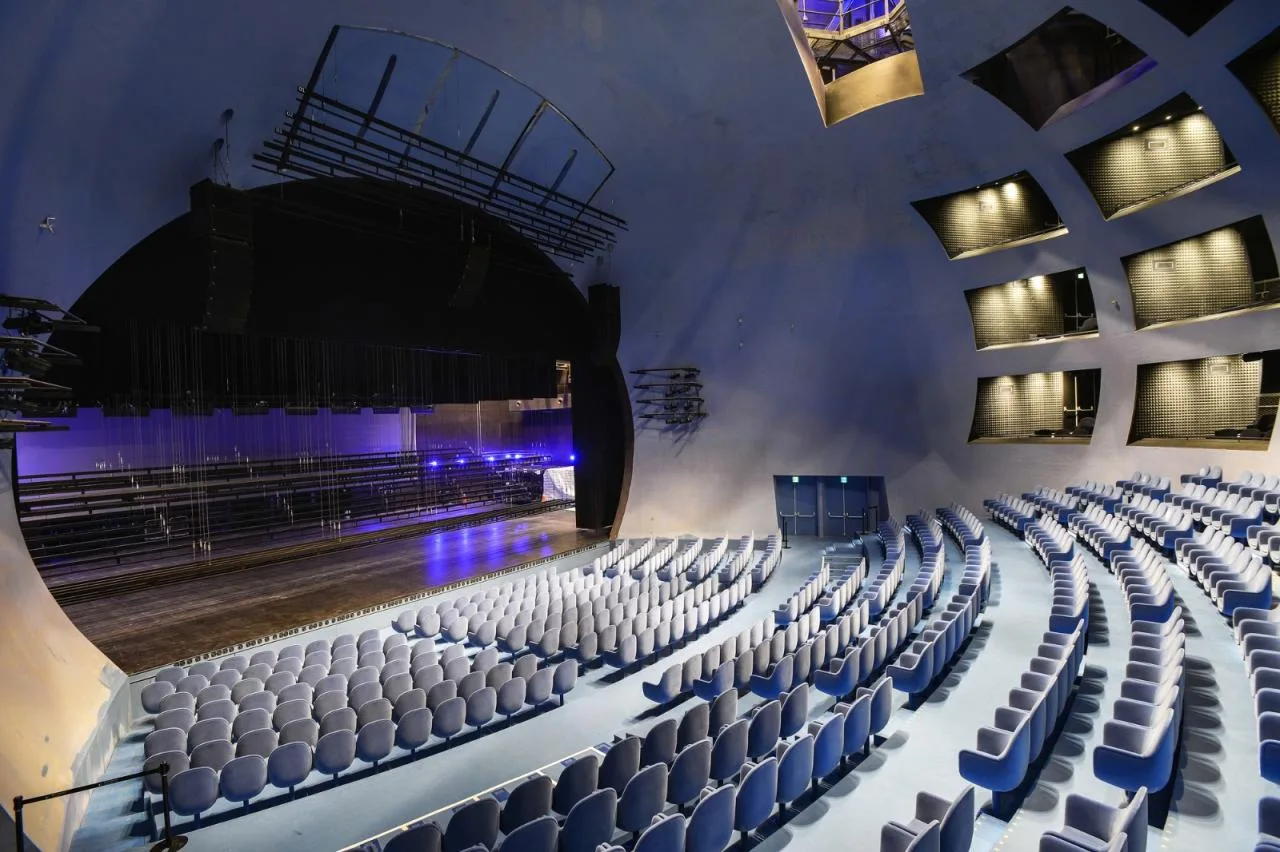
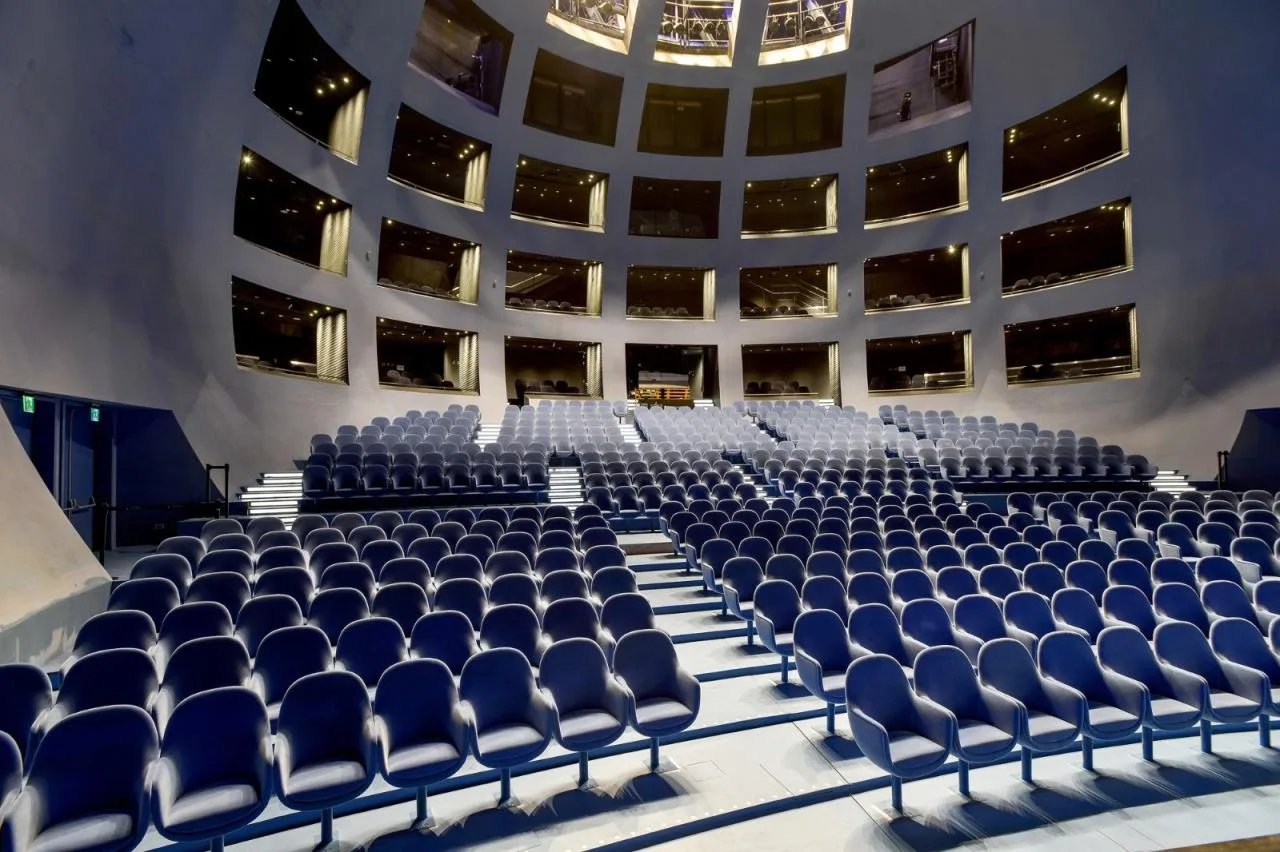
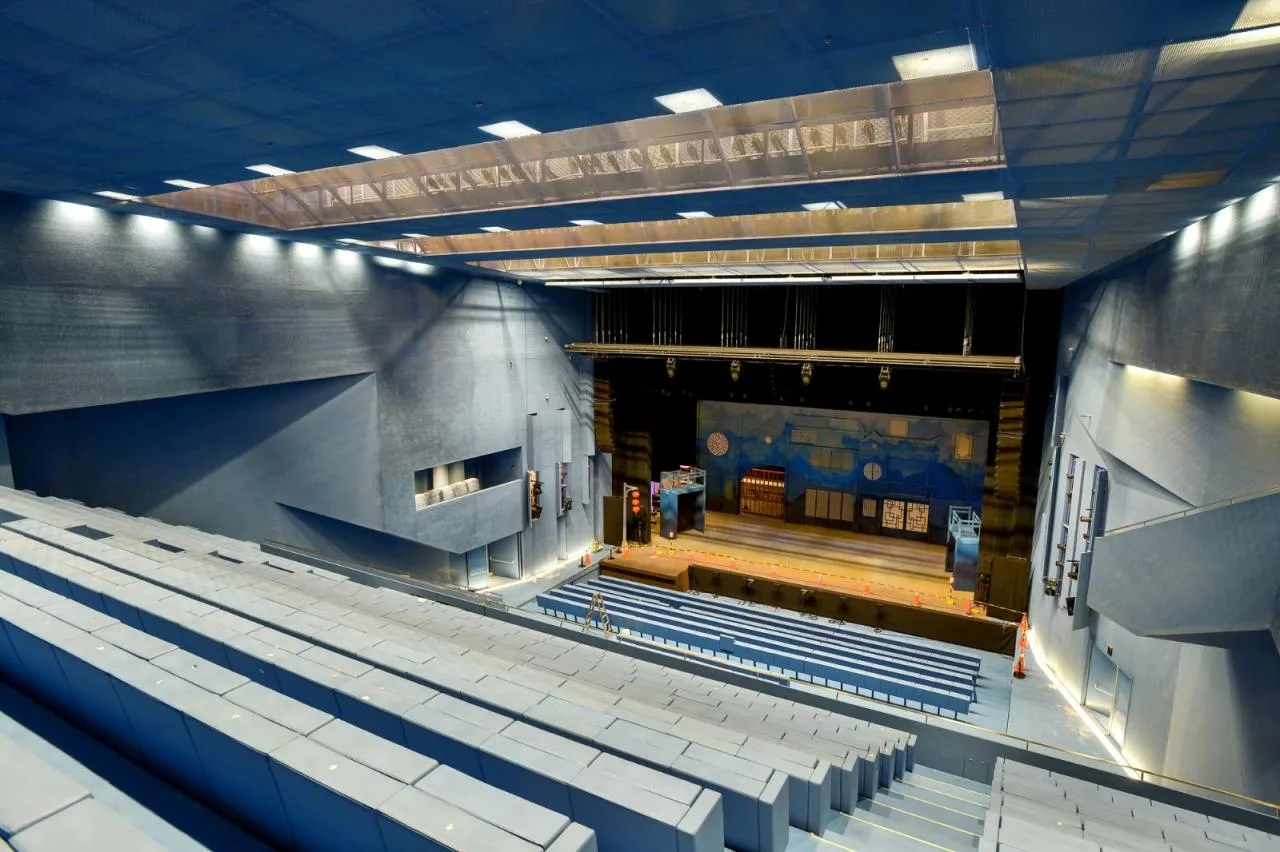
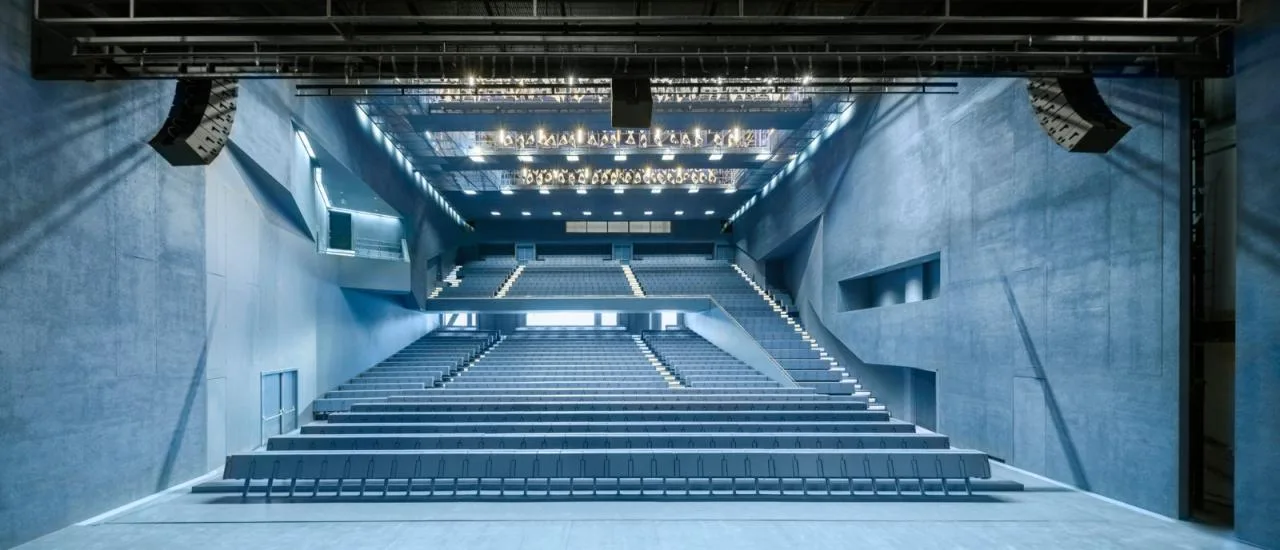
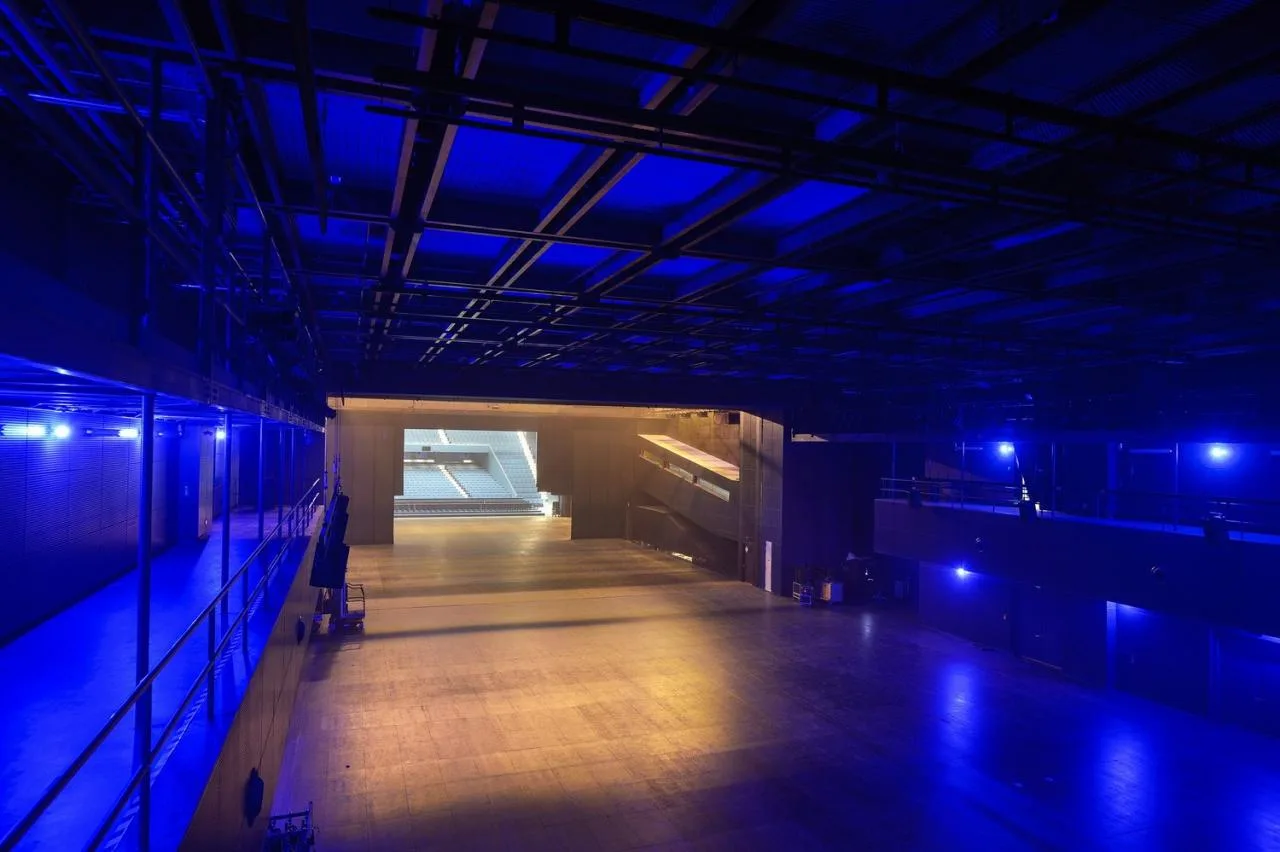
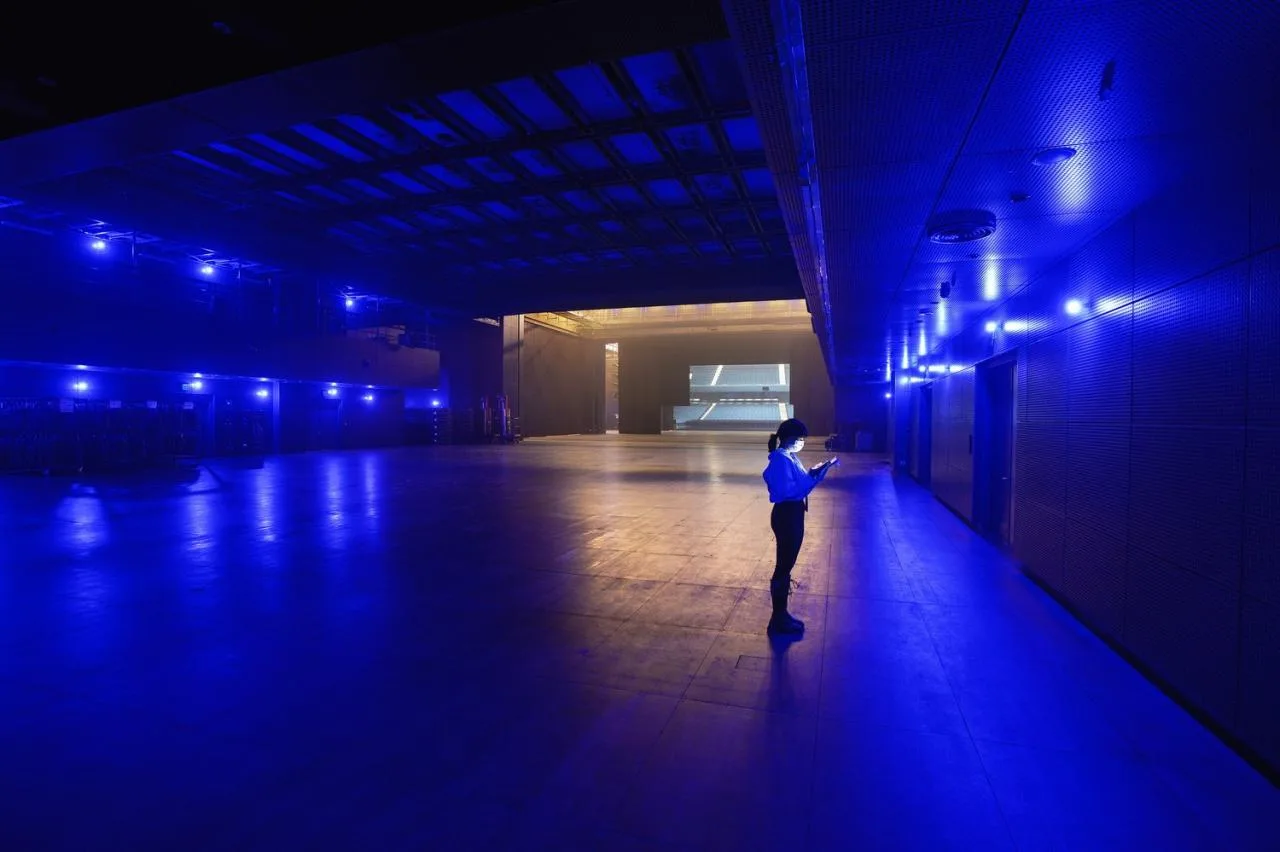
This 1,500-seat Grand Theater accommodates a variety of performing arts. Opposite it lies the Blue Box, an 800-seat black box theater dedicated to experimental works. Together, the Grand Theater and Blue Box can merge to form a massive super theater with industrial characteristics, hosting performances typically held only in unconventional venues. This unprecedented combination encourages spontaneous and innovative stagecraft.
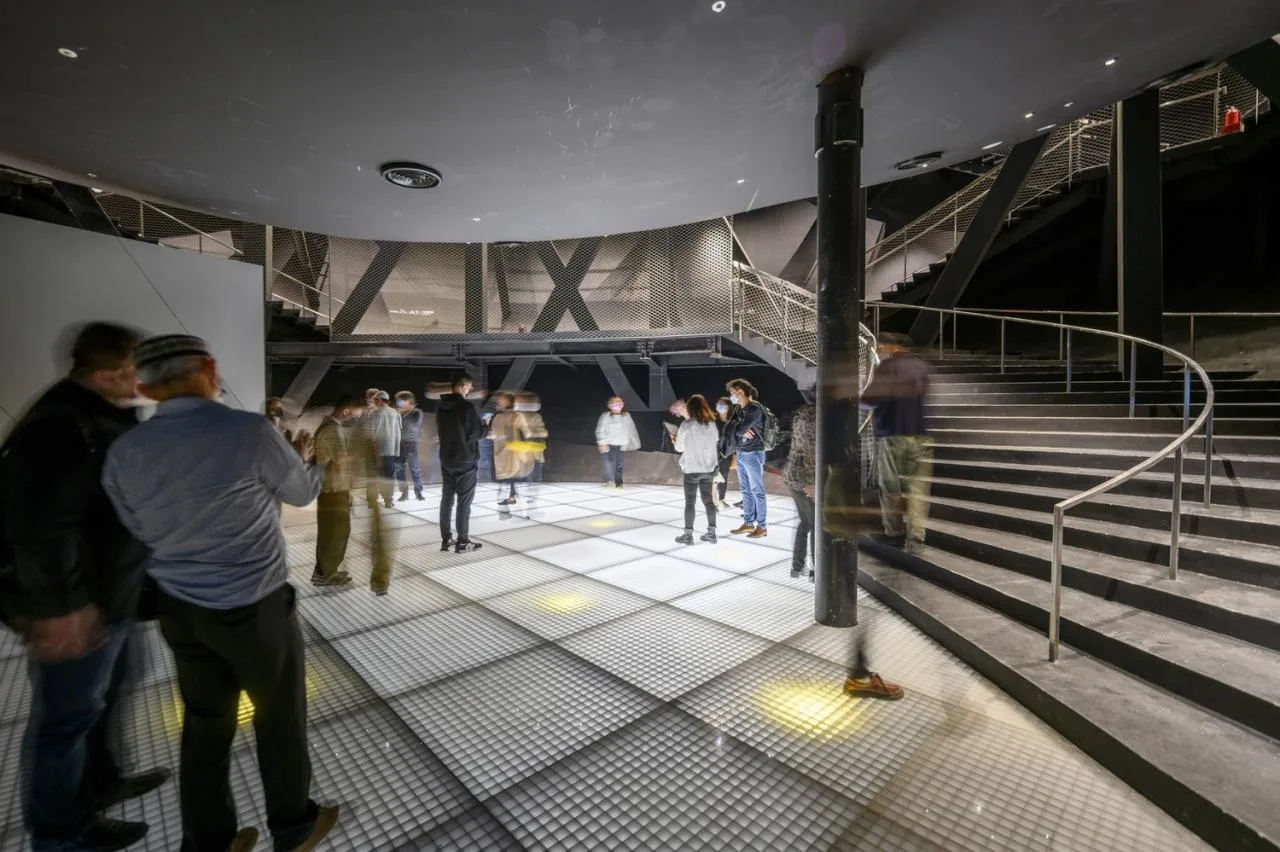
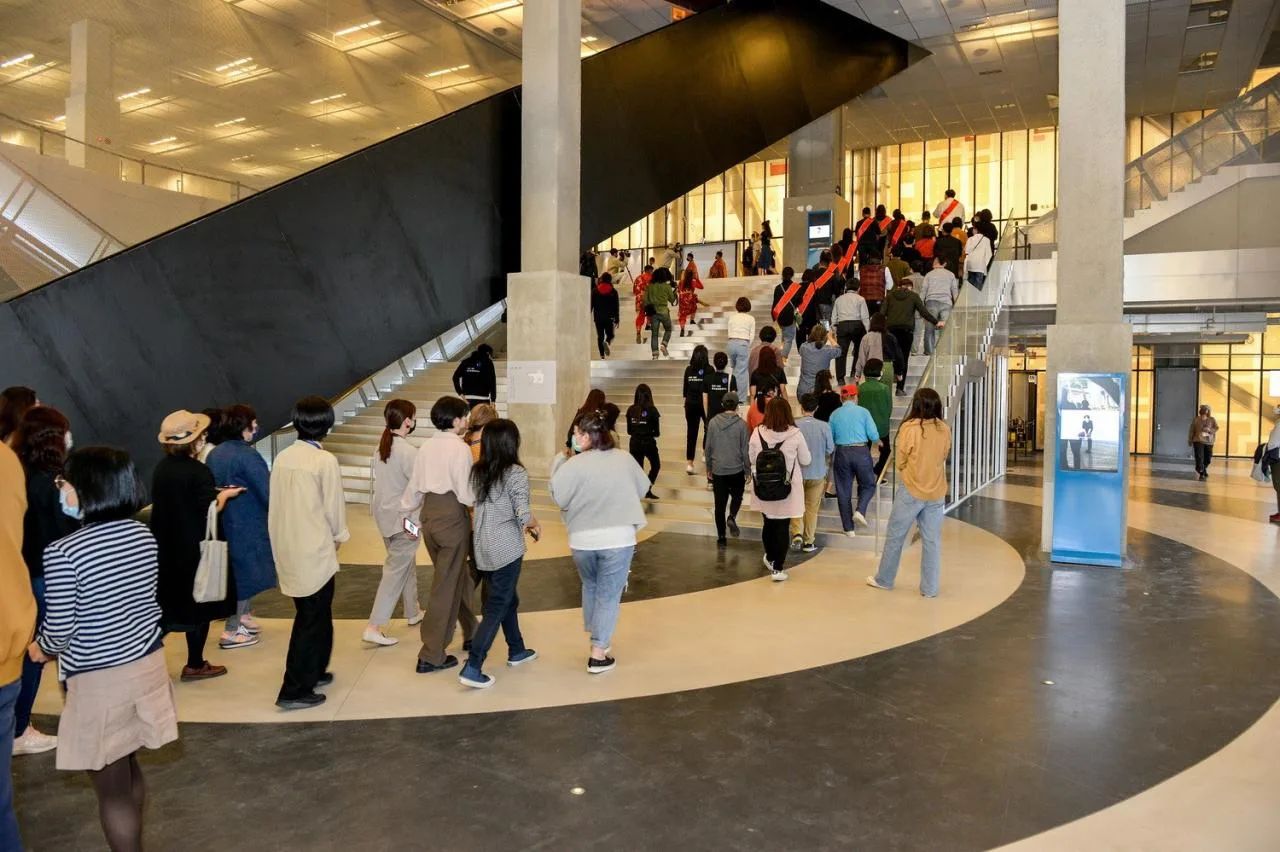
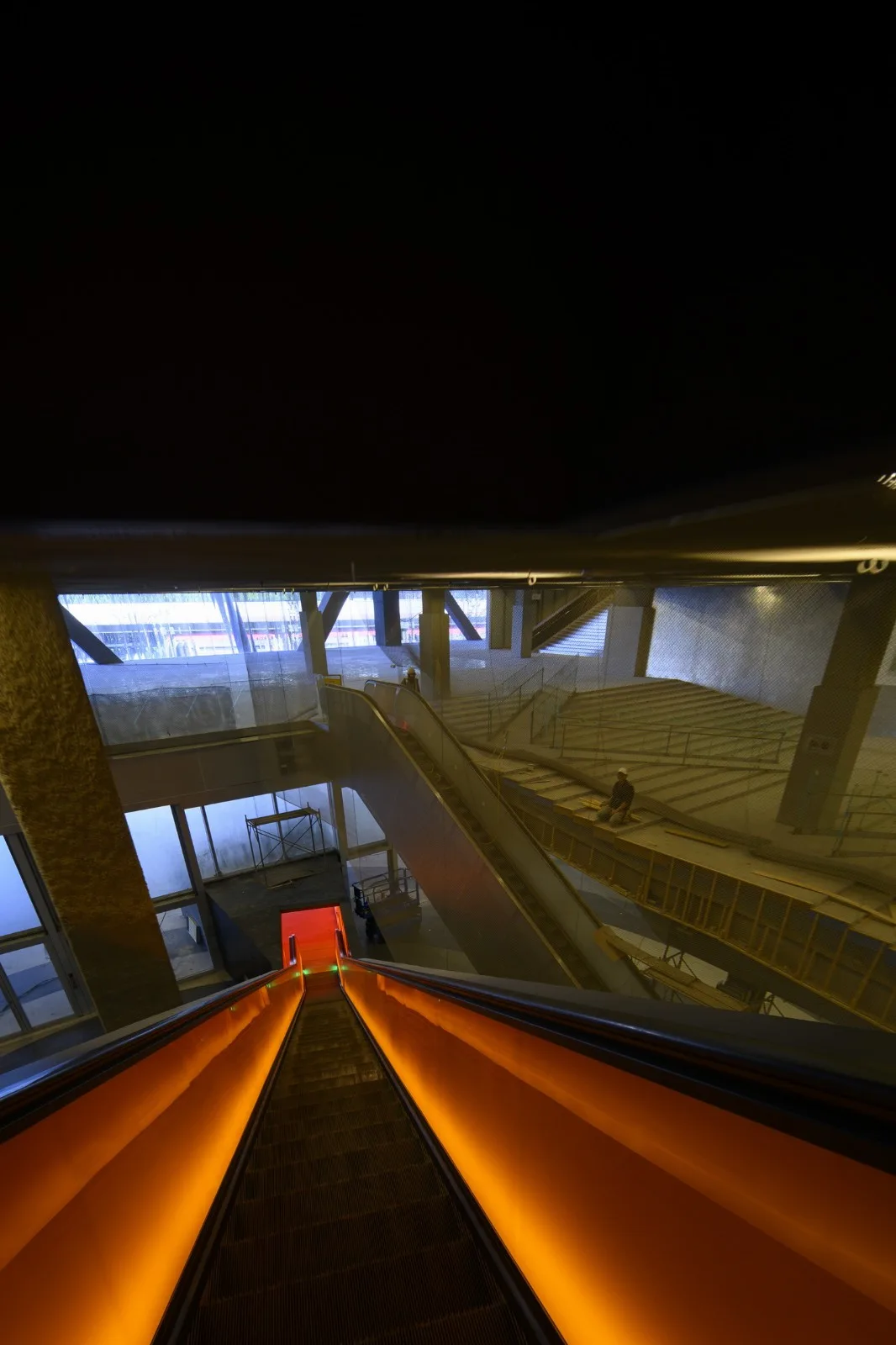
The public pathway is accessible to everyone, ticket holders or not, and passes through typically hidden theater infrastructure and production areas. Along this route, “theater windows” offer views into performances and backstage technical spaces, providing a unique behind-the-scenes experience.
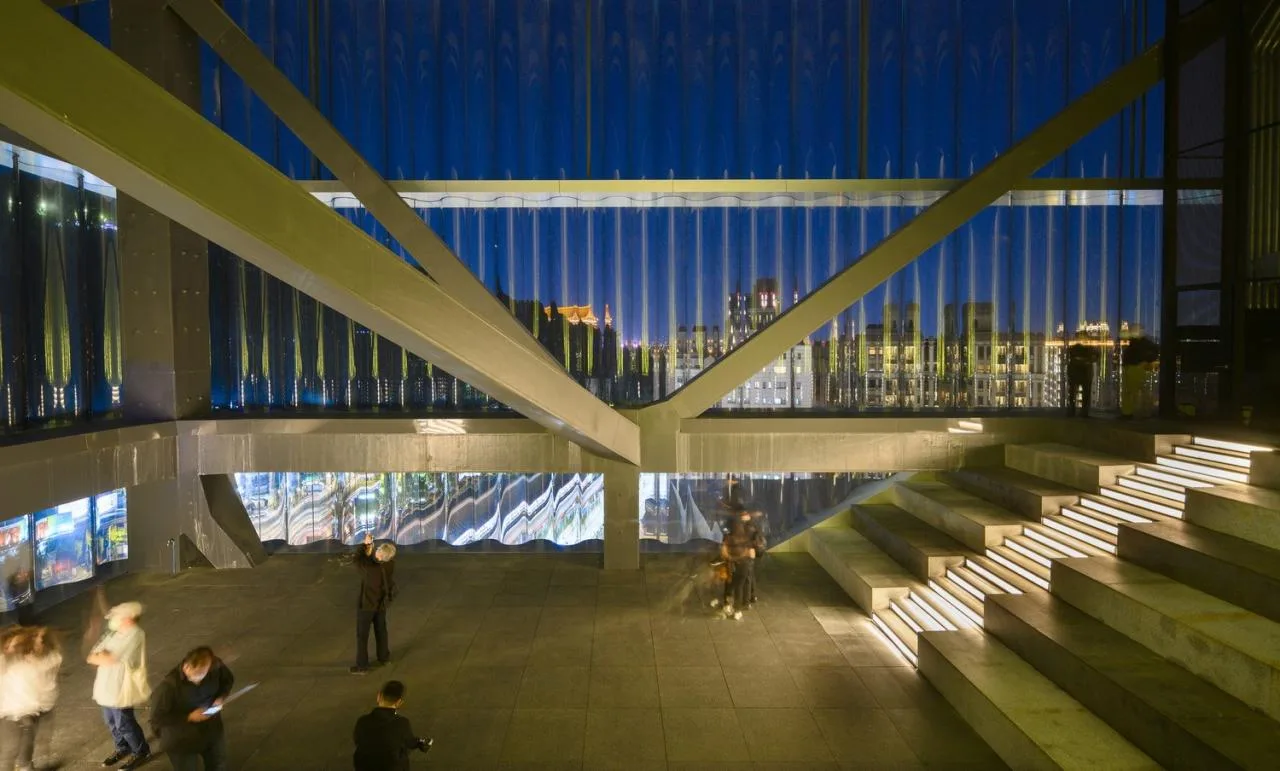
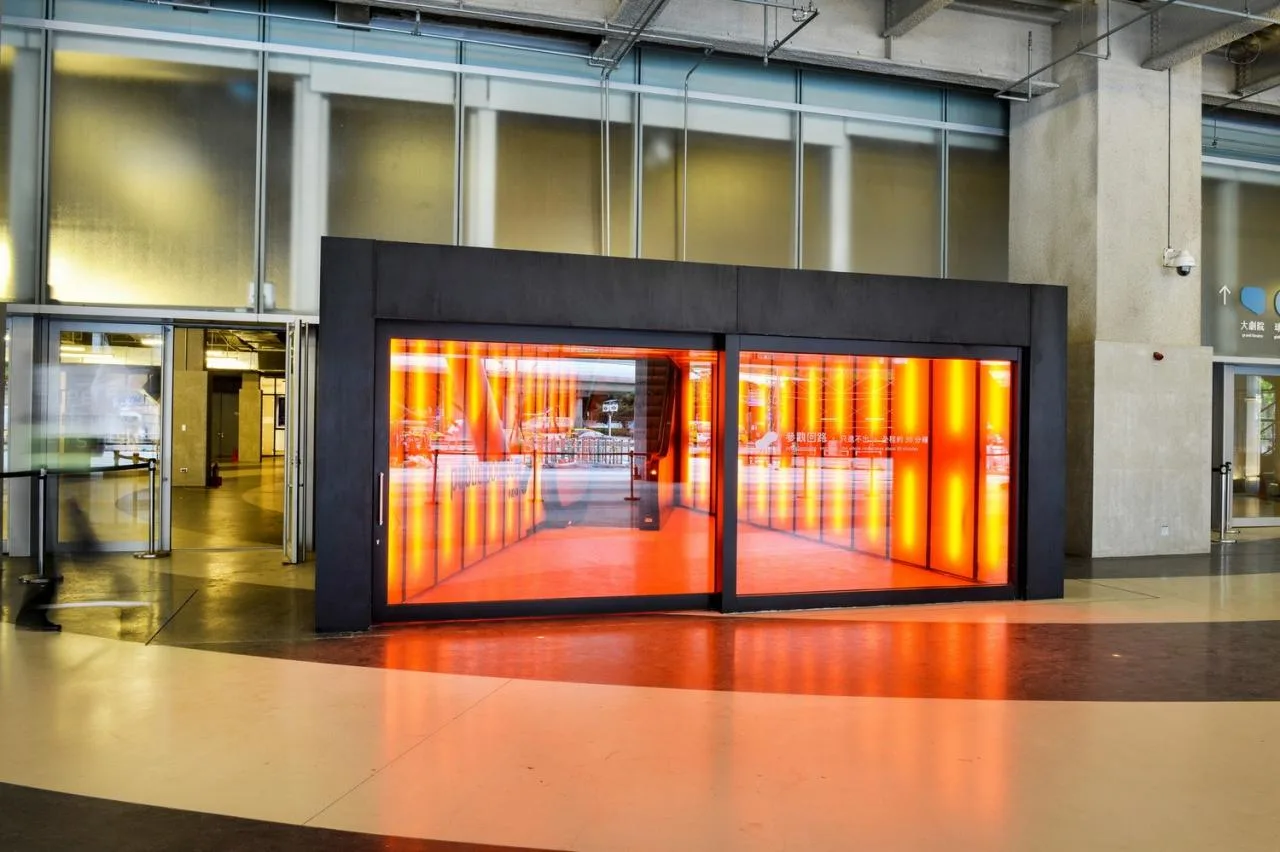
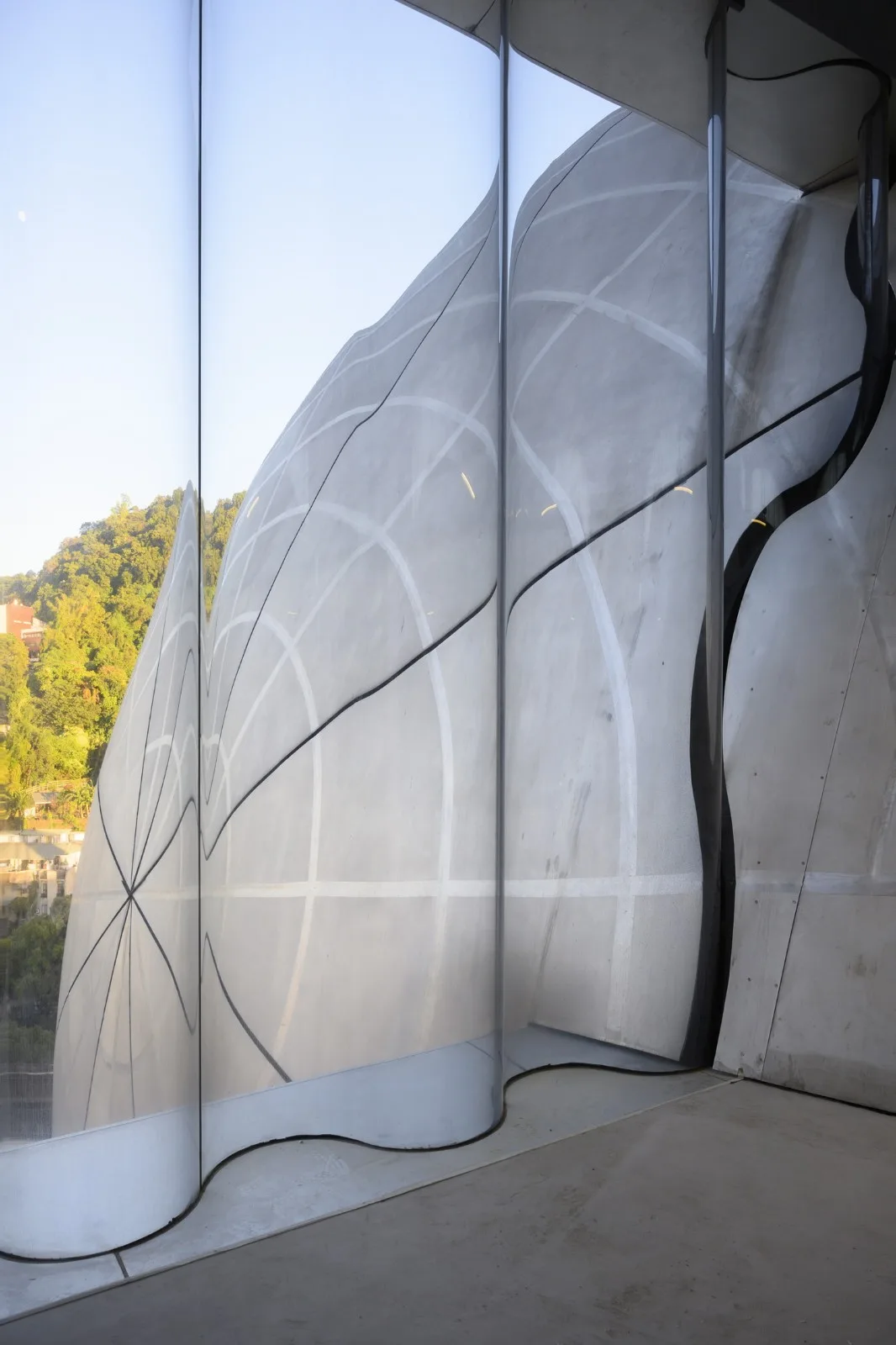
Contrasting with traditional performing arts centers that have a clear front and back, the North Art Center features multiple orientations. Its theaters are defined by volumes that protrude from the central cube and float above the ground. The opaque façades give these theaters a mysterious presence, anchored by the vibrant, wavy-glass central cube below.
Beneath the compact theater volumes lies a landscaped plaza at ground level, offering an additional public gathering space in this bustling part of Taipei.
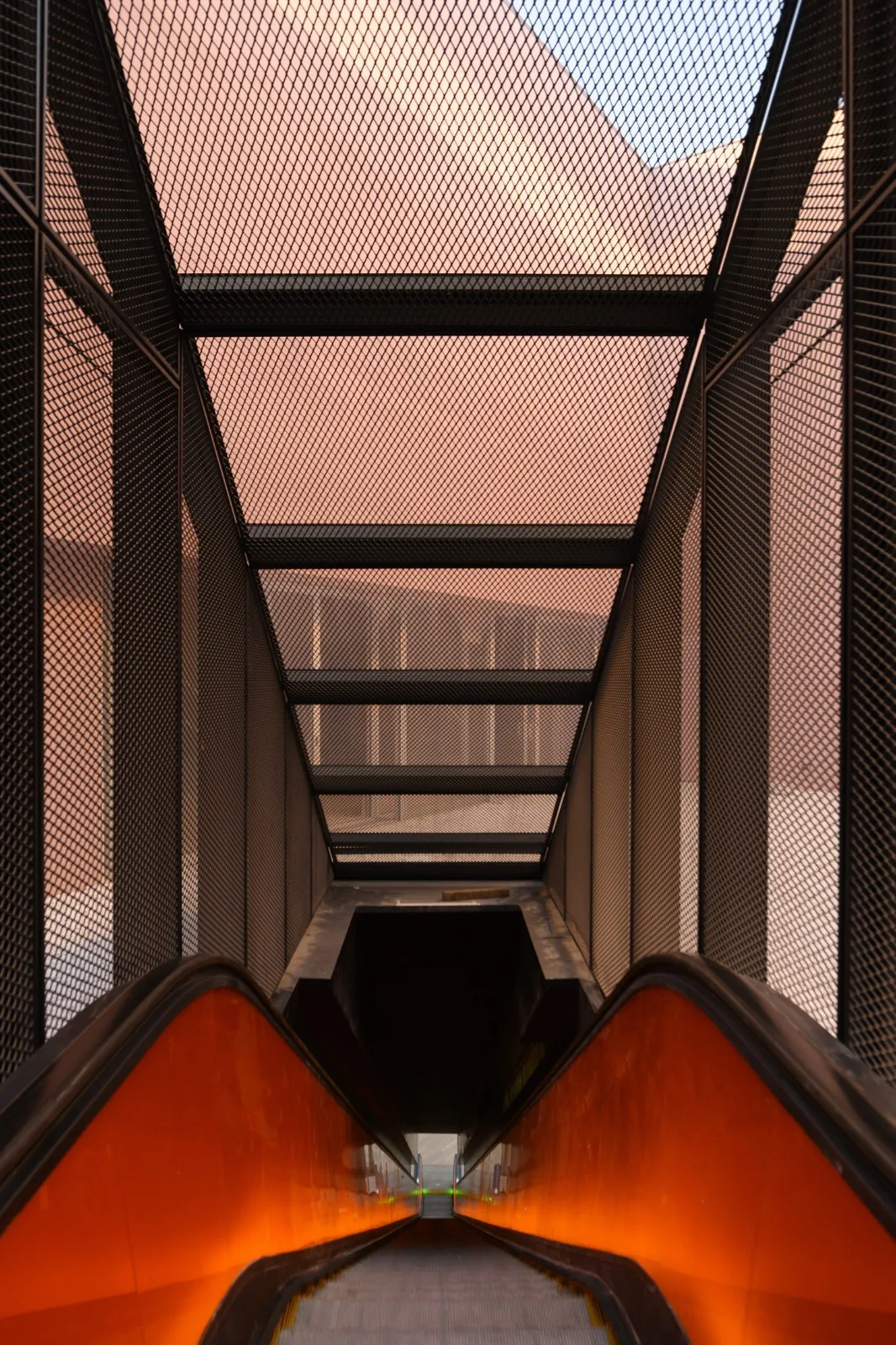
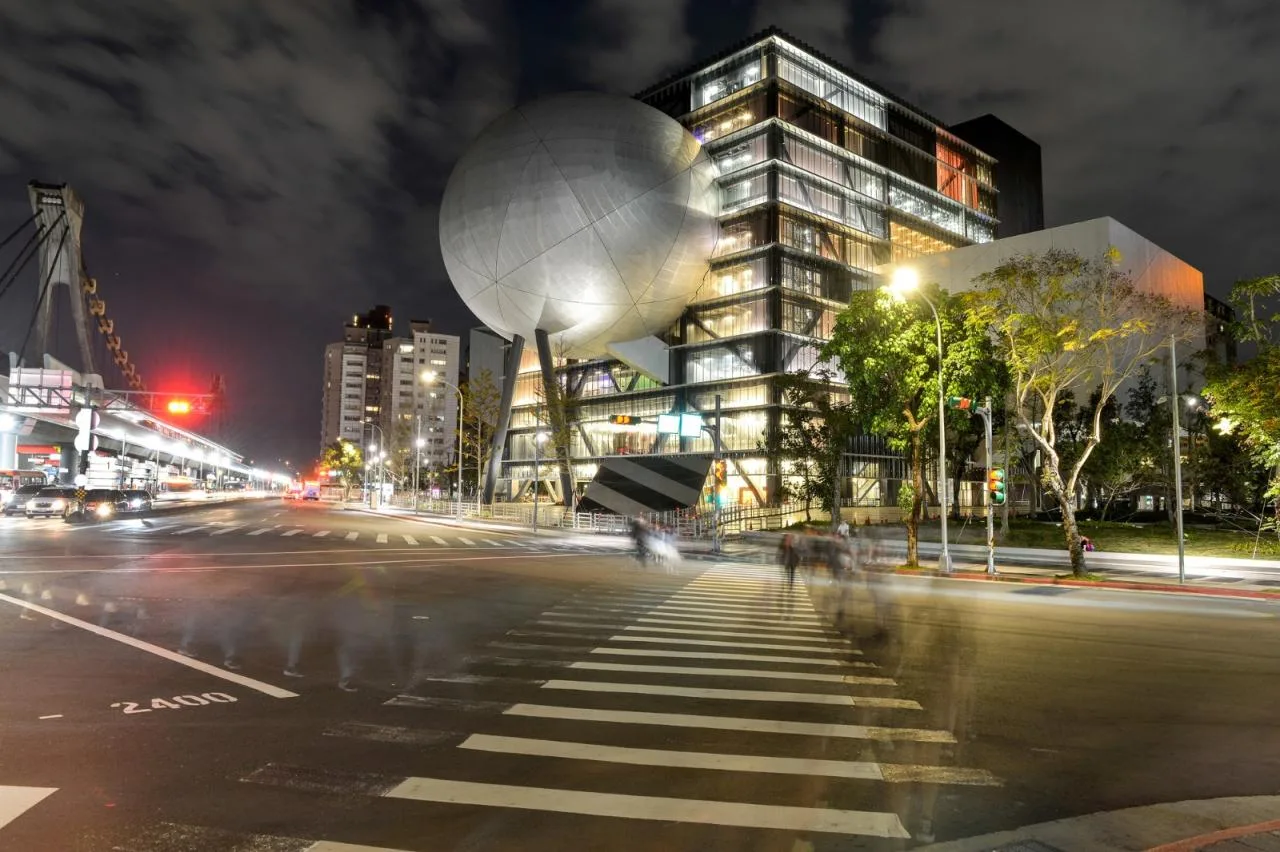
Project Drawings
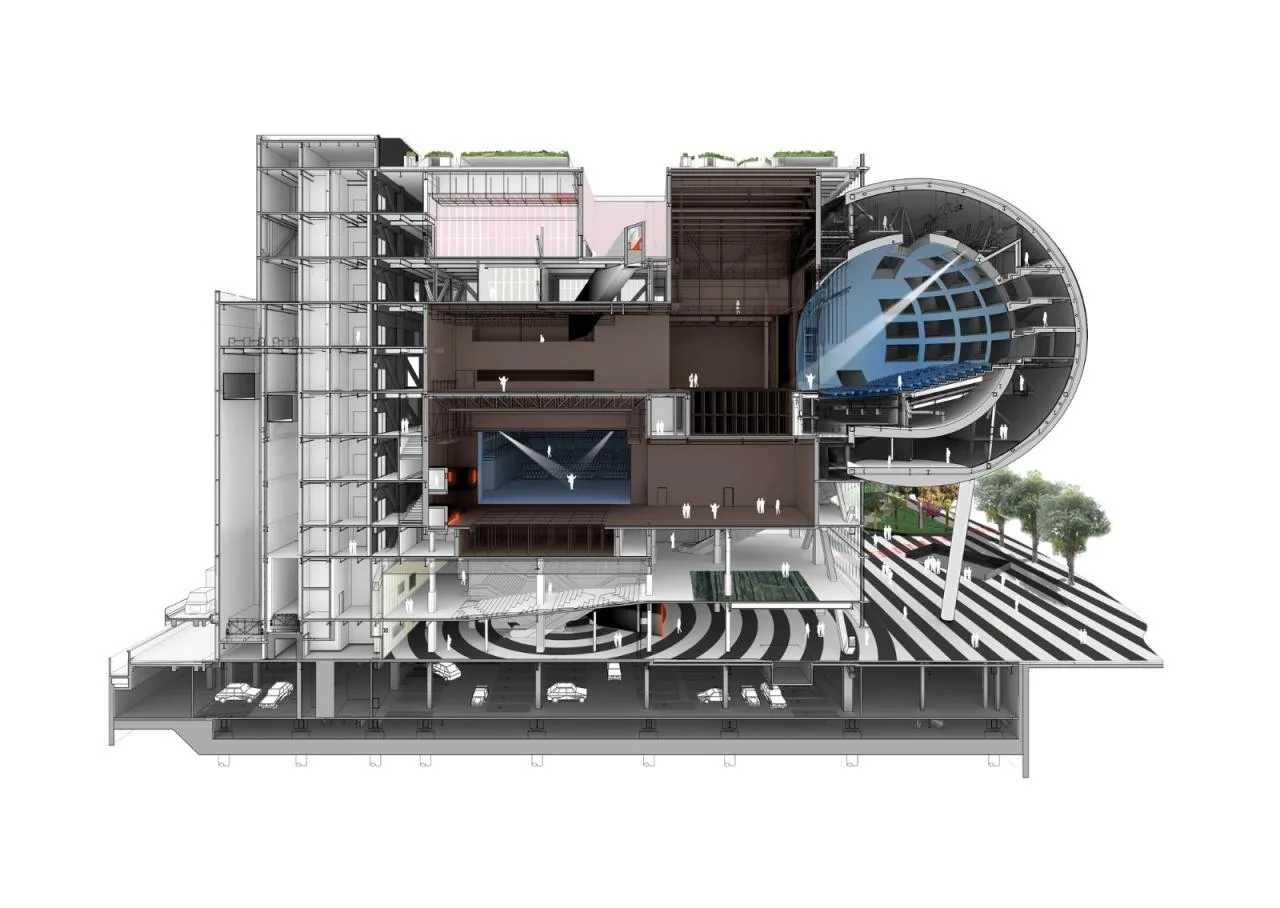
△ Sectional Perspective
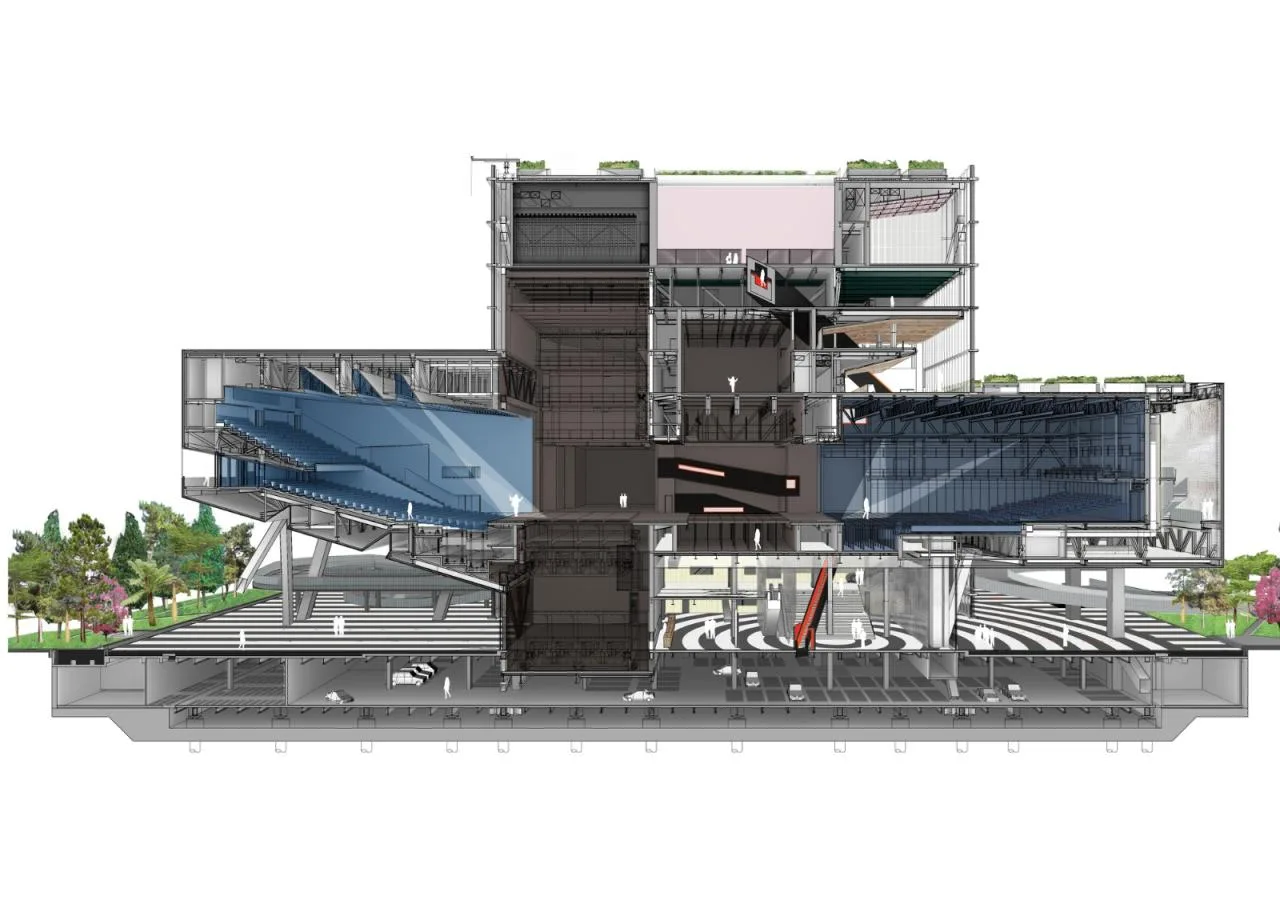
△ Sectional Perspective
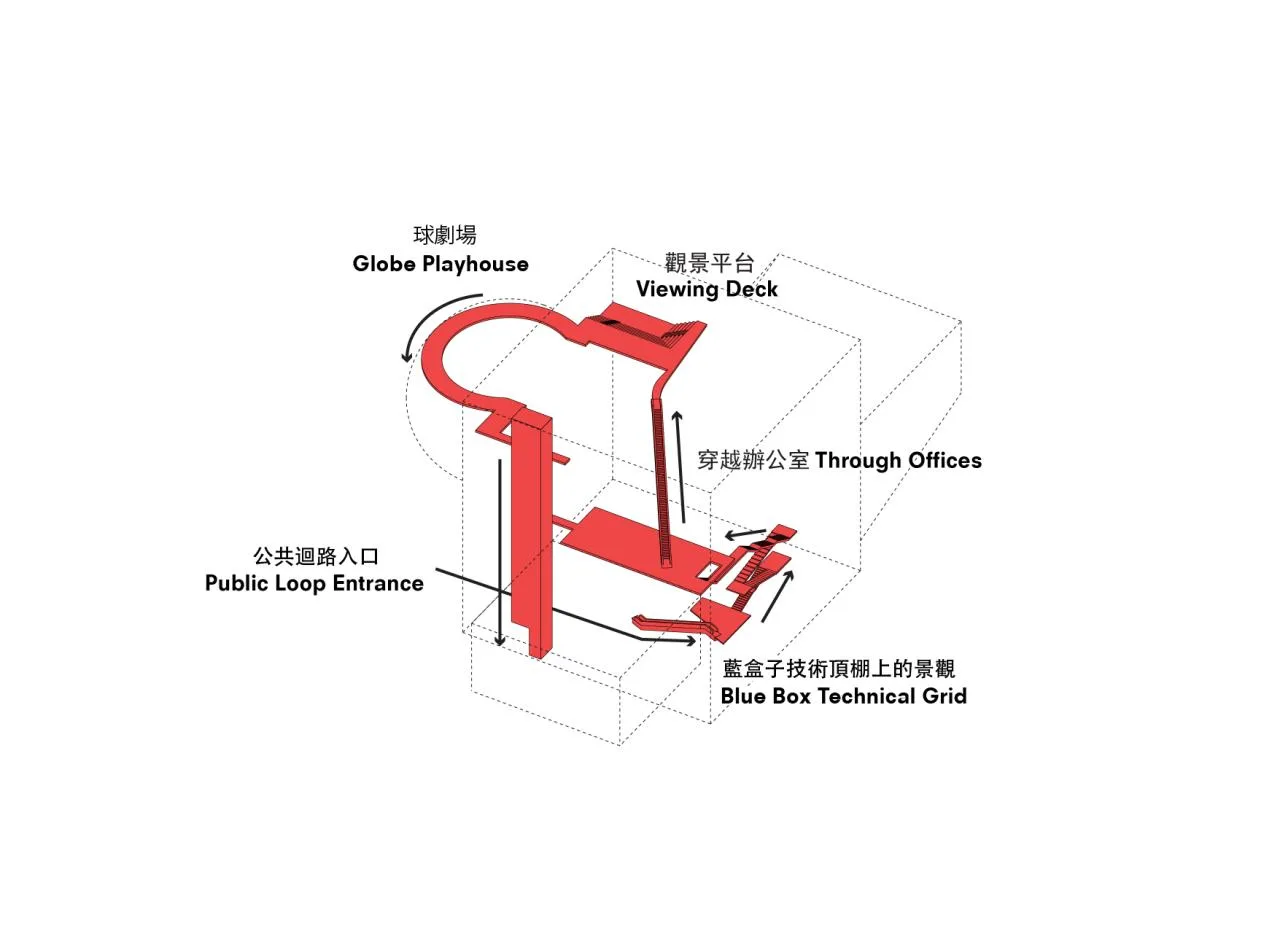
△ Streamline Analysis
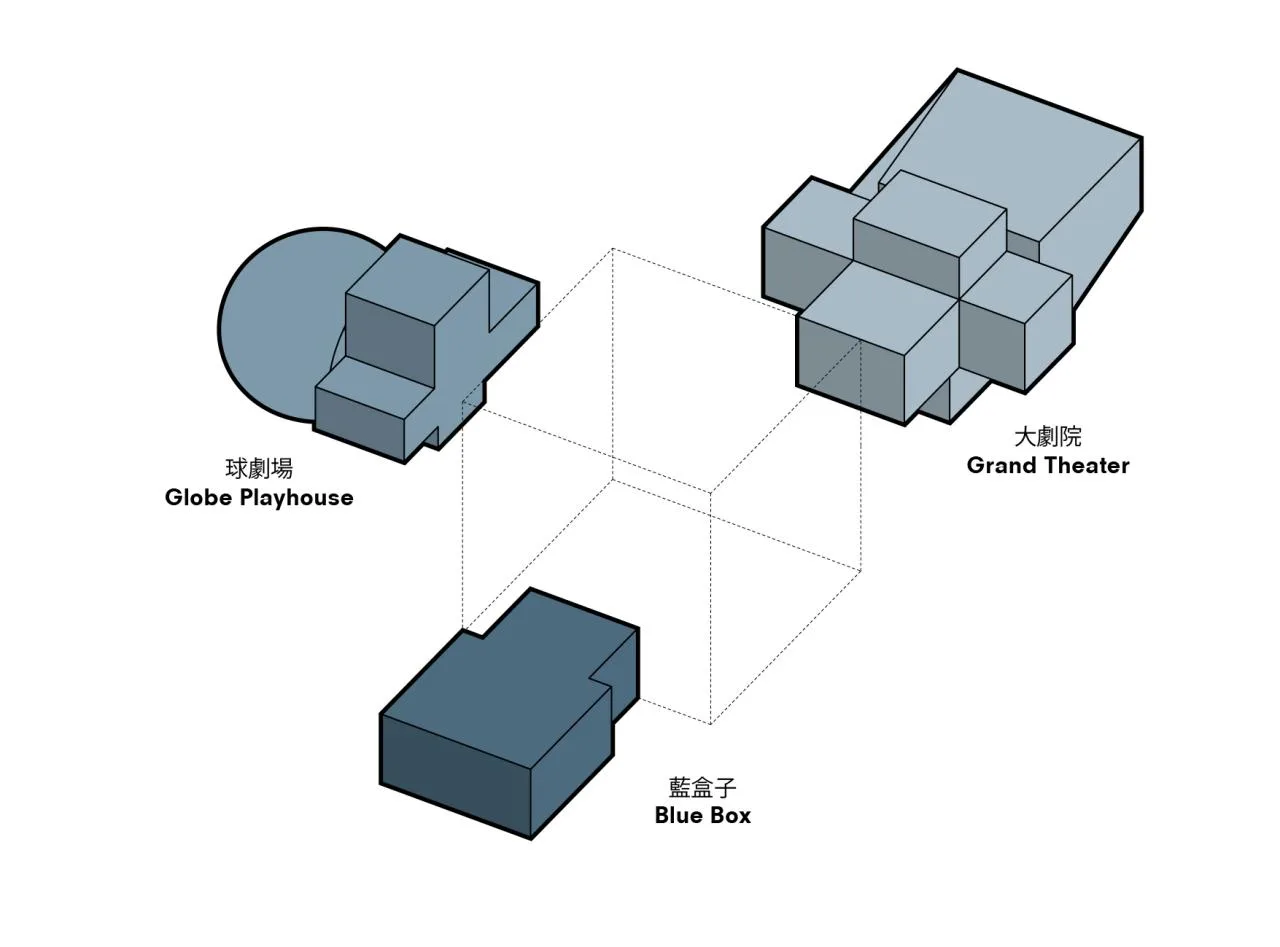
△ Block Analysis
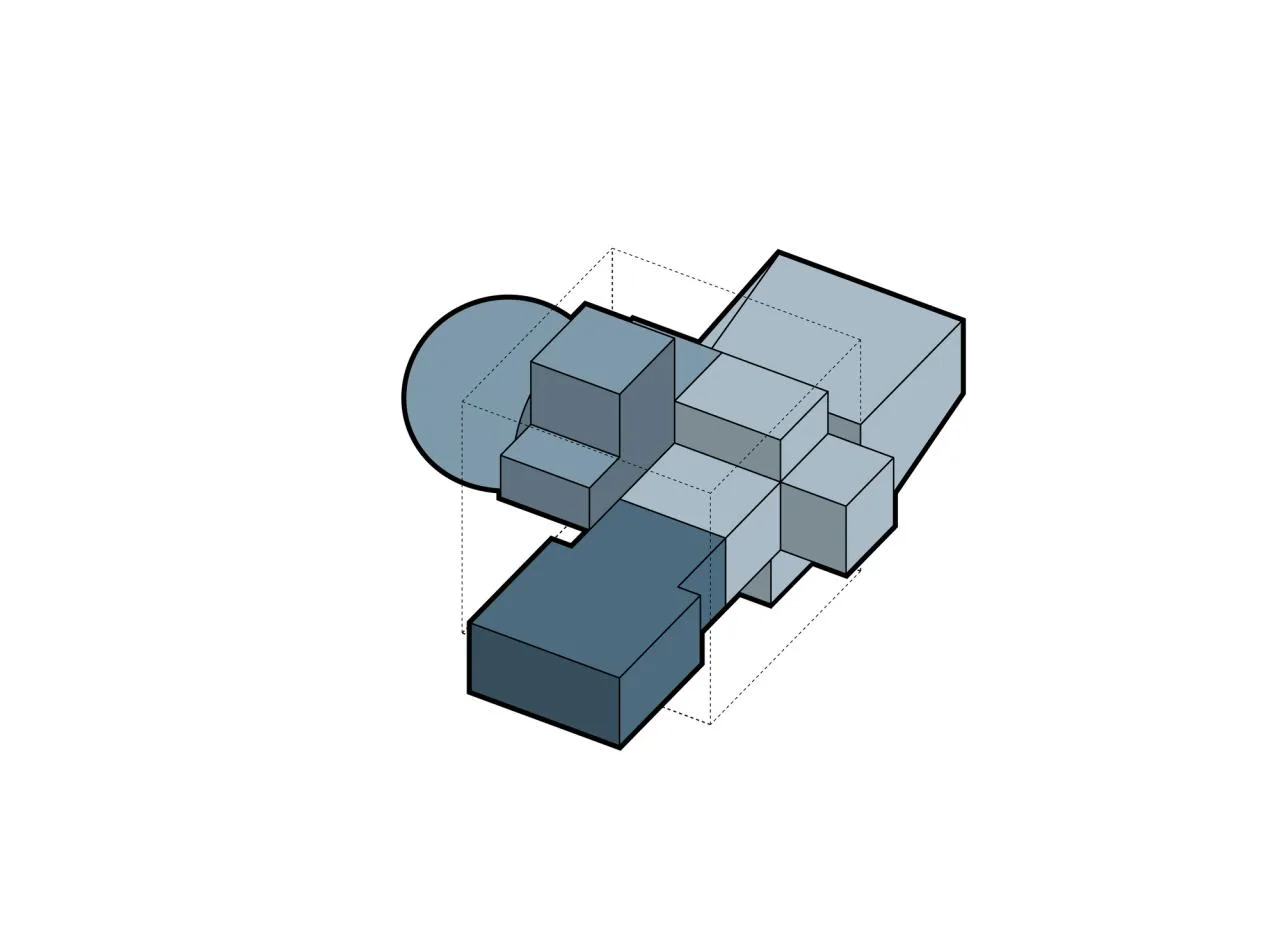
△ Block Analysis
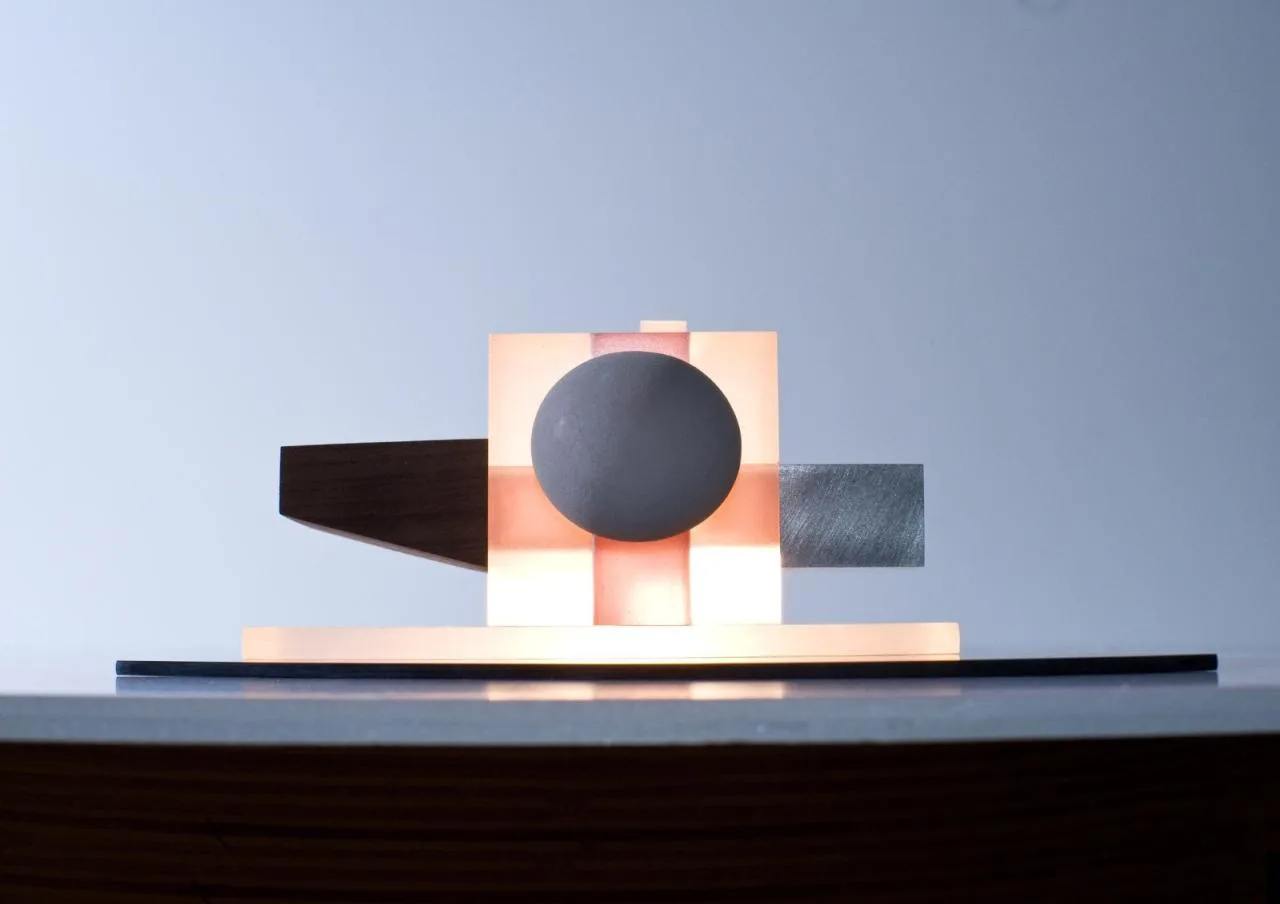
△ Model Diagram
Project Information
Architectural Design: OMA
Area: 58,658 m²
Project Year: 2022
Photographers: Chris Stowers (OMA), Shephotoerd Co. Photography for OMA
Managing Partners: Rem Koolhaas, David Gianotten
Project Director: Lin Jiaru
Collaborating Architects: Paolo Caracini, Inge Goudsmit, Daan Ooievaar, Yannis Chan, Hin-Yeung Cheung, Vincent Kersten, Han Kuo, Meng-Fu Kuo, Nien Lee, Chang-An Liao, Kevin Mak, Nicole Tsai
Executive Architect: Yao Renxi | Dayuan Construction Factory
Design Phase (2009 – 2013) Project Architects: Ibrahim Elhayawam, Adam Frampton, Yannis Chan, Hin-Yeung Cheung, Jim Dodson, Inge Goudsmit, Alasdair Graham, Vincent Kersten, Chiaju Lin, Vivien Liu, Kai Sun Luk, Kevin Mak, Slobodan Radoman, Roberto Requejo, Saul Smeding, Elaine Tsui, Viviano Villarreal-Buerón, Casey Wang, Leonie Wenz
Location: Taiwan, China















Must log in before commenting!
Sign Up