
There are always certain shortcomings in the current project design process. However, integrating BIM technology into this workflow can effectively address these issues:
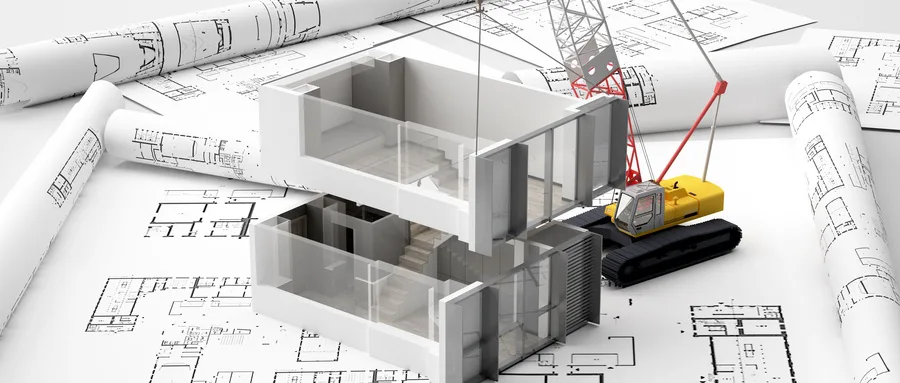
The core strengths of BIM technology include:
1. Richness of Information: BIM models contain detailed data encompassing physical properties, geometry, pricing, and even key information throughout the building’s entire lifecycle. For instance, in Revit software, the fundamental component known as a “family” holds not only physical details but also the functional attributes of that element.
Because BIM stores comprehensive information about various building components in a database format, it simplifies the generation of statistical data for different elements. This capability enables further applications of BIM in project management. Compared to traditional design collaboration platforms, BIM offers significant advantages by enabling seamless information sharing. The use of BIM models extends beyond project bidding and construction drawings; it also provides essential guidance for updating project components during later operational phases.
2. Parameter-Driven Design: BIM allows different types of data to be linked and synchronized in real-time. This interconnection between graphic elements—either automatically generated by software or manually defined—is known as “parameterization.” Parameterization forms the foundation of BIM’s coordination capabilities and productivity benefits.
In the design process, parameterization means that any change made at any point or location is automatically synchronized across the entire project. BIM software’s data associations enable the creation of two-dimensional drawings—such as plans, elevations, and sections—for any building segment once the model is established. These drawings serve as official construction documents with minimal modifications needed.
Additionally, generating drawings automatically through BIM software eliminates inconsistencies commonly found in traditional design stages, where plans, elevations, and sections often fail to match. It also removes the tedious task of manually identifying and updating modified parts in construction drawings, saving designers valuable time.
Another advantage of parameterization is that any axis or building component can be directly manipulated using numerical inputs during modeling. This feature greatly streamlines the process of drawing axes and components, significantly boosting modeling efficiency.
















Must log in before commenting!
Sign Up