
Visualization is a critical aspect of BIM technology that should not be overlooked. Firstly, BIM provides designers with advanced 3D visualization tools, bringing significant improvements in design methods, concepts, and tools compared to traditional processes. This enables engineers and architects to approach projects with a comprehensive three-dimensional perspective.
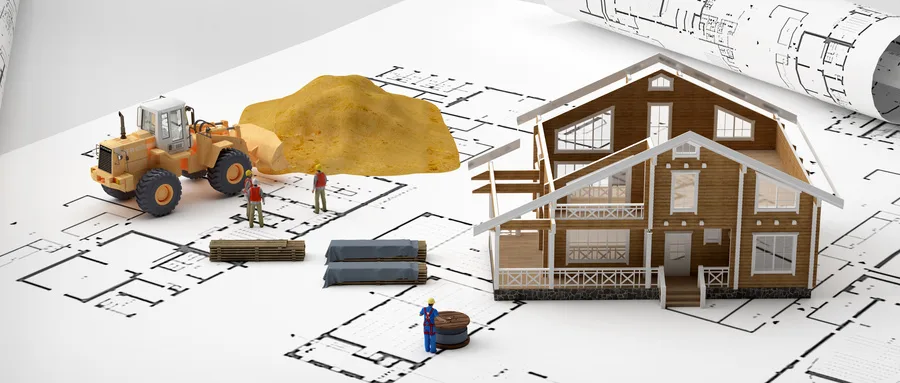
Secondly, BIM’s visualization capabilities greatly enhance spatial relationship analysis, cross-disciplinary understanding, design optimization, early detection of design flaws, and streamline communication. This reduces design changes that fall outside the owner’s initial requirements during construction, lowers rework rates, and—most importantly—speeds up the owner’s decision-making on whether the design meets their expectations.
In traditional design workflows, the final output is typically two-dimensional construction drawings. Building components, which contain complex and separate information, are represented by lines on these drawings. Project participants must rely heavily on their professional expertise and imagination to visualize the three-dimensional form of each component and connection. While this might be manageable for simple or conventional buildings, the increasing complexity and aesthetic demands of modern architecture make this approach unrealistic.
Compared to traditional methods, BIM’s visualization transforms line-based components into solid 3D graphics, making designs accessible and easy to understand for both professionals and non-experts alike. Regarding component clashes, traditional workflows require each discipline to create its own model separately, without a unified platform to detect conflicts. BIM integrates various professional models into a single platform, allowing for comprehensive clash detection. The visualization of these clashes is intuitive, enabling designers to quickly identify and resolve conflicts.
When it comes to communication with property owners, BIM’s visualization offers a clear view of the spatial layout within buildings, helping owners better understand the project’s final appearance. This significantly improves dialogue and feedback during the design process, allowing owners to confirm whether the design aligns with their expectations and to highlight areas needing improvement. As a result, communication efficiency between design teams and owners is greatly enhanced, minimizing wasted effort caused by misunderstandings.
















Must log in before commenting!
Sign Up