
Compared to traditional design methods, using Revit enables rapid creation of BIM 3D models. Parameterized components and project files can be reused multiple times, significantly enhancing design efficiency while reducing errors and complexity. The BIM design approach with Revit software differs from conventional methods in several key ways, which are detailed below.
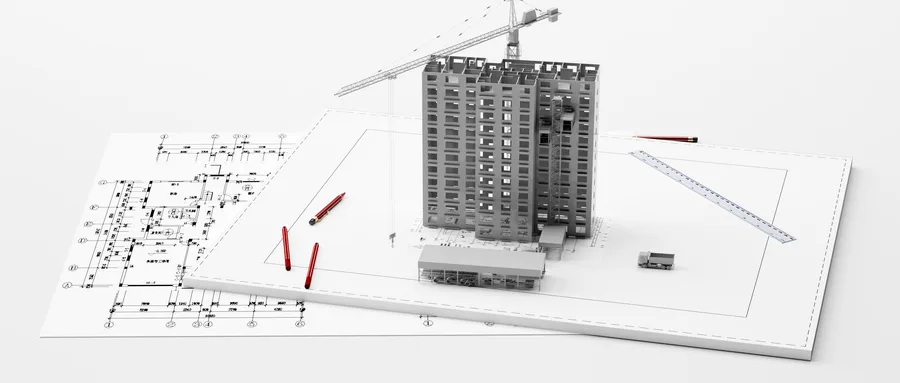
(1) Conceptual Differences: AutoCAD excels in 2D design and also supports some 3D capabilities with basic information modeling. However, compared to BIM’s robust information database, the fundamental concepts differ greatly. Revit is primarily 3D-based, integrating 2D models that are linked and editable, unlike CAD where 2D and 3D drawings are separate and unrelated.
(2) Application Scope: Revit allows users to view, organize, and edit structural components across multiple perspectives—plans, elevations, sections, and 3D views—while accurately positioning elements to ensure overall model precision and minimize errors. Traditional 2D design relies on single-view positioning, which makes error detection challenging.
(3) Component Design: Revit supports independent 3D component design and comes with an extensive library of family files. This library covers architecture, structural elements, and MEP (mechanical, electrical, plumbing), enabling quick and easy creation of schematic and reinforcement diagrams for structural parts as needed.
(4) Associative Modifications: BIM models feature geometric and parametric linkages that maintain real-time correlations between models, views, and data. This means a single modification automatically updates all related views and statistics, boosting design and revision efficiency. Unlike traditional methods where changes must be manually applied across plans, elevations, and sections, Revit’s linking function streamlines this process.
(5) Collaborative Design: BIM technology facilitates multi-disciplinary collaboration through its linking capabilities. This approach supports teamwork across various fields on a unified BIM platform, enhanced by real-time and phased collaboration as well as 3D reviews. Such coordination helps promptly identify and resolve errors, omissions, and clashes, thereby improving design quality.
(6) Parametric Design: Parametric design expresses the real-world attributes of building components and equipment through adjustable parameters, enabling virtual simulations. This approach simplifies statistical analysis and performance evaluation of building models. By modifying parameters, component shapes and behaviors can be dynamically altered and compared to meet specific design requirements.
















Must log in before commenting!
Sign Up