
BIM (Building Information Modeling) is a digital process used to create and manage the physical and functional characteristics of facilities. It serves as a shared knowledge resource, providing reliable information to support decision-making throughout the entire lifecycle of a facility—from the initial concept and design stages, through construction and operation, all the way to demolition.
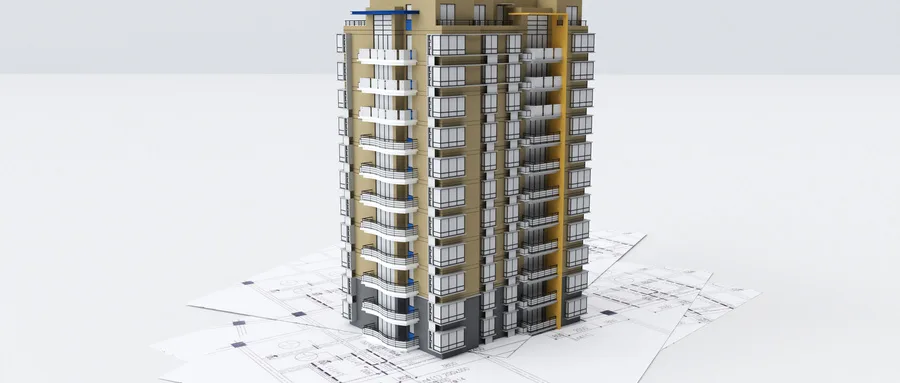
In the engineering and construction industry, BIM stands out as an innovative technology that standardizes facility information in a universal data format spanning the entire project lifecycle. It offers features such as visualization, parameterization, integration, simulation, coordination, and graphical representation. BIM is widely adopted in the design, construction, and operation phases of engineering projects.
With BIM, tasks like clash detection, detailed drawing development, schedule management, and cost estimation can be efficiently performed, helping to predict and reduce engineering risks significantly. Additionally, BIM supports the design and production of prefabricated components, enhancing manufacturing efficiency.
By simulating the building model during the design phase, potential issues related to construction processes, timelines, resource consumption, project costs, and post-construction impacts can be anticipated before actual work begins. This proactive approach contributes greatly to improving building quality, lowering construction expenses, and boosting overall project efficiency.
As a model outcome, BIM differs fundamentally from traditional 3D models by incorporating both physical and functional characteristics. Physical aspects include the types of structural components, spatial and layout arrangements, comprehensive management setups, material specifications, and mechanical and material stacking configurations.
Functional characteristics cover the building’s intended use, specifications, cost management systems, equipment oversight, as well as demolition and reconstruction planning. Throughout the entire construction lifecycle, BIM acts as a vital information carrier that enables all stakeholders to share data seamlessly and collaborate effectively on building management.
















Must log in before commenting!
Sign Up