
During the construction phase, BIM visualization plays a crucial role in optimizing construction plans. It serves as a communication platform between project managers and contractors, helping to monitor and control construction progress effectively. Ensuring smooth construction not only maintains the schedule but also guarantees quality standards.
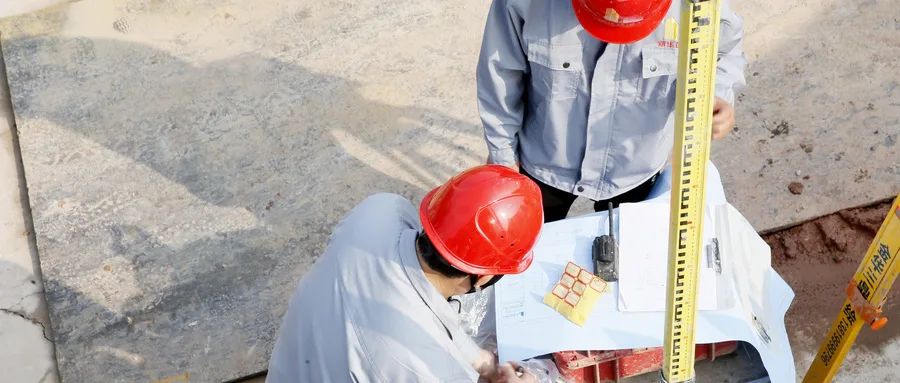
Key benefits of BIM visualization in construction include:
1. Dynamic, Integrated, and Visual 4D Construction Management
By linking 3D models of buildings and construction sites with the project timeline, BIM integrates construction resources and site layout information to create a comprehensive 4D construction information model. This allows for real-time management of progress, workforce, materials, equipment, costs, and site layout, along with visual simulations of the construction process.
2. Enhanced Collaboration Among Project Stakeholders
BIM facilitates seamless information sharing among all parties involved in the project. Through online platforms, stakeholders can submit, review, approve, and utilize documents, drawings, and videos collaboratively. This digital coordination helps manage and monitor construction quality, safety, budget, and scheduling effectively.
3. Virtual Construction for Risk Prediction
By simulating the construction process digitally, virtual models can identify potential challenges related to functionality and constructability before actual on-site work begins. This includes experimenting with construction methods, simulating workflows, and optimizing construction plans.
4. Detailed Analysis of Complex Steel Structure Nodes
Through in-depth simulation of steel structure connections, BIM helps detect errors in component joints. This ensures accuracy in detailed steel structure designs and facilitates calculations and assembly during construction.
















Must log in before commenting!
Sign Up