
Engineering projects involve numerous participants, including owners, supervisors, designers, general contractors, subcontractors, and property management teams. These projects are characterized by complex relationships among various stakeholders, large-scale management requirements, and frequent conflicts. Additionally, many specialized fields contribute to the project, such as on-site construction, electrical systems, and fire safety. As a result, the volume of engineering data generated is vast, complex, and varied in format, with information needs evolving throughout different project phases. The key technical challenge lies in effectively managing communication and information sharing across the entire construction lifecycle.
Currently, it is difficult to directly link two-dimensional CAD-based architectural designs with the information needed during construction. This gap necessitates separate calculations for quantities, which limits the effectiveness of computer-aided construction management.
For example, when building walls in Revit software, wall properties are automatically recognized and assigned by the system. The software calculates quantities and embedded data based on the wall’s general type and composition within the model—considering factors such as thickness, length, height, protective layers, plaster, concrete, and insulation. It also automatically classifies identical components and accurately determines the required amounts of building materials.
When a detailed wall list or quantity takeoff is needed, it can be viewed directly in the property panel or exported as required. This process is fast, convenient, and provides comprehensive information. Any changes to design or construction parameters, such as adjustments to wall properties, are instantly reflected across all relevant material lists, updating names, quantities, and dimensions accordingly. BIM’s automated calculation capabilities reduce human error and deliver more intuitive, reliable data for project management.
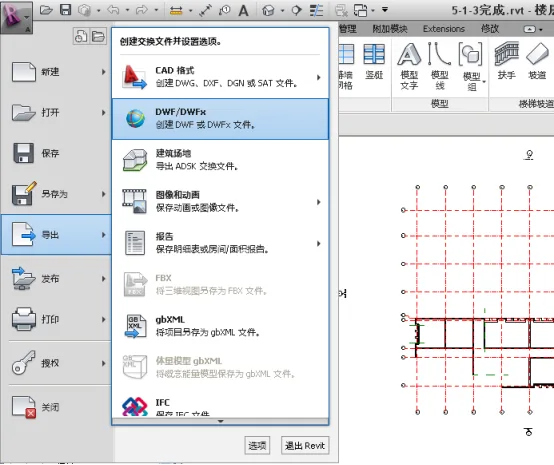
Furthermore, BIM platforms offer strong compatibility with common architectural design software, supporting seamless import, export, and modification of information, which greatly facilitates collaboration and data exchange throughout the project lifecycle.
















Must log in before commenting!
Sign Up