
BIM technology has transformed the traditional construction project workflow by enabling a 3D information model that facilitates communication, information access, and management for all project stakeholders. This model presents data both visually and in tabular form, significantly enhancing project quality.
1. Workflow of Traditional Construction Projects
The lifecycle of a traditional construction project follows a linear process, as illustrated in Figure 1. It typically includes five main stages: project planning, conceptual design, detailed design, construction, and operation. This linear workflow has clear limitations, such as isolated information, risk of data loss, and major decisions often being made with incomplete information until late in the process.
Moreover, the linear approach fails to engage all project stakeholders early on, resulting in poor coordination between participants at different stages. This lack of integrated management increases the risk of unexpected project disruptions.
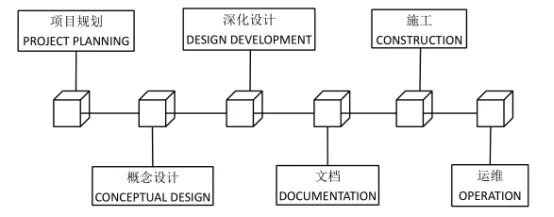
Figure 1: Linear Workflow of Traditional Construction Projects
2. Workflow of Construction Projects Driven by BIM Technology
With BIM technology, construction project teams are encouraged to collaborate throughout the entire project lifecycle. BIM offers a platform for seamless information sharing that minimizes data loss and improves communication efficiency.
This collaborative approach enables stakeholders to participate in key decisions from the early stages, ensuring smoother progress for all parties involved at each phase of the project. The BIM-driven workflow is depicted in Figure 2.
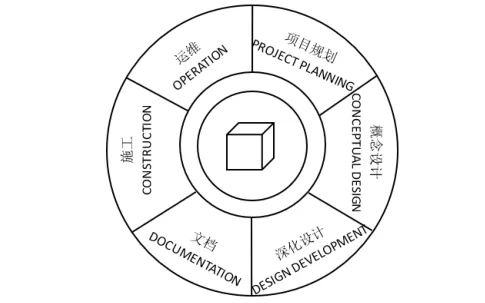
Figure 2: Integrated Workflow of Construction Projects Driven by BIM Technology
















Must log in before commenting!
Sign Up