
Collaboration refers to the process or ability to coordinate two or more resources or individuals to work together toward a common goal. Due to the complexity of construction projects, project management involves many disciplines. The final outcome reflects the combined efforts of various disciplines and participants. Therefore, close cooperation and collaboration among all parties are essential throughout the implementation of construction projects.
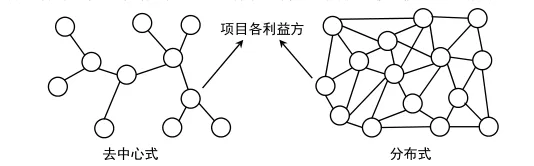
Figure 1: Traditional Project Collaboration Mode in Construction Engineering
1. Collaborative Methods in Traditional Construction Projects
In traditional projects, CAD technology is commonly used to describe and transmit architectural information. The typical design process involves each discipline transferring its data to another discipline in the form of electronic or paper files. Upon receiving these files, the receiving discipline integrates the information into its own design drawings and then provides updated feedback to the original discipline. This iterative process continues until the drawings are checked to ensure they meet design requirements.
During construction, the contractor carries out work based on the design drawings provided. Suppliers deliver equipment and facilities according to the project schedule. Upon completion, the owner verifies the project status using the drawings. These steps occur in a unidirectional, phased manner, with each participant’s work largely independent of others.
As a result, collaboration in traditional project management is limited. The exchange of information and data between disciplines is often delayed and inefficient. This collaboration model is illustrated in Figure 1.
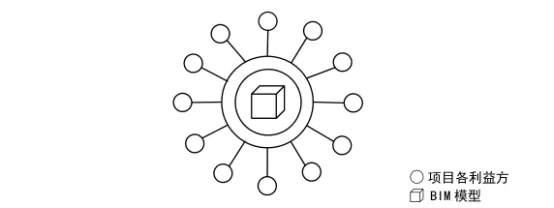
Figure 2: Collaborative Mode of Construction Projects Driven by BIM Technology
2. Collaborative Approach in Construction Projects Driven by BIM Technology
With the advancement of BIM technology, all project participants can create 3D visual simulation BIM models. Each discipline’s design data is stored within the BIM model using 3D digital technology. Participants from different disciplines input data for each project stage into this centralized model.
The BIM model’s data allows participants to carry out their respective tasks while benefiting from the model’s visual clarity. This facilitates communication and coordination among stakeholders and supports technical handovers across disciplines.
Furthermore, BIM helps reduce delays caused by untimely communication, such as schedule setbacks and engineering change delays. It enhances project management efficiency by enabling visual, parametric, and dynamic collaborative management.
Additionally, the BIM collaboration platform boosts the integration of information and personnel, significantly improving the level of collaboration compared to traditional projects. This collaborative mode is shown in Figure 2.
















Must log in before commenting!
Sign Up