
During the construction phase of engineering projects, various challenges inevitably arise. Despite thorough planning in the early stages, unforeseen issues can occur that impact the project schedule.
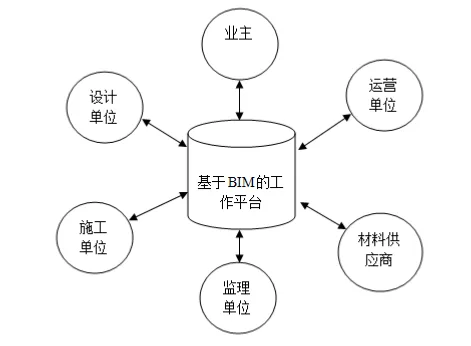
BIM technology addresses the limitations of traditional schedule control by enabling faster and more direct transmission of electronic information. This ensures the reliability and timeliness of data, allowing changes in engineering projects to be reflected in the model promptly. While the core principle of progress control in BIM remains the same—verifying simulation accuracy by comparing it with actual construction—BIM offers a more modern approach through electronic software management.
One method involves using a laser scanner to capture the real-time status of the construction site. This data is then uploaded to a centralized platform, where it is compared against the planned schedule. Identifying discrepancies early helps eliminate unnecessary steps, conserve resources, and reduce errors.
Alternatively, on-site personnel can use a computer to upload current progress updates directly to the work center. This enables quick detection of issues or deviations through comparison with the planned timeline.
Additionally, establishing a dedicated BIM on-site team facilitates effective communication and coordination among various departments. Through team member presentations and information sharing, the group can maintain alignment and control project progress. The workflow of the BIM team is illustrated in the figure above.
















Must log in before commenting!
Sign Up