
To truly implement BIM technology, it is essential to build a collaborative platform based on BIM principles. This platform relies on the IFC building information model database and supports the development of various application software, including architectural design tools, structural calculation programs, and graphical editing platforms. It allows different departments and professionals in the construction industry to view, edit, modify, and store building information following IFC, IDM, and IFD standards, thereby enabling genuine collaborative workflows. The ultimate goal of BIM technology is to facilitate seamless information sharing among professionals throughout a building’s entire lifecycle, ensuring effective collaboration.
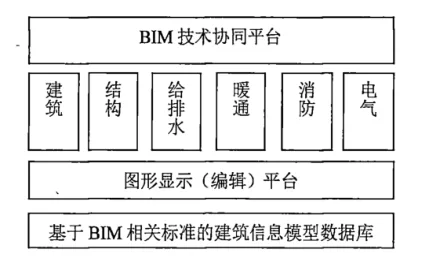
Figure 1: BIM Technology Information Collaboration Framework
The BIM technology information collaboration platform, illustrated above, is structured with MSG handling development and ISG managing application coordination at the foundational layer. At its core lies the IFC file format BIM database, which stores a wide range of building model data, enabling multidisciplinary sharing and use. The second layer features a graphical display and editing platform, allowing various architectural disciplines to carry out key activities across the building’s lifecycle. The top layer involves the application of specialized professional data, where different BIM software tools continuously update and refine the building model. When original data is modified, all related information automatically updates accordingly, preventing errors caused by outdated information. This mechanism guarantees data accuracy when professionals extract the information they need.
















Must log in before commenting!
Sign Up