
An organization is an open system with specific functions, structured in a certain way within a particular environment to achieve common goals. Organizations play a crucial role in accomplishing these goals and serve as the implementers of BIM technology. The effectiveness of an organizational structure directly influences the success or failure of BIM projects. Although construction enterprises may have various organizational structures, they share fundamental similarities. This article explores some common types of organizational structures.
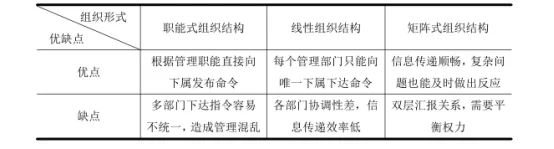
Common organizational structures include the functional, linear, and matrix models. Each has distinct advantages and disadvantages, making them suitable for different types of engineering project management. In a functional organizational structure, leaders can directly issue commands to subordinates. However, this can sometimes lead to confusion and inconsistent management, making it more appropriate for smaller or simpler technical projects.
In a linear organizational structure, each department can issue commands to only one subordinate, which often results in poor coordination between departments and slower information flow. This structure is better suited for projects with smaller scale or less complexity.
The matrix organizational structure combines the strengths of both functional and linear models. It features dual vertical and horizontal leadership systems, facilitating smooth communication and coordination. This structure is ideal for managing large and complex projects.
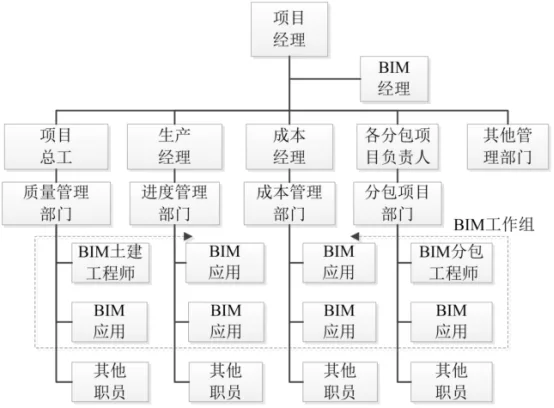
Figure 1: Matrix organizational structure for construction quality management incorporating BIM technology.
With the rapid growth of the construction industry, large-scale and specialized projects have become increasingly common. These projects demand extensive communication and coordination across multiple departments. Among the three organizational structures discussed, the matrix model offers the highest communication efficiency and the strongest interdepartmental coordination, making it the most suitable choice for managing large-scale projects.
Additionally, BIM technology integrates data throughout the entire project lifecycle. Combining BIM with a matrix organizational structure simplifies the management of complex, large-scale construction projects, improving overall efficiency and effectiveness.
















Must log in before commenting!
Sign Up