
While structural BIM technology builds upon the foundational BIM concept, its unique nature necessitates the development of specialized features tailored to structural engineering.
1) Technical Features: Structural BIM technology must incorporate all cutting-edge applications relevant to structural engineering. These include advanced measurement techniques like 3D laser scanning, virtual simulation methods such as numerical simulation and reverse engineering, as well as artificial intelligence technologies like artificial neural networks.
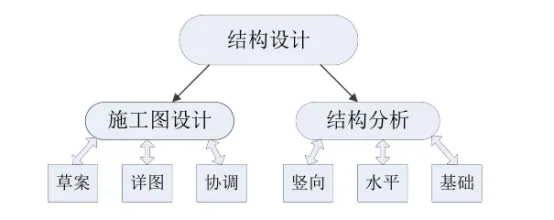
Figure 1: Traditional Structural Design Patterns
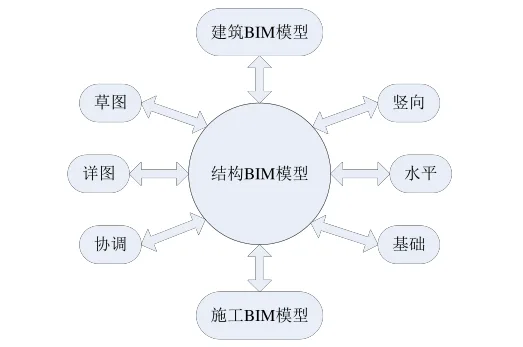
Figure 2: Structural Design Pattern Based on BIM
2) Process Characteristics: Embracing the BIM full lifecycle concept, structural BIM technology creates a comprehensive lifecycle model for engineering structures. This enables structural engineering to support every phase—from initial structure selection (particularly the structural form in preliminary building plans), through design, civil construction, structural health monitoring, identification and reinforcement, to even demolition.
3) Value Characteristics: Thanks to the structural BIM model’s completeness, correlation, and consistency, it offers visualization, information coordination, and model reuse for structural tasks. These features significantly enhance the efficiency of structural workflows.
Building on these aspects, it’s clear that, like BIM technology itself, structural BIM models form the core of structural BIM technology. To meet current structural design demands, structural BIM models should be categorized into two levels: construction and analysis.
Traditionally, structural design involves two separate steps: structural analysis and construction drawing design. Construction drawings are created based on the analysis results, determining final dimensions, layouts, and other component details.
With structural BIM technology, integration goes beyond design. The structural BIM model not only supports analysis and generates construction drawings but can also directly guide the construction process. Furthermore, it seamlessly connects with building and construction BIM models externally. Construction-level information in the structural BIM model can be shared interchangeably with building and construction BIM models, while analysis-level data is derived directly from the building BIM model or obtained through structural BIM technology. This approach truly enables a shared and collaborative information model.
















Must log in before commenting!
Sign Up