
BIM (Building Information Modeling) is a comprehensive digital model that integrates detailed data from all parties involved in a construction project, utilizing advanced 3D digital technology. By converting and linking data, BIM uses computer modeling to create a digital tool that represents each stage of the project. This model displays all project information as 3D graphics, allowing for adjustments through numerical parameters at both macro and micro levels. This enables collaborative 3D design and significantly reduces errors caused by unnecessary data transfers. The key characteristics of a BIM model include:
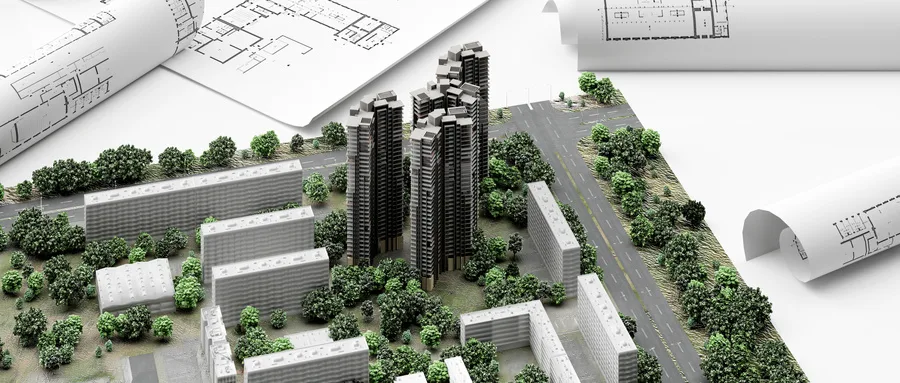
1. Information Integration. BIM consolidates engineering data into 3D models, moving beyond the traditional reliance on CAD line drawings. By creating a specialized engineering information library, it enhances the geometric details of design elements such as shapes, materials, and spatial relationships of components like steel bars, walls, beams, and columns. This makes it easier for construction teams at various stages to extract and utilize relevant graphic information.
2. Visualization of Work. One of the most intuitive features of BIM technology is building visualization. The 3D model can be clearly viewed within the software, and the interactions between different components during construction become more apparent. All identifiable building data can be input and displayed visually, embodying the principle of “what you see is what you get.” This visual clarity improves understanding and reduces the complexity and effort involved in the work.
3. Transferability of Work. During design, construction, and maintenance, project components may need to be adjusted based on specific conditions. When any party modifies the BIM parameters of a model element, related data such as plans, sections, and elevations update automatically. This eliminates the need for manual corrections by different departments, enhancing coordination, reducing workload, and speeding up project progress.
4. Work Relevance and Optimized Design. BIM enhances communication and information sharing between departments. Each team can modify their part of the model independently while adhering to established data standards. Conflicts and interferences among various components can be detected in real time, increasing the efficiency of trial and error. When issues arise, they can be resolved much faster.
















Must log in before commenting!
Sign Up