
BIM (Building Information Modeling) is a three-dimensional digital information model where all components consist of parameter data. When creating a BIM model, the basic properties of each component are defined. The model stores comprehensive data for every component, forming a complete database. Using specialized software, this component information can be automatically calculated, allowing the generation of detailed equipment and material lists.
The material list maintains a dynamic connection to the BIM model. When a component within the model is modified, the software automatically updates the component’s parameter information. This update is then reflected in the material list through the built-in logical link between the model and the list. This process eliminates errors caused by manual calculation of material usage by designers and construction teams, while significantly improving the accuracy and efficiency of project budgeting.
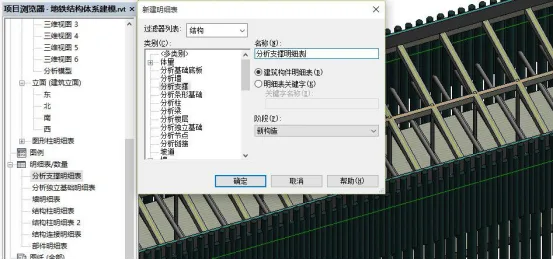
Figure 1: Creating an Analysis Support Detail Table
Setting up a detailed statistical table for structural support analysis is a key feature of BIM. The integration and transfer of data within the model exemplify BIM’s centralized data management. In Revit, for example, users can assign a specific name to the detailed table for structural column usage, making it easier for designers to extract and apply the data.
To create the table, users select the structural elements and analysis support categories from the filter list. They then rename the table as the “Analysis Support Details Table” (shown in Figure 1) and confirm the selection. Within the parameter settings, relevant options to be counted are specified, such as family type, component number, physical material resources, length, and model details.
For example, when counting internal support dimensions, the detailed analysis support table appears as shown in Figure 2:
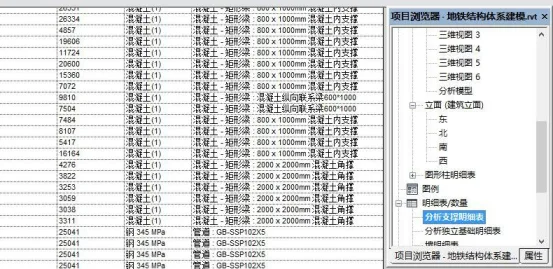
Figure 2: Statistical results supporting the detailed table
One of the major benefits of BIM software is its ability to provide highly accurate material usage statistics. Having a precise understanding of material quantities during building system design serves as a benchmark for assessing project quality. For construction teams, using a material list allows real-time monitoring of material consumption and costs throughout the building process, enhancing overall project management and cost control.
















Must log in before commenting!
Sign Up