
In today’s design industry, there is a wide variety of design and analysis software available, each offering unique advantages as well as certain limitations. When selecting software, several important factors should be taken into consideration:
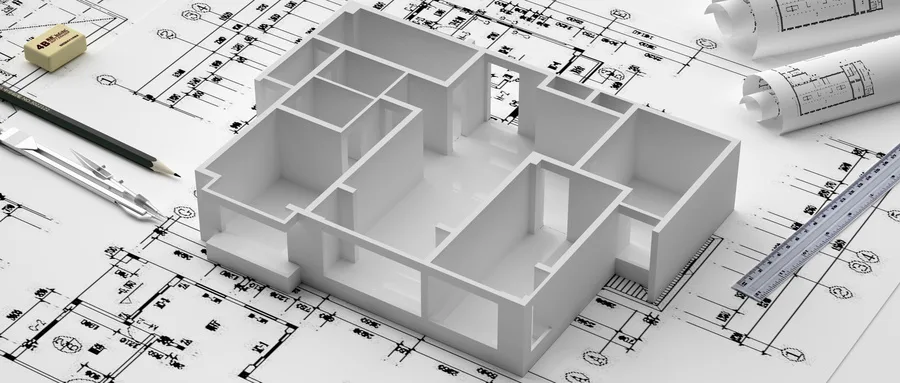
First, it is crucial to ensure the software offers strong compatibility. This means the software’s output formats must be compatible with other programs and meet market standards. For example, 2D design software typically exports files in the DWG format, while BIM software uses the IFC format. Additionally, some designers prefer software that enhances design efficiency, such as CAD Tianzheng, which outputs in a format similar to traditional 2D software but adheres mainly to Chinese design standards.
Second, the software should have a clear connection to BIM. BIM adoption is rapidly expanding in the international architectural design industry and is a key development trend in China as well. Popular BIM-compatible modeling software includes ArchiCAD, the Autodesk Revit series, and MicroStation. Architectural firms should choose software that aligns with their specific needs and project characteristics. For example, civil building projects often utilize Autodesk Revit, factory designs typically rely on Bentley software, and specialized architectural practices frequently use ArchiCAD.
Third, it’s important to select software suited to the specific requirements of the project. While some design tools offer broad applications and comprehensive features, they may fall short in specialized areas—especially for large or complex building structures. In such cases, software with advanced modeling capabilities is preferred. For instance, during the initial design phase of the Shanghai Center Building, Rhinoceros was chosen and combined with Grasshopper to ensure high-quality roof design, using parametric methods to control shape variations.
Moreover, if the project involves sustainable, green building analysis, software options such as Echoect, Green Building Studio, and PKPM are commonly used. For projects with extensive steel structure detailing, Tekla Structure (also known as Xsteel) is often selected due to its specialization in steel design. This software can generate detailed material reports and necessary fabrication codes, enhancing project efficiency and accuracy.
















Must log in before commenting!
Sign Up