
The implementation of BIM (Building Information Modeling) can set different application goals depending on the project context and the technical capabilities of each involved party.
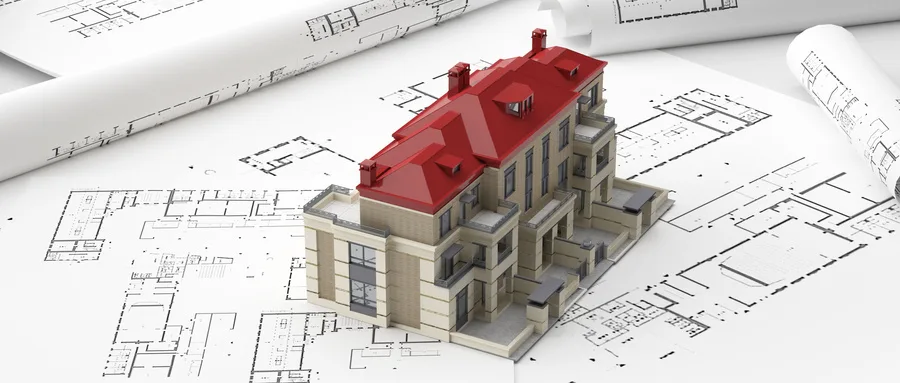
At the early stages of BIM adoption, few designers in the institute are fully proficient in BIM applications. Design workflows are still being developed, and due to tight project schedules, traditional 2D design methods are often preferred to minimize risk. Once the project’s basic design is complete—typically when preliminary designs or construction drawings are ready for review—a dedicated BIM team will convert the drawings into BIM models to verify the accuracy and feasibility of the 2D designs.
While enhancing design quality, the design institute simultaneously builds its BIM expertise by training staff, setting BIM standards and processes, and accumulating practical experience. This establishes a solid foundation for effective BIM design integration. During the early BIM adoption phase, some construction companies outsource engineering design to design institutes and then hire independent BIM consultants to create models and perform clash detection. The consultants submit collision reports and optimization recommendations to the construction teams.
BIM enables construction teams to efficiently inspect, coordinate, and optimize projects in a 3D environment. This reduces risks related to quality, scheduling, and costs during construction, helping ensure better project outcomes and cost control.
However, this approach has clear drawbacks. First, it involves a lot of duplicated effort—2D design and BIM verification are usually handled by separate teams, adding complexity and increasing communication and management costs. Second, the process lacks timeliness. Project schedules are often tight, and importing models for BIM verification only after construction drawings are mostly complete can delay the overall timeline. Since many projects start construction simultaneously with design, issues detected through BIM validation might have already been implemented on-site, requiring costly changes and rendering the BIM results less useful.
The real value of BIM lies in managing and utilizing project information throughout the entire lifecycle, not just in verifying design accuracy. Using BIM solely for validation wastes valuable project data. For example, early-stage BIM modeling can integrate various analysis tools for building performance, such as noise, ventilation, lighting, shading, visibility, and energy consumption studies. These analyses can inform design optimization before finalizing drawings. If modeling occurs only after construction drawings are complete, the opportunity to improve the design through such simulations is lost.
















Must log in before commenting!
Sign Up