
One of the key features of BIM technology is its object-oriented approach to information modeling. This method involves defining geometric parameters and constraints during the model creation process.
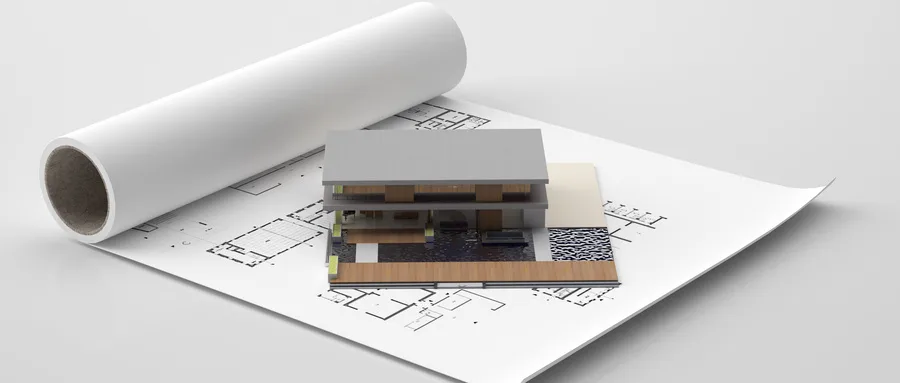
For instance, when constructing a model, there are predefined structural and relational dependencies between elements like doors, windows, and walls. These relationships remain consistent even if the walls are moved. This consistency forms the foundation for collaborative design across different disciplines. In building information models, basic building components—such as doors, windows, roofs, and curtain walls—are digitally represented with their corresponding physical and functional attributes fully embedded.
Another crucial aspect of BIM technology is the parameterization of objects within the information model. Every building component, down to something as small as a doorstep, includes its own set of attribute parameters. These encompass construction units, geometric dimensions, material specifications, labeling information, analysis data, and other non-geometric attributes.
Parameterization proves especially valuable for data analysis and energy consumption assessments. For example, it allows for accurate estimation of construction costs by compiling data on engineering quantities, equipment, and materials. It also supports simulations of various materials and energy consumption values for building exteriors, enabling precise comparisons and optimization of building performance.
By extracting and converting specific information formats from building information models, data integration and sharing between different professional software become possible. For example, ArchiCAD from Graphisoft is used for architectural and structural modeling, while Autodesk’s Revit series supports mechanical and electrical pipeline modeling. Both can export models in IFC format, which can then be imported into domestic BIM software like Guanglian Da for cost calculation.
Moreover, BIM software continues to develop functionalities such as energy consumption analysis, collaborative design, and 4D construction simulation to address diverse project needs. The real-time model data update feature allows users to set intervals for refreshing data across all views. Any change—such as a supplier update for a particular component—is immediately and accurately reflected in the building information model database, significantly enhancing labor efficiency.
















Must log in before commenting!
Sign Up