
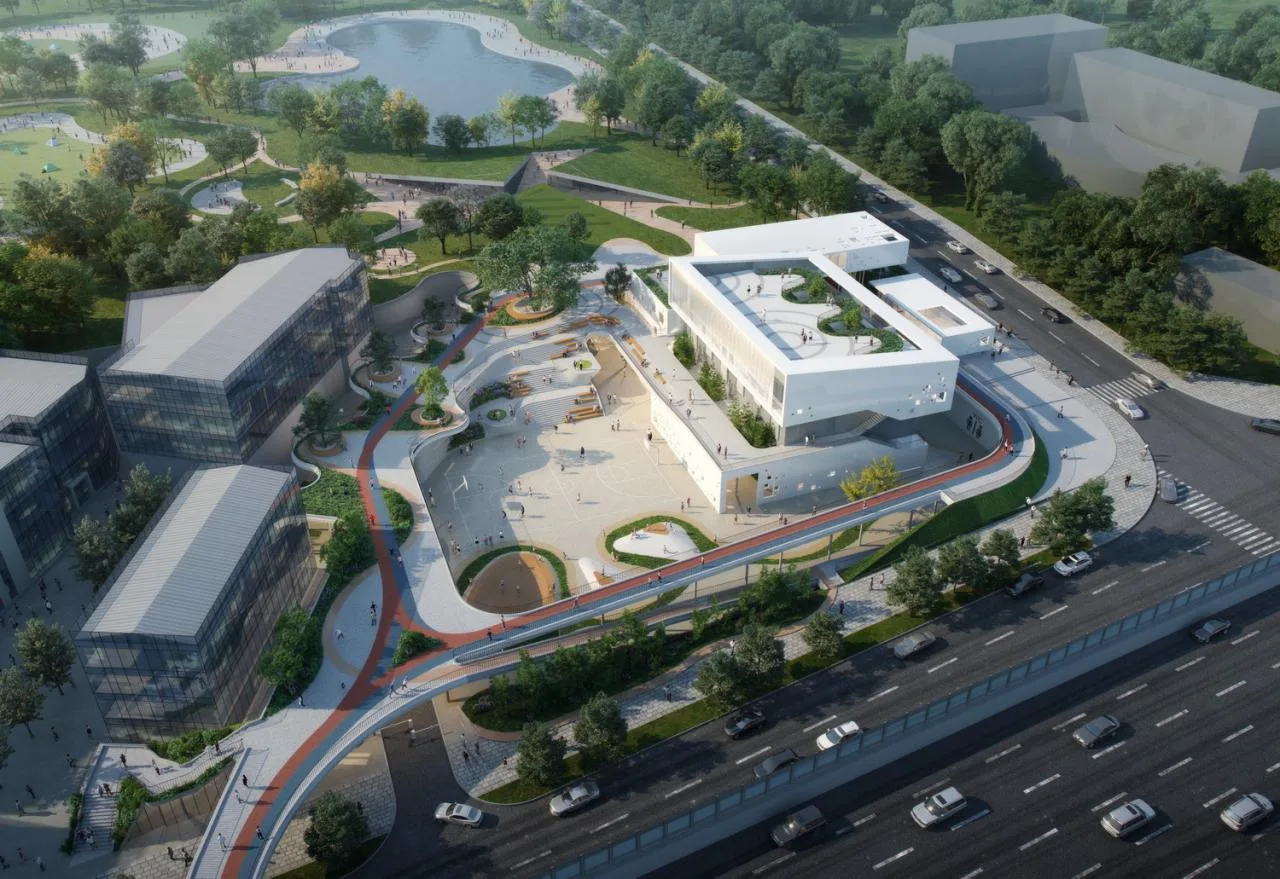
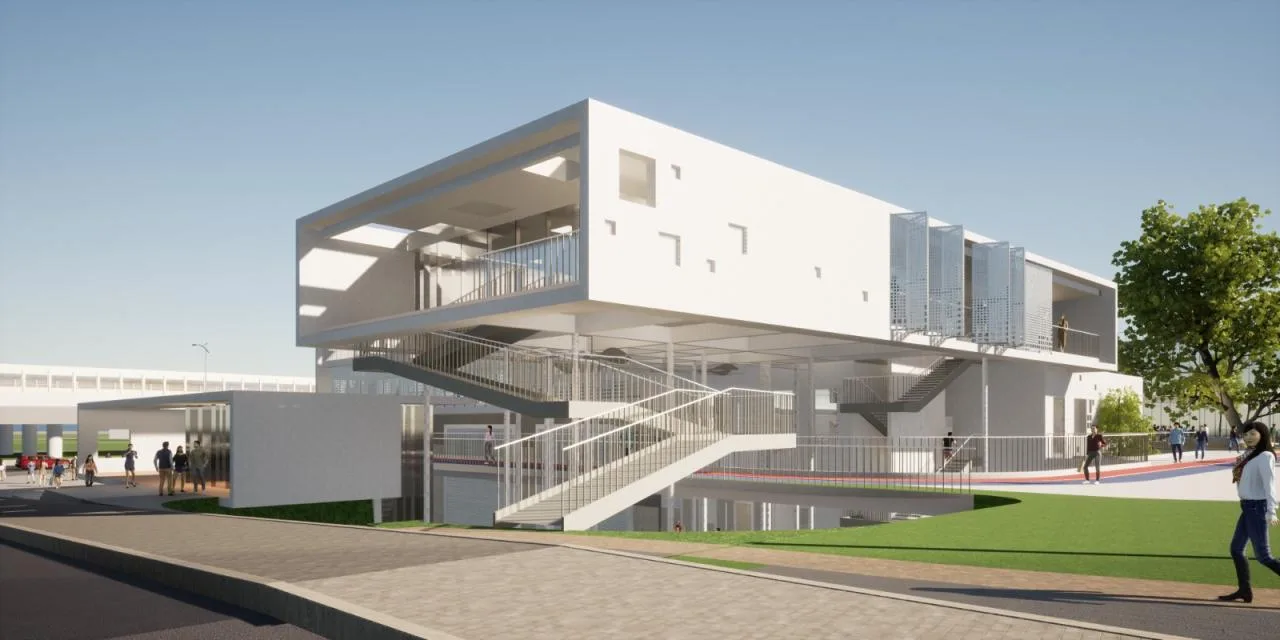
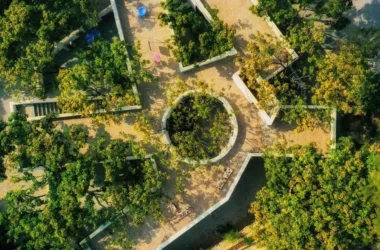
Rendering of the 110 kV Landscape Substation at Panyu Square, Guangzhou.
This design competition was jointly organized by the Guangzhou Municipal Planning and Natural Resources Bureau and the Guangzhou Power Supply Bureau of Guangdong Power Grid Co., Ltd. It invited academicians, masters, and leading architectural designers from China and abroad to design 21 substations across the city. The aim was to collaborate closely with local residents within community streets and alleys. Lasting one year, the competition attracted 177 entries from eight countries including China, Germany, and the UK. RLP distinguished itself in the “Professional Group” by blending Lingnan style with innovative concepts, earning a place among the 15 winning proposals in the final evaluation.
Gathering Energy and Floating Clouds: Creating a New Neighborhood Space
The 110 kV Landscape Substation in Panyu Square is situated in Zhushan Village, Panyu District, near the South China Expressway. While municipal facilities around Zhushan Village have gradually improved, the village still faces challenges such as outdated or absent public amenities, including a shortage of sports fields, health service stations, and activity centers for the elderly.
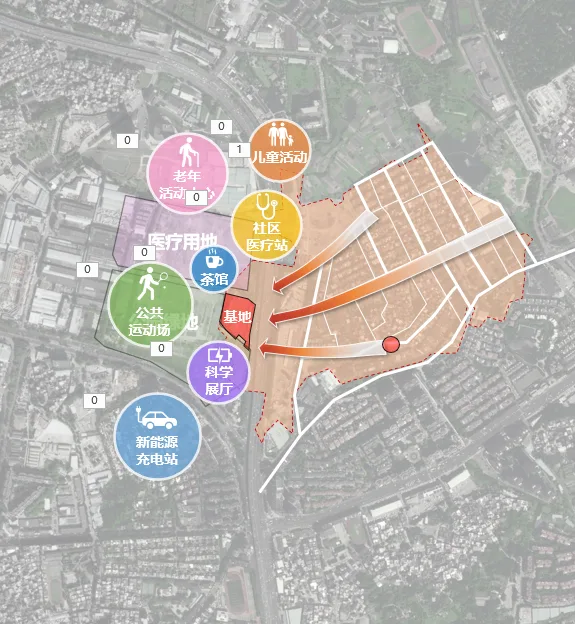
The integrated substation design addresses the key issues faced by Zhushan Village.
In response, the RLP design team developed the concept of “gathering energy and floating clouds,” centering on the needs of people, cities, communities, and power companies. Their innovative, sustainable, and human-focused approach introduced the “dual first floor” concept: a second-floor platform connects surrounding villages and planned green spaces, providing easy access for residents.
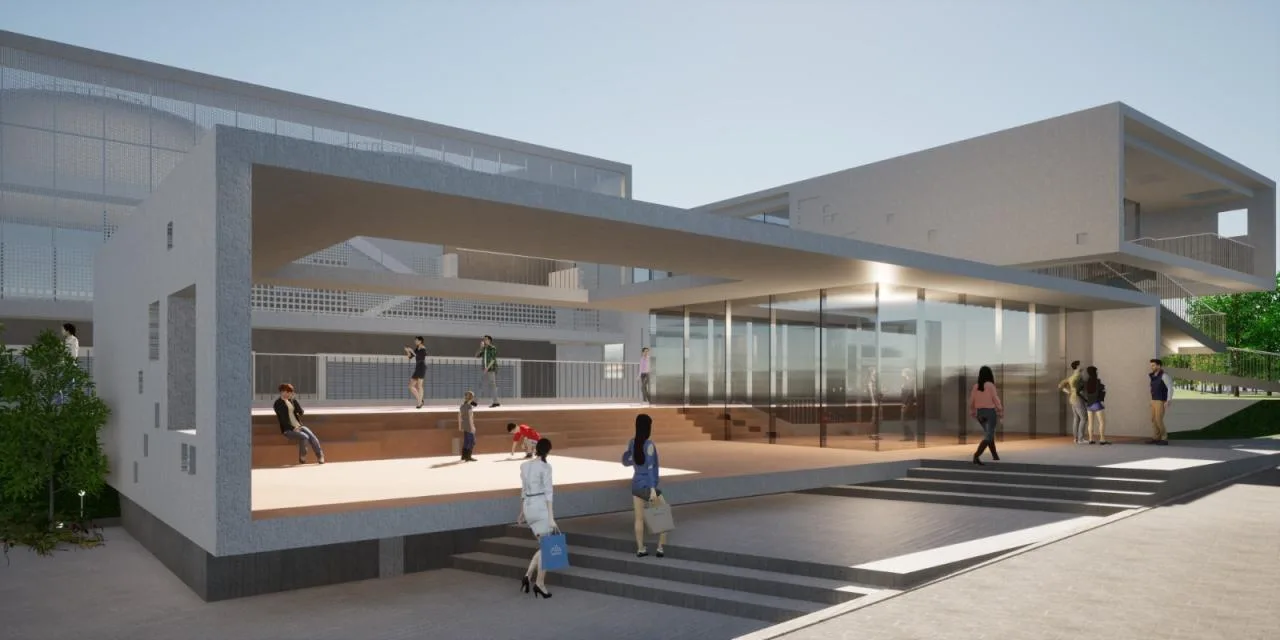
To lessen the impact of the power distribution building on the urban environment, the design reverses its orientation. This opens the urban interface, creates ample space for charging parking spots and fire-fighting facilities, and forms an open community activity square.
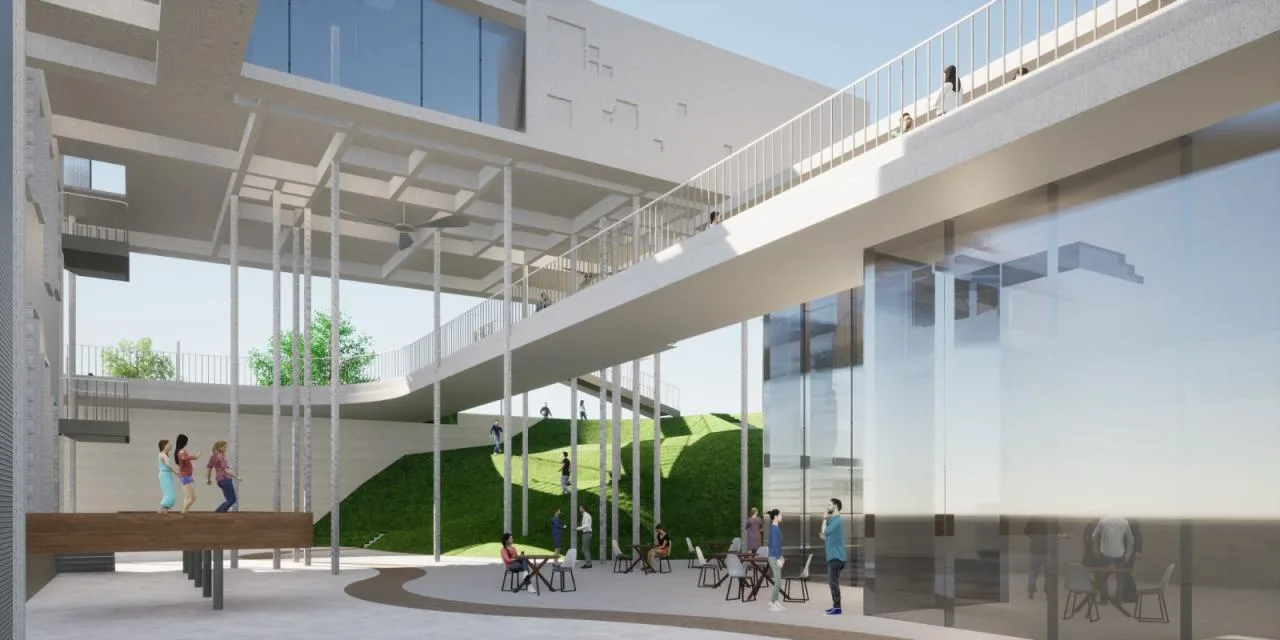
The substation incorporates diverse community service functions, including small-scale commercial spaces and tea rooms for leisure while waiting for car charging. Additionally, a science education corridor on the second floor offers an engaging flow of visitors, teaching the public about the substation’s operation principles.
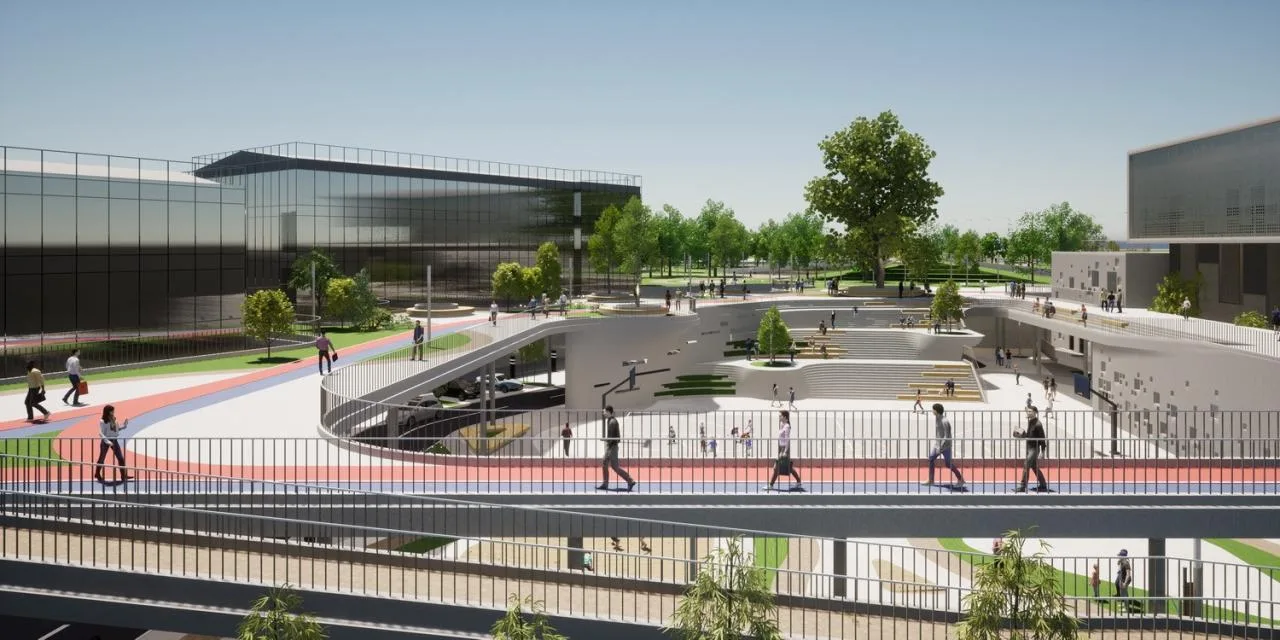
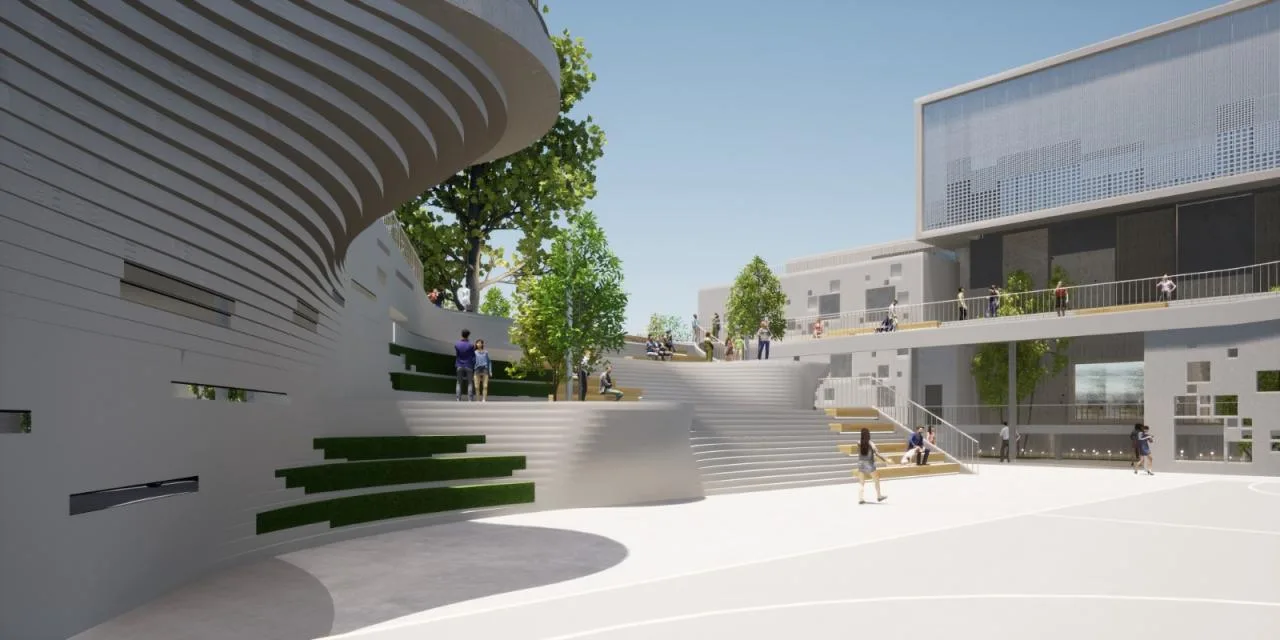
The redesigned power distribution building creates an open community activity square.
RLP aims to transform the traditional perception of substations—from single-function, enclosed, and cold structures—to spaces that “benefit neighbors” rather than “avoid neighbors.” This approach improves the integration of municipal public facilities, offers more open spaces for the public, and demonstrates the value of “design makes life better.”
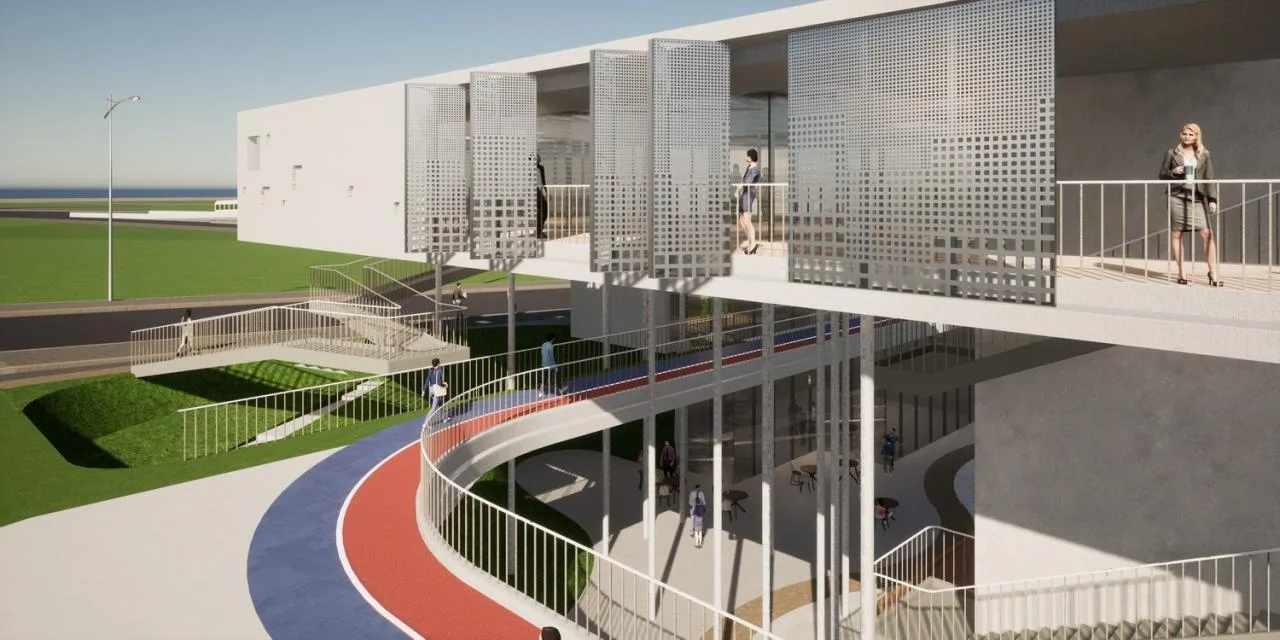
Architecturally, a “circulation staircase” connects the sports square to the second-floor platform, complemented by local green slopes. Scattered seating around the area serves as rest spots and stadium-style grandstands. Additionally, an S-shaped “finger platform” offers resting spaces along fast and slow running trails, providing runners with varied experiences and shelter for vehicles charging beneath the platform.
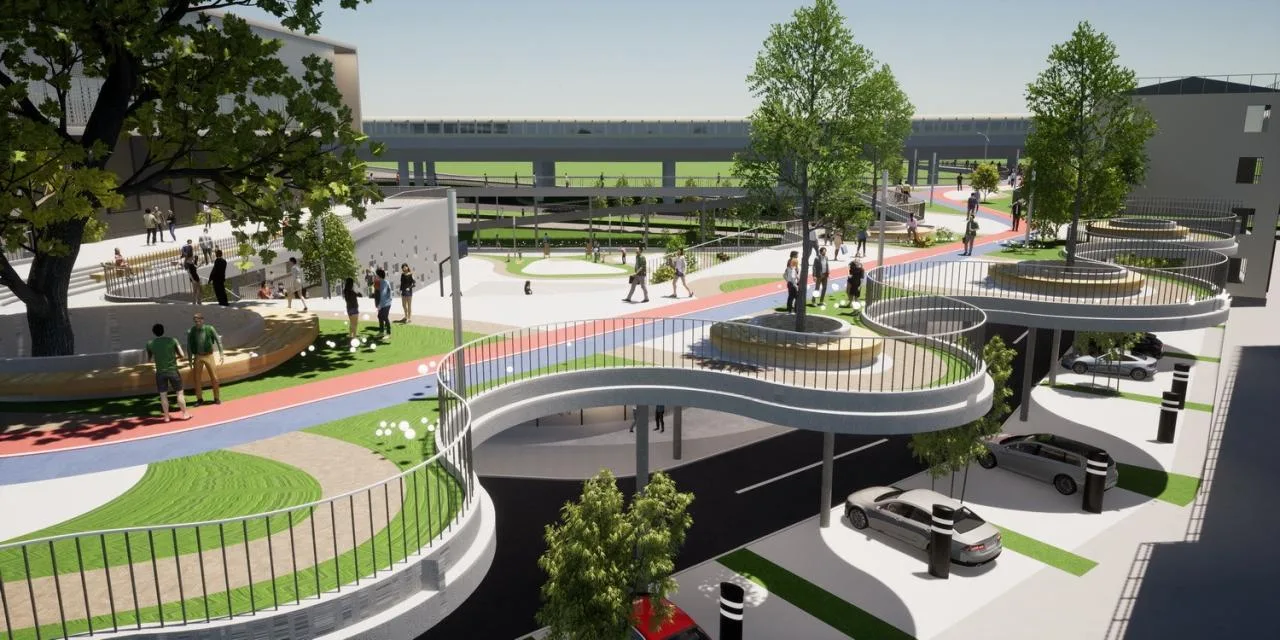
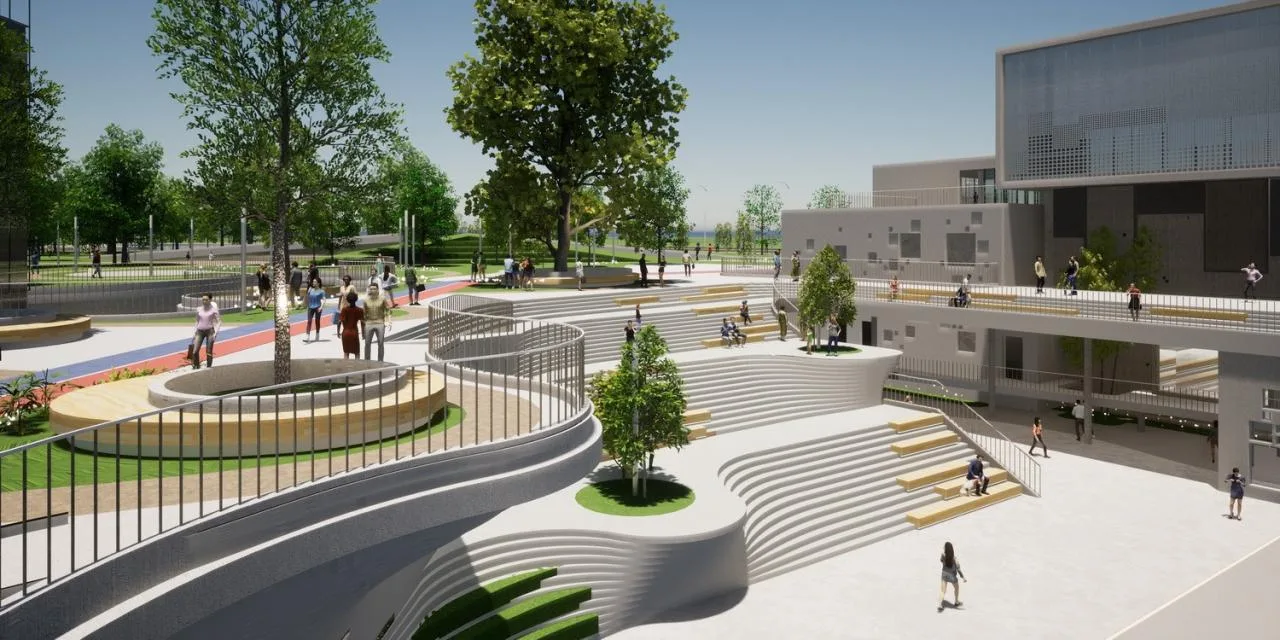
The “circulation staircase” and S-shaped “finger platform” enhance public access to open spaces.
The substation’s exterior walls are clad in perforated aluminum panels, designed to mimic swirling clouds drifting through the air. The varying perforation densities draw inspiration from rain clouds: the upper layers are denser, while the lower layers are more open. Facing the sports square, the aluminum panel façade doubles as an interactive projection screen at night, allowing children to play small games and enjoy shared experiences.
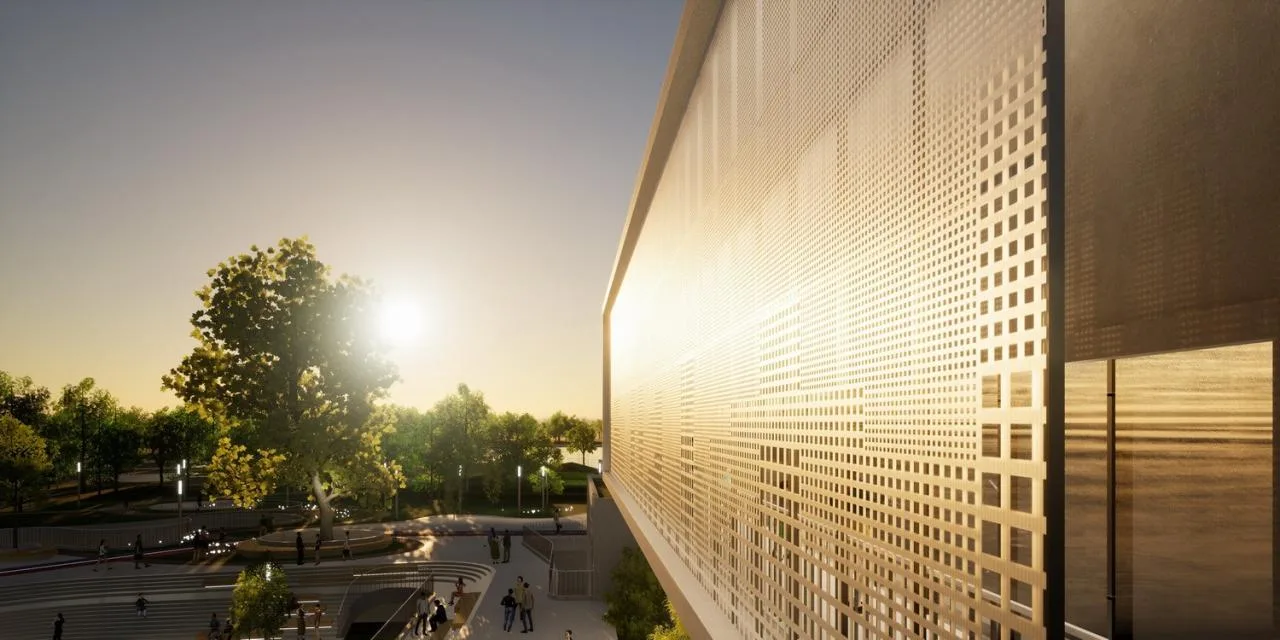
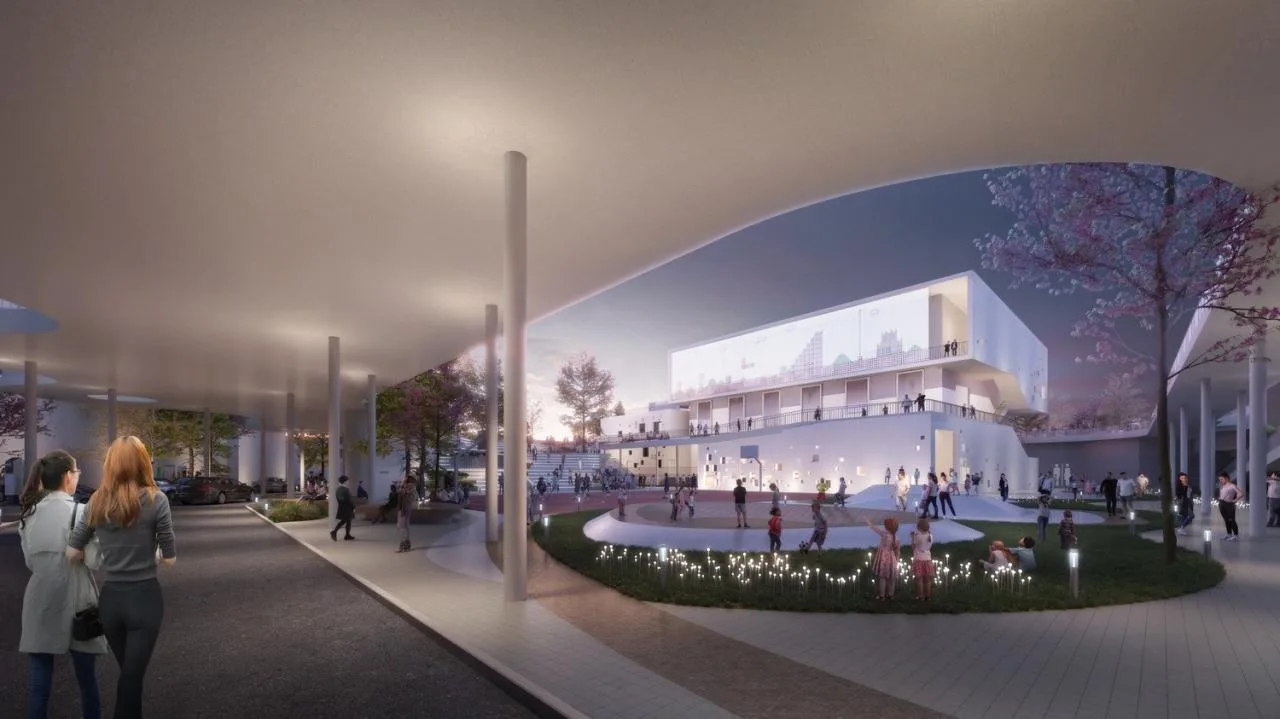
△ Inspired by rain clouds, the perforated aluminum panels serve as interactive projection screens at night.
From Integration for the People to Coexistence and Sharing
The Guangzhou Panyu Square Substation redefines the traditional design concept from isolation to integration. It uses the power of design to bring municipal facilities closer to citizens, embedding the substation into the city’s development and citizens’ daily lives. Visually, it blends seamlessly with the surrounding landscape, enhancing the city’s image.
Functionally, the design focuses on public needs to create a new community hub that supports neighborhood interaction, life services, sports and fitness, and healthcare. This improves quality of life, showcases coexistence and symbiosis between people and the city, and promotes sustainable urban development.
RLP is dedicated to bringing municipal facilities closer to the community through thoughtful design.
Cities require not only iconic landmarks but also essential public spaces and facilities integral to daily life. These spaces must be carefully designed and integrated into communities. With the successful conclusion of China’s first international competition for landscape and functional substation design, the image of substations is being reimagined. Going forward, municipal public facilities will embody scientific innovation, high-quality craftsmanship, and aesthetic excellence, significantly enhancing urban image and quality.
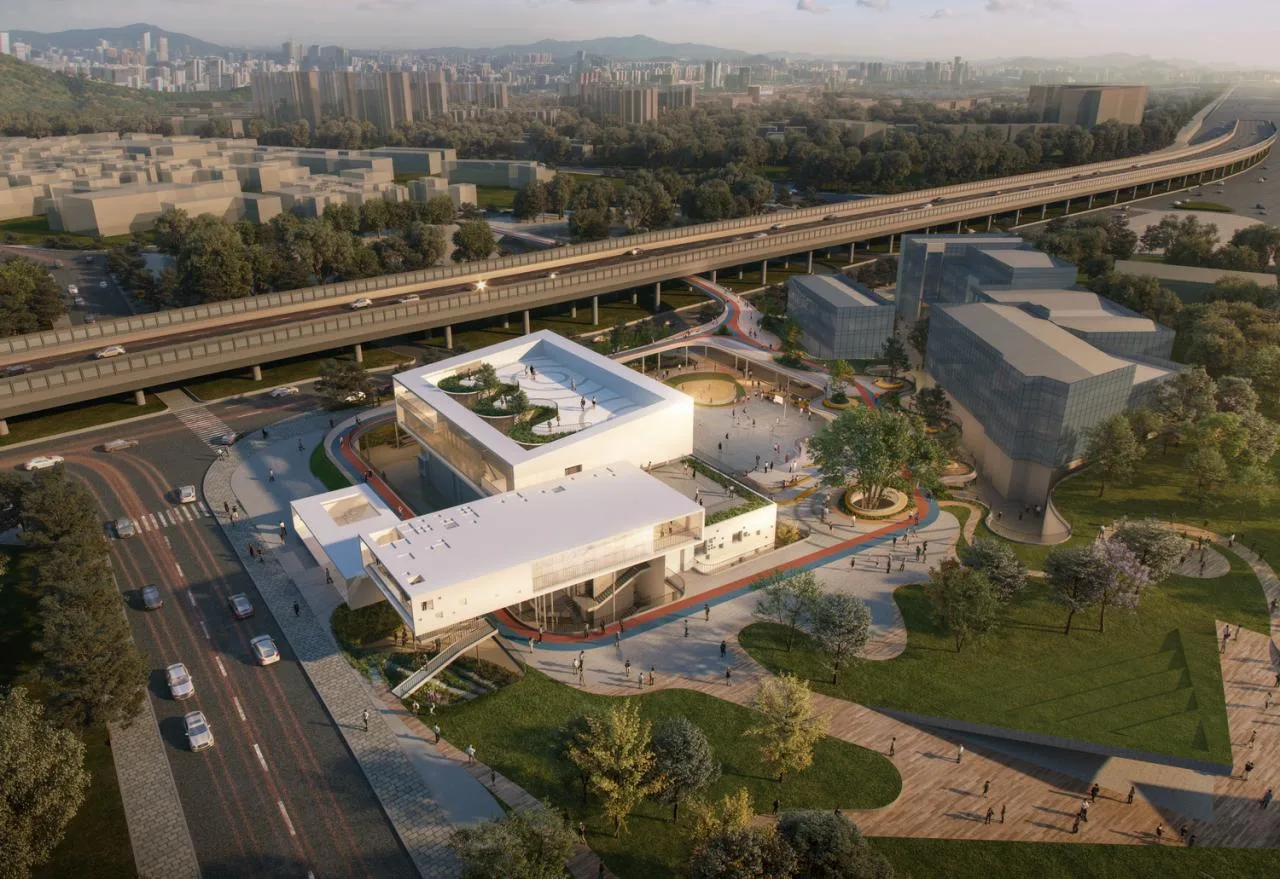
The future substation will become a multifunctional community center.
Electricity powers thousands of city lights, and through the concept of “gathering energy and floating clouds,” RLP envisions substations as hubs of infinite possibilities. RLP remains committed to advancing the new power system towards a green development path aligned with carbon peak and carbon neutrality goals.












Must log in before commenting!
Sign Up