
The operation and maintenance of transportation infrastructure is an ongoing process. Although a road’s design life typically ranges from ten to twenty years, it often remains in use for several decades or even centuries through measures such as widening, maintenance, and reinforcement. In fact, the operational phase represents the longest stage in a road project’s entire lifecycle.
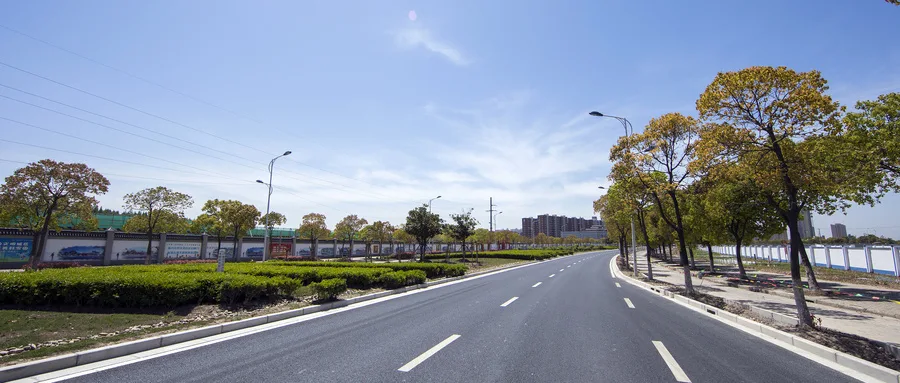
Following the design and construction phases, the completion documents serve as the foundation for operation and management over the coming decades. Establishing a comprehensive road information management system is crucial to ensure the road’s continued healthy operation. Traditional construction methods, which typically provide only electronic or paper records upon project completion, lack intuitive and accessible basic information during the operation phase. Conversely, information management systems based on BIM technology integrate design and construction data with dynamic traffic flow and structural safety information throughout the road’s operational life.
Managing road fixed assets is a key aspect of the operation and maintenance phase. Manual input, updating, and maintenance of vast asset data demand significant manpower and expertise, and are prone to errors. Since the BIM model contains all project information, extracting raw data through specific interfaces and importing it into the management system ensures accuracy while increasing efficiency and convenience.
By incorporating a real-time traffic flow observation and monitoring system, road usage can be tracked live within BIM models. This allows for the analysis of traffic congestion causes and the timely implementation of measures to ease bottlenecks. Additionally, areas prone to accidents can be identified and analyzed in BIM, enabling targeted solutions to improve safety.
Maintenance schedules for roads and bridges can be automatically generated within the system, with records and updates seamlessly integrated into BIM models. This also supports transparent monitoring and management of maintenance-related costs.
Data collected through monitoring modules—such as structural internal forces, strains, and geometric deformations of bridges, tunnels, and other infrastructure—can be viewed in real time. This enables continuous assessment of structural integrity, early detection of potential hazards, and informed decision-making for maintenance, facilitating effective daily management.
Using BIM models alongside specialized software, it is possible to simulate and analyze the impact of adverse weather conditions like rain, fog, ice, and snow. These simulations help predict traffic flow and accident scenarios before such weather events occur, allowing authorities to develop emergency plans for personnel deployment and rescue operations.
















Must log in before commenting!
Sign Up