
The adoption of BIM technology is essential for advancing engineering construction methods. Embracing innovation and keeping up with industry trends is a smart strategy for every construction company and professional. In China, BIM technology was introduced relatively early and has been applied to numerous large-scale projects. Notably, BIM played a crucial role in the construction of several venues for the 2008 Beijing Olympic Games, the design of the main theme pavilions at the Shanghai World Expo, and the development of the Shanghai Tower.
When examining BIM’s role in engineering practice and research, it’s clear that projects are becoming larger and more complex, involving an increasing number of teams and specialists. The era of relying on a single software solution to address all engineering challenges is over. Success now depends on equipping oneself with the right tools. High-quality technical resources are fundamental to effectively implementing BIM in construction projects.
Hardware Selection
Organizations or individuals applying BIM technology should determine their hardware requirements based on specific needs and objectives. Typically, BIM hardware standards suggest one dedicated workstation per user within a team. The table below outlines typical hardware configurations and their features:
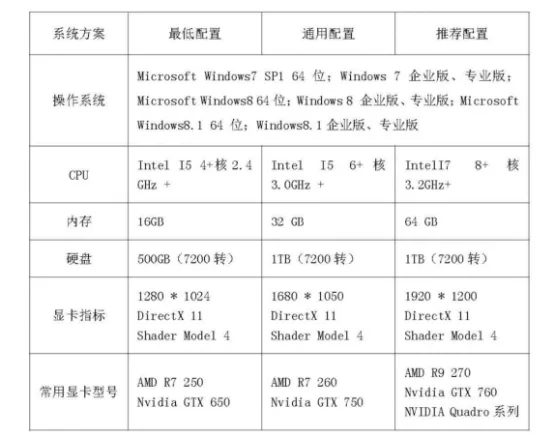
In general, financial resources dictate the capabilities of the hardware setup. The choice of BIM hardware varies depending on the specific job requirements. Selecting equipment that aligns with the organization’s needs and budget ensures the most efficient and practical solution.
















Must log in before commenting!
Sign Up