
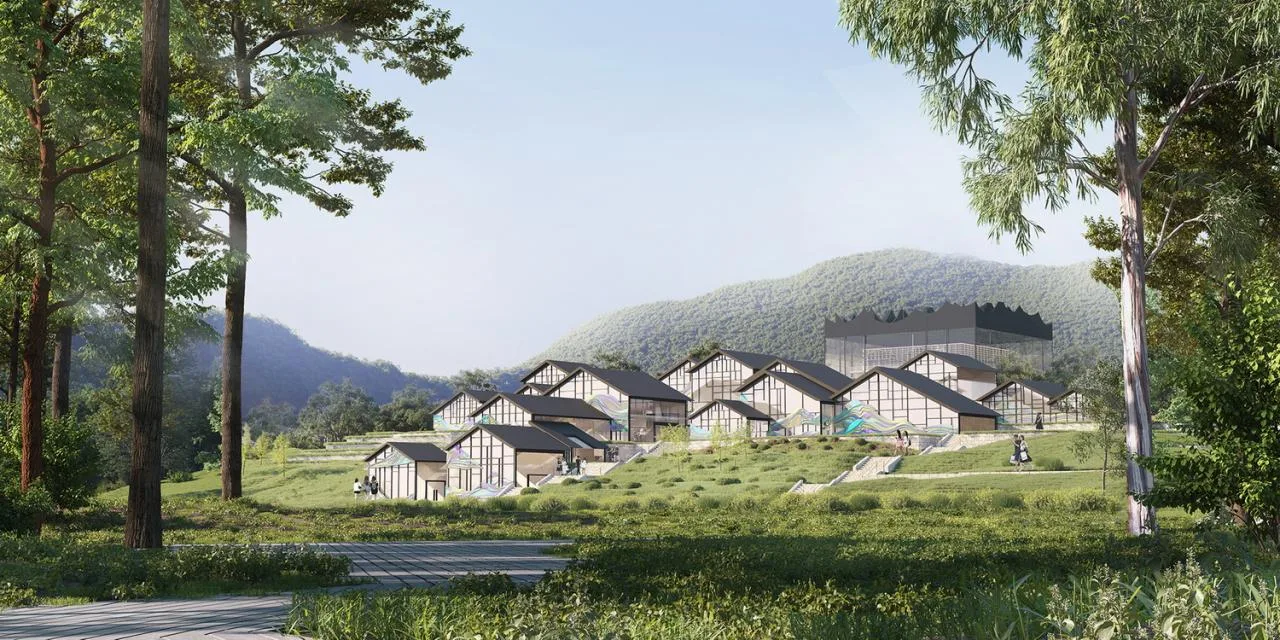
This project is situated in Xianshi Ancient Town, known as the “Millennium Salt Capital” of Zigong City in Sichuan Province. Nestled among mountains and water, the site reflects the rich historical and cultural heritage of Xianshi Ancient Town from north to south. The design respects the local culture and natural environment, drawing inspiration from the winding salt road. It reinterprets the Sichuan Salt Ancient Road through a contemporary architectural expression, aiming to revive the cultural memories that have faded over time.
Venue Information and Regional Culture

△ Image source: network
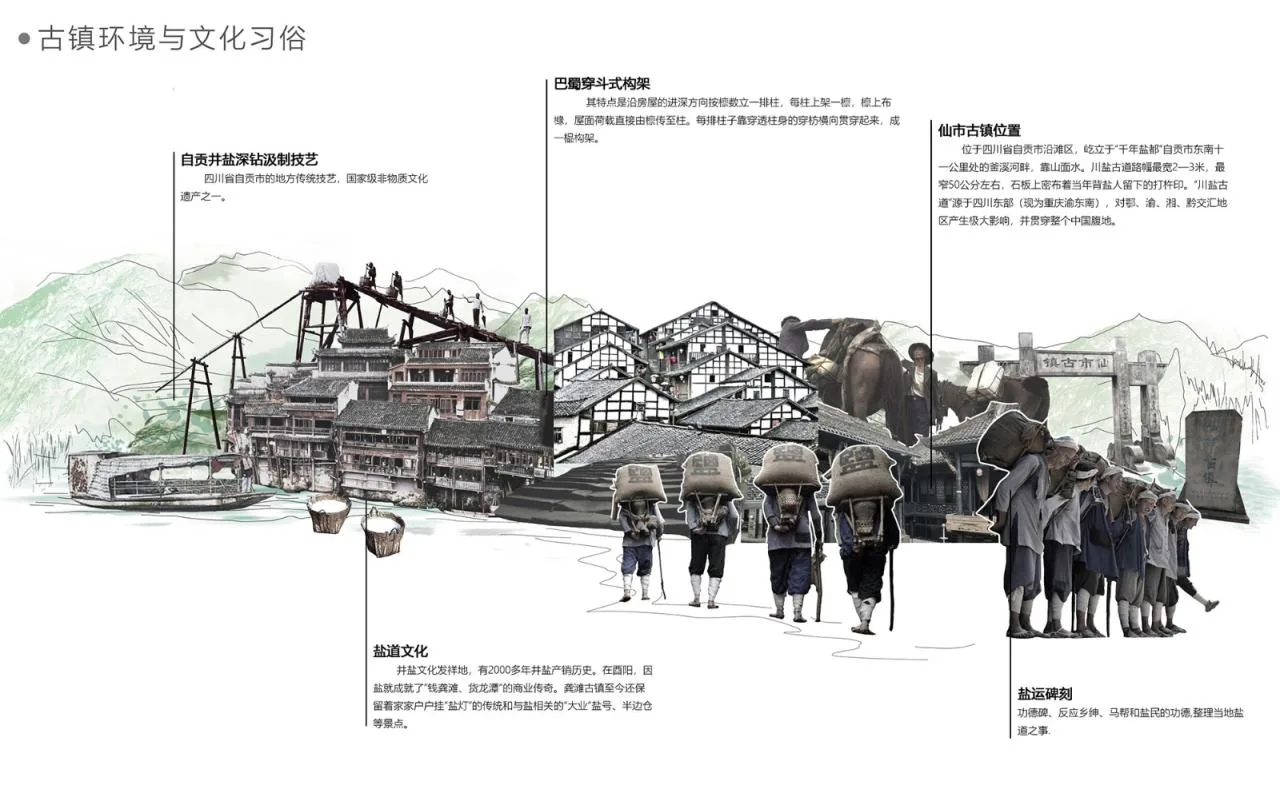
△ Village environment and cultural customs
Spatial Composition
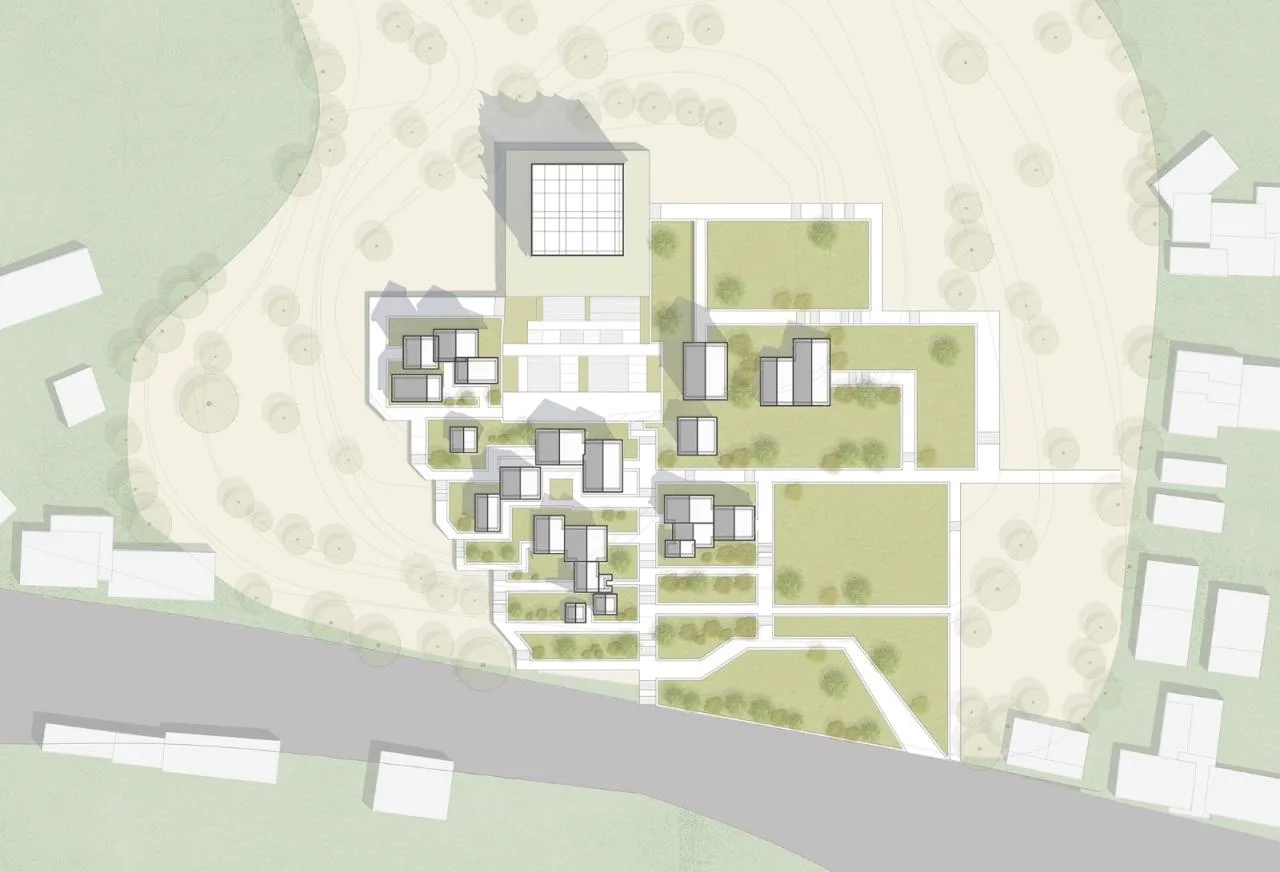
The site lies along the banks of the Fuxi River, approximately eleven kilometers southeast of Zigong City, covering about 30,000 square meters with a building area of roughly 15,000 square meters. To the north, mountains and abundant vegetation surround the area, while to the south, village parks and primary and secondary schools across the road create a vibrant community hub. This location serves as the village’s center for activities, education, and social gatherings.
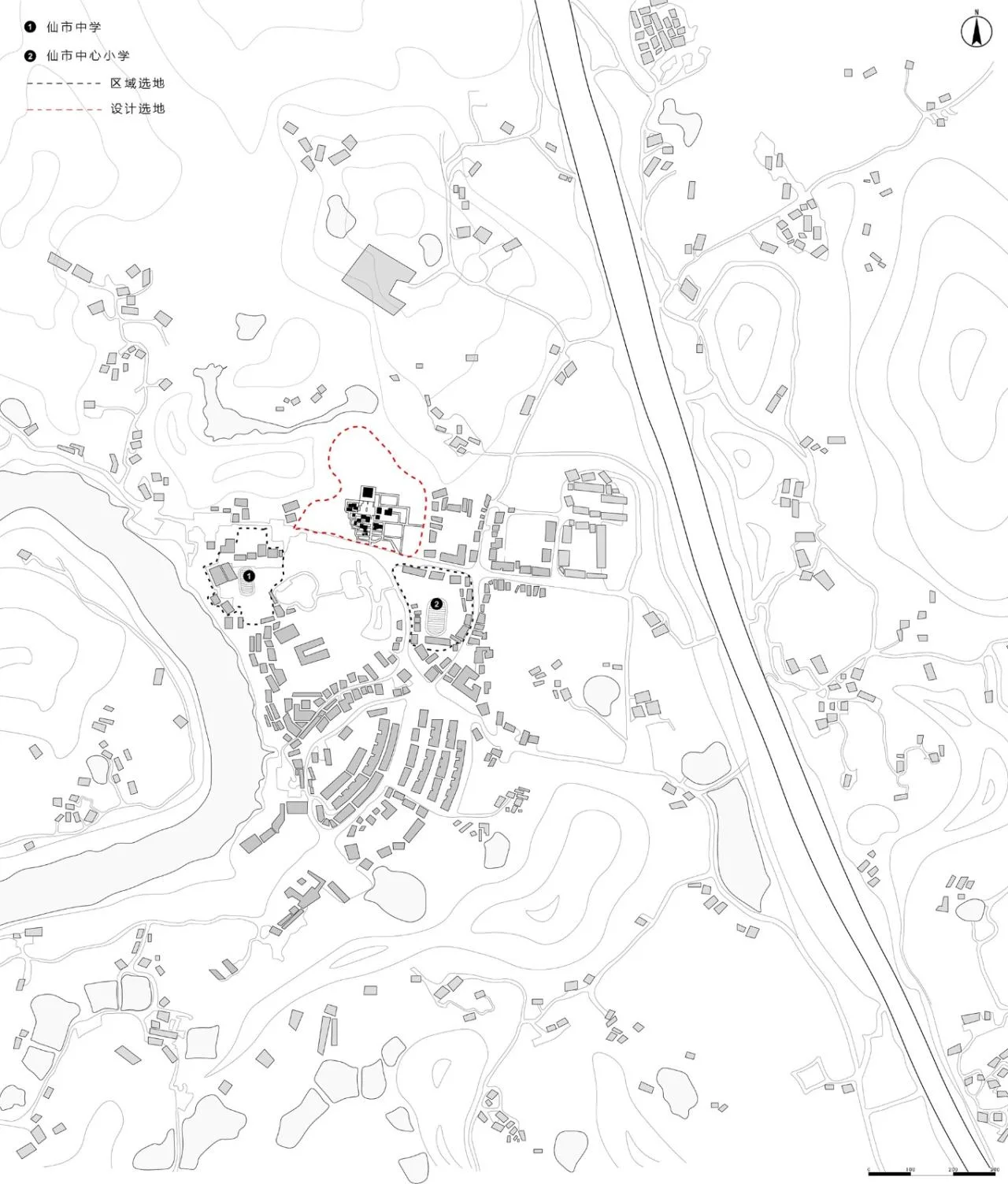
△ Site Plan
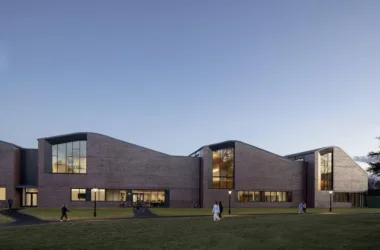
The building facades incorporate mirror-like reflective materials that echo the surrounding environment. The black frosted brushed steel frames recall traditional Ba Shu architectural symbols from the region. This contrast between the reflective mirror surfaces and the matte black metal components creates a dialogue between the virtual and the real. The facade’s contours align with the surrounding Bashu mountain ranges, enhanced by rainbow glass featuring laser-etched reflective textures, adding an artistic dimension to the design.
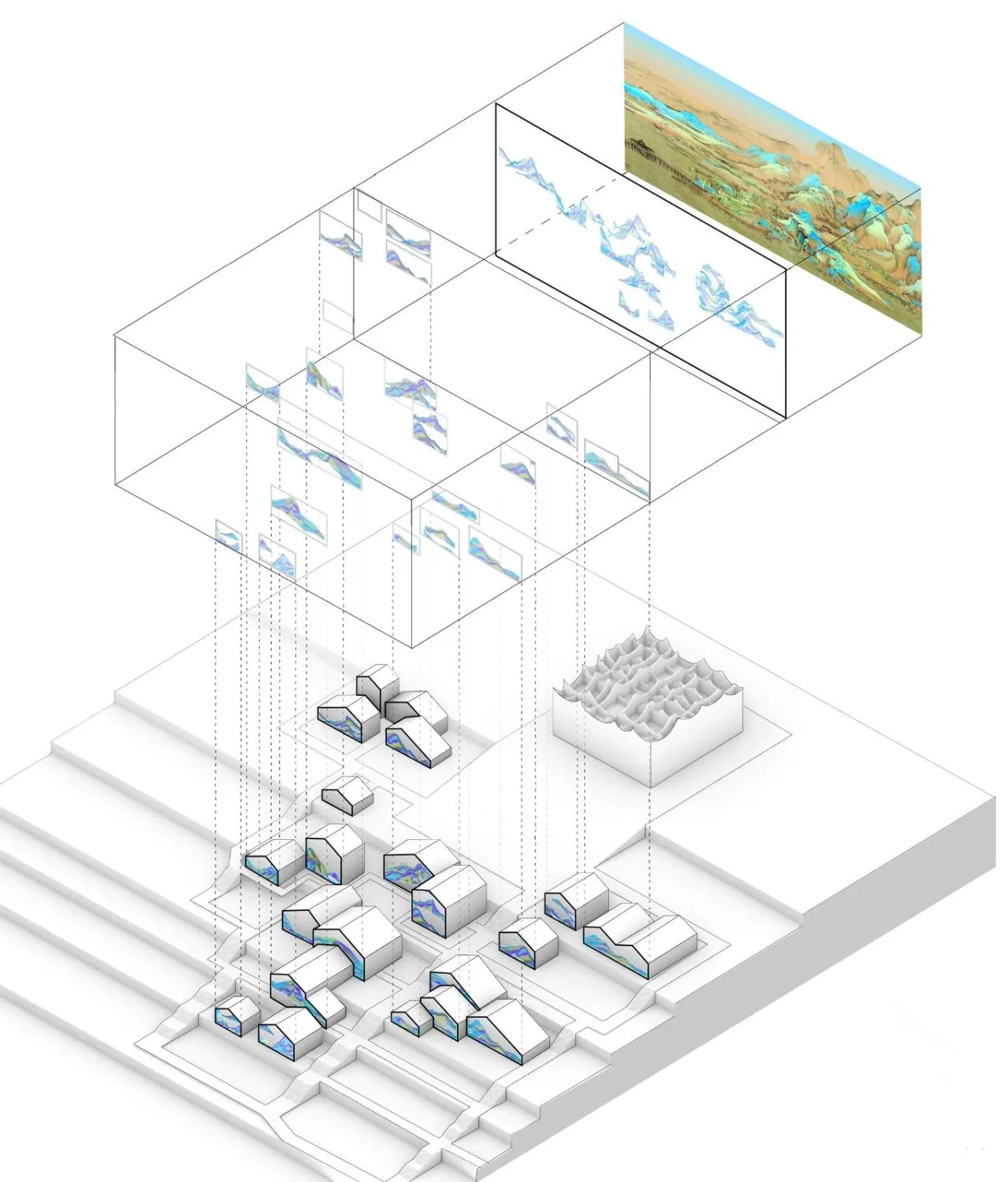
△ Building Axis Alignment
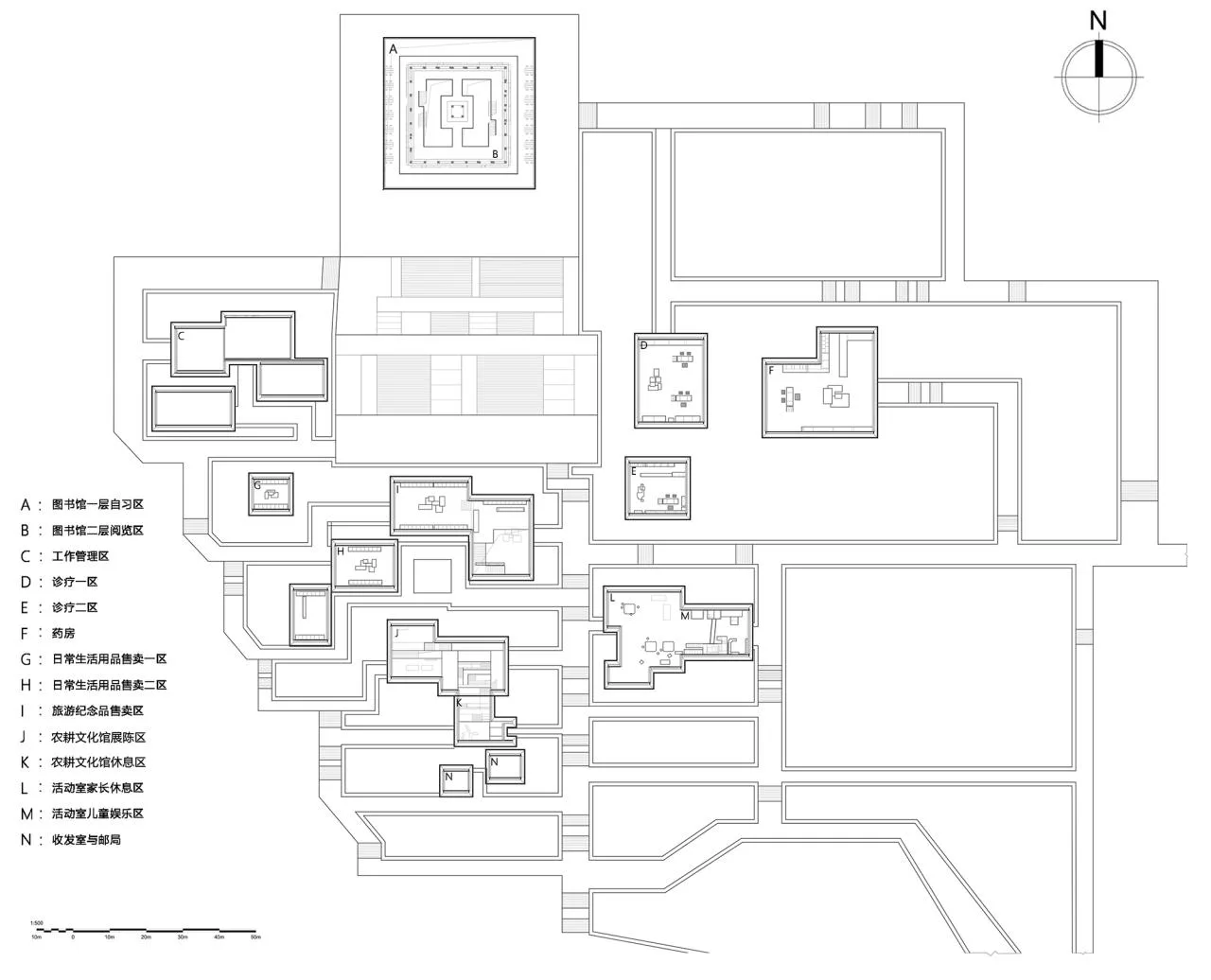
Located on a gently sloping terrain, the architectural complex follows the natural contour lines, resulting in a gradual height difference between the northern and southern buildings. The central roads run north-south, intersected by east-west pathways, creating a comprehensive circulation system that seamlessly connects the interior and exterior spaces.
Design Intent
This cultural complex serves dual purposes: supporting the cultural life of local residents and providing tourism facilities for visitors. It includes public spaces such as libraries, agricultural culture centers, community activity centers, health clinics, commercial streets, post offices, and logistics hubs. The design honors the traditional architectural spatial patterns of the Sichuan Salt Ancient Road, with all structures limited to one or two stories to maintain a human scale.

Surrounded by misty mountains, the complex blends into the natural environment, enveloped by clouds and fog. This setting creates an immersive experience reminiscent of traditional Chinese landscape paintings.
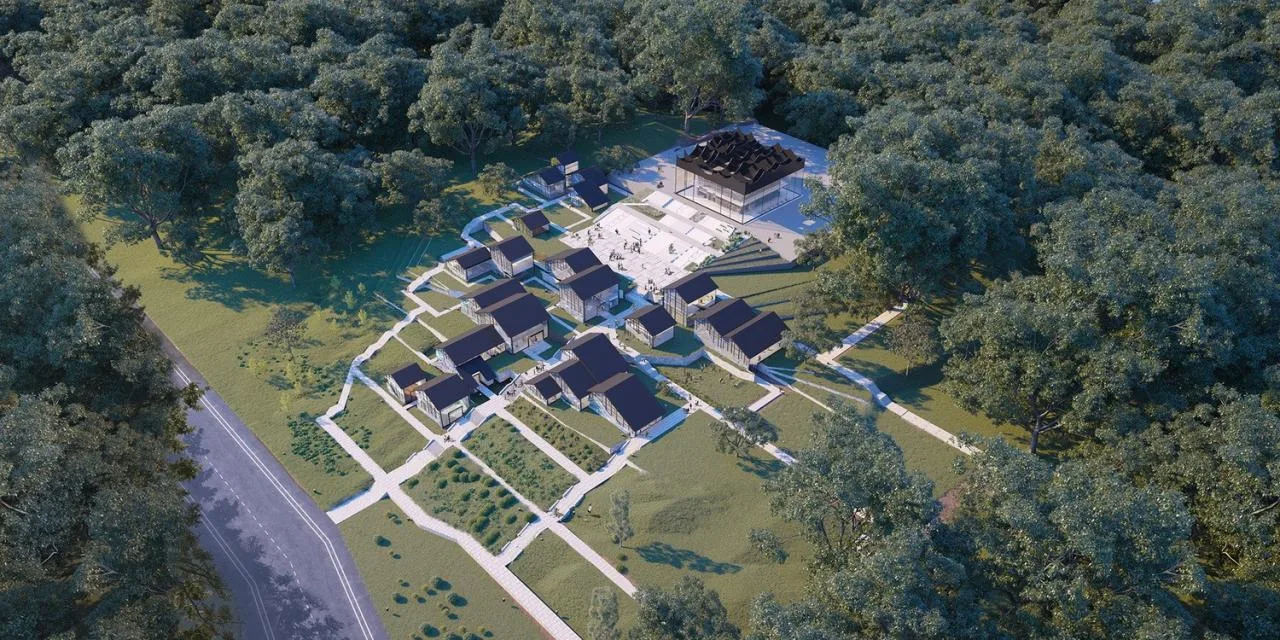
The building’s structural character is defined by an interwoven framework of columns and beams, forming rectangular spaces of various sizes. The proportions adhere to the golden ratio, and the facade abstracts the traditional through-beam style, creating a modern interpretation of local architectural heritage.
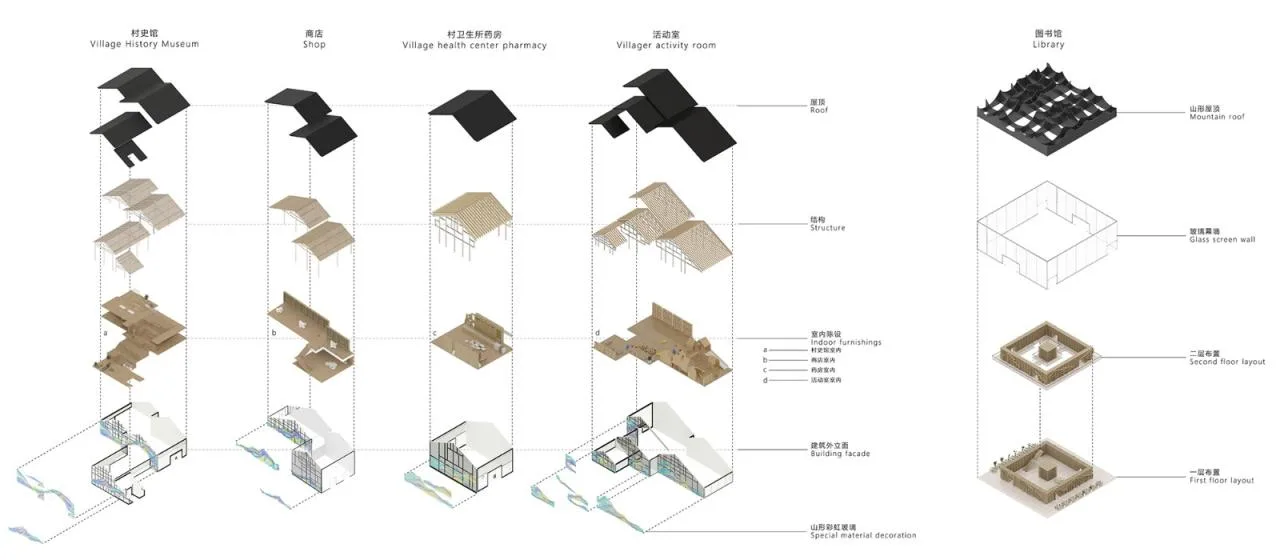
△ Building Facade
Inspired by the surrounding mountains, the exterior features rainbow-shaped glass panels that mimic the undulating mountain silhouettes. Viewed from south to north, these glass facades visually connect, echoing the natural mountain backdrop and creating an illusion of continuous peaks.
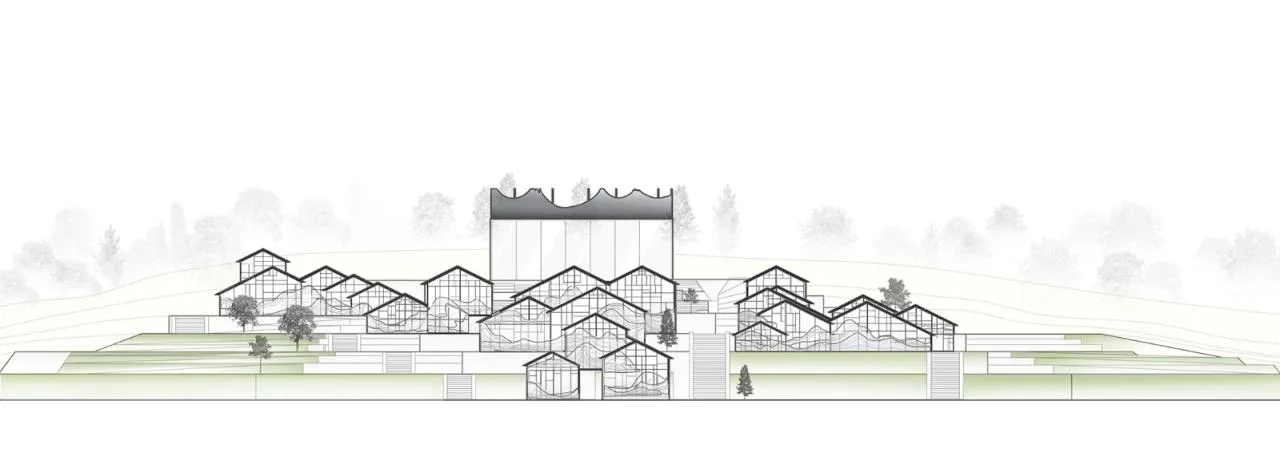
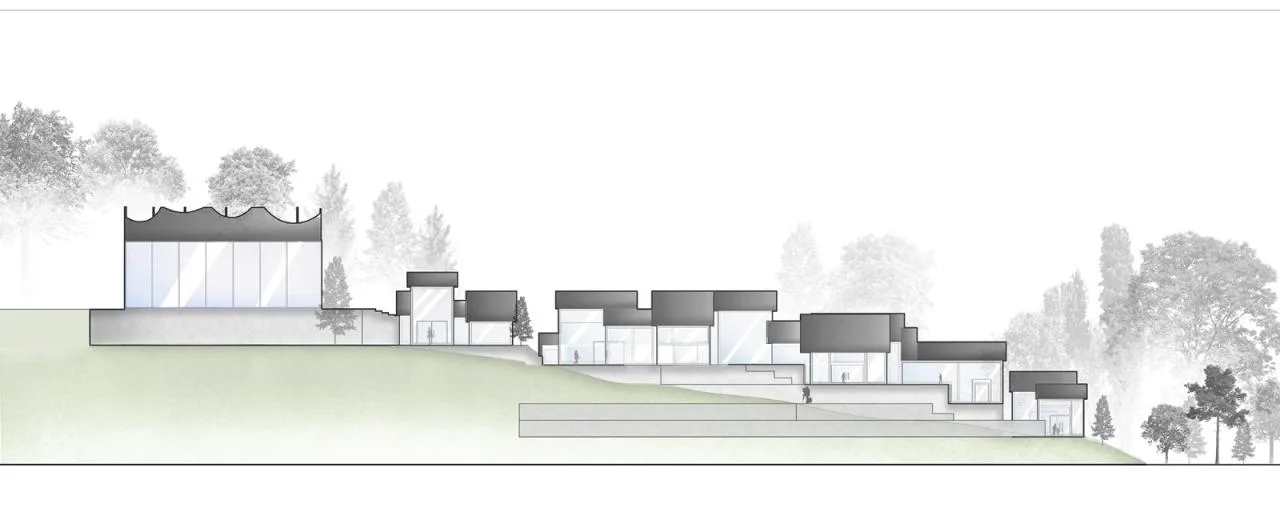
Drawing Representation
The traditional culture of the Sichuan Salt Ancient Road has a long history, passed down through generations. However, modernization has caused its gradual decline. The local Yandao culture has inspired many, and balancing modernization with cultural preservation and traditional architecture remains a pressing challenge.
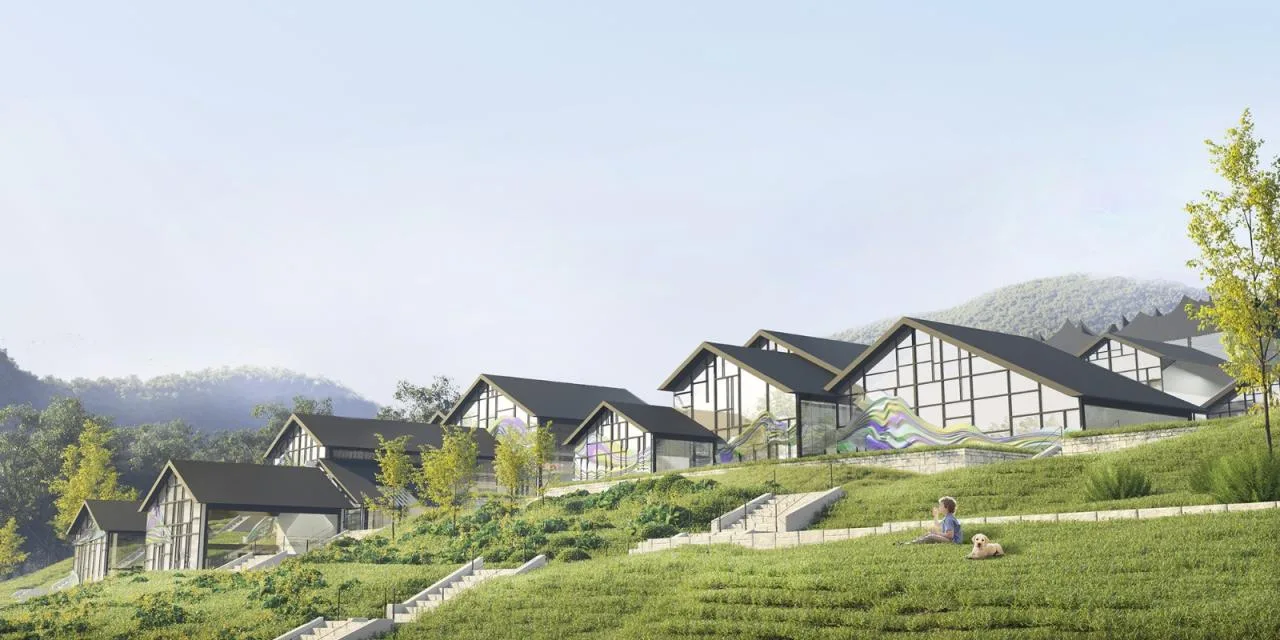
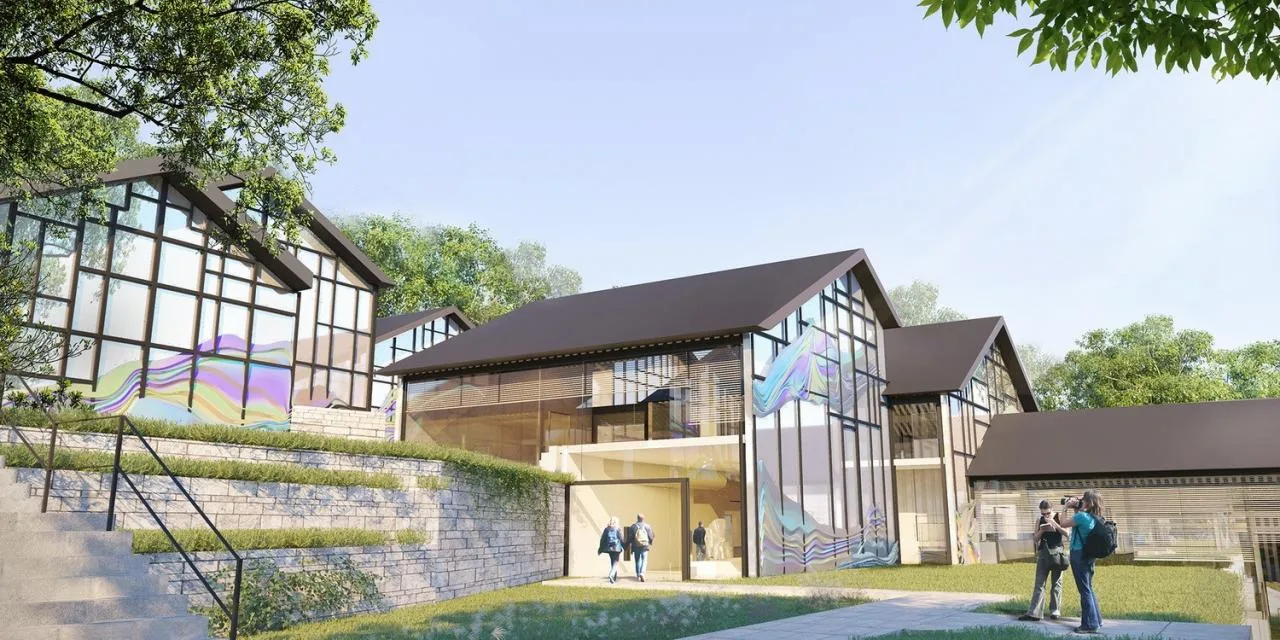
The plan is founded on protecting traditional architectural culture while examining how regional culture can evolve to meet contemporary needs. By integrating modern construction techniques, the design revitalizes the Chuan Yan Ancient Road, presenting it in a fresh and meaningful way.
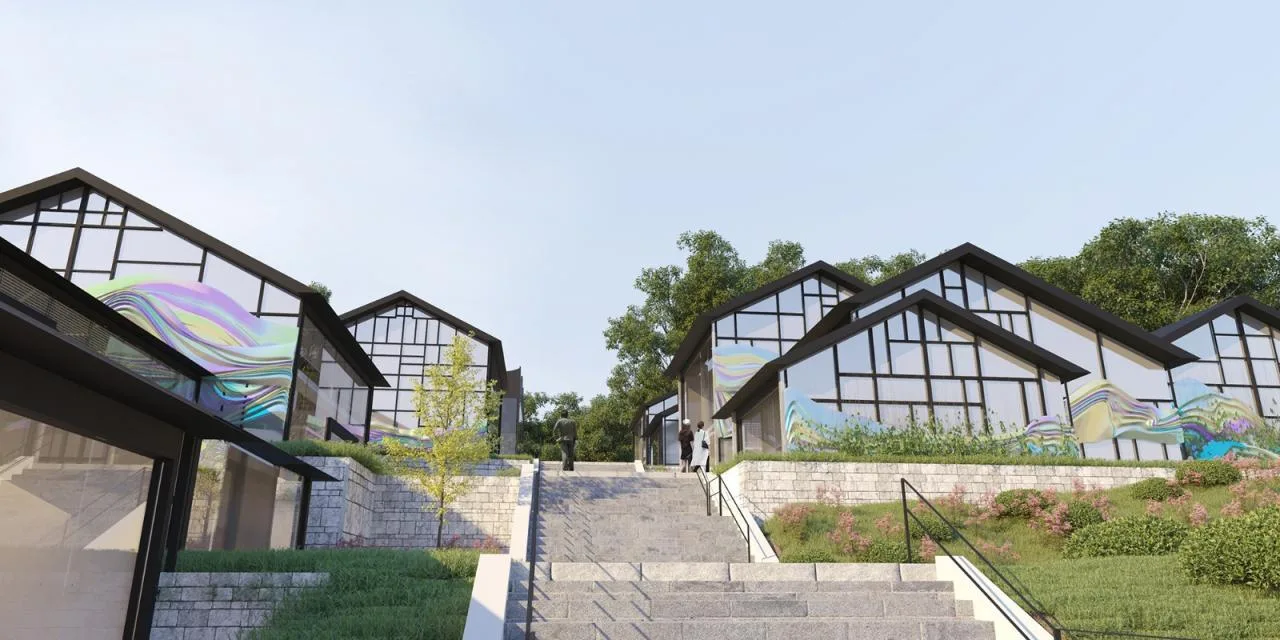
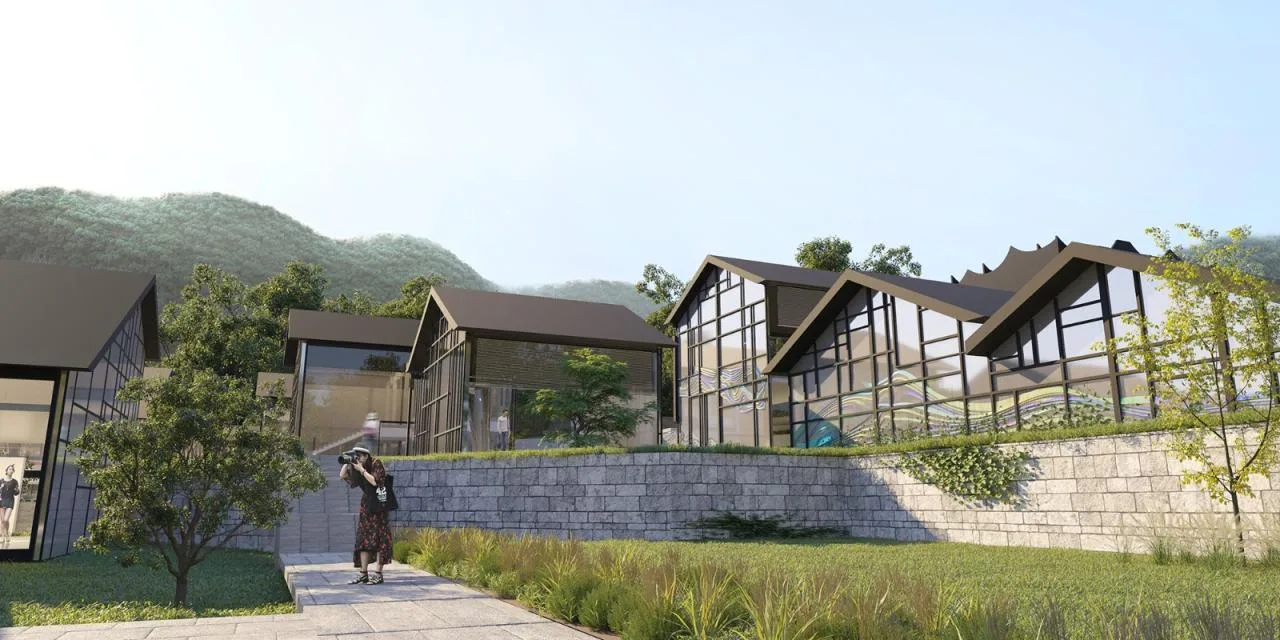
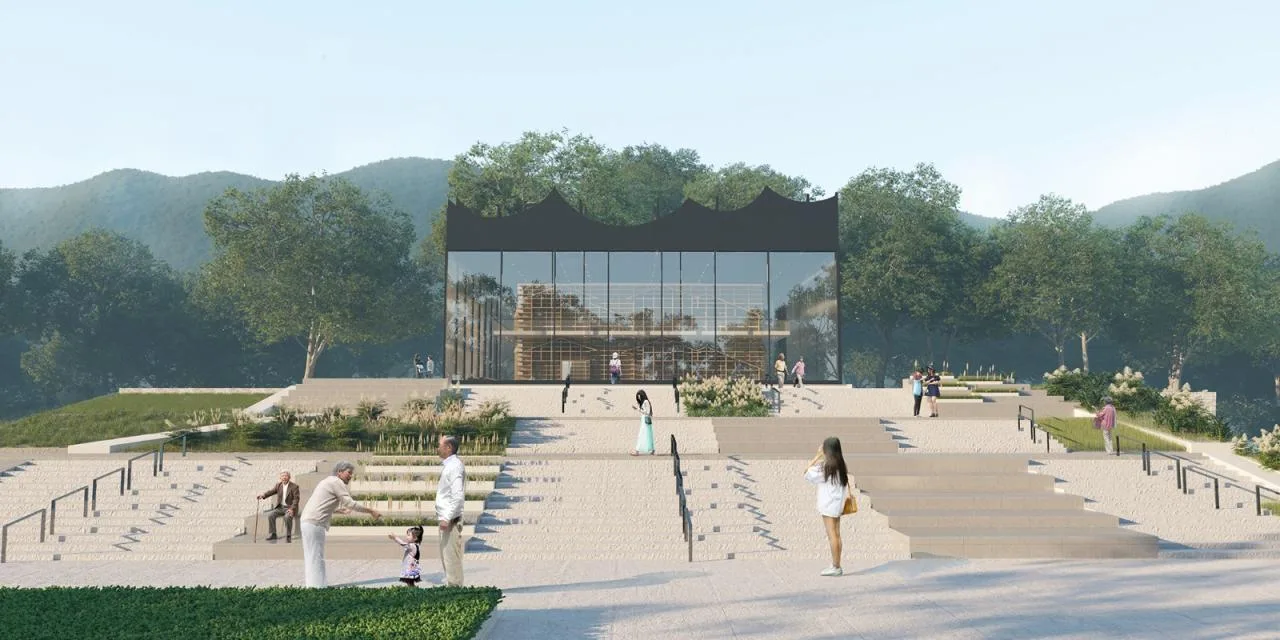
The architecture is seamlessly integrated into nature, evoking the experience of traditional landscape paintings through modern techniques.
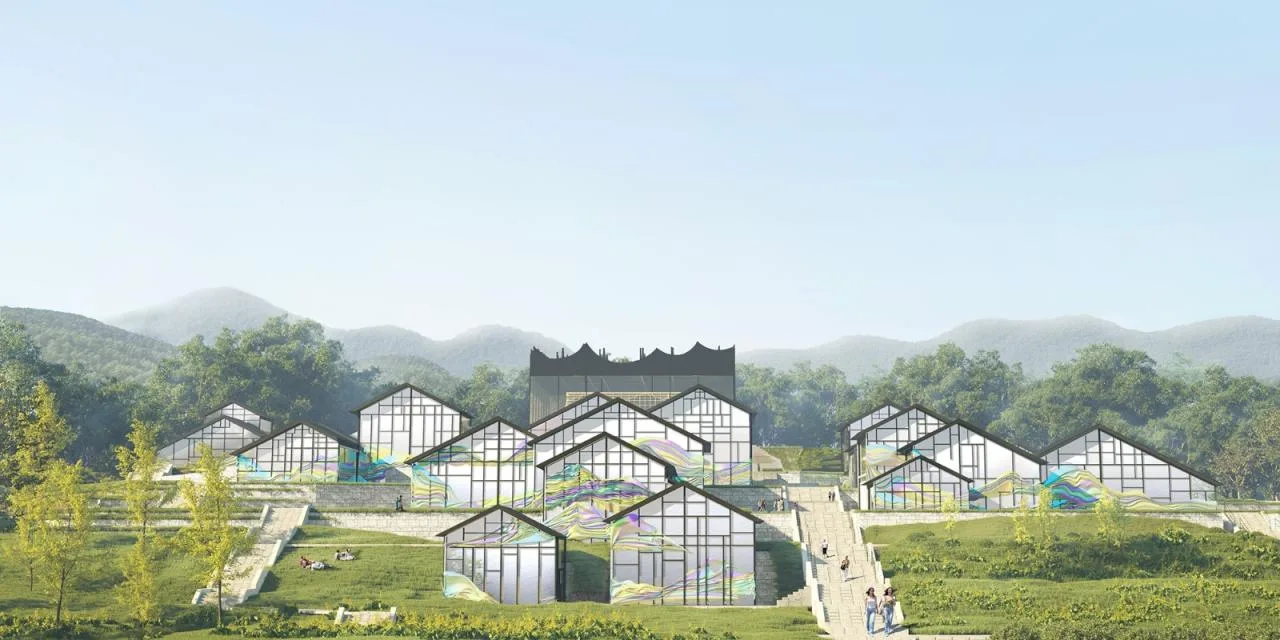
The east-west facades of the buildings feature transparent glass curtain walls, blending interior spaces with the natural surroundings. This design creates a harmony where the building seems to dissolve into nature while still existing as a distinct structure, fostering unity between nature, architecture, and people.
The Agricultural Culture Museum is designed to evoke a sense of seamless transparency, with exhibition areas arranged along the route’s elevation changes. Visitors can experience the history and transformation of the Sichuan Salt Ancient Road firsthand, immersing themselves in its profound cultural legacy.
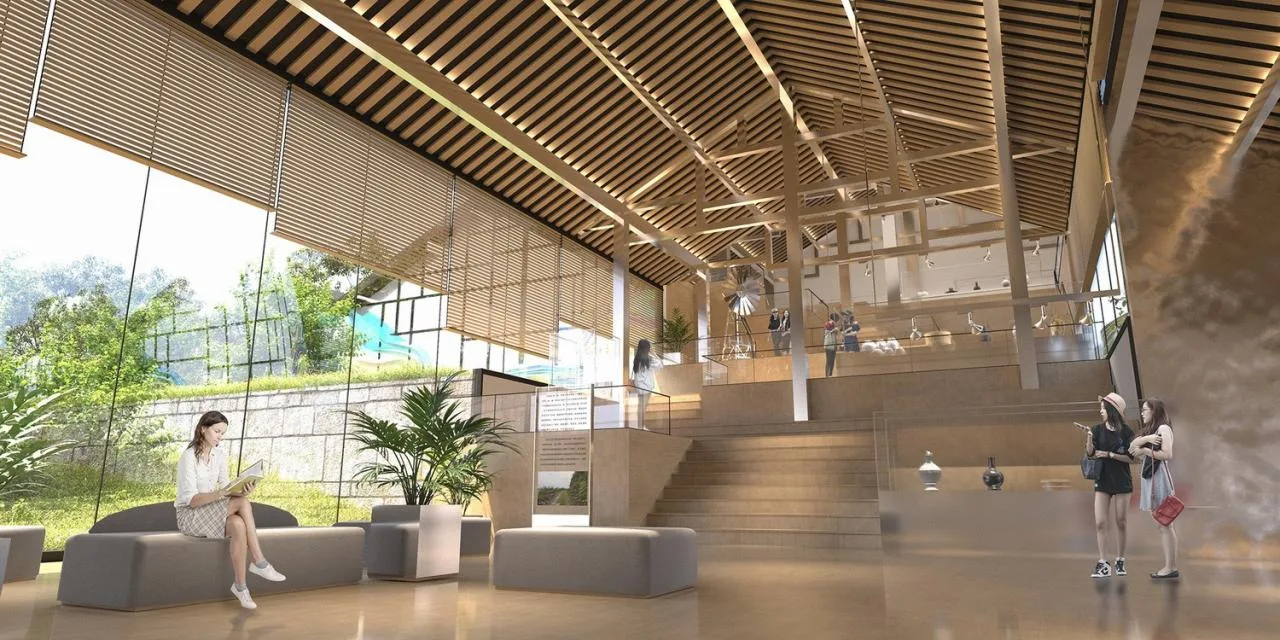
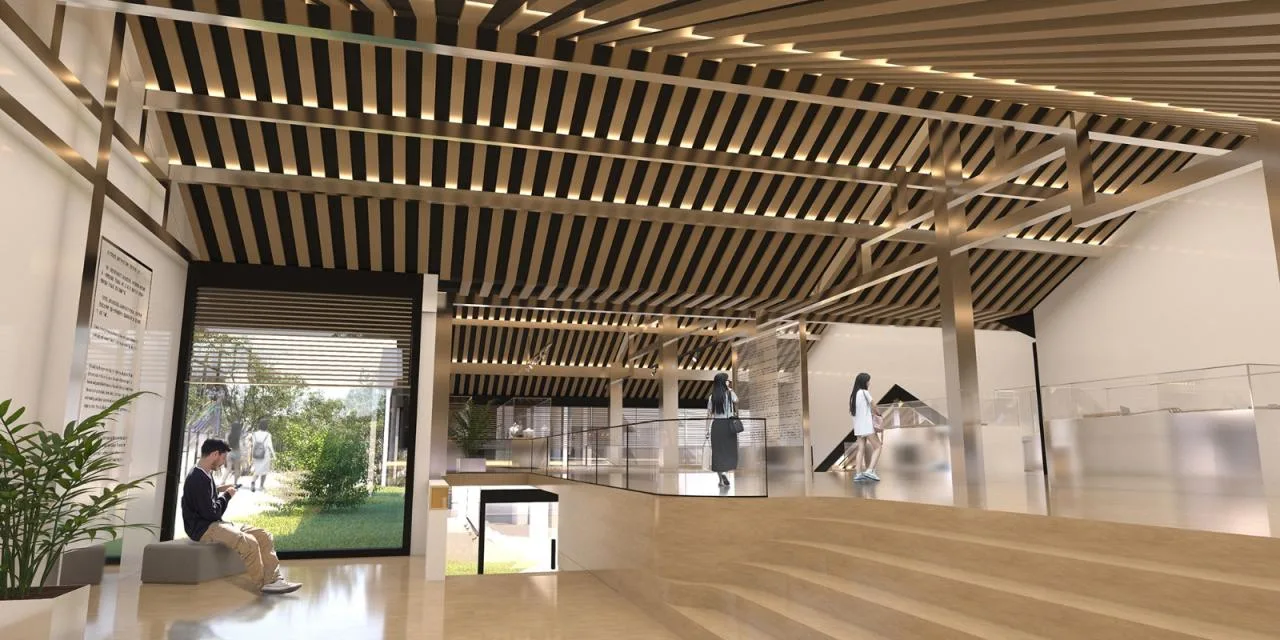
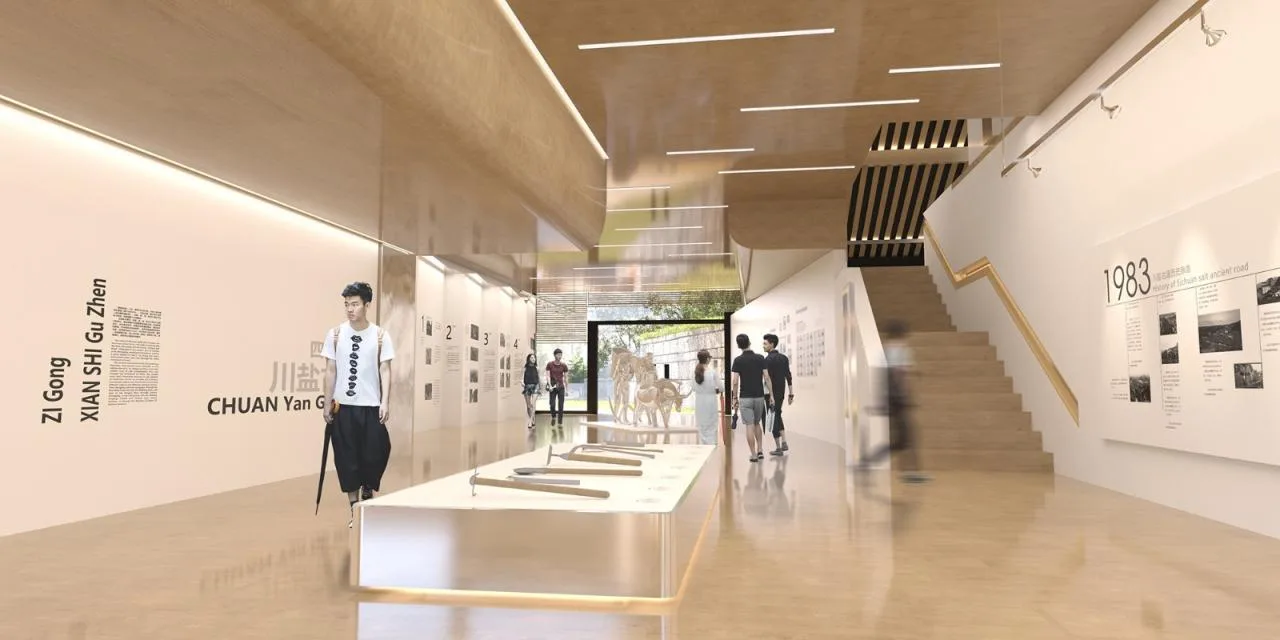
The library stands as the central building, featuring symmetrical central bookshelves enclosed by floor-to-ceiling glass walls. Readers are surrounded by nature and literature, enjoying the scent of books alongside the fresh mountain air. This creates an immersive and serene reading environment, where one can savor the passage of time in a tranquil setting.
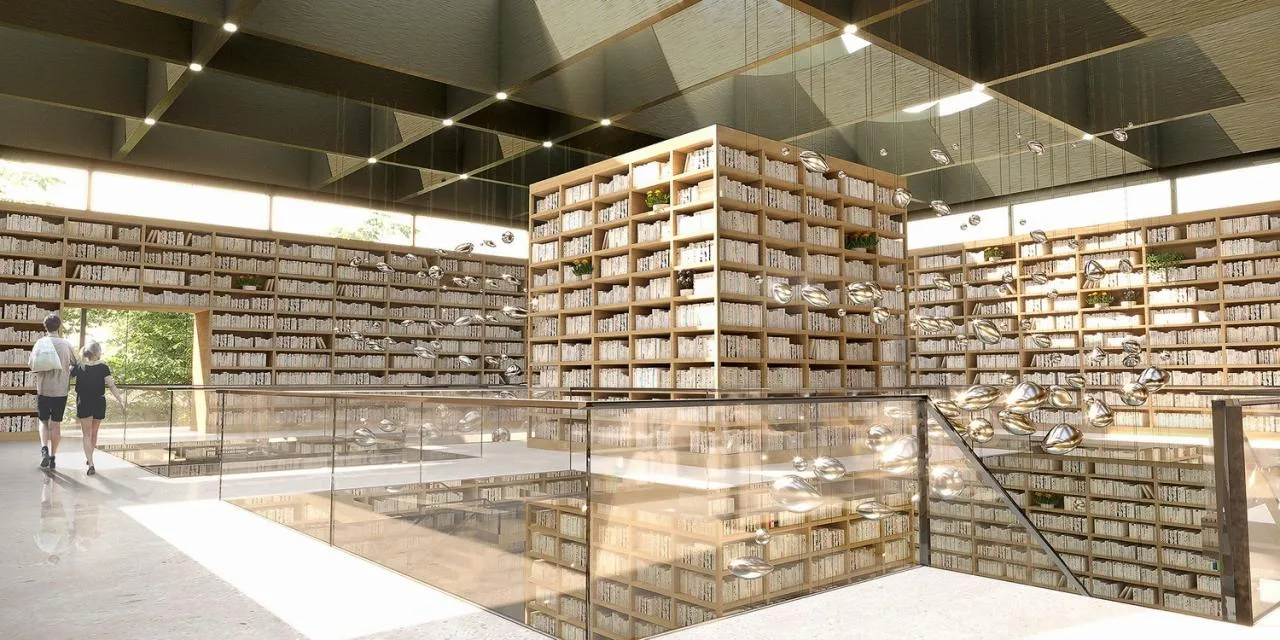
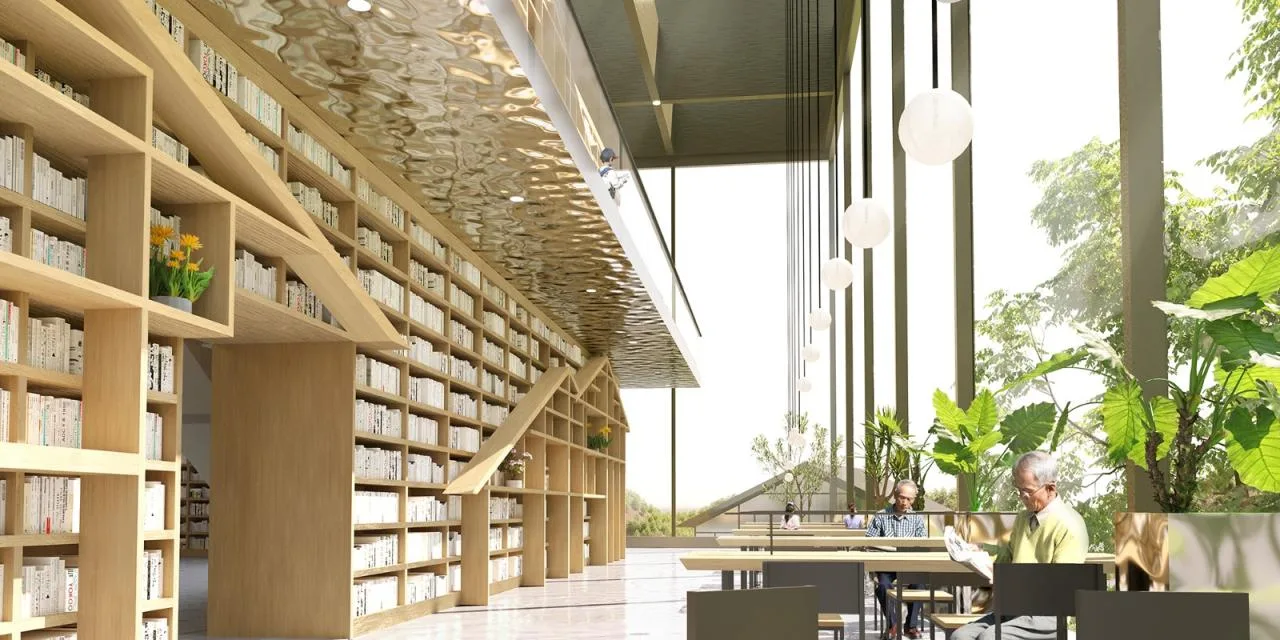
Other spaces, including community activity rooms, shops, and health clinics, are designed to promote warmth and livability, fostering a welcoming atmosphere for residents and visitors alike.
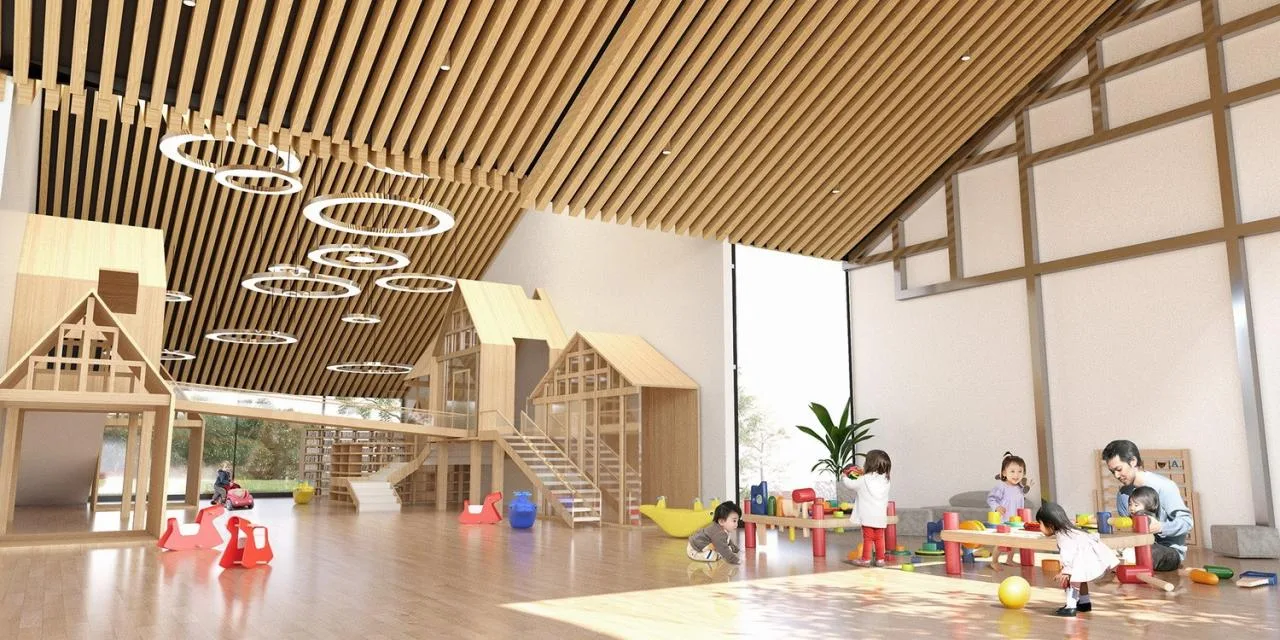
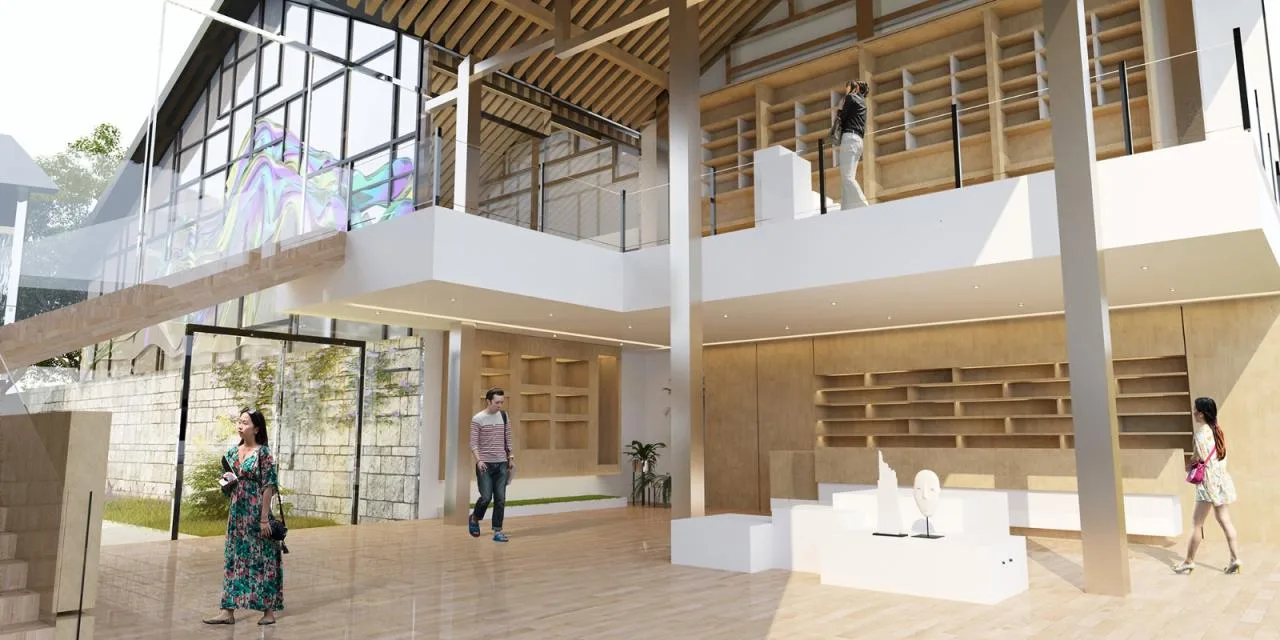
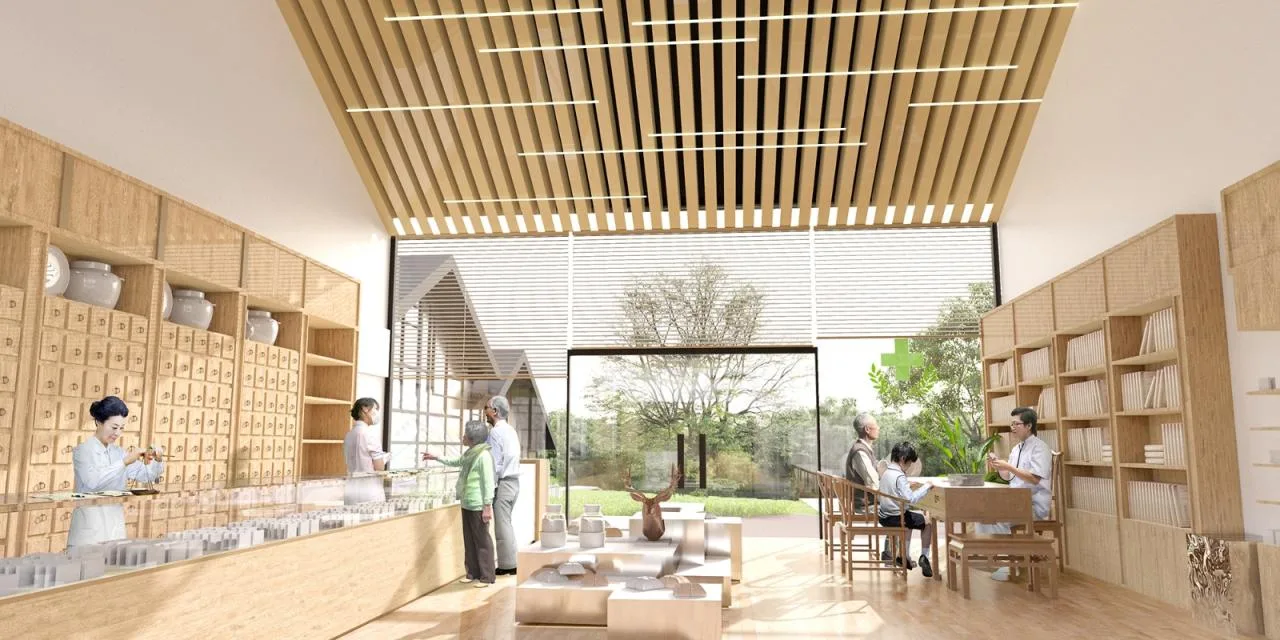
These spaces encourage free engagement in daily activities, allowing the culture of the Sichuan Salt Ancient Road to live on and evolve within modern life, carrying its legacy into the future.
Conclusion
This design integrates the architectural culture of the Sichuan Salt Ancient Road within the Bashu region into contemporary architecture. It aims to both preserve and promote this traditional cultural heritage, supporting sustainable development of Bashu’s architectural legacy. The project seeks to reconnect locals with the disappearing cultural relics and provide a warm space for spiritual reflection, inviting people to pause and appreciate the past and present.
Project Information
Project Name: Linhe Moying – Xianshi Ancient Town Activity Complex Scheme Design
Designer: Non Expert Architecture
Project Design & Year of Completion: January 2022
Principal Designer: Ding Xianglei
Design Team: Guo Shidelong, Lu Yingxuan, Yin Yue
Project Location: Sichuan, China
Building Area: 15,000 square meters
Photography Rights: Venue images sourced from the internet; all other image copyrights belong to the amateur designers.















Must log in before commenting!
Sign Up