
The collaborative approaches of BIM in the structural design process primarily include the central file method, file linking method, and file integration method.
(1) Central File Method: Using Revit software, the BIM project manager first establishes work plan rules and creates worksets. After defining the existing elements within these worksets, a central file is created. Design permissions are assigned, and the scope of work is divided according to each discipline’s requirements. Each designer then creates a local work file and checks out editing permissions for their respective worksets to carry out design tasks. A synchronization schedule is set to regularly update the central file with local changes (see Figure 1). For large-scale projects, central files can be created within each discipline and later shared for integration (see Figure 2).
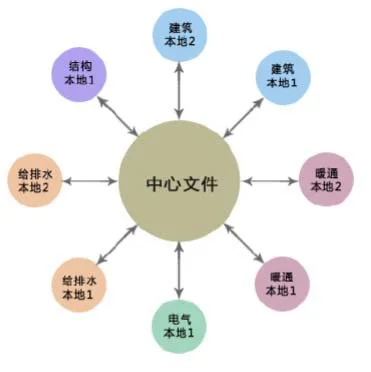
Figure 1: File sharing method for various disciplines within a shared central file
(2) File Linking Method: The BIM project manager and discipline leads first define the project’s base point coordinates, as well as the “true north” and “project north” orientations. These base points must not be altered by any designer. Each discipline then independently completes their design work, automatically linking and loading models from other disciplines using the “origin to origin” method for referencing.
(3) File Integration Method: This approach uses specialized integration software to combine models. First, all models from different disciplines are converted into formats compatible with the integration software. The software then merges these models and performs clash detection. After generating clash reports, each discipline revisits their design software to resolve identified conflicts.
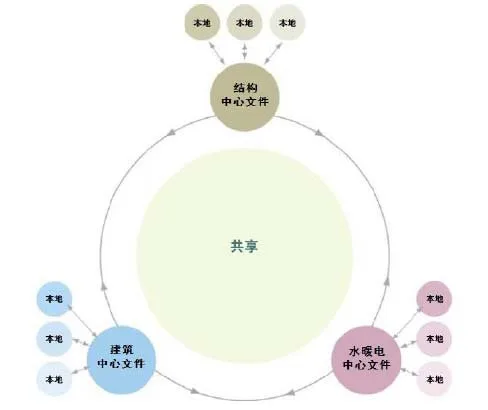
Figure 2: Creating central files for different disciplines
Selecting the appropriate collaboration method is crucial, but to maximize the effectiveness of collaborative design under current constraints, the following best practices should be observed within each discipline:
(1) Structural BIM engineers should work closely with project BIM managers to allocate design tasks across the schematic design, preliminary design, and construction drawing stages. This helps minimize conflicts among team members. Proper permission settings, regular coordination meetings, and open discussions help resolve challenges during collaboration and design.
(2) BIM models must comply with owner or company requirements. Key design parameters such as “shared coordinates” and “project orientation” are critical and should not be easily changed to maintain data uniqueness, accuracy, and timeliness.
(3) Due to the close relationship between structural and architectural disciplines, using the central file method is recommended for collaboration between them. Coordination efforts should focus on the connections between architectural elements and structural components.
(4) Internal BIM designers must cultivate a strong team spirit and continuously improve their BIM skills to enhance the overall capabilities of the team.
















Must log in before commenting!
Sign Up