
Construction management plays a crucial role in ensuring the smooth execution of building projects. As a vital component of the overall construction process, effective project management directly influences the success of construction activities. Therefore, during the implementation phase, construction companies must apply sound management practices to ensure that both progress and quality meet the design specifications.
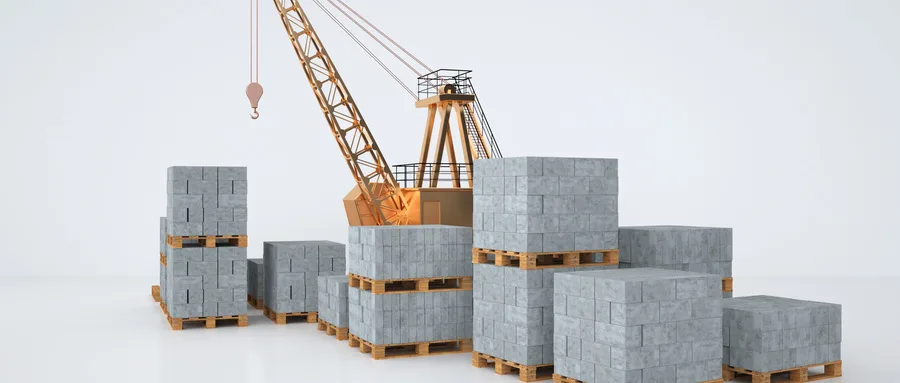
The scope of construction management is broad, and achieving optimal results requires the integration of Building Information Modeling (BIM) technology. BIM helps create a safe and reliable construction environment, facilitating the achievement of project goals. For instance, in safety management, construction companies can use BIM to simulate potential risks and safety hazards during the build, allowing them to implement preventive measures and reduce on-site dangers.
Regarding quality control, inspectors rely on BIM to compare actual construction data with theoretical plans. This technology highlights discrepancies, enabling teams to identify root causes, develop prevention strategies, and propose effective solutions. In terms of scheduling, BIM enhances the timely transmission and sharing of project information, significantly cutting down delays caused by communication gaps. It ensures that all relevant departments stay informed and aligned with the construction timeline.
During project execution, BIM also supports refined and dynamic management. It monitors construction activities to ensure compliance with standards, maintains efficiency, and keeps progress aligned with the planned objectives. The synergy between construction management and BIM allows for accurate forecasting of every stage and detail of the construction process, helping to anticipate and control emergencies before they escalate.
Take building construction as an example: complex tasks like installing pipelines and wiring are often independent yet interrelated. A comprehensive analysis of these tasks enables better control over costs, schedules, and quality, preventing any single task’s shortcomings from compromising the entire building’s functionality. BIM technology streamlines these processes by organizing and coordinating elements such as pipelines and wires with precision and simplicity. It predicts potential issues early and facilitates prompt resolution, thereby minimizing economic losses and ensuring smoother project delivery.
















Must log in before commenting!
Sign Up